
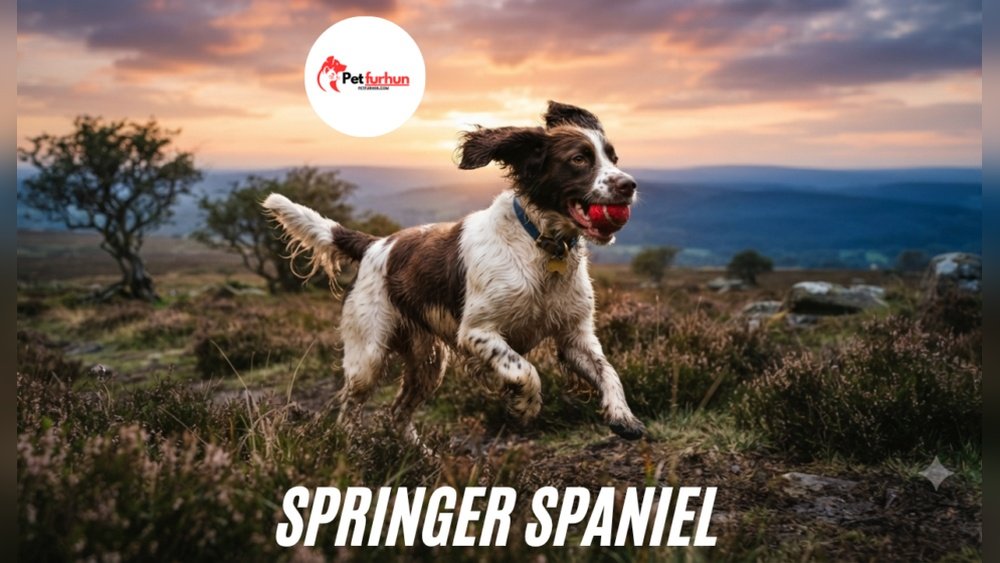
The English Springer Spaniel captures the hearts of many with its expressive eyes, wagging tail, and eager-to-please attitude. For over a century, this breed has been loved as a hunting dog, a loyal family member, and a star in dog sports. But what makes the Springer so special, and what should you know before welcoming one into your life? This guide explores the breed’s temperament, size, and care, offering practical insights and real-world advice. If you’re thinking about adding an English Springer Spaniel to your family or want to better understand your current companion, you’ll find everything you need here.
The English Springer Spaniel: A Brief Overview
The English Springer Spaniel is a medium-sized, athletic dog known for its energy and intelligence. Originally bred to “spring” game birds into the air for hunters, Springers are versatile, excelling in the field, at home, and in dog sports. Their friendly nature and adaptability help them fit into many types of households.
Key traits include:
- Medium build with a sturdy frame
- Long, feathered ears
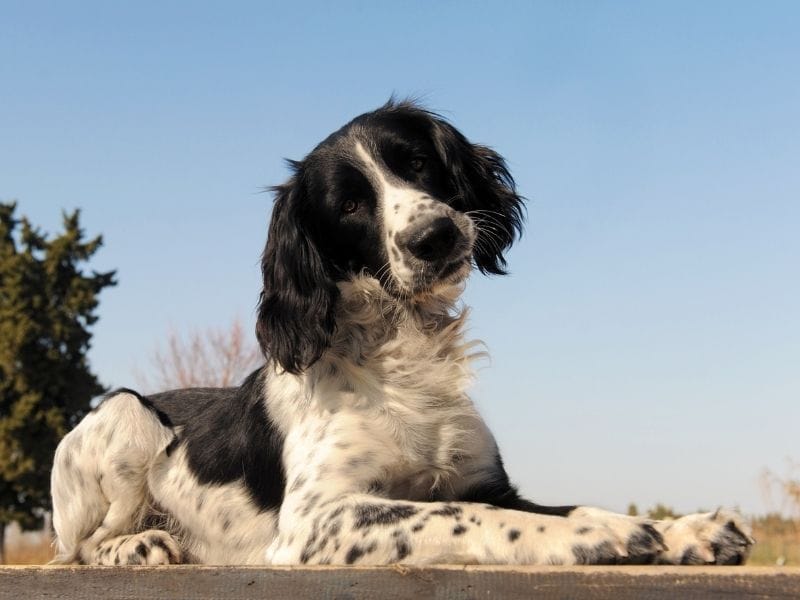
- Wavy or flat double coat (often liver-and-white or black-and-white)
- Bright, alert eyes and an ever-wagging tail
These dogs are known for their endurance, willingness to work, and strong bond with people.
Temperament: What To Expect From An English Springer Spaniel
The Springer’s temperament is one of the main reasons for its popularity. However, a Springer’s personality can surprise new owners with its intensity and enthusiasm.
Friendly And Social
English Springer Spaniels are people-oriented. They love to be with their families and dislike being left alone for long periods. A Springer will usually follow you from room to room, keen to be involved in everything.
- Great with children: Their gentle, playful nature makes them good playmates for kids.
- Welcoming to guests: Most Springers greet strangers with a wag and a sniff, not suspicion.
Intelligent And Eager To Please
This breed is highly trainable thanks to its intelligence and desire to make people happy. Springers excel in obedience, agility, and even scent detection work. They respond best to positive reinforcement—praise, treats, and play.
- Quick learners: They pick up commands fast, but their cleverness can lead to boredom if not challenged.
- Sensitive: Harsh corrections can cause confusion or anxiety. Patience and kindness work best.
Energetic And Playful
Springers are high-energy dogs. They need daily outlets for their athleticism. Without enough activity, a Springer can become restless or destructive.
- Outdoor lovers: They enjoy walks, hikes, fetch, and swimming.
- Need for work: Many Springers thrive when given a job, even if it’s just regular training or games.
Possible Challenges
While mostly positive, some traits can be challenging:
- Separation anxiety: Their strong bond with people means they may struggle when left alone.
- Prey drive: Their hunting instincts remain strong. They may chase birds or small animals.
- Vocalizing: Some Springers bark at noises or when bored, though they are not typically excessive barkers.
Non-obvious insight: Many owners underestimate the emotional sensitivity of the breed. Loud arguments or sudden changes at home can stress a Springer more than some other breeds.
Size And Appearance
Understanding the typical size and appearance of the English Springer Spaniel helps set realistic expectations for space, exercise, and grooming needs.
Size At A Glance
Springers are solid but not bulky. Here’s how males and females compare:
| Male | Female | |
|---|---|---|
| Height (shoulder) | 19–21 inches | 18–20 inches |
| Weight | 45–55 lbs | 40–50 lbs |
Puppies grow quickly, reaching their full height by about 12 months but may fill out until age 18 months.
Physical Features
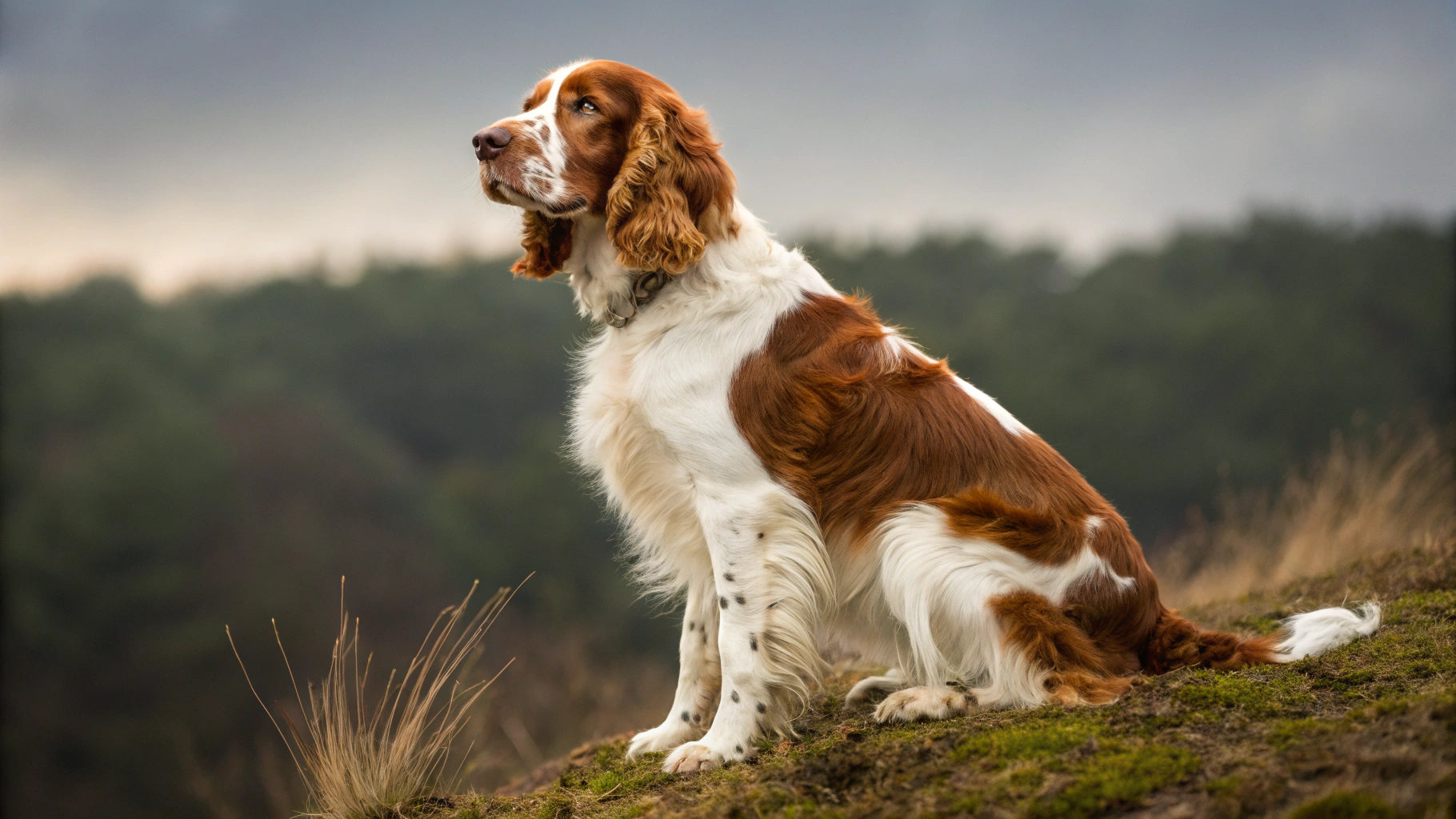
- Coat: Medium length, wavy or flat, with feathering on the legs, chest, and belly
- Colors: Most commonly liver-and-white or black-and-white, with possible tan markings
- Ears: Long, hanging, covered in soft fur
- Tail: Traditionally docked in some countries, but left natural elsewhere
Non-obvious insight: Field-bred and show-bred Springers differ in build. Field types are usually lighter, faster, and have less feathering. Show types are heavier with a fuller coat.
Appearance Comparison: Field Vs. Show Springer
| Type | Build | Coat | Main Purpose |
|---|---|---|---|
| Field | Lean, athletic | Shorter, less feathering | Hunting, working |
| Show | Heavier, more robust | Longer, lush feathering | Conformation shows, companions |
Tip: If you want a family pet without high hunting drive, ask breeders about their lines—show lines are often a little less intense.
Care Requirements
The Springer Spaniel’s care needs are shaped by their history as working dogs. They need more activity, mental stimulation, and grooming than many breeds.
Exercise And Activity
Daily exercise is not optional for a Springer. They thrive on activity.
- Minimum daily exercise: 1–2 hours (brisk walks, play, training)
- Ideal activities: Fetch, swimming, hiking, agility, scent work
Practical example: A bored Springer with only a short walk may chew furniture or dig in the yard. A tired Springer after a long hike is a happy, relaxed companion.
Hidden insight: Mental exercise—like puzzle toys or scent games—can tire a Springer almost as much as physical exercise.
Diet And Nutrition
A Springer’s diet should be balanced for energy and health. Their active nature means they may need more calories than a less active breed of similar size.
Feeding guidelines:
- Adult dogs: 1.5–2.5 cups of high-quality dry food daily, split into two meals
- Puppies: Feed 3–4 smaller meals per day, adjusting as they grow
- Seniors: May need fewer calories if less active
Important: Monitor your dog’s weight and adjust portions as needed. Springers can gain weight if overfed or under-exercised.
Common mistake: Free-feeding (keeping food available at all times) often leads to overweight Springers.
Grooming
The Springer’s beautiful coat requires regular care.
- Brushing: 2–3 times per week to remove tangles and loose hair
- Bathing: Every 6–8 weeks or when dirty
- Ears: Clean weekly; long ears trap moisture, leading to infections
- Nails: Trim every 3–4 weeks
Pro tip: Check for burrs or thorns after outdoor play. The feathered coat picks up debris easily.
Health And Lifespan
English Springer Spaniels are generally healthy but can be prone to some inherited conditions.
Average lifespan: 12–14 years
Common health concerns:
- Ear infections (due to long, floppy ears)
- Hip dysplasia
- Eye conditions (such as progressive retinal atrophy)
- Allergies (skin and food)
- Phosphofructokinase (PFK) deficiency (rare, but seen in the breed)
Routine vet care and early detection are crucial. Ask breeders for health clearances, especially for hips and eyes.
Training And Socialization
Springers shine when given structure and training.
- Start early: Socialize puppies with different people, dogs, and environments.
- Obedience: Basic commands (sit, stay, come, heel) are a must.
- Advanced training: Many Springers enjoy learning tricks, scent work, or agility.
Key advice: A lack of early socialization can lead to shyness or over-excitement. Consistent, gentle training prevents problem behaviors.
Living Environment
English Springer Spaniels adapt well to different homes if their needs are met.
- Space: A yard is ideal but not required if exercise needs are met.
- Apartment living: Possible with committed daily exercise.
- Not suited for: Families who are out all day or want a low-energy, low-maintenance dog.
Tip: They do best in homes where someone is around for much of the day.
Credit: www.borrowmydoggy.com
Life With An English Springer Spaniel
Owning a Springer is a rewarding experience, but it comes with responsibilities.
Family Life
Springers love being part of family life. They are gentle with children and often get along with other dogs and cats if raised together.
Safety note: Supervise interactions with very young children. Springers may get excited and accidentally knock over a toddler.
Socialization With Other Animals
While Springers usually do well with other dogs, their hunting instincts can trigger chasing of small pets like rabbits or birds. Early training and controlled introductions help.
Alone Time
This breed craves company. Leaving a Springer alone for long hours can cause anxiety and unwanted behaviors.
Practical advice: If your schedule means leaving your dog alone often, consider doggy daycare or a reliable pet sitter.
English Springer Spaniel In Sports And Work
Springers are not just family pets; they excel in many dog sports and jobs.
Hunting And Field Work
Still popular as hunting companions, Springers are skilled at flushing and retrieving game. Their stamina and trainability make them favorites among hunters.
Dog Sports
Many Springers do well in agility, obedience, flyball, and even canine search-and-rescue.
Fun fact: The breed’s versatility means it often wins high honors in dog sports.
Therapy And Assistance
Because of their gentle nature and intelligence, Springers can be trained as therapy dogs or to assist people with disabilities.
Hidden insight: Not every Springer enjoys high-pressure sports or work. Each dog’s personality is unique—some prefer a quiet life as a companion.
Choosing An English Springer Spaniel: Puppy Or Adult?
Deciding between a puppy and an adult dog depends on your lifestyle, patience, and expectations.
Adopting A Puppy
Pros:
- Can shape behavior from a young age
- Grow up with your family
Cons:
- Require lots of time for training and socialization
- May be more destructive during teething and adolescence
Adopting An Adult
Pros:
- Personality is already developed
- May be house-trained and socialized
Cons:
- May come with habits that need to be changed
- Less time to enjoy them if adopting a senior dog
Where To Find One
- Reputable breeders: Look for health-tested parents and visit the puppies in person.
- Rescue organizations: Many purebred Springers need homes due to changes in owners’ circumstances.
- Breed clubs: The English Springer Spaniel Field Trial Association is a good resource.
Caution: Avoid buying from pet stores or online ads without meeting the breeder and seeing health clearances.
Costs Of Owning An English Springer Spaniel
Owning a dog is a long-term financial commitment. Here’s a breakdown of typical costs for a Springer:
| Expense | Annual Cost |
|---|---|
| Food | $350–$600 |
| Veterinary care (routine) | $250–$500 |
| Grooming supplies | $100–$200 |
| Training classes | $100–$300 |
| Pet insurance (optional) | $300–$600 |
| Miscellaneous (toys, bedding, etc.) | $100–$200 |
Unexpected costs (like emergency vet bills) can be significant. Pet insurance or a savings fund is wise.

Credit: www.borrowmydoggy.com
Common Mistakes And How To Avoid Them
Even well-meaning owners can make mistakes with this breed. Here are some to watch for:
- Not enough exercise: Leads to destructive behavior and frustration.
- Ignoring mental stimulation: Without puzzles or training, Springers get bored.
- Inconsistent training: Confuses the dog and undermines good behavior.
- Neglecting ear care: Results in painful, costly infections.
- Choosing for looks alone: Some buyers pick a Springer for their beauty, not realizing the energy and commitment required.
Non-obvious Tips For Happy Springer Ownership
- Rotate toys: Changing up toys keeps your Springer interested and mentally stimulated.
- Teach a “settle” cue: Helps your dog calm down on command, useful for an energetic breed.
- Use scent games: Hide treats or favorite toys around the house for your Springer to find.
- Groom after muddy walks: The feathered coat holds dirt—quick brushing prevents mats.
- Join breed clubs or groups: Community support and advice can make life with your Springer more enjoyable.
Credit: www.houndsy.com
Is An English Springer Spaniel Right For You?
Choosing a breed should match your lifestyle, not just your preferences. The Springer is best for:
- Active individuals or families
- People who enjoy time outdoors
- Owners ready for daily exercise and grooming
- Those who want a dog that’s part of the family, not left alone all day
If you want a relaxed, low-energy pet or dislike grooming, this may not be the breed for you.
Where To Learn More
For those interested in official breed standards, detailed history, or connecting with breed enthusiasts, the Wikipedia English Springer Spaniel page offers in-depth information.
Frequently Asked Questions
What Is The Difference Between An English Springer Spaniel And A Cocker Spaniel?
The main difference is size. Springers are larger, standing 19–21 inches at the shoulder, while Cocker Spaniels are smaller. Springers also have a longer head and less rounded eyes. Both breeds are friendly, but Springers generally have higher energy levels.
How Much Exercise Does An English Springer Spaniel Really Need?
A Springer needs at least 1–2 hours of exercise every day. This should include walks, playtime, and ideally some off-leash running in a safe area. Without enough activity, Springers may develop behavior problems.
Are English Springer Spaniels Good With Children And Other Pets?
Yes, most Springers are gentle and playful with children and get along well with other dogs. Early socialization helps them accept cats or smaller pets, but their hunting instincts mean caution is wise with birds or small mammals.
How Often Should I Groom My English Springer Spaniel?
Brush your Springer 2–3 times per week to prevent mats and tangles. Clean ears weekly and check for debris after outdoor play. Bathe them every 6–8 weeks, or as needed if they get dirty.
Do English Springer Spaniels Have Any Common Health Problems?
They can be prone to ear infections, hip dysplasia, and eye conditions like progressive retinal atrophy. Regular vet checkups, proper grooming, and buying from health-tested lines reduce these risks.
Welcoming an English Springer Spaniel into your life is a big commitment, but also a joyful one. Their energy, loyalty, and affectionate nature reward owners who can meet their needs with years of companionship and fun. If you’re ready for an active, loving partner who wants to be at your side, the Springer Spaniel could be the perfect fit.

We’re the dedicated team behind MyPawSafe.com, with over a decade of combined experience in veterinary care, pet emergency response, and animal behavior. While we prefer to let our work speak for itself, our mission is clear: to provide science-backed, vet-approved advice that helps pet owners prevent accidents and save lives.