Welcoming a dog into your home brings joy and energy, but it also comes with practical challenges. One issue many owners face is letting their pet go in and out without constantly opening the door. A doggy door solves this, giving your dog freedom and you convenience. But teaching a dog to use a doggy door isn’t always simple. Some dogs take to it naturally, while others need guidance and patience. If you’re considering this upgrade—or struggling with training—this guide will walk you through every step.
You’ll learn how to choose the right doggy door, set it up properly, and use proven training techniques. We’ll tackle common problems, share expert tips, and answer questions many owners have. By the end, you’ll understand not just “how,” but “why” each step matters, helping your dog feel confident and safe using their new door.
Choosing The Right Doggy Door
Before training begins, you must select the best doggy door for your home and your dog. Not all doors are equal—size, material, security, and ease of installation can make a big difference.
Factors To Consider
1. Size And Breed
Measure your dog’s height and width. The opening should be large enough for your dog to pass comfortably without squeezing. For small breeds, a petite door works. For big dogs, consider models with wider openings. Puppies grow, so plan for their adult size.
2. Door Placement
Where will you install it? Most doggy doors fit in standard doors, but some are designed for walls or sliding doors. The location affects your dog’s path and your home’s security.
3. Material And Durability
Doors come in plastic, aluminum, or composite materials. Plastic is cheap but may crack. Aluminum is strong and lasts longer. For high-energy dogs, durable materials are best.
4. Security Features
Many doors offer locking panels or electronic controls. If you’re worried about stray animals entering, consider doors with microchip or collar sensors.
5. Weather Resistance
Insulated doors keep heat and cold out. This matters in extreme climates—check for weatherproof seals.
Popular Types
- Flap doors: Flexible flap swings open when pushed. Easy for most dogs.
- Electronic doors: Open only for dogs with a sensor tag. Adds security.
- Sliding door inserts: Fit into patio doors. Good for renters.
Comparison Table: Doggy Door Types
| Type | Best For | Security | Ease of Installation |
|---|---|---|---|
| Flap | All sizes | Basic locking | Easy |
| Electronic | Multi-pet homes | High | Moderate |
| Sliding Insert | Renters | Medium | Easy |
Key insight: Many owners buy the cheapest door, but spending a bit more on durability saves money long term. Dogs that chew or scratch can ruin weak flaps quickly.
Preparing Your Home And Dog
Setting up the environment helps your dog learn faster. Dogs feel safest in familiar spaces, so making changes gradually helps.
Installation Tips
- Read the instructions carefully—improper installation can lead to drafts or leaks.
- If you’re unsure, hire a professional. Bad placement can cause your dog to avoid the door.
- Place the door at a height where your dog’s belly lines up with the opening.
Safety Checks
- Remove sharp edges or screws sticking out.
- Check the area outside for hazards—broken glass, toxic plants, or loose fences.
Familiarization
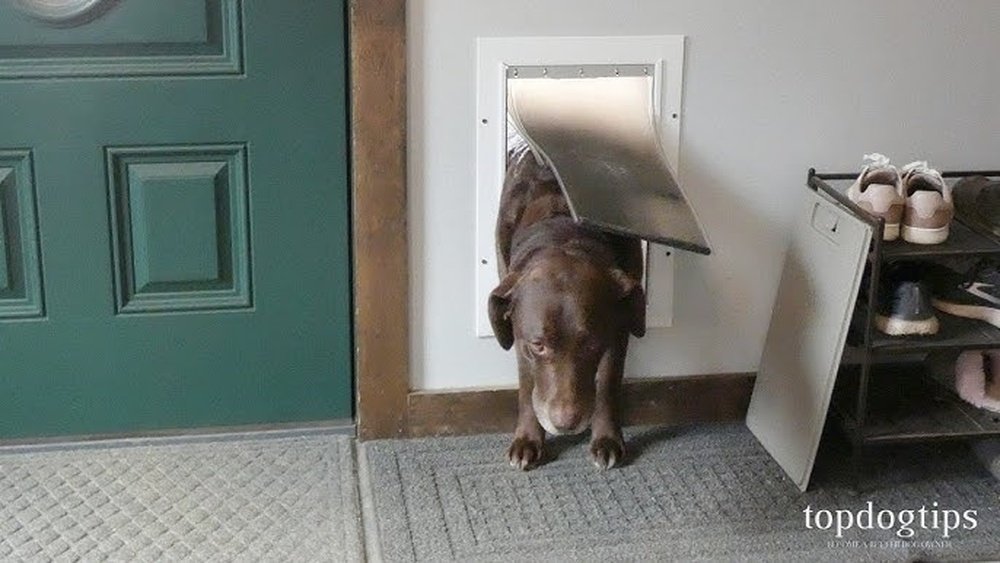
Before training, let your dog sniff and explore the new door. Dogs are curious, but sudden changes can scare them. Allow your dog to touch, paw, and inspect the door while it’s propped open. This builds comfort and reduces anxiety.

Credit: www.youtube.com
Step-by-step Training Guide
Training your dog to use a doggy door involves patience and consistency. Some dogs learn within hours, others may need weeks. Here’s a proven step-by-step method, including extra insights many beginners miss.
Step 1: Introduce The Door
Start with the flap propped open. Call your dog to you, and use treats or toys to encourage curiosity. If your dog hesitates, avoid forcing them. Let them see the outside through the opening.
Expert tip: Many dogs fear the flap’s movement or noise. Tap the flap gently to show it’s harmless.
Step 2: Encourage Passage
Stand on one side, holding a treat. Use a cheerful voice and call your dog’s name. If your dog tries but stops, reward any effort—sniffing, pawing, or putting their head through.
Repeat this several times, until your dog feels comfortable moving through the open door.
Step 3: Lower The Flap
Once your dog passes through easily, let the flap drop down. The movement and sound can scare some dogs. Hold the flap slightly, let your dog nudge it, and reward them for touching it.
Non-obvious insight: Dogs often need to learn to push with their head or nose. Some only paw at the flap, so guide their head gently.
Step 4: Practice Both Directions
Dogs often learn to go out before coming back in. Switch sides and call your dog from outside to inside. This builds confidence in both directions.
Step 5: Fade Rewards
After your dog uses the door consistently, reduce treats. Praise with words or petting. This prevents dependence on treats and builds lasting habits.
Step 6: Supervised Practice
Let your dog use the door while you watch. Some dogs may play with the flap or chew it. Redirect gently and reward correct use.
Step 7: Independent Use
Leave your dog alone for short periods with the door accessible. Check for accidents or signs of anxiety. If problems occur, return to earlier steps.
Step 8: Reinforce Regularly
Even after success, reinforce good behavior every few days. Dogs can forget or lose confidence if not used regularly.
Step-by-step Data Table
| Step | Average Time | Common Challenge | Pro Tip |
|---|---|---|---|
| Introduce Door | 1-2 days | Fear of new object | Let dog explore at own pace |
| Encourage Passage | 2-4 days | Hesitation | Use high-value treats |
| Lower Flap | 2-7 days | Noise startles dog | Hold flap gently |
| Practice Both Directions | 1-3 days | Reluctance to return | Call from both sides |
| Fade Rewards | 1-2 days | Over-reliance on treats | Switch to praise |
| Supervised Practice | 3-5 days | Chewing or playing | Redirect gently |
| Independent Use | Varies | Anxiety or accidents | Return to earlier steps |
Key insight: Training often stalls at the “lower flap” stage. Many owners rush, causing setbacks. Take extra time here—even days—before moving on.
Troubleshooting Common Problems
Even with careful training, issues can arise. Understanding why helps solve problems faster.
Fear And Anxiety
Dogs may fear the flap’s movement, loud noises, or changes in routine. If your dog freezes or backs away, pause training and let them relax. Never force your dog through.
Practical tip: Place a favorite blanket or toy near the door. Familiar smells calm anxious dogs.
Reluctance To Go Through
If your dog refuses, check for physical discomfort. The door might be too high, too small, or the flap too stiff. Adjust height or change the flap if needed.
Chewing Or Playing With The Door
Some dogs treat the door as a toy. Firmly redirect their attention and offer chew toys as alternatives.
Weather Or Environmental Issues
Doors in cold climates may be avoided by dogs. Insulate the door or warm the area near it.
Multi-dog Homes
Dogs learn by watching each other. If one dog uses the door, others often follow. But if one dog is scared, it can affect others. Train each dog separately if needed.
Table: Troubleshooting Tips
| Problem | Possible Cause | Solution |
|---|---|---|
| Fear of flap | Noise, movement | Slow introduction, hold flap |
| Refuses to use | Height, stiffness | Adjust door, lubricate flap |
| Chews door | Boredom, teething | Provide toys, redirect |
| Avoids in cold | Draft, discomfort | Insulate area, warm mat |
| Multi-dog conflict | Fear, dominance | Train separately |
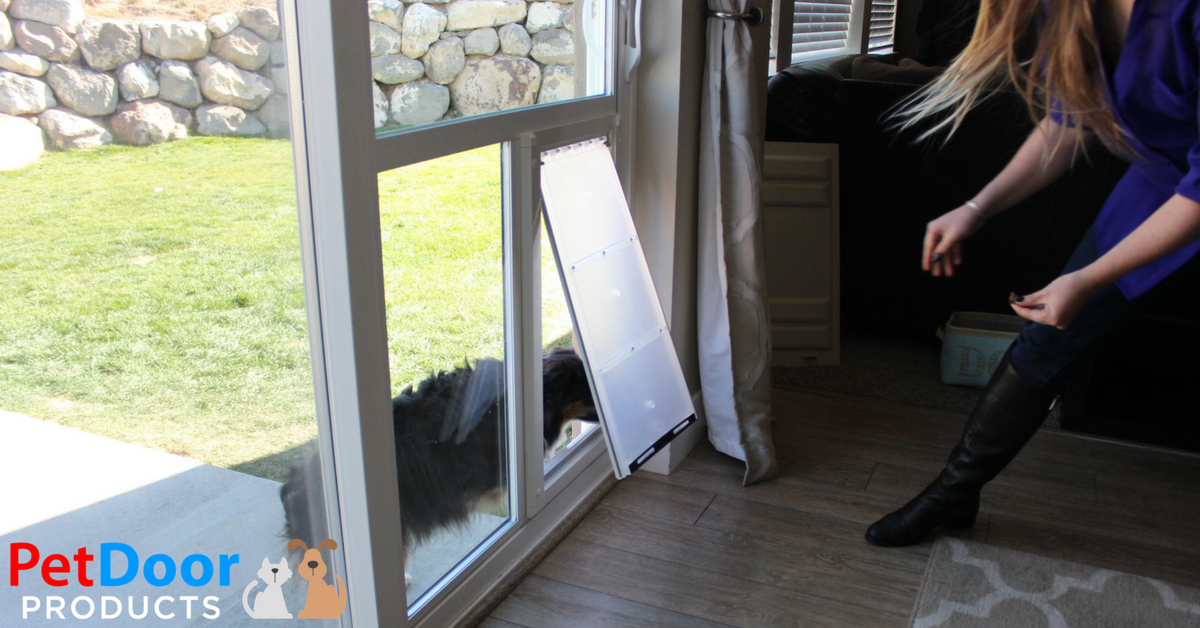
Credit: petdoorproducts.com
Advanced Training Techniques
If your dog still struggles, try advanced methods. These are especially helpful for stubborn or fearful dogs.
Use Clicker Training
A clicker marks desired behavior. When your dog pushes the flap, click and reward. The sound helps your dog understand which action is correct.
Scent Trails
Dogs follow familiar scents. Rub a towel with your dog’s scent along the path to the door. This encourages exploration.
Gradual Desensitization
If your dog is scared, break the process into tiny steps. Reward every small action—sniffing the flap, touching it, moving halfway through.
Visual Cues
Place bright stickers or colored tape near the door. Dogs notice contrasts, and this can draw attention to the opening.
Video Modeling
Some owners show videos of other dogs using the door. This works best for social breeds, who learn by observing.
Non-obvious insight: Many dogs hesitate due to reflections or glare on clear flaps. Adjust lighting or use opaque flaps if needed.
Maintaining The Doggy Door And Training
A well-maintained doggy door lasts years and keeps training effective. Neglected doors can scare dogs or break, undoing progress.
Regular Cleaning
Wipe the flap and frame weekly. Dirt or odors can discourage use. Use pet-safe cleaners.
Check For Damage
Inspect for cracks, loose screws, or broken locks. Replace parts as needed.
Lubricate Moving Parts
If the flap squeaks or sticks, use a silicone spray. Avoid oily lubricants, which attract dirt.
Monitor Usage
Notice if your dog avoids the door suddenly. This can signal injury, anxiety, or a broken door. Address issues promptly.
Update Training
If you move homes or change doors, retrain your dog. Dogs may not recognize new doors as safe.
Expert tip: Some dogs “forget” during storms, loud events, or after vacations. Refresh training after disruptions.
Safety And Security Concerns
Doggy doors open your home to pets—but also potential risks. Protect your home and your dog with smart choices.
Security For Your Home
Locking panels prevent unwanted animals or intruders. Electronic doors limit access to pets with sensor tags.
Data point: According to the US Department of Justice, about 2% of home break-ins involve pet doors. Electronic doors reduce this risk.
Safety For Your Dog
- Ensure your yard is secure—no holes or broken fences.
- Avoid toxic plants or chemicals near the exit.
- Check for wildlife or stray animals.
Weather Protection
Insulated doors protect from cold, rain, and wind. Place a mat inside to catch mud or water.
Emergency Situations
Teach your dog to use the door for emergencies—fire, storms, or accidents. Practice regular “exit drills. ”
Non-obvious insight: Some dogs panic in emergencies and forget training. Keep the area clear and practice calm exits.
Benefits Of Doggy Doors For Dogs And Owners
Doggy doors offer more than convenience. They support your dog’s health, happiness, and independence.
Freedom And Exercise
Dogs can go outside to play, explore, and relieve themselves. This reduces accidents and boredom.
Mental Stimulation
Dogs enjoy exploring new scents and sights. A doggy door provides daily enrichment.
Reduced Stress
Dogs left alone often suffer anxiety. Access to the yard calms many pets.
Statistic: A 2026 survey found that dogs with outdoor access had 30% fewer signs of separation anxiety.
Owner Convenience
No more rushing home for potty breaks. Owners save time and stress.
Improved Behavior
Dogs with outdoor access are less likely to chew, bark, or scratch out of boredom.
Table: Benefits Of Doggy Doors
| Benefit | Impact on Dog | Impact on Owner |
|---|---|---|
| Freedom | Exercise, happiness | Less supervision needed |
| Mental stimulation | Reduced boredom | Fewer destructive behaviors |
| Reduced stress | Calmer, less anxious | Peace of mind |
| Convenience | Regular potty breaks | Time saved |
Key insight: The doggy door is not just a tool—it’s a way to improve your dog’s quality of life. But it requires thoughtful training and maintenance.

Credit: www.reddit.com
Frequently Asked Questions
How Long Does It Take To Train A Dog To Use A Doggy Door?
Most dogs learn within 1-2 weeks, with daily practice. Puppies and fearful dogs may take longer. Consistency and patience are key.
What If My Dog Is Scared Of The Doggy Door?
Start slow. Let your dog sniff and touch the door. Use treats and praise. Hold the flap open, reduce noise, and reward every small step. Never force your dog.
Can I Train An Older Dog To Use A Doggy Door?
Yes! Older dogs can learn, though it may take more time. Use gentle encouragement, consider physical limitations, and adapt the door height if needed.
Are Doggy Doors Safe For All Homes?
Doggy doors are safe when installed correctly and paired with secure yards. Electronic doors add security. Always check for hazards outside and lock the door at night.
What Size Doggy Door Should I Buy?
Measure your dog’s shoulder height and width. Add 2 inches to each for comfort. Most brands offer size charts. For multi-dog homes, size for the largest dog.
Final Thoughts
Training your dog to use a doggy door takes time, effort, and understanding. It’s not just about teaching a simple action—it’s about building trust and confidence. By choosing the right door, preparing your home, and applying step-by-step training, you help your dog enjoy new freedom while keeping your home safe.
Remember, patience is your best tool. If you hit a roadblock, step back and try again.
Doggy doors bring lasting benefits for dogs and owners, but only when introduced thoughtfully. Keep the door clean, monitor your dog’s comfort, and update training as needed. For more tips, visit the ASPCA Dog Care Guide.
With the right approach, your dog will soon move in and out confidently, enjoying a happier, more independent life.
We’re the dedicated team behind MyPawSafe.com, with over a decade of combined experience in veterinary care, pet emergency response, and animal behavior. While we prefer to let our work speak for itself, our mission is clear: to provide science-backed, vet-approved advice that helps pet owners prevent accidents and save lives.