
The Miniature Schnauzer is more than just a small, cute dog. This breed combines intelligence, energy, and a unique look. People all over the world love Miniature Schnauzers for their lively temperament and loyal nature. But before you bring one home, it’s important to know what makes them special, how big they get, and how to care for them.
Miniature Schnauzers are not for everyone. Their personality, grooming needs, and health issues make them different from other dogs. If you are looking for a family pet, a companion for an apartment, or a dog that can fit into your busy life, understanding these details will help you decide.
This guide will walk you through the temperament, size, and care needs of Miniature Schnauzers, offering practical advice and expert tips so you can make informed choices.
Miniature Schnauzer Temperament
Miniature Schnauzers are known for their spirited personality. They are often described as “big dogs in small bodies.” Let’s explore what this means and why temperament matters so much.
Friendly And Alert
Miniature Schnauzers are friendly with their families and usually enjoy being around people. They love to participate in family activities, whether it’s playing, walking, or simply sitting with you. Their alertness also makes them great watchdogs. They will bark when someone approaches the house or when they see something unusual.
However, they are not aggressive. Their bark is more a warning, not a threat. Some people worry about barking, but with proper training, Miniature Schnauzers can learn to control it.
Intelligent And Quick Learners
These dogs are highly intelligent. They pick up commands quickly and enjoy training sessions. This intelligence makes them good candidates for obedience, agility, and even tricks. They thrive when mentally stimulated and can get bored if left alone for long periods without activity.
A common beginner mistake is underestimating how much mental exercise Miniature Schnauzers need. Puzzle toys, training games, and new routines keep them happy and prevent destructive behavior.
Playful And Energetic
Miniature Schnauzers are playful, often acting like puppies even as adults. They love to chase balls, run in the yard, and play with other dogs. Their energy is one of their most charming traits, but it can surprise people expecting a calm lap dog.
If you have children, Miniature Schnauzers usually do well with them. Their playful nature fits right in, but they need supervision with very young kids to avoid rough handling.
Loyal But Independent
Loyalty is a strong point for Miniature Schnauzers. They form strong bonds with their owners and often follow them around. However, they have an independent streak. They like to think for themselves, which can be both a blessing and a challenge during training.
It’s important to use positive reinforcement and patience. Heavy-handed training does not work well; instead, reward good behavior and keep sessions short and fun.
Socialization Needs
Miniature Schnauzers can be wary of strangers and other dogs if not socialized early. Regular exposure to different people, animals, and environments helps them become confident adults. This prevents shyness or fear-based behaviors.
A non-obvious insight: Miniature Schnauzers may seem outgoing at home but can act reserved in new situations. Owners should introduce new experiences gradually.
Size And Physical Characteristics
Miniature Schnauzers are small but sturdy. Their size makes them suitable for many homes, from apartments to larger houses. Let’s break down their physical details.
Breed Standards
According to the American Kennel Club (AKC), Miniature Schnauzers have the following standards:
- Height: 12–14 inches at the shoulder
- Weight: 11–20 pounds
- Body: Square-shaped and muscular
- Coat: Double coat with a wiry top layer and soft undercoat
- Colors: Salt and pepper, black, black and silver
They have a distinctive face with bushy eyebrows and a beard, giving them a wise, expressive look.
Growth And Development
Miniature Schnauzer puppies grow quickly in their first year. Most reach their adult size by 12 months. Unlike toy breeds, they do not stay tiny forever. Their strong build means they can handle more activity than many small dogs.
Some people think Miniature Schnauzers are “fragile” because of their size. In reality, they are quite robust and can play with larger dogs safely, but always supervise these interactions.
Comparison With Other Schnauzers
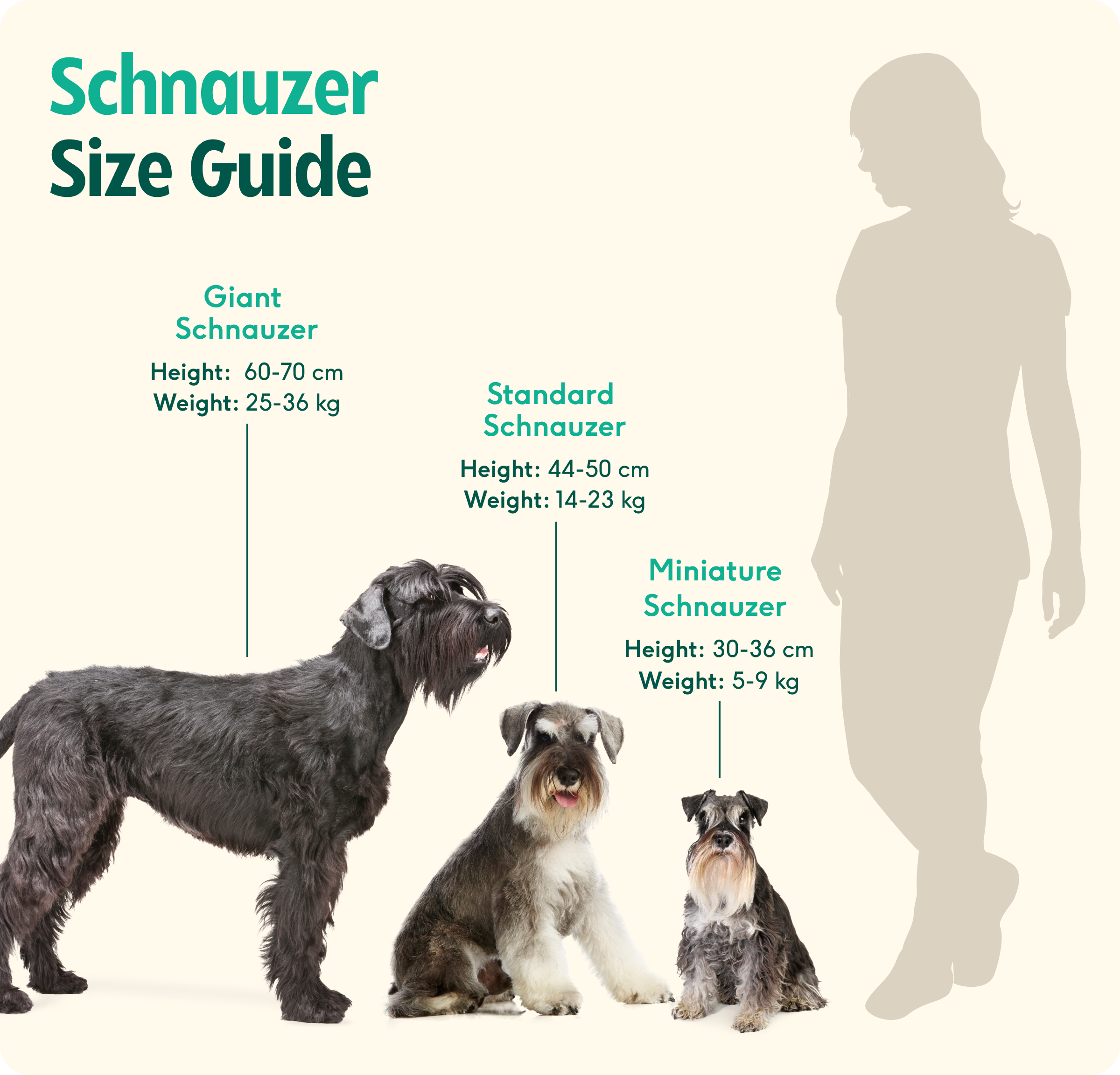
There are three Schnauzer sizes: Standard, Giant, and Miniature. Here is a quick comparison:
| Breed | Height (inches) | Weight (pounds) | Typical Use |
|---|---|---|---|
| Miniature Schnauzer | 12–14 | 11–20 | Companion, watchdog |
| Standard Schnauzer | 17–20 | 30–50 | Working, guarding |
| Giant Schnauzer | 23–27 | 55–85 | Police, protection |
Miniature Schnauzers are the smallest, making them easier to handle and suitable for urban living.
Lifespan And Health
Miniature Schnauzers have a long lifespan for a dog breed. The average is 12–15 years, with some living even longer. Proper care, diet, and regular veterinary visits help them stay healthy.
Common health issues include:
- Pancreatitis
- Eye problems (cataracts, PRA)
- Skin allergies
- Bladder stones
A non-obvious insight: Miniature Schnauzers are prone to high cholesterol and triglycerides, which can lead to pancreatitis. Owners should avoid fatty treats and watch their diet closely.
)
Credit: www.alnoforetagarna.se
Care Requirements
Miniature Schnauzers need more than food and water. Their care involves grooming, exercise, nutrition, and health management. Let’s look at each area.
Grooming
Their unique coat needs regular maintenance to keep it healthy and looking good. The wiry top layer does not shed much, but it can become tangled.
Brushing
Brush your Miniature Schnauzer at least 2–3 times a week. Use a slicker brush for the top coat and a comb for the beard and legs. Regular brushing prevents matting and removes dirt.
Haircuts
Miniature Schnauzers need professional grooming every 6–8 weeks. The classic “Schnauzer cut” includes:
- Short body hair
- Longer hair on legs, beard, and eyebrows
Some owners learn to trim at home, but most prefer a groomer.
Bathing
Bathe your dog every 4–6 weeks or when dirty. Use a dog-safe shampoo to avoid skin irritation. Dry the beard thoroughly to prevent odor.
Ear And Nail Care
Check ears weekly for wax or infection. Clean gently with a damp cloth. Trim nails every 2–4 weeks, as long nails can cause pain or injury.
Comparison Of Grooming Frequency
| Grooming Task | Frequency |
|---|---|
| Brushing | 2–3 times/week |
| Haircuts | Every 6–8 weeks |
| Bathing | Every 4–6 weeks |
| Ear Cleaning | Weekly |
| Nail Trimming | Every 2–4 weeks |
Exercise And Activity
Miniature Schnauzers are energetic and need daily exercise. A simple walk is not enough; they crave play and mental stimulation.
Daily Walks
Aim for 30–60 minutes of walking every day. Break it into two walks if possible. Schnauzers love exploring and sniffing, so let them enjoy different routes.
Playtime
Indoor games (fetch, tug-of-war) and outdoor play keep them active. If you have a yard, let them run and play freely.
Training And Mental Stimulation
Teach tricks, play puzzle games, and introduce new challenges. Training should be fun and short—about 10–15 minutes per session.
A common mistake is ignoring mental exercise. Bored Schnauzers may bark, dig, or chew on furniture.
Comparison: Exercise Needs For Small Breeds
| Breed | Daily Exercise | Type |
|---|---|---|
| Miniature Schnauzer | 30–60 min | Walks, play, training |
| Shih Tzu | 20–30 min | Walks, gentle play |
| Pomeranian | 30–45 min | Short walks, indoor play |
| French Bulldog | 20–40 min | Walks, light play |
Nutrition
Feeding your Miniature Schnauzer the right food keeps them healthy and happy. Their diet should be high-quality and balanced.
Food Type
Choose premium dry kibble or wet food with real meat as the main ingredient. Avoid foods with fillers like corn or soy.
Portion Size
Adult Miniature Schnauzers need ½ to 1 cup of food per day, split into two meals. Adjust based on activity and age.
Treats
Limit treats to 10% of daily calories. Use healthy treats like carrots or apple slices. Avoid fatty snacks, as Schnauzers are prone to pancreatitis.
Water
Always provide fresh water. Clean the bowl daily.
Special Diet Considerations
Some Miniature Schnauzers need special diets for allergies or health issues. Consult your vet for advice. Grain-free or low-fat foods may be needed.
Health Care
Regular health checks and preventive care are essential.
Veterinary Visits
Take your Schnauzer to the vet at least once a year for a checkup. Puppies and older dogs may need more visits.
Vaccinations
Keep vaccinations up to date. Core vaccines include rabies, distemper, and parvovirus.
Parasite Prevention
Use flea, tick, and heartworm prevention year-round. Schnauzers can get skin issues from fleas, so prevention is important.
Dental Care
Brush their teeth 2–3 times a week. Dental treats and professional cleanings help prevent gum disease.
Common Health Issues
Miniature Schnauzers can face:
- Bladder stones
- Eye diseases
- Skin allergies
- Pancreatitis
Watch for signs like vomiting, itching, or cloudy eyes. Early treatment prevents bigger problems.
Training And Socialization
Training is important for Miniature Schnauzers. Their intelligence and independence mean you need to be consistent but gentle.
Basic Commands
Teach sit, stay, come, and down. Use positive reinforcement—reward with treats or praise.
House Training
Miniature Schnauzers learn quickly, but puppies may need patience. Use a crate and take them out regularly.
Leash Training
Start leash training early. Schnauzers can pull or chase small animals. Teach them to walk calmly beside you.
Socialization Tips
Expose your dog to new people, dogs, and places from a young age. Invite friends over, visit parks, and attend puppy classes.
A useful insight: Schnauzers can become “one-person dogs” if not socialized. This means they bond strongly with one person and ignore others. Early socialization prevents this.
Living With A Miniature Schnauzer
Miniature Schnauzers fit many lifestyles. Here’s what you need to know about living with them.
Apartment Living
Their small size and moderate exercise needs make them good apartment dogs. They do bark, so soundproofing or training may be needed.
Family Compatibility
Miniature Schnauzers get along well with children and other pets. Teach kids how to treat the dog gently. Introduce other pets slowly.
Alone Time
They don’t like being left alone for long periods. Separation anxiety can be an issue. If you work long hours, consider dog daycare or a pet sitter.
Travel
Miniature Schnauzers travel well if trained. Use a crate or carrier for safety. Bring their favorite toys and familiar items.
A practical tip: Many Schnauzers adapt to travel quickly if you start young. Take short trips first, then longer ones.

Credit: www.vetsaglik.com
Choosing A Miniature Schnauzer
If you decide to bring a Miniature Schnauzer home, you have two main options: breeder or rescue.
Breeders
Find a reputable breeder who does health testing. Ask about the parents’ temperament, health history, and socialization.
Warning: Avoid “puppy mills” or backyard breeders. These dogs often have health and behavior problems.
Rescue And Adoption
Adopting from a shelter or rescue group is a great option. Adult Schnauzers may already be trained and socialized.
Some rescues specialize in Schnauzers. Visit, meet the dog, and ask about their history.
Cost
Miniature Schnauzers cost $800–$2,000 from breeders. Adoption fees are lower—usually $200–$400.
Factor in ongoing costs: food, grooming, vet care, and supplies. Expect to spend $800–$1,200 per year.
Common Mistakes When Owning A Miniature Schnauzer
Even experienced dog owners make mistakes with this breed. Here are some pitfalls to avoid:
- Ignoring grooming: Their coat needs regular care, or it becomes tangled and dirty.
- Skipping exercise: Schnauzers get bored and may become destructive without daily activity.
- Feeding fatty treats: This can cause health problems like pancreatitis.
- Lack of socialization: Unsocialized Schnauzers may bark excessively or become shy.
- Harsh training methods: Use gentle, positive techniques. Schnauzers respond poorly to punishment.
A non-obvious insight: Miniature Schnauzers can develop “small dog syndrome” if not trained properly. This means they act bossy or stubborn. Proper training prevents this.
Is A Miniature Schnauzer Right For You?
Miniature Schnauzers suit people who enjoy active, intelligent pets and can commit to grooming and training. They are not the best choice if you want a low-maintenance or very quiet dog.
Consider your lifestyle, budget, and patience. If you can meet their needs, you’ll have a loyal, fun companion for years.
Frequently Asked Questions
What Is The Average Lifespan Of A Miniature Schnauzer?
Miniature Schnauzers usually live 12–15 years. With good care, some reach 16 or 17 years. Regular vet visits, a balanced diet, and exercise increase their chances for a long life.
Are Miniature Schnauzers Good With Children?
Yes, Miniature Schnauzers are great with children. They are playful and enjoy family life. Supervise young kids to prevent rough play. Teach children to treat the dog gently.
How Much Grooming Does A Miniature Schnauzer Need?
They need regular grooming. Brush them 2–3 times a week and schedule professional haircuts every 6–8 weeks. Clean their ears and trim nails regularly. This keeps their coat healthy and prevents matting.
Do Miniature Schnauzers Bark A Lot?
Miniature Schnauzers are alert and vocal. They bark to warn you about visitors or strange noises. Training and socialization can reduce barking. They are not aggressive, but their bark is loud.
Where Can I Find More Information About Miniature Schnauzers?
You can learn more about Miniature Schnauzers from the Wikipedia Miniature Schnauzer page.
Miniature Schnauzers are unique dogs with lively personalities and strong loyalty. They need regular grooming, daily exercise, and gentle training. If you are ready for an active companion, this breed could be perfect for you. With the right care and attention, your Miniature Schnauzer will be a joyful part of your life for many years.
Credit: www.fondation-enovos.lu

We’re the dedicated team behind MyPawSafe.com, with over a decade of combined experience in veterinary care, pet emergency response, and animal behavior. While we prefer to let our work speak for itself, our mission is clear: to provide science-backed, vet-approved advice that helps pet owners prevent accidents and save lives.