
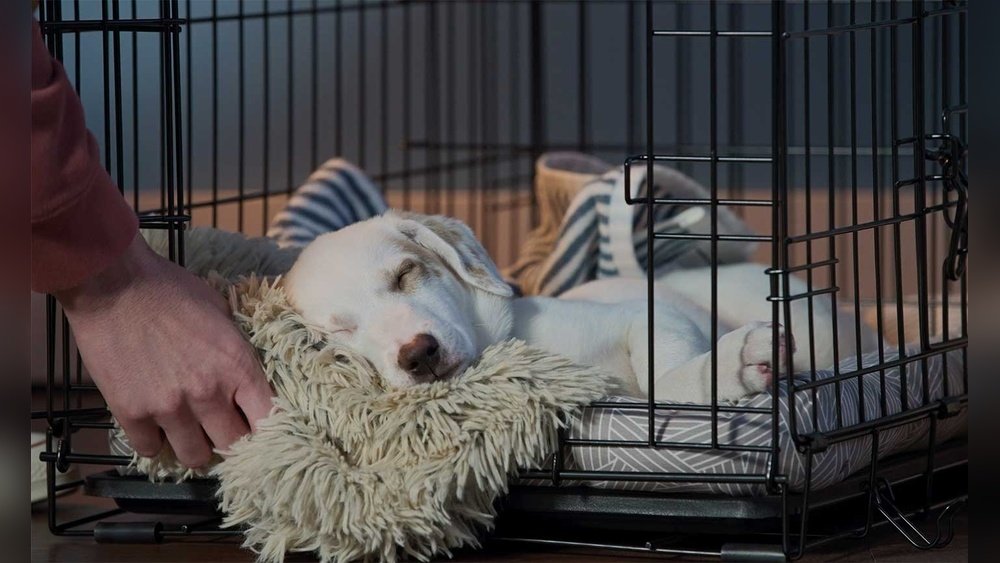
Bringing a new puppy home is an exciting experience. Those big eyes, playful paws, and wagging tail can melt anyone’s heart. But when night falls, many puppy owners find themselves facing a big challenge: how to get their puppy to sleep through the night. Puppies, like human babies, need help learning good sleep habits. It’s not just about getting a good night’s rest for yourself—proper sleep training is key for your puppy’s health, development, and overall happiness.
Learning how to train a puppy to sleep through the night is one of the first important lessons for a new dog parent. It requires patience, consistency, and some insider knowledge that many guides miss. In this complete guide, you’ll discover practical steps, essential routines, and clever tips to help your puppy (and you!) Enjoy peaceful nights.
With a focus on clear explanations and real-life solutions, you’ll understand not just what to do, but why it works.
Why Puppies Wake Up At Night
Puppies are not born knowing how to sleep through the night. They wake up for many reasons, and understanding them is the first step to solving the problem.
First, puppies have small bladders. Most can only hold their pee for a few hours, especially under 16 weeks old. If your puppy is waking up at night, it may simply need a bathroom break. This is normal and expected.
Second, puppies are adjusting to a new environment. They may feel anxious or lonely after leaving their mother and littermates. Nighttime can feel especially strange and scary, causing whining or barking.
Third, puppies are learning their body clock. They don’t know when it’s time to sleep or play. Like children, they need a routine to help their brain and body wind down.
Some breeds are also more active or vocal at night. For example, working breeds like Border Collies or Huskies may need more mental stimulation during the day or they might become restless when the house is quiet.
How Much Sleep Does A Puppy Need?
Most new owners are surprised by how much puppies sleep. On average, puppies need 18–20 hours of sleep in a 24-hour period. This is much more than adult dogs, who usually sleep 12–14 hours.
Below is a simple overview of puppy sleep needs by age:
| Puppy Age | Average Sleep Needed (per 24 hrs) |
|---|---|
| 8–12 weeks | 18–20 hours |
| 3–6 months | 16–18 hours |
| 6–12 months | 14–16 hours |
A puppy that doesn’t get enough sleep can become cranky, hyper, or even sick. Sleep is important for both their growth and their ability to learn new things, including nighttime routines.
Setting Up The Right Sleep Environment
Where your puppy sleeps is just as important as how you train them. A comfortable and safe space helps your puppy feel secure, which makes it easier for them to relax and sleep well.
Choosing A Bed Or Crate
Many trainers recommend using a crate for puppies. Crates mimic a den—a safe, cozy place where your puppy can rest without distractions. It also helps prevent accidents around the house. Choose a crate that is just big enough for your puppy to stand up, turn around, and lie down comfortably, but not so large that they can use one corner as a bathroom.
If you prefer not to use a crate, a puppy pen or a closed-off area with a bed works, too. The key is consistency and safety.
Bedding And Comfort
Use a soft bed or blanket in the crate or sleep area. Some puppies like a warm water bottle wrapped in a towel, which reminds them of sleeping with their littermates. A ticking clock or a special dog “heartbeat” toy can also help soothe anxiety by mimicking the sound of their mother’s heartbeat.
Avoid strong-smelling bedding or toys at first, as unfamiliar smells can make your puppy feel uneasy.
Location Matters
Place the crate or bed in a quiet, low-traffic area, but not too far from the family at first. Many puppies feel calmer if they can hear or smell their people nearby. Some owners keep the crate in their bedroom for the first few nights, then slowly move it to the final location.
Building A Pre-bedtime Routine
Puppies thrive on routine. A regular bedtime routine helps signal that the day is ending and it’s time to sleep. Here’s how to build an effective pre-bedtime routine:
The Last Bathroom Break
Take your puppy out for a bathroom break right before bedtime. This reduces the chance of accidents and makes it more likely they’ll sleep for several hours before needing to go out again.
Calm, Not Play
About 30–60 minutes before bed, switch to quiet activities. Avoid rough play or high-energy games, as these can make your puppy too excited to sleep. Instead, try gentle petting, a chew toy, or a short cuddle session.
Feeding Schedule
Feed your puppy dinner 2–3 hours before bedtime. This gives time for digestion and a final bathroom break before sleep. Feeding too late can lead to nighttime bathroom needs.
Dimming Lights And Reducing Noise
Lower the lights and reduce noise in the house as bedtime approaches. This helps your puppy’s brain produce melatonin, the natural sleep hormone.
Step-by-step: How To Train Your Puppy To Sleep Through The Night
Now that you have the basics, let’s break down the process into simple, actionable steps.
1. Set A Consistent Bedtime
Choose a bedtime and stick to it every night. Puppies learn faster when you are predictable. For example, if you go to bed at 10 p.m., aim to put your puppy to bed at 9:45 or 10 p.m. every night.
2. Use The Same Sleep Area
Always use the same crate or bed for nighttime sleep. This builds a strong association between that space and sleeping.
3. Nighttime Bathroom Schedule
For puppies younger than 14–16 weeks, you may need to take them out at least once during the night. Set an alarm for 3–4 hours after bedtime for the first week. As your puppy grows, increase the time between bathroom breaks.
Here’s a simple puppy nighttime bathroom schedule:
| Puppy Age | Max Time Without Bathroom Break |
|---|---|
| 8 weeks | 2–3 hours |
| 12 weeks | 3–4 hours |
| 16 weeks | 5–6 hours |
| 20+ weeks | 7+ hours |
4. Ignore Whining—with Exceptions
If your puppy whines at night, wait before responding. Sometimes, puppies make noise simply for attention. If you’re sure they don’t need the bathroom and aren’t in distress, let them self-soothe for a few minutes. However, if the whining continues or sounds urgent, take them out for a quick, quiet bathroom trip.
Non-obvious tip: Don’t play or talk much during nighttime bathroom trips. Keep lights low and voices soft. This teaches your puppy that nighttime is for sleeping, not playing.
5. Gradually Increase Alone Time
If your puppy is used to sleeping near you, slowly move their crate farther away over several nights. Sudden changes can cause anxiety. For example, start by your bed, then move to the bedroom corner, then outside the room.
6. Use White Noise Or Background Sound
A quiet house can make a puppy feel lonely. A white noise machine or a softly playing radio can cover sudden noises and help your puppy sleep better.
7. Be Patient And Consistent
Most puppies can sleep 6–7 hours by 16 weeks old. But every puppy is different. Stick with your routine, and avoid changing rules from night to night.
Dealing With Common Nighttime Problems
Even with the best routine, issues can pop up. Here’s how to handle the most common nighttime puppy problems:
Puppy Won’t Stop Whining Or Barking
If your puppy keeps making noise, check for these causes:
- Needs the bathroom
- Hungry or thirsty
- Too hot or cold
- Separation anxiety
Solve the basic needs first. If all needs are met, try placing a worn T-shirt with your scent in the crate or using a calming toy.
Accidents In The Crate
If you find wet bedding, your puppy may be too young to hold it all night, or you may need to take them out more often. Make sure the crate isn’t too big, as puppies won’t usually soil their sleeping space unless forced.
Puppy Wakes Up Too Early
If your puppy is waking up at 4 or 5 a. m. , try shifting their bedtime slightly later and make sure their last bathroom break is as close to bedtime as possible. Darkness helps too—cover the crate with a light blanket to block morning light, but make sure there’s airflow.
Puppy Seems Restless At Night
A restless puppy may not be tired enough. Make sure your puppy gets enough physical and mental exercise during the day. Short training sessions, puzzle toys, and daily walks all help.
Puppy Is Chewing Bedding
Some puppies chew out of boredom or stress. Offer safe chew toys in the crate, and rotate them to keep things interesting. If chewing continues, check for teething pain or ask your vet for advice.

Credit: www.youtube.com
The Role Of Daytime Activities
Surprisingly, what happens during the day affects how well your puppy sleeps at night.
Exercise
Puppies need regular exercise, but not too much. Too little exercise leads to excess energy at night, while too much can cause soreness or overtiredness. As a rule, use the “5-minute rule”: five minutes of exercise per month of age, twice a day. For example, a 12-week-old puppy needs about 15 minutes of structured play, twice daily.
Mental Stimulation
Physical play is important, but mental challenges also tire puppies out. Simple training, puzzle feeders, or learning new commands can help.
Socialization
Meeting new people and animals (in safe ways) can help reduce anxiety and build confidence, both of which help with sleep.
When To Expect Full Nights
Most puppies sleep through the night by about 16 weeks (4 months) old, but the timeline can vary. Small breeds often take longer than large breeds due to their smaller bladders.
Here’s a rough timeline for when you might expect full nights:
| Breed Size | Average Age for Sleeping Through the Night |
|---|---|
| Small (e.g., Toy Poodle) | 16–20 weeks |
| Medium (e.g., Beagle) | 14–16 weeks |
| Large (e.g., Labrador) | 12–14 weeks |
Remember, every puppy is different. Some may need more time or a bit of extra patience.

Credit: www.brilliantfamilydog.com
Mistakes To Avoid
Some common mistakes can make sleep training harder or even set you back.
1. Inconsistent Rules
Changing where your puppy sleeps, or your response to whining, confuses your puppy. Stick to your plan for at least two weeks before making changes.
2. Letting The Puppy Sleep In Your Bed Too Soon
While it’s tempting, this can create long-term sleep problems. It’s easier to teach your puppy to sleep alone first, and allow bed sleeping later if you choose.
3. Skipping The Bedtime Bathroom Break
This is the most common reason for nighttime accidents. Always make the last bathroom trip the last thing before bedtime.
4. Using The Crate As Punishment
Never put your puppy in the crate for bad behavior. The crate should always feel safe and positive.
5. Overstimulating Before Bed
Exciting play or training right before bed makes it harder for puppies to settle.
Non-obvious insight: If your puppy’s sleep suddenly gets worse, check for teething, illness, or changes in the home (like new pets or visitors).
Special Cases: Rescue Puppies, Older Puppies, And Multiple Dogs
Not all puppies are the same. Some situations need extra steps.
Rescue Or Shelter Puppies
Puppies from shelters may have had tough experiences. They might need extra comfort, patience, and a slower approach to crate training. Using a soft nightlight or staying nearby for the first week can help.
Older Puppies Or “second Dogs”
If your puppy is older than 16 weeks and still not sleeping through the night, revisit your routine. Sometimes, bad habits or too much freedom in the house are the cause.
If you have more than one dog, separate sleep spaces can prevent jealousy or rough play at night.
Tools And Products That Help
Some products can make sleep training smoother:
- Crate covers (for darkness and security)
- Heartbeat toys (for soothing sound)
- White noise machines
- Puppy-safe nightlights
- Washable bedding
- Puzzle feeders (for daytime mental exercise)
Always choose products that are safe for puppies—no small pieces or toxic materials.
When To Ask For Help
If your puppy is still waking up often after 5 months, or if you notice extreme anxiety, consult your vet or a certified dog trainer. Sometimes, medical issues like urinary infections or separation anxiety need professional help.

Credit: revive-global.com
Real-life Success Stories
Many owners have struggled with nighttime puppy training, only to see big changes with a few small adjustments. For example, one puppy stopped whining at night once the owner started playing white noise. Another puppy finally slept through the night after moving the crate closer to the bedroom door for a week, then gradually moving it back out.
The key is to notice what works for your puppy and adjust as needed. Don’t be afraid to try small changes—sometimes one detail makes all the difference.
Helpful Resources
For more in-depth information on puppy sleep and crate training, you can visit the American Kennel Club’s website at American Kennel Club.
Frequently Asked Questions
How Long Will It Take To Train My Puppy To Sleep Through The Night?
Most puppies learn to sleep through the night by 4 months old, but some take longer. Consistent routines and patience are key.
Is It Okay To Let My Puppy Cry In The Crate At Night?
A little whining is normal as your puppy adjusts. If you know your puppy is safe, dry, and doesn’t need the bathroom, it’s okay to wait a few minutes before responding. But never ignore signs of real distress.
Should I Leave Food Or Water In The Crate Overnight?
No. Puppies should not have food or water in the crate overnight, as this increases the chance of accidents. Make sure they have access before bed and after waking.
My Puppy Wakes Up At 5 A.m. Every Day—how Can I Fix This?
Try shifting bedtime later, blocking out morning light, and making sure the last bathroom break is right before bed. Sometimes, a little patience as your puppy matures is all that’s needed.
What If My Puppy Still Isn’t Sleeping Well After Several Weeks?
If sleep problems continue despite a good routine, consult your vet to rule out medical issues or ask a certified trainer for help. Some puppies need extra support.
A good night’s sleep is possible for both you and your puppy. With understanding, patience, and the right steps, you’ll both enjoy peaceful nights—and happier days together.

We’re the dedicated team behind MyPawSafe.com, with over a decade of combined experience in veterinary care, pet emergency response, and animal behavior. While we prefer to let our work speak for itself, our mission is clear: to provide science-backed, vet-approved advice that helps pet owners prevent accidents and save lives.