Standard Schnauzer Complete Guide: Temperament, Size, And Care
If you want a dog that’s both smart and lively, the Standard Schnauzer might be the perfect match. This breed is famous for its intelligence, loyalty, and distinctive looks. But they’re more than just a pretty face. Owning a Standard Schnauzer is a unique experience, filled with energy, challenge, and reward. In this guide, you’ll learn everything you need to know—from their temperament and size to daily care and health needs. You’ll also discover practical tips that many new owners overlook. Whether you’re considering adopting or just want to understand this breed better, you’re in the right place.
The Origins And History Of The Standard Schnauzer
The Standard Schnauzer comes from Germany and has a history going back to the 15th century. Originally bred as a farm dog, this breed was used for guarding property, hunting rats, and helping with basic chores. The word “Schnauzer” means “snout” in German, describing the breed’s famous beard and mustache.
Unlike many breeds that have changed over time, Standard Schnauzers have stayed true to their roots. They were bred for versatility, making them skilled at everything from herding to guarding. Today, these dogs are popular family pets, but they still carry traits from their working past.
They’re brave, alert, and very protective.
One non-obvious insight: Standard Schnauzers were also used as messenger dogs during World War I and II. Their intelligence and adaptability made them valuable in dangerous situations, showing how much trust people had in this breed.
Physical Appearance And Size
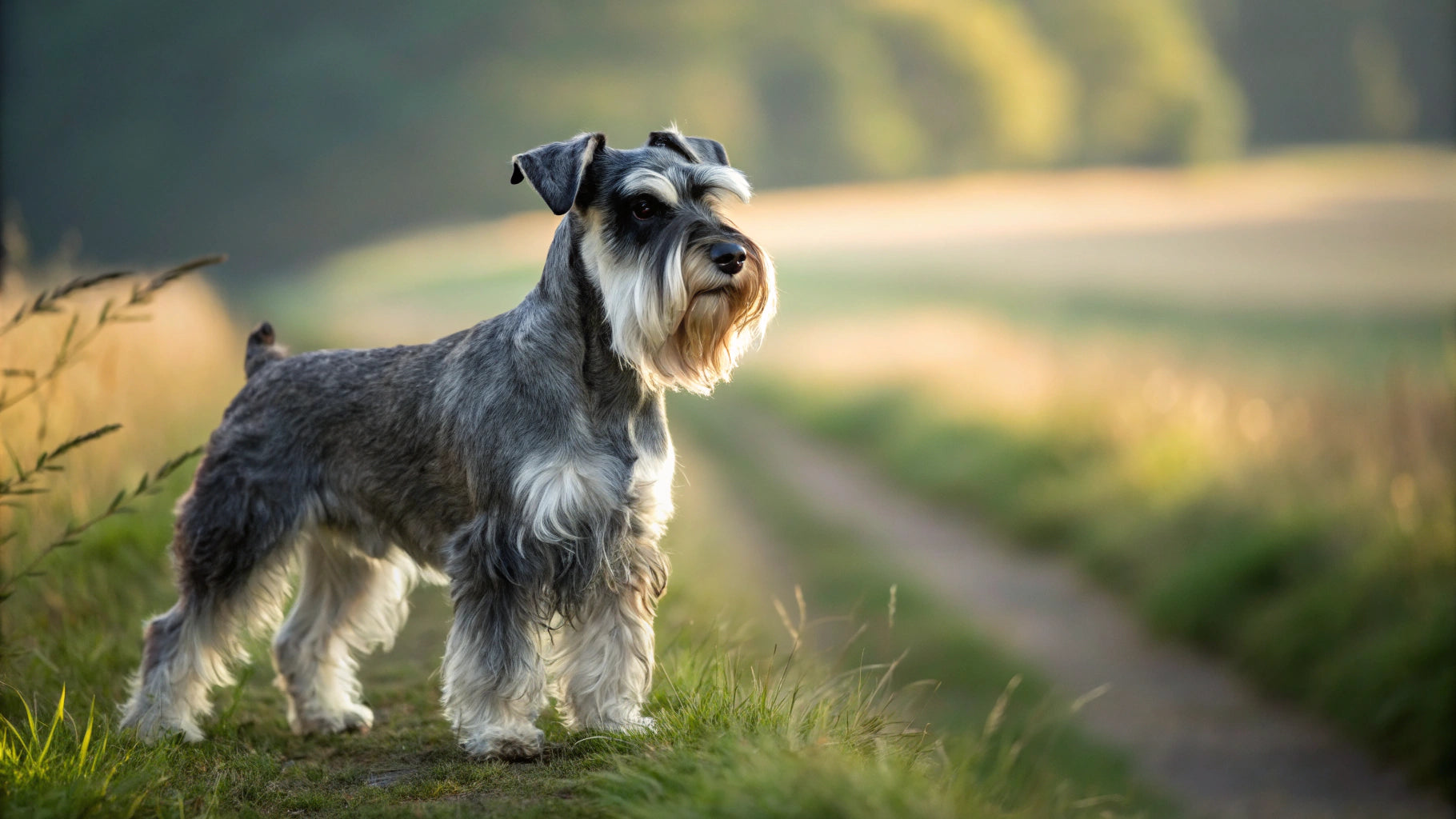
Standard Schnauzers have a striking look that’s hard to miss. Their square-shaped build, bushy eyebrows, and iconic beard give them a unique presence. The breed’s coat is wiry and dense, providing protection from harsh weather and dirt.
Height And Weight
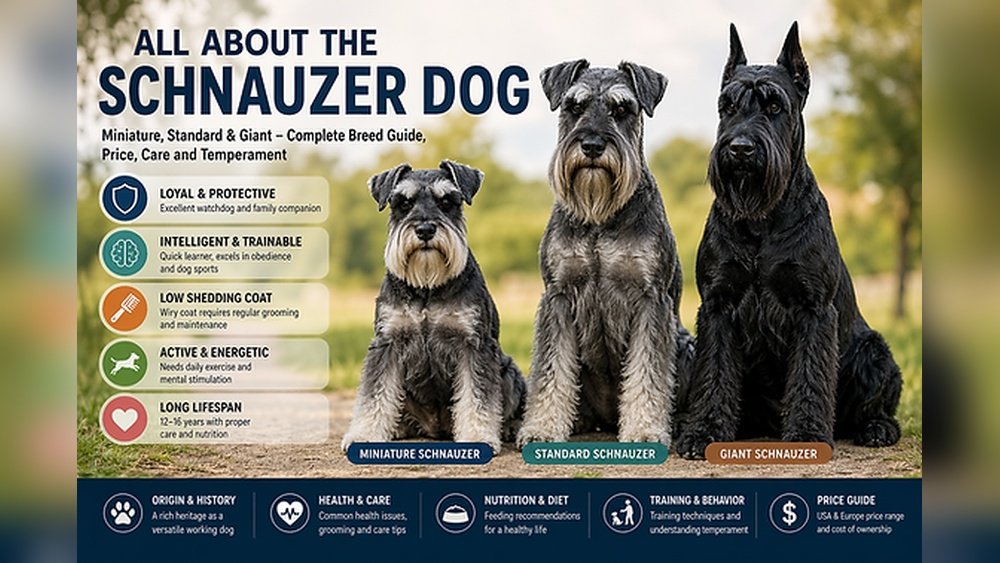
Standard Schnauzers are a medium-sized breed. Here’s a quick comparison:
| Breed | Height (inches) | Weight (lbs) |
|---|---|---|
| Standard Schnauzer | 17.5–19.5 | 30–50 |
| Miniature Schnauzer | 12–14 | 11–20 |
| Giant Schnauzer | 23.5–27.5 | 60–85 |
Most Standard Schnauzers stand between 17.5 and 19.5 inches tall at the shoulder. Their weight usually falls between 30 and 50 pounds. Males are often larger and heavier than females.
Coat And Color
Their double coat is rough and wiry on the outside, with a softer undercoat beneath. Standard Schnauzers come in two main colors:
- Salt and pepper (a mix of gray, black, and white)
- Solid black
The salt and pepper pattern is the most common, giving the breed a “peppered” look. Their fur is not only beautiful but also practical. It helps protect them from cold and wet weather.
Distinctive Features
- Bushy eyebrows and a prominent beard
- Ears: Typically high-set; sometimes cropped, but more often left natural
- Tail: Usually docked in the US, but natural tails are becoming more popular
One thing many people don’t realize: Their coat is low-shedding. This doesn’t mean no maintenance, but it’s good for people with mild allergies.
Temperament And Personality
The Standard Schnauzer is one of the most intelligent and alert breeds in the dog world. They love challenges and need plenty of mental stimulation. Their personality is a blend of playfulness, loyalty, and protectiveness.
Key Temperament Traits
- Loyal and devoted: They bond deeply with their family. You can expect a Standard Schnauzer to be a constant companion.
- Guarding instinct: They’re natural watchdogs. If someone approaches your house, they’ll let you know.
- Playful and energetic: Standard Schnauzers love to play, run, and explore. They need an outlet for their energy.
- Independent thinker: Their intelligence means they sometimes try to outsmart their owners. Training must be consistent.
Good With Children And Other Pets?
Standard Schnauzers are usually good with children. Their playful nature makes them fun for kids, but their high energy means supervision is important. They can be wary of strangers, so early socialization is key.
With other pets, Schnauzers can do well if introduced properly. They have a strong prey drive (from their rat-catching past), so small animals like hamsters or rabbits may not be safe. However, with dogs and cats, they can become friendly companions—especially if raised together.
Common Behavioral Patterns
- Barking: Schnauzers love to “talk.” They bark to alert you or express excitement.
- Chewing and digging: If bored, they may chew furniture or dig in the yard.
- Stubbornness: They can be headstrong, so patience is needed during training.
One insight many owners miss: Standard Schnauzers need a “job.” Even simple tasks like fetching the newspaper or learning new tricks can satisfy their need for purpose.
Exercise And Activity Needs
Standard Schnauzers have high energy levels. Without enough exercise, they can become frustrated or destructive. A daily routine that mixes physical and mental activities is best.
How Much Exercise Is Enough?
Most Standard Schnauzers need at least 60–90 minutes of exercise every day. This can include:
- Walks: Two brisk walks a day
- Playtime: Fetch, tug-of-war, or agility training
- Mental games: Puzzle toys, scent games, or obedience drills
If you live in an apartment, extra indoor play is important. If you have a yard, let them run and explore—but always supervise.
Best Activities For Standard Schnauzers
Some activities are especially good for this breed:
- Agility courses: Schnauzers excel at agility. It challenges their mind and body.
- Obedience training: Their intelligence shines in structured classes.
- Hiking: They enjoy new environments and smells.
- Dog sports: Rally, flyball, and even tracking are enjoyable.
One overlooked tip: Mental exercise is just as important as physical. A tired mind can prevent unwanted behaviors, so use puzzle toys and training games often.
Credit: www.houndsy.com
Training Your Standard Schnauzer
Training a Standard Schnauzer is both rewarding and challenging. Their intelligence makes them quick learners, but their independence means you need a firm, patient approach.
Key Principles For Effective Training
- Consistency: Use the same commands and routines every day.
- Positive reinforcement: Reward good behavior with treats, praise, or play.
- Early socialization: Introduce your Schnauzer to new people, places, and animals early on.
- Patience: Don’t rush. Schnauzers can be stubborn at times.
Common Training Mistakes
- Inconsistent rules: Changing rules confuses your dog.
- Harsh punishment: Standard Schnauzers respond poorly to yelling or physical discipline.
- Skipping socialization: Without exposure, they may become fearful or aggressive.
Practical Training Example
If you want your Schnauzer to stop barking at strangers, teach them the “quiet” command. Start by letting them bark once, then say “quiet” in a calm voice. When they stop, reward them. Repeat daily for best results.
Many owners miss this: Schnauzers love learning tricks. Teaching fun tricks, like “spin” or “high five,” not only entertains but also strengthens your bond.
Grooming And Coat Care
Standard Schnauzers have a unique coat that needs regular care. Their wiry fur doesn’t shed much, but it can become tangled or matted if ignored.
Grooming Schedule
- Brushing: 2–3 times a week with a slicker brush
- Stripping: Hand-stripping (removing dead hairs) every few months
- Bathing: Every 4–6 weeks, or when dirty
- Trimming: Beard and eyebrows need regular trimming
Professional grooming is helpful, especially for first-time owners. Many choose to visit a groomer every 2–3 months.
Coat Maintenance Tips
- Use a detangling spray before brushing for easier grooming.
- Always check for mats behind the ears and under the beard.
- Keep the eyes and ears clean; Schnauzers can get debris stuck in these areas.
One practical tip: Start grooming early. Puppies that experience brushing and trimming from a young age grow up to enjoy the process, making life easier for everyone.

Credit: www.vetsaglik.com
Diet And Nutrition
Feeding your Standard Schnauzer the right food is key to their health and happiness. Their energy levels require a balanced diet with quality proteins, healthy fats, and essential vitamins.
Recommended Daily Intake
Most adult Standard Schnauzers need 1.5–2 cups of high-quality dry food per day, split into two meals. Adjust based on activity level, age, and health.
Nutritional Requirements
- Protein: Look for foods with at least 20% protein content.
- Fat: Healthy fats (like chicken fat or fish oil) support their coat and energy.
- Carbohydrates: Whole grains, sweet potatoes, or brown rice for steady energy.
Foods To Avoid
- Human snacks: Avoid chocolate, onions, grapes, and fatty meats.
- Low-quality dog food: Cheap brands often use fillers and artificial additives.
Feeding Table
Here’s a quick overview of feeding guidelines:
| Life Stage | Food Amount (cups/day) | Protein (%) | Fat (%) |
|---|---|---|---|
| Puppy | 1–1.5 | 22–26 | 8–12 |
| Adult | 1.5–2 | 20–24 | 8–10 |
| Senior | 1–1.5 | 18–22 | 6–8 |
Many owners miss this: Standard Schnauzers can be prone to food allergies. If you notice itching, ear infections, or digestive issues, try switching to a grain-free or limited ingredient diet.
Health And Common Issues
Standard Schnauzers are generally healthy, but like any breed, they have some risks. Their average life span is 12–15 years. Regular vet visits and good care can help your Schnauzer live a long, happy life.
Common Health Problems
- Hip dysplasia: Joint issue, more common in older dogs
- Eye problems: Cataracts and progressive retinal atrophy (PRA)
- Skin allergies: Itching and discomfort, often caused by food or environment
- Bladder stones: Schnauzers are more prone to urinary problems
Preventive Care
- Annual vet checks: Catch health issues early
- Vaccinations: Keep up with core shots (rabies, distemper, parvo)
- Dental care: Brush teeth or use dental chews to prevent gum disease
- Regular exercise: Helps keep joints and muscles strong
Health Comparison Table
| Health Issue | Frequency in Standard Schnauzers | Prevention |
|---|---|---|
| Hip Dysplasia | Moderate | Maintain healthy weight, regular exercise |
| Eye Problems | Moderate | Annual eye exams, proper diet |
| Skin Allergies | Common | High-quality diet, avoid triggers |
| Bladder Stones | Moderate | Regular vet checks, proper hydration |
One overlooked fact: Schnauzers can be sensitive to anesthesia. Always tell your vet about this before any procedure.
Living Environment: Is A Standard Schnauzer Right For You?
Before adopting a Standard Schnauzer, consider your lifestyle and living space. This breed adapts well, but needs specific conditions to thrive.
Apartment Vs. House
Standard Schnauzers can live in apartments if you provide daily exercise. However, a house with a yard is ideal. They love to run, explore, and play outside.
Family Suitability
They’re great for families with older children who understand boundaries. Younger kids should be supervised, as Schnauzers can be excitable.
Time Commitment
Owning a Standard Schnauzer means spending time on:
- Exercise: Daily walks and play
- Training: Consistent routines
- Grooming: Regular brushing and trimming
If you travel often or have little free time, this breed may not be the best fit.
Common Mistakes
- Underestimating exercise needs: Lack of activity leads to behavioral problems.
- Ignoring grooming: Their coat needs regular care.
- Skipping training: Schnauzers need guidance to become well-behaved pets.
Socialization And Interaction
Socialization is key for Standard Schnauzers. Without it, they can become shy or overly protective.
Early Socialization
Expose your puppy to different people, places, and sounds. Take them to the park, introduce them to neighbors, and let them meet other dogs.
Adult Socialization
Even adult Schnauzers benefit from new experiences. Dog classes, group walks, and visits to pet-friendly stores help keep their minds active.
Signs Of Good Socialization
- Friendly toward strangers
- Calm in new situations
- Plays well with other dogs
One insight: Socialization is not just for puppies. Adult Schnauzers can “catch up” if you missed early training, but it takes patience.
Choosing A Standard Schnauzer: Breeder, Rescue, Or Adoption
Finding your Schnauzer is an important step. You can buy from a breeder, adopt from a rescue, or look at local shelters.
Reputable Breeders
Choose breeders who:
- Provide health certificates
- Let you meet the parents
- Ask you questions about your lifestyle
Avoid breeders who sell puppies online without meeting you or providing health records.
Rescue Organizations
Many Schnauzers are available for adoption. Rescue dogs may be older, but they often make great companions.
- Ask about the dog’s history
- Make sure they’ve been health-checked
Adoption Tips
- Visit the dog several times before deciding
- Ask about temperament and health
- Prepare your home before bringing your Schnauzer home
One practical tip: Older rescue Schnauzers can be easier to train than puppies. They often have basic obedience and are calmer.
Traveling With Your Standard Schnauzer
If you like to travel, the Standard Schnauzer can be a good companion. They adapt well to new environments, but some planning is needed.
Tips For Safe Travel
- Use a crate or seat belt harness in the car
- Bring food, water, and favorite toys
- Make frequent stops for exercise and bathroom breaks
Flying With Your Schnauzer
- Check airline rules for pet travel
- Use an approved carrier
- Visit the vet before flying
Hotel Stays
Many hotels are pet-friendly, but always ask first. Bring your dog’s bed and familiar items to help them settle.
One insight: Schnauzers can handle travel well, but new sounds and smells may make them nervous. Start with short trips to build confidence.
Cost Of Ownership
Owning a Standard Schnauzer involves costs beyond the initial price. Plan your budget before adopting.
Key Expenses
- Purchase or adoption fee: $500–$2,000 from breeders; $150–$400 from rescues
- Food: $40–$60 per month for quality dog food
- Vet care: $200–$400 per year for check-ups and vaccines
- Grooming: $50–$100 per session, 4–6 times a year
- Training: Classes cost $100–$200 per course
Unexpected Costs
- Emergency vet visits
- Replacement of chewed items
- Travel expenses
One overlooked cost: Professional grooming. Even if you plan to groom at home, you may need expert help at least once a year.
Activities And Fun With Your Schnauzer
Standard Schnauzers love variety. Keep them happy with new activities and challenges.
Creative Activities
- Hide and seek: Hide treats or toys for your Schnauzer to find
- Dog puzzles: Use toys that challenge their mind
- Group walks: Join dog walking groups for socialization
Dog Sports
Schnauzers excel at:
- Agility
- Rally obedience
- Tracking
These sports help burn energy and strengthen your bond.
At Home
Teach tricks, play fetch, or set up obstacle courses. Involve your dog in daily routines—Schnauzers love “helping. ”
One insight: Schnauzers can learn advanced tricks, like picking up items or ringing a bell to go outside. Challenge them often—they enjoy learning.

Credit: www.amazon.com
Frequently Asked Questions
How Long Do Standard Schnauzers Live?
Standard Schnauzers live 12–15 years on average. Good diet, exercise, and regular vet care can extend their life.
Are Standard Schnauzers Hypoallergenic?
They are low-shedding and produce less dander than many breeds. While not fully hypoallergenic, they’re a good option for people with mild allergies.
Do Standard Schnauzers Get Along With Cats?
With early socialization, Standard Schnauzers can live peacefully with cats. Always supervise initial meetings and be patient.
How Much Grooming Does A Standard Schnauzer Need?
They need regular brushing (2–3 times a week), hand-stripping every few months, and professional grooming every 2–3 months. This keeps their coat healthy and prevents mats.
Are Standard Schnauzers Good For First-time Dog Owners?
They’re intelligent and loyal but require consistent training and daily exercise. If you’re willing to invest time, they can be a rewarding choice for first-time owners.
Owning a Standard Schnauzer is a commitment, but it’s also a joy. Their intelligence, energy, and loyalty make them wonderful companions for the right family. If you’re ready for daily activity, ongoing training, and plenty of fun, the Standard Schnauzer could be your ideal dog. For more breed information, visit the Standard Schnauzer Wikipedia page. Remember, every Schnauzer is unique—take the time to understand their needs, and you’ll enjoy a lifetime of companionship.

We’re the dedicated team behind MyPawSafe.com, with over a decade of combined experience in veterinary care, pet emergency response, and animal behavior. While we prefer to let our work speak for itself, our mission is clear: to provide science-backed, vet-approved advice that helps pet owners prevent accidents and save lives.