
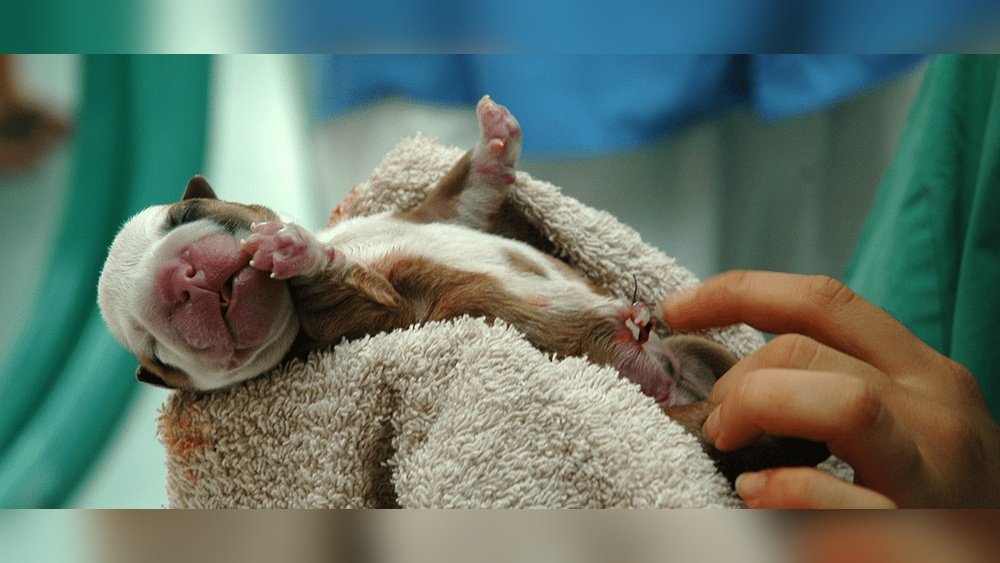
Bringing new puppies into the world is an exciting moment for any dog owner. But dog births, known as whelping, can sometimes turn difficult. Most dogs deliver without problems, but there are cases where things go wrong, and your dog needs urgent help from a veterinarian. Knowing the signs of a tough birth is essential for the safety of both the mother and her puppies. Many owners, especially those experiencing their first litter, miss key warning signals. This guide will help you recognize the symptoms of a difficult dog birth, understand why they matter, and know when to call your vet. Whether you are preparing for your dog’s delivery or already in the middle of it, this information can make a real difference.
What Is A Difficult Dog Birth?
A difficult dog birth, also called dystocia, means the dog is having trouble delivering puppies. Dystocia can be caused by many things: physical problems, weak contractions, oversized puppies, or even stress. Some breeds, like bulldogs and Chihuahuas, are more likely to experience trouble due to their body shape. Older dogs, very young dogs, or dogs with previous birth problems are also at higher risk.
Experts estimate that about 5%–10% of dog births need veterinary help. The risks are higher in breeds with large heads or narrow hips. Most dog owners are not trained to spot early warning signs, so delays happen. Quick action is critical for the health of both the mother and her puppies.
Main Signs Your Dog Needs A Vet During Birth
Recognizing the signs of a complicated birth can save lives. Here are the most important warning signals that your dog needs a vet:
- Prolonged labor: If your dog has strong contractions for more than 30 minutes without delivering a puppy, or if she’s been in labor for more than 2 hours with no puppy born, this is a danger sign.
- Weak or absent contractions: If your dog seems exhausted, stops contracting, or has weak contractions for over 2 hours without progress, call your vet.
- Green, foul-smelling, or bloody discharge: Normal discharge is clear or slightly bloody. A green or foul odor usually means a puppy is stuck or the placenta has separated. Heavy bleeding can signal internal injury.
- Extreme pain or distress: Dogs in normal labor are uncomfortable, but excessive crying, biting themselves, or frantic movement is not normal.
- Puppy stuck in the birth canal: If you can see a puppy stuck for more than 10–15 minutes and the mother cannot deliver it, veterinary help is needed.
- Long gaps between puppies: If more than 2 hours pass between puppies, especially if you know more are coming, this is a concern.
- Visible puppy parts but no progress: If you see a tail, leg, or head sticking out and the mother cannot deliver, intervention is necessary.
- Signs of shock in the mother: Pale gums, rapid heart rate, cold extremities, or collapse.
- Excessive vomiting or diarrhea: This can be a sign of infection or stress.
- High fever: If your dog’s temperature is above 103°F (39.5°C) during labor.
- Failure to start labor after due date: If your dog’s pregnancy goes past 65 days and labor does not start, you need advice.
- Known health issues or previous difficult births: If your dog has a history of difficult births, always be cautious and consult your vet early.

Credit: www.thunderbayvet.com
Detailed Symptoms Explained
Let’s look deeper into each warning sign so you understand what to watch for and why it matters.
Prolonged Labor
Normal labor in dogs has three stages: early labor, active labor, and delivery. Most dogs deliver puppies within 6–12 hours. If your dog is pushing hard but nothing happens for 30 minutes or if early labor lasts over 12 hours without progress, this is abnormal. Puppies can suffer from lack of oxygen, and the mother can become exhausted or develop infections.
Weak Or Absent Contractions
Contractions push puppies out. If they stop, the birth stalls. Causes include low calcium (common in small breeds), exhaustion, or hormone problems. Weak contractions for more than 2 hours means puppies are not moving, and both mother and babies are at risk.
Green, Foul-smelling, Or Bloody Discharge
A green discharge often means the placenta has detached, and the puppy is in danger. Foul smells point to infection. Heavy bleeding can signal uterine rupture or tearing. Normal discharge is clear, pink, or a small amount of blood.
Extreme Pain Or Distress
Labor is uncomfortable, but dogs usually stay calm between contractions. If your dog is yelping loudly, biting her flanks, acting frantic, or seems panicked, something is wrong. Pain can mean a puppy is stuck, the uterus is torn, or another emergency.
Puppy Stuck In The Birth Canal
If you see a puppy halfway out but no progress after 15 minutes, do not wait longer. Trying to pull the puppy can injure both mother and pup. Some puppies are too big, or they are in the wrong position. Veterinary help is needed to avoid permanent injury.
Long Gaps Between Puppies
Most dogs deliver all puppies within 6–12 hours. Short breaks between puppies are normal, but more than 2 hours with no puppy can mean trouble. The uterus may be tired, or a puppy may block the birth canal.
Visible Puppy Parts But No Progress
If you see a leg or tail but nothing moves for 15 minutes, this is a sign of malpresentation (wrong position). Puppies may be coming backward or sideways, making delivery impossible without help.
Signs Of Shock In The Mother
Shock is life-threatening. Look for pale gums, rapid breathing, weak pulse, cold paws, or collapse. Shock can be caused by blood loss, pain, or infection. Immediate vet care is crucial.
Excessive Vomiting Or Diarrhea
While mild nausea is normal, severe vomiting or diarrhea can be signs of infection, stress, or internal problems. Dehydration and weakness can follow quickly.
High Fever
A temperature above 103°F (39.5°C) is a sign of infection or inflammation. It can also mean the uterus is infected (pyometra), which needs urgent treatment.
Failure To Start Labor After Due Date
A dog’s pregnancy lasts about 63 days. If your dog goes past 65 days without signs of labor (nesting, restlessness, contractions), puppies may be in distress or dead. Veterinary checks will ensure safety.
Known Health Issues Or Previous Difficult Births
Dogs with past problems, or known issues like diabetes, heart disease, or abnormal pelvis, are high-risk. Always involve your vet early if your dog has a difficult history.
Common Causes Of Difficult Dog Births
Understanding why dog births become difficult helps you prevent problems and react quickly.
Breed And Size
Some breeds are more likely to have trouble. For example, bulldogs, Boston terriers, and Chihuahuas often have puppies with large heads, making delivery tough. Large breeds can have more puppies, but small breeds may struggle due to tiny birth canals.
Puppy Position And Size
If puppies are too big or positioned wrong (backwards, sideways, or head turned), they cannot pass through the birth canal. Malpresentation is a frequent cause of dystocia.
Maternal Age And Health
Older dogs, very young dogs, or dogs with health problems are more likely to have trouble. Weak muscles, low calcium, or hormone issues can affect contractions.
Uterine Problems
Conditions like uterine inertia (weak uterus), infection, or rupture can block labor. Sometimes the uterus is too tired to push puppies out.
Stress And Environment
A noisy or stressful environment can delay labor. Some dogs will not deliver if they feel unsafe or disturbed.

Credit: www.switzerveterinaryclinic.com
Comparison: Normal Vs. Difficult Dog Birth
To help you understand the differences, here is a side-by-side view:
| Normal Dog Birth | Difficult Dog Birth |
|---|---|
| Contractions every 10–30 minutes | Contractions but no progress for 30+ minutes |
| Clear/pink discharge | Green/foul-smelling discharge |
| Puppies delivered within 6–12 hours | Labor lasts over 12 hours |
| Mother calm between contractions | Mother distressed, crying, or biting herself |
| Short gaps (30–60 minutes) between puppies | Long gaps (2+ hours) between puppies |
What To Do If You See Signs Of A Difficult Birth
If you notice any warning signals, act quickly:
- Stay calm: Your dog senses your stress, so remain quiet and gentle.
- Do not attempt forceful delivery: Pulling or forcing puppies can cause injury.
- Call your veterinarian immediately: Describe symptoms, time since labor started, and what you see.
- Keep your dog comfortable: Provide a clean, warm, quiet place. Do not move her unless your vet advises.
- Prepare for transport: If your vet says to bring your dog in, use a sturdy box or blanket to carry her gently.
Remember, some problems cannot be fixed at home. Waiting too long puts puppies and mother at risk.
How Vets Diagnose And Treat Difficult Dog Births
Veterinarians use several tools and tests to diagnose and manage dystocia:
Examination And History
Your vet will check your dog’s vital signs, ask about the timing, and examine the birth canal. They may use gloves to feel for puppies and assess the mother’s strength.
Imaging
X-rays or ultrasound help see the number, position, and size of puppies. They also detect malpresentation or dead puppies.
Blood Tests
Blood tests check for calcium levels, infection, or hormone problems.
Medication
Your vet may give oxytocin to strengthen contractions or calcium if levels are low. Only a vet should give these drugs; giving them at home without guidance can be dangerous.
Assisted Delivery
If puppies are stuck, the vet may gently guide them out or reposition them. In some cases, a cesarean section (C-section) is needed.
Post-birth Care
After delivery, the vet checks for retained placentas, infection, or injuries. The mother and puppies may need fluids, antibiotics, or warming.
When To Expect A C-section
Some dog births need a surgical solution. Here are situations when a C-section is likely:
- Puppy too large for the birth canal
- Malpresentation that cannot be corrected
- Exhausted mother unable to deliver
- Dead puppy blocking the canal
- Multiple puppies stuck
- Previous C-section deliveries
C-sections are safe when done by an experienced vet, and often save lives.
Prevention: How To Reduce The Risk Of Difficult Births
There are steps you can take to help your dog deliver safely:
Choose The Right Mating Pair
Avoid mating dogs with big size differences, or breeds known for birth problems. Ask your vet for guidance.
Monitor The Pregnancy
Keep track of the expected due date, and watch for signs of trouble. An ultrasound near the end helps know how many puppies to expect.
Provide Proper Nutrition
Pregnant dogs need high-quality food rich in protein and calcium. Deficiencies can cause weak contractions or low energy.
Prepare A Safe Environment
Quiet, clean, warm spaces help your dog relax. Avoid loud noises or too many visitors.
Regular Vet Checks
Have your vet check your dog during pregnancy, especially if she is high-risk. Early detection of problems means better outcomes.
Table: Breed Risk For Difficult Births
Some breeds are much more likely to have trouble. Here’s a quick guide:
| Breed | Risk Level | Main Reason |
|---|---|---|
| Bulldog | High | Large head, narrow hips |
| Boston Terrier | High | Short muzzle, big puppies |
| Chihuahua | Medium | Small birth canal |
| German Shepherd | Low | Strong muscles, larger size |
| Pug | Medium | Short muzzle, small pelvis |
Two Non-obvious Insights Owners Often Miss
1. Subtle Signs May Appear Early
Not all difficult births show clear signs right away. Some dogs show only mild restlessness, slight discomfort, or a small amount of green discharge. Many owners wait for dramatic symptoms, but early intervention is safer. If something feels “off,” trust your instincts and call your vet.
2. Puppy Movement Stops Before Trouble
During pregnancy, you may feel puppies moving inside your dog. If movement stops suddenly in late pregnancy, it can mean puppies are in distress or dead. This is a rarely discussed warning signal and should prompt a vet visit.
Case Example: Bulldog With Dystocia
Mrs. Lee’s bulldog, Daisy, started labor at 10 p. m. She had strong contractions but no puppy after 45 minutes. Mrs. Lee noticed Daisy was panting heavily and biting her flanks. A green discharge appeared. Mrs. Lee called her vet, who advised immediate transport.
At the clinic, X-rays showed a large puppy stuck. Daisy needed a C-section. Thanks to quick action, Daisy and her puppies survived.
Cost And Risks Of Delaying Veterinary Care
Waiting too long can be expensive and dangerous. Emergency C-sections cost $500–$2,000 in the US, depending on location and complexity. Puppies stuck for hours often die or suffer brain damage. Mothers can develop infections, bleeding, or even die. Quick action saves money, lives, and heartbreak.
Table: What Happens If You Wait Too Long
| Delay Time | Possible Outcomes |
|---|---|
| 0–1 hour | Puppies likely survive, mother recovers quickly |
| 1–3 hours | Some puppies may die, mother at risk of infection |
| 3–6 hours | High risk of puppy death, mother may need intensive care |
| 6+ hours | Puppies and mother at risk of death, expensive emergency treatment |

Credit: evcc.com
How To Prepare For Dog Birth At Home
If your dog is pregnant, here are steps to prepare:
- Know the due date: Mark it on your calendar.
- Set up a whelping box: Use clean towels, puppy pads, and a safe space.
- Gather emergency contacts: Keep your vet’s number handy.
- Learn normal labor signs: Understand what’s normal and what’s not.
- Have a thermometer: Monitor your dog’s temperature.
- Watch for warning signs: Review the list above.
After The Birth: Check For Hidden Problems
Even after all puppies are delivered, problems can appear:
- Retained placenta: If the placenta stays inside, infection can develop.
- Excessive bleeding: More than a cup of blood is abnormal.
- Mother not caring for puppies: Weakness, pain, or infection can prevent mothering.
- Puppies not breathing: Immediate vet help may save lives.
When Not To Wait: Absolute Emergency Signs
Some signs mean you should not wait even a minute:
- Collapse or unconsciousness
- Heavy, unstoppable bleeding
- Puppy stuck with visible distress
- Mother not breathing or having seizures
In these cases, rush to the nearest emergency vet.
Finding A Reliable Veterinarian
Not all vets specialize in dog births. If you have a high-risk breed or past problems, ask your vet about their experience. Look for clinics with 24-hour emergency care and advanced imaging. For more information, visit AVMA Dog Breeding & Whelping Guide.
Frequently Asked Questions
What Is The Most Common Cause Of Difficult Dog Births?
The most frequent cause is puppy malpresentation—puppies are positioned wrong in the birth canal. Other common reasons include weak uterine contractions and oversized puppies, especially in small breeds.
How Long Should I Wait Between Puppies Before Calling A Vet?
If more than 2 hours pass between puppies, and you know more are coming, call your vet. For first-time mothers or high-risk breeds, call after 1 hour.
Can I Help My Dog Deliver Puppies At Home?
You can assist by keeping your dog calm, clean, and comfortable. But never try to pull puppies or use force. Home help is limited; call your vet if signs of trouble appear.
What Breeds Need C-sections Most Often?
Bulldogs, Boston terriers, and Chihuahuas are the top breeds needing C-sections due to body shape and large puppy heads. Always plan ahead if your dog is one of these breeds.
What Should I Do If A Puppy Is Stuck?
If you see a puppy stuck for more than 15 minutes, call your vet urgently. Do not try to pull; improper handling can cause injury or death to both mother and puppy.
Dog births are unpredictable, but knowledge is your best tool. By watching for warning signs, preparing in advance, and acting quickly, you can help your dog and her puppies stay safe. If you notice any symptoms of a difficult dog birth, do not hesitate—contact your vet.
Quick action saves lives and prevents heartbreak. Whether you are a first-time dog owner or an experienced breeder, always put safety first.

We’re the dedicated team behind MyPawSafe.com, with over a decade of combined experience in veterinary care, pet emergency response, and animal behavior. While we prefer to let our work speak for itself, our mission is clear: to provide science-backed, vet-approved advice that helps pet owners prevent accidents and save lives.