
The Australian Kelpie is a breed that stands out for its sharp mind, high energy, and unwavering loyalty. With roots tracing back to the rugged Australian outback, the Kelpie was bred for one purpose: to work. Today, this medium-sized herding dog is not only a backbone of Australian sheep farming but also a popular companion worldwide. If you’re considering adding an Australian Kelpie to your home, or simply want to know more about their temperament, size, and care needs, this complete guide will help you understand what makes this breed so special—and what you should expect if you welcome one into your life.
History And Origins Of The Australian Kelpie
The Australian Kelpie’s story begins in the late 19th century. Early settlers in Australia needed a tough, clever dog that could handle vast, harsh landscapes and huge flocks of sheep. By crossing British working collies with a dash of dingo—the wild Australian dog—the result was the Kelpie: a breed built for stamina, intelligence, and independence.
The name “Kelpie” comes from a legendary water spirit in Scottish folklore, but the breed’s reputation is anything but mythical. Kelpies quickly proved themselves, working tirelessly under the hot sun and dusty wind. Their legacy continues today, as they’re still prized on farms and increasingly appreciated as family dogs and canine athletes.
Physical Characteristics And Size
The Australian Kelpie’s appearance is shaped by function. Every part of its body is designed for agility, speed, and endurance.
Height And Weight
Most Kelpies stand 17 to 20 inches tall at the shoulder. Their weight varies between 25 to 45 pounds, with males typically on the heavier, taller end and females slightly smaller.
| Sex | Height (inches) | Weight (pounds) |
|---|---|---|
| Male | 18-20 | 35-45 |
| Female | 17-19 | 25-40 |
Body Structure
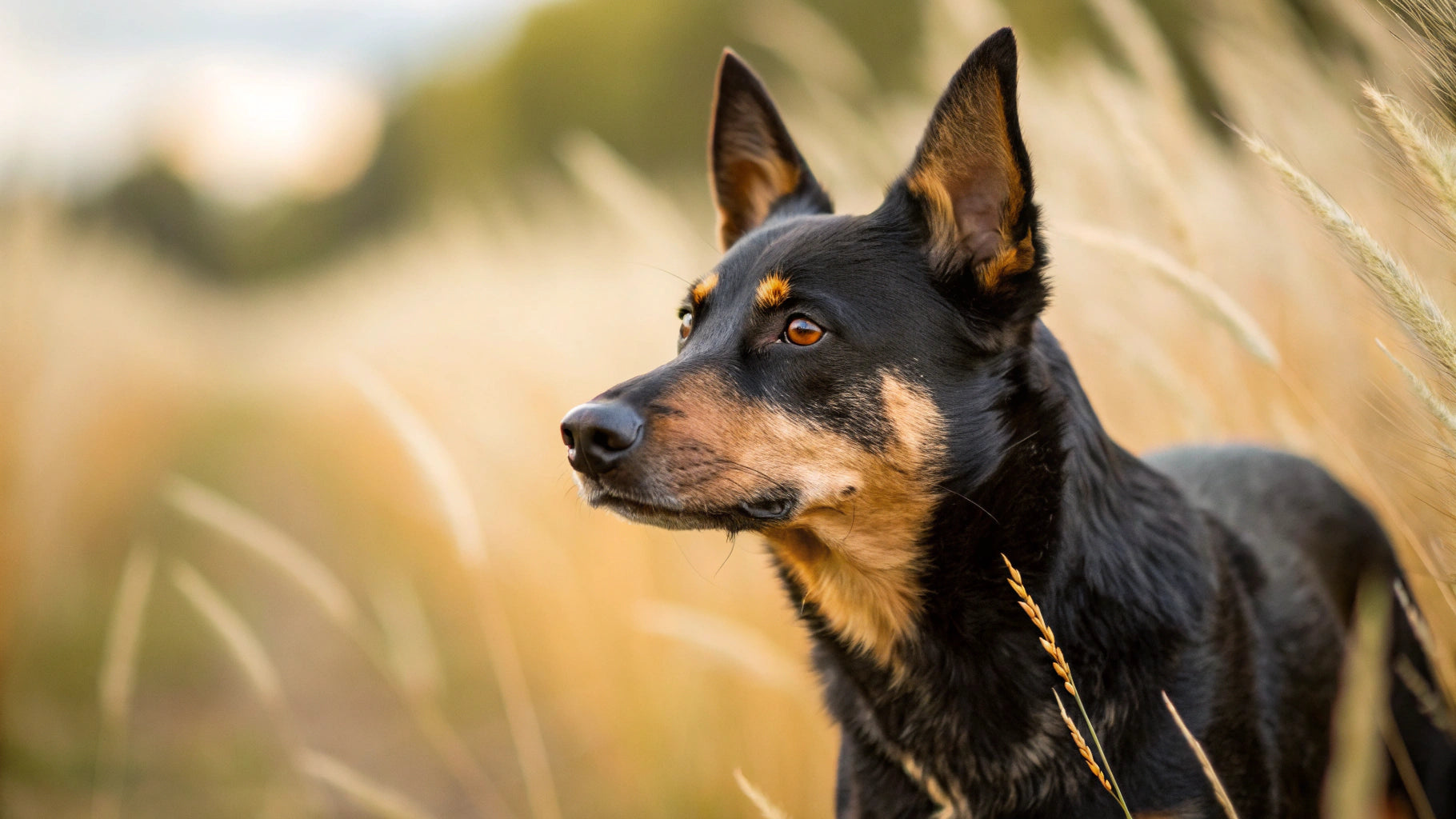
The Kelpie is well-muscled but not bulky. Its frame is lean, with a deep chest and a straight, strong back. The legs are long enough for speed, yet sturdy for quick turns and jumps. Ears are usually upright, giving the dog an alert and intelligent look.
Coat And Colors
Kelpies have a double coat: a short, dense undercoat and a weather-resistant outer coat. This protects them from sun, rain, and cold. Common colors include black, chocolate, red, fawn, blue, and combinations like black and tan or red and tan.
A unique feature: The “Working Kelpie” (bred mainly for farm work) can look a bit different from the “Show Kelpie” (bred for conformation shows), with working types sometimes having rougher coats or slightly different shapes due to their focus on performance over appearance.
Temperament And Personality
The heart of the Australian Kelpie is its working drive. This breed’s mind is always active, and its loyalty to its people is deep.
Intelligence And Trainability
Kelpies are among the most intelligent dog breeds in the world. They learn quickly, often picking up new commands after just a few repetitions. But intelligence can be a double-edged sword: without enough mental stimulation, Kelpies invent their own games, which can mean mischief or even destructive behavior.
They thrive in environments where they have a job to do. Whether herding livestock, running agility courses, or learning new tricks, Kelpies want to be busy and involved. Training must be consistent and positive—harsh methods can make them anxious or stubborn.
Energy Level
If you’re looking for a couch potato, the Kelpie is not for you. This breed has very high energy needs. A daily walk is not enough; Kelpies need real exercise, like running, playing fetch, or structured activities. They excel in canine sports such as agility, flyball, or herding trials.
Social Traits
With their families, Kelpies are deeply loyal and usually affectionate. They tend to bond closely with one or two people but can be friendly with all household members. They are alert watchdogs, quick to notice anything unusual.
With strangers, Kelpies are often reserved but not aggressive. Early socialization helps them feel confident in new situations and with new people.
Compatibility With Children And Other Pets
Kelpies can be excellent family dogs, especially if raised with children. They’re playful and patient, but their herding instinct means they might try to “herd” running kids by nipping at heels—a behavior that must be gently corrected.
With other dogs, Kelpies are usually sociable if well socialized. Their strong prey drive means they may chase small animals, so supervision is important with pets like cats or rabbits.
Unique Insights
A surprising trait: Many Kelpies can “read” their owner’s emotions. They’re highly attuned to body language and can sense stress or excitement, adjusting their behavior to match.
Another insight: Kelpies are problem-solvers. If they want something—like a treat on a high shelf—they may try creative solutions, such as climbing or opening cupboards. Proper training and “Kelpie-proofing” your home is smart.
Exercise And Activity Needs
Physical and mental exercise are not optional for this breed; they are necessities. Boredom can lead to digging, chewing, barking, or escaping.
Daily Exercise Requirements
Most Kelpies need at least 1-2 hours of vigorous activity each day. This might include:
- Off-leash running in a secure area
- Agility or obedience training
- Fetch or frisbee games
- Herding practice (if available)
Mixing activities is best. Kelpies enjoy variety and challenge. Repeating the same walk every day can make them restless.
Mental Stimulation
Mental exercise is as important as physical. Puzzle toys, scent games, and teaching new commands keep their minds sharp. Many Kelpie owners use “brain games” like hiding treats for the dog to find or teaching advanced tricks.
Living Space Considerations
Kelpies adapt best to homes with large yards or rural settings. Apartment life is possible, but only with a dedicated exercise routine. A bored Kelpie in a small space is a recipe for trouble.
Common Mistakes
Many first-time owners underestimate how much activity a Kelpie needs. Even a tired-looking Kelpie can often rally for more play. Skipping exercise can lead to behavior problems.
Another overlooked detail: Kelpies are skilled escape artists. Fences should be high and secure, as some Kelpies can jump or climb over 6-foot barriers.

Credit: www.petworks.com
Grooming And General Care
One reason for the Kelpie’s popularity is its low-maintenance grooming.
Coat Care
Their short double coat sheds moderately year-round, with heavier shedding in spring and fall. Weekly brushing removes dead hair and keeps the coat shiny. During shedding season, brushing 2-3 times per week can help manage fur.
Kelpies are naturally clean and have little “doggy odor. ” Bathing is only needed every few months, unless the dog gets especially dirty.
Nail, Ear, And Dental Care
- Nails: Trim every 3-4 weeks to prevent overgrowth and splitting.
- Ears: Check weekly for dirt or signs of infection. Clean gently as needed.
- Teeth: Brush several times per week with a dog-safe toothpaste to prevent tartar.
Other Hygiene Tips
Kelpies are prone to gathering burrs or grass seeds in their paws and coat, especially after outdoor play. Regular checks keep them comfortable.
Unique Insights
Unlike some breeds, Kelpies’ coats repel water and dirt well. However, their active lifestyle means they can get small cuts or scrapes—especially on rough terrain. Quick first aid and regular checks for injuries are wise.
Another tip: Many Kelpies dislike nail trimming at first. Early and positive introductions to grooming tools make the process easier.
Diet And Nutrition
A Kelpie’s diet should support its high energy and lean muscle.
Basic Diet Needs
Most adult Kelpies do well on high-quality commercial dog food (kibble or wet food) formulated for active breeds. Protein content should be moderate to high (around 25–30%).
Puppies, pregnant females, and working farm dogs may need more calories or specialized formulas.
Sample Feeding Plan
- Puppies (2-6 months): 3 meals per day
- Adults (6+ months): 2 meals per day
Avoid free-feeding (leaving food out all day), as Kelpies can become overweight if not exercised enough.
Treats And Supplements
Healthy treats like carrot slices or commercial training treats work well for rewards. Avoid human snacks—especially chocolate, grapes, or anything with xylitol.
Supplements (such as fish oil or glucosamine) are not usually necessary if you feed a complete diet, but may help older Kelpies with joint health.
Water
Always provide clean, fresh water—Kelpies can get dehydrated quickly, especially after hard exercise.
Common Mistakes
One thing many owners miss: Kelpies can be picky if switched between foods too often. Gradual transitions prevent stomach upset.
Another insight: Overfeeding can be a problem, especially for Kelpies who transition from farm to family life. Measure food portions carefully.
Health And Lifespan
The Australian Kelpie is a generally healthy breed, but no dog is without risks.
Average Lifespan
Kelpies often live 12 to 15 years, with many reaching their teens in good health.
Common Health Issues
Most Kelpies are robust, but a few genetic conditions occur:
- Hip dysplasia: Malformation of the hip joint, leading to arthritis.
- Progressive retinal atrophy (PRA): An eye disease causing vision loss.
- Collie eye anomaly: An inherited eye condition.
- Cryptorchidism: One or both testicles do not descend (in males).
Responsible breeders test for these issues and only breed healthy dogs.
Regular Vet Care
Annual checkups, vaccinations, and dental cleanings are important. Discuss preventive care with your vet, especially as your Kelpie ages.
Exercise And Injury
Because Kelpies are so active, they can injure themselves—sprains, scrapes, or paw pad cuts are not uncommon. Keep a basic first aid kit handy.
Unique Insights
A non-obvious health tip: Kelpies sometimes develop “workaholic” syndrome, pushing themselves too hard. Some dogs will continue running or working despite injury or heat. Owners must watch for signs of overexertion—panting, limping, or reluctance to move—and enforce rest when needed.
Another insight: Ear infections can be more common in Kelpies who swim often. Dry ears after water play to prevent problems.
Training An Australian Kelpie
Training a Kelpie is both a joy and a challenge. Their intelligence and sensitivity mean they respond quickly—but they can also outsmart the inexperienced owner.
Basic Obedience
Start training early—ideally from 8 weeks old. Key commands include:
- Sit, stay, come
- Leave it and drop it
- Walking on a loose leash
Kelpies are eager to please but get bored with endless repetition. Short, varied sessions work best.
Advanced Training
Most Kelpies excel in dog sports—agility, obedience trials, herding, or scent work. These activities channel their energy and build a strong bond with their handler.
Socialization
Expose your Kelpie to people, dogs, and different environments from puppyhood. This reduces shyness and boosts confidence.
Crate And House Training
Kelpies learn quickly but may protest if left alone too long. Crate training helps with housebreaking and gives your dog a safe place to relax.
Problem Behaviors
Common issues include:
- Nipping: Leftover herding instinct, especially with children.
- Chasing: Moving objects (bikes, cars, squirrels) can trigger pursuit.
- Barking: Kelpies alert their owners to everything; training a “quiet” command is helpful.
Unique Insights
One overlooked training tip: Kelpies often need more “off-switch” training than other breeds—learning to relax when not working. Teaching a “settle” command from a young age helps.
Another insight: Kelpies pick up on inconsistency. If one family member allows jumping up and another doesn’t, the dog will get confused. Consistent rules are essential.

Credit: www.greatpetcare.com
Is An Australian Kelpie Right For You?
Before bringing home a Kelpie, consider your lifestyle and expectations.
Ideal Owners
Kelpies do best with:
- Active singles, couples, or families who enjoy outdoor activities
- People with secure yards or access to open spaces
- Owners interested in dog sports, hiking, or farm work
- Individuals who have time for daily training and play
Less Suitable Situations
A Kelpie is not ideal for:
- People who are away from home most of the day
- Sedentary households
- Those seeking a low-energy, independent pet
Kelpies can adapt to new owners, but thrive with those who value time, training, and adventure.
Real-world Example
One Australian Kelpie named “Red” works on a sheep farm by day, then joins his family for evening runs and agility practice. His owner credits his happiness to “a job, a challenge, and lots of love. ”
Unique Insights
Many people expect Kelpies to “settle down” with age. While they may become calmer, most remain energetic into their senior years. Planning for lifelong activity is important.
Another important detail: Kelpies can be sensitive to loud noises or chaotic environments. Calm, confident leadership helps them feel secure.
Comparing Kelpies With Other Breeds
How does the Australian Kelpie stack up against similar breeds? Here’s a side-by-side look at the Kelpie, Border Collie, and Australian Cattle Dog.
| Breed | Size (inches/pounds) | Energy Level | Trainability | Best For |
|---|---|---|---|---|
| Australian Kelpie | 17-20 / 25-45 | Very High | Excellent | Active families, farms |
| Border Collie | 18-22 / 30-45 | Very High | Exceptional | Working homes, agility |
| Australian Cattle Dog | 17-20 / 35-50 | High | Very Good | Rural homes, herding |
Key differences: Kelpies are often more independent than Border Collies but less stubborn than Cattle Dogs. They’re excellent at adapting their working style to their owner’s needs.
Credit: www.houndsy.com
Finding And Adopting An Australian Kelpie
If you’ve decided the Kelpie is for you, the next step is finding a healthy, well-bred puppy or adult dog.
Responsible Breeders
Look for breeders who:
- Provide health clearances for parents
- Raise puppies in a home environment with socialization
- Answer questions about temperament and care
Avoid buying from pet stores or online ads without background checks.
Adoption And Rescue
Many Kelpies (or Kelpie mixes) need homes through rescues or shelters. Adoption can be a great option, especially for experienced owners. Groups like the Australian Kelpie Rescue help match dogs with suitable homes.
Costs To Consider
Initial costs can range from $500 to $2,000 for a puppy, depending on breeder and location. Annual expenses (food, vet care, insurance, training, etc. ) Often total $800–$1,500.
Bringing Your Kelpie Home
Prepare your home with:
- A secure yard or play area
- Quality food and water bowls
- Toys for chewing and mental exercise
- A crate or safe sleeping space
- A plan for training and socialization
Unique Insights
A non-obvious adoption tip: Many working-line Kelpies need a period of adjustment in a pet home. Patience and structure help them settle.
Another detail: Some Kelpies have strong preferences for male or female handlers—meeting the dog before adoption is wise.
Living With A Kelpie: Day-to-day Life
Owning a Kelpie is rewarding, but it’s not always easy. Here’s what daily life might look like:
Morning
- Brisk walk or run (30–45 minutes)
- Short training session with new tricks or obedience
Midday
- Mental puzzle or treat-dispensing toy
- Supervised outdoor play or fetch
Evening
- Another walk, run, or dog sport practice
- Family time—Kelpies love to be involved
- Calm time in their crate or bed
Weekends
Many owners plan hikes, agility sessions, or visits to dog parks. New challenges keep the Kelpie happy and well-behaved.
Travel
Kelpies often love car rides and adapt well to travel, but always use a secure harness or crate. They prefer being with their people over being left behind.
Home Alone
Kelpies can be left alone for short periods, but long hours of isolation can lead to boredom and anxiety. Rotating toys and activities, or using a dog walker, helps.
Unique Insights
One detail often missed: Kelpies thrive on routine. Sudden changes can make them anxious. Set predictable meal, exercise, and rest times.
Another tip: Kelpies can be “velcro dogs,” following their owners everywhere. Teaching independent play reduces separation anxiety.
Frequently Asked Questions
How Much Exercise Does An Australian Kelpie Really Need?
A healthy adult Kelpie needs 1–2 hours of vigorous exercise every day. This means more than just a walk—running, agility, or herding are ideal. Without enough activity, Kelpies can develop behavior problems.
Can Kelpies Live In Apartments Or Small Spaces?
Yes, but only if you commit to daily exercise and mental stimulation. Kelpies need space to run. If you live in an apartment, plan for frequent trips to parks or open spaces.
Are Kelpies Good With Children And Other Pets?
Kelpies are generally great with respectful children. Early socialization helps them get along with cats and other dogs, but their herding drive means supervision is important around small pets.
How Long Do Australian Kelpies Live?
The average lifespan is 12 to 15 years. With good care, some Kelpies live even longer.
Where Can I Learn More About The Australian Kelpie Breed?
The Australian National Kennel Council and the American Kennel Club are reliable sources. You can also find detailed breed information at Wikipedia.
A well-raised Australian Kelpie is a loyal, intelligent, and energetic friend for life. With the right care, training, and activity, this remarkable breed will give you everything it has—heart, mind, and endless enthusiasm. If you’re ready for the adventure, the Kelpie will meet you every step of the way.

We’re the dedicated team behind MyPawSafe.com, with over a decade of combined experience in veterinary care, pet emergency response, and animal behavior. While we prefer to let our work speak for itself, our mission is clear: to provide science-backed, vet-approved advice that helps pet owners prevent accidents and save lives.