Every puppy brings joy, energy, and love into a home. But behind those playful eyes, danger can sometimes lurk, especially in the form of parvovirus. Parvo, as it’s often called, is a serious and highly contagious disease that targets puppies. Fast action can mean the difference between life and death. Recognizing the signs of parvo in puppies early can save your best friend’s life—and protect other dogs, too.
Many owners miss early warning signs, confusing them for normal puppy behavior or a mild stomach upset. But parvo moves fast, and even a few hours’ delay can make treatment harder. This guide explains what parvo is, why puppies are at risk, and how to spot the disease before it’s too late.
You’ll also learn what to do if you see symptoms, how to protect your puppy, and answers to common questions. Let’s help you become a confident, informed puppy parent.
What Is Parvo And Why Are Puppies At Risk?
Canine parvovirus is a virus that attacks dogs, especially puppies between six weeks and six months old. The virus mainly targets the stomach and intestines, causing severe vomiting, diarrhea, and dehydration. In some cases, parvo can also affect the heart, especially in very young puppies.
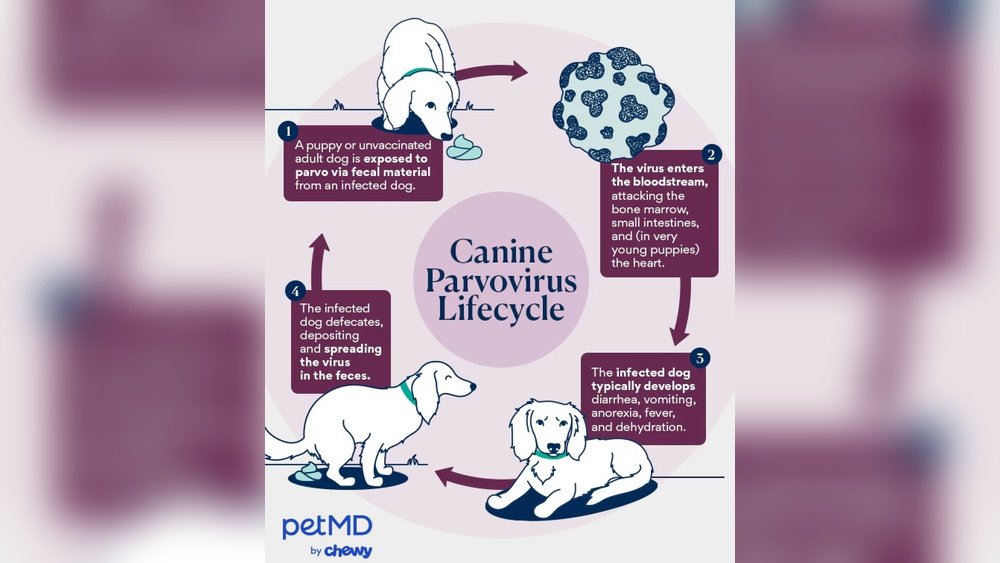
Puppies are more at risk because their immune systems are not fully developed. If a puppy hasn’t had all its vaccinations, it’s even more vulnerable. Parvo spreads easily through infected poop, contaminated surfaces, and even on people’s hands or shoes. The virus can survive in the environment for months, making it hard to eliminate.
Key Facts About Parvo
- Parvo is not spread to humans—it only affects dogs.
- The virus is very tough and can survive in soil, grass, and homes for a long time.
- Parvo is most deadly in puppies, but unvaccinated adult dogs can get sick, too.
- Quick action and veterinary care are critical for survival.
How Parvo Attacks A Puppy’s Body
When a puppy catches parvo, the virus enters the mouth and travels to the intestines. There, it attacks the cells that help absorb nutrients and fight germs. The lining of the intestines breaks down, causing severe diarrhea and vomiting. This leads to rapid dehydration and loss of important minerals. The puppy’s immune system weakens, and bacteria from the gut can enter the blood, causing life-threatening infections.
In rare cases, especially in very young puppies, parvo can attack the heart muscle, leading to sudden death. This is less common thanks to better vaccines, but it’s still a risk in places where vaccination is not common.
Parvo’s Impact On Puppy Organs
| Organ/System | How Parvo Affects It | Key Symptoms |
|---|---|---|
| Intestines | Destroys lining, causes bleeding | Diarrhea (often bloody) |
| Immune System | Reduces white blood cells | Weakness, more infections |
| Heart (rare) | Inflames heart muscle | Sudden collapse, death |
Early Signs Of Parvo In Puppies
Spotting parvo early gives your puppy the best chance. The first symptoms can be easy to miss or mistake for other problems. Watch for these early warning signs:
- Lack of energy (lethargy) – Your puppy may seem tired, less interested in playing, or just “not themselves.”
- Loss of appetite – Refusing food or only eating a little is a common early clue.
- Fever or low temperature – Some puppies get a fever, while others may have a cold nose and body.
- Mild diarrhea – At first, it may be soft or watery, not always bloody.
- Vomiting – Occasional vomiting can start before the diarrhea becomes severe.
Many owners think these are “just” signs of a mild stomach upset, teething, or even a busy day. But in young puppies, always take these signs seriously, especially if your puppy is not fully vaccinated.
Advanced Signs: When Parvo Gets Worse
Within 24–48 hours, parvo symptoms usually get much worse. If you see these signs, your puppy needs a veterinarian right away:
- Severe vomiting – Frequent, forceful vomiting that does not stop.
- Watery, bloody diarrhea – Stools may be very foul-smelling, with blood or mucus.
- Extreme weakness – Puppies may not be able to stand or walk.
- Dehydration – Gums may be dry or pale, eyes look sunken, skin loses elasticity.
- Abdominal pain – The belly may be swollen, and your puppy may whine or cry when touched.
- Rapid heartbeat – The heart may beat very fast as the body tries to cope.
- Collapse or unresponsiveness – In severe cases, puppies may collapse or seem “out of it.”
Symptom Timeline For Parvo
| Time After Infection | Common Symptoms |
|---|---|
| 0–3 days | Lethargy, loss of appetite, mild fever |
| 3–5 days | Vomiting, worsening diarrhea, dehydration |
| 5–7 days | Bloody diarrhea, collapse, possible death if untreated |
Non-obvious Signs Beginners Often Miss
Parvo doesn’t always look the same in every puppy. Here are some less obvious clues that many new dog owners overlook:
- Puppy seems “sad” or withdrawn. Even before vomiting or diarrhea starts, puppies may avoid eye contact or hide.
- Sudden changes in behavior. A playful puppy who suddenly avoids toys or stops greeting you is a red flag.
- Gums change color. Healthy puppy gums are pink. In parvo, gums may look pale, white, or even bluish from dehydration and blood loss.
- Constant licking of lips. Some puppies lick their lips or swallow often, trying to soothe nausea.
- Shivering or trembling. Even if the room is warm, some puppies tremble due to fever or pain.
These subtle signs can show up before dramatic symptoms. Trust your instincts: if something feels off, contact your vet.
How Parvo Symptoms Differ From Other Illnesses
Not every puppy with diarrhea or vomiting has parvo. Many other illnesses can look similar, but there are some important differences.
- Worms may cause diarrhea and poor appetite, but usually not severe vomiting or bloody stools.
- Stomach upset from eating something bad may cause vomiting, but usually clears up in a day.
- Distemper can cause fever and nasal discharge, but often includes coughing and neurological signs.
Parvo stands out because the symptoms get much worse quickly, especially bloody diarrhea and extreme weakness.
Comparing Parvo With Other Common Puppy Illnesses
| Illness | Main Symptoms | Key Differences |
|---|---|---|
| Parvo | Vomiting, bloody diarrhea, dehydration | Fast decline, high risk of death |
| Worms | Diarrhea, bloated belly, poor growth | Usually no severe vomiting or blood |
| Distemper | Cough, fever, nasal discharge | Neurological signs, less bloody stool |
| Food poisoning | Vomiting, mild diarrhea | Short-term, usually improves quickly |
Who Is Most At Risk?
All puppies are at risk, but some are more vulnerable:
- Unvaccinated puppies (or those who missed shots)
- Puppies younger than 16 weeks
- Shelter or rescue puppies (higher exposure risk)
- Certain breeds: Rottweilers, Dobermans, Labrador Retrievers, American Pit Bull Terriers, and German Shepherds are more likely to get severe parvo.
- Puppies from pet stores or breeders with poor hygiene
Even vaccinated puppies can get parvo if their immune system is weak or they haven’t finished their full vaccine series.
What To Do If You Suspect Parvo
Time is critical with parvo. If your puppy shows symptoms—especially vomiting, diarrhea, or sudden weakness—act fast:
- Call your veterinarian immediately. Parvo is a medical emergency.
- Keep your puppy away from other dogs. Parvo spreads easily. Isolate your puppy in a clean, warm room.
- Do not try to treat at home. Home remedies or over-the-counter meds do not work and can make things worse.
- Collect a stool sample. If possible, bring a fresh sample to the vet for testing.
- Clean up carefully. Wear gloves and clean any waste with a bleach solution (1 part bleach to 30 parts water).
Why You Should Not Wait
Many owners hope symptoms will improve with rest or bland food. But with parvo, every hour matters. The virus can kill a puppy in just a few days without hospital-level care. Even if you are not sure, it’s better to be safe.

Credit: www.petmd.com
How Parvo Is Diagnosed
Vets use several tools to confirm parvo. The most common test is a fecal ELISA test, which checks for parvovirus in a stool sample. Results come in about 10 minutes. Sometimes, blood tests are used to look for low white blood cell counts, another sign of parvo.
Your vet may also check for dehydration, electrolyte imbalances, and other problems.
How Accurate Are Parvo Tests?
No test is perfect. Early in the disease, tests can be negative even if a puppy has parvo. If your puppy is very sick, your vet may start treatment even before test results.
Treatment: What Happens At The Vet
There is no cure for parvo, but good veterinary care can save most puppies if started early. Treatment focuses on supporting the puppy while their body fights the virus.
Common Treatments Include:
- IV fluids to treat dehydration and restore electrolytes
- Antiemetics to stop vomiting
- Antibiotics to prevent or treat secondary infections
- Pain relief if needed
- Nutritional support for weak puppies
Most puppies need to stay in the hospital for several days. The survival rate with prompt veterinary care is 70–90%. Without treatment, most puppies die.

Credit: www.infinibandta.org
Home Care: What You Can (and Can’t) Do
Parvo requires hospital care. Home treatment is not safe. However, after your puppy comes home from the hospital, you’ll need to:
- Give all medications as directed
- Offer small, frequent meals of bland food (as your vet recommends)
- Keep your puppy warm and comfortable
- Prevent contact with other dogs for at least one month
- Clean your home with bleach to kill any remaining virus
Never let a recovered puppy visit parks, pet stores, or meet unvaccinated dogs until your vet says it’s safe.
How To Prevent Parvo In Puppies
The best way to protect your puppy is vaccination. The parvo vaccine is part of the core puppy shots, usually given at 6, 8, 12, and 16 weeks. Booster shots are needed as the puppy grows.
Extra Steps To Prevent Parvo
- Keep your puppy away from public places until fully vaccinated.
- Avoid contact with sick dogs or places where they have been.
- Wash hands and shoes after visiting parks, shelters, or breeders.
- Clean food and water bowls regularly.
- Ask breeders or shelters about their parvo prevention policies before adopting.
Even after vaccination, no method is 100% guaranteed. But these steps greatly reduce risk.
Parvo Vaccine Schedule Example
- 6–8 weeks: First shot
- 10–12 weeks: Second shot
- 14–16 weeks: Third shot
- One year: Booster shot
Adult dogs need regular boosters throughout their life.

Credit: www.infinibandta.org
Why Parvo Remains A Threat
Parvo is still common worldwide, especially in areas with low vaccination rates or large stray populations. The virus mutates, creating new strains. Dogs can shed the virus even before they show symptoms, spreading it without warning.
Another big danger: the virus can survive in soil or on surfaces for months, even with regular cleaning. Only bleach and a few special cleaners can kill parvovirus.
Recovery And Long-term Outlook
With fast treatment, many puppies survive parvo. But recovery can take weeks. Puppies may lose weight, have a poor appetite, and need extra rest. Some develop long-term digestive problems. Rarely, puppies may have heart or immune issues later in life.
Most puppies who recover develop strong immunity and are unlikely to get parvo again. However, they can still carry the virus on their fur or paws and infect other dogs for weeks.
Helping Your Puppy Recover
- Feed small, bland meals (boiled chicken, rice) as your vet recommends
- Offer plenty of fresh water
- Keep up with vet check-ups
- Give all medicines, even if your puppy seems better
- Avoid stressful events (travel, new pets) for at least a month
The Emotional Toll Of Parvo
Caring for a sick puppy is stressful and heartbreaking. Many owners feel guilty, even if they did everything right. Remember, parvo is not your fault. The virus is everywhere, and even the best owners can’t control every risk.
If you lose a puppy to parvo, allow yourself to grieve. Clean your home carefully before bringing in a new puppy, and talk to your vet about prevention.
Myths And Misunderstandings About Parvo
There is a lot of bad advice about parvo, especially online. Here are common myths:
- “Parvo is only in dirty places.” In fact, parvo can be in any environment, even clean homes and nice neighborhoods.
- “Older dogs can’t get parvo.” While puppies are at highest risk, unvaccinated adults can get sick too.
- “If my puppy got one vaccine, they’re safe.” Full immunity takes several shots. One shot is not enough.
- “Home remedies work.” Parvo is deadly without professional care. Delays can be fatal.
Always trust your vet, not rumors or unproven advice.
Why Early Action Matters Most
Studies show that puppies treated within the first 24 hours of symptoms have the best chance of survival. Waiting even one extra day can lower survival rates dramatically.
Early action also protects other dogs. By isolating a sick puppy and cleaning carefully, you stop the virus from spreading.
Real-life Example: How Parvo Changed One Family
Maria adopted a Labrador mix puppy from a shelter. At first, he was happy and playful, but two days later, he stopped eating and seemed tired. Maria thought he was just adjusting to his new home. By the next morning, he was vomiting and had bloody diarrhea.
Maria rushed him to the vet. The puppy was diagnosed with parvo. He spent five days in the animal hospital, receiving fluids and medicine. It was expensive and scary, but he survived. Maria learned to trust her instincts and always check with her vet at the first sign of illness.
This story shows how quickly parvo can strike—and why every minute counts.
Frequently Asked Questions
What Is The First Sign Of Parvo In Puppies?
The earliest sign is often lethargy—your puppy may seem unusually tired or less playful. Loss of appetite and mild diarrhea can appear next. These subtle changes happen before severe vomiting or bloody diarrhea.
How Long Does It Take For Parvo Symptoms To Appear?
Symptoms usually start 3–7 days after exposure to the virus. In some puppies, signs can appear in as little as 48 hours. The disease moves quickly, so early symptoms should not be ignored.
Can A Puppy Survive Parvo Without Treatment?
Survival without veterinary care is very rare. Up to 91% of untreated puppies die from parvo. With fast, professional treatment, about 70–90% can survive. Never try to treat parvo at home.
Is There A Test For Parvo?
Yes. Vets use a fecal ELISA test to detect parvovirus in stool. Results are fast, but not 100% accurate, especially in early infection. Blood tests and clinical signs also help confirm diagnosis. For more, see the Canine Parvovirus Wikipedia page.
How Can I Clean My Home After Parvo?
Use a bleach solution (1 part bleach to 30 parts water) to clean all surfaces, bedding, and bowls. Regular cleaners do not kill parvovirus. Discard items you can’t clean. Wait at least 1–2 months before bringing in a new puppy.
—
Parvo is a frightening disease, but knowledge and quick action can save lives. By learning the signs, keeping up with vaccinations, and trusting your instincts, you protect not just your puppy—but every dog in your community. Stay alert, act fast, and give your puppy the best start in life.

We’re the dedicated team behind MyPawSafe.com, with over a decade of combined experience in veterinary care, pet emergency response, and animal behavior. While we prefer to let our work speak for itself, our mission is clear: to provide science-backed, vet-approved advice that helps pet owners prevent accidents and save lives.