Puppy biting is one of the most common challenges new dog owners face. Those sharp little teeth can make playtime painful and cause stress for both people and pets. Biting is a natural part of puppy development, but it’s important to teach your puppy that human skin is off-limits.
If you don’t, your adorable puppy could grow up into an adult dog with a dangerous habit.
The good news is that with patience, consistency, and the right strategies, you can train your puppy not to bite. In this guide, you’ll learn why puppies bite, how to respond, and step-by-step methods to stop the behavior. Whether you’re a first-time dog owner or looking for new techniques, you’ll find practical advice that works in real homes.
Why Puppies Bite
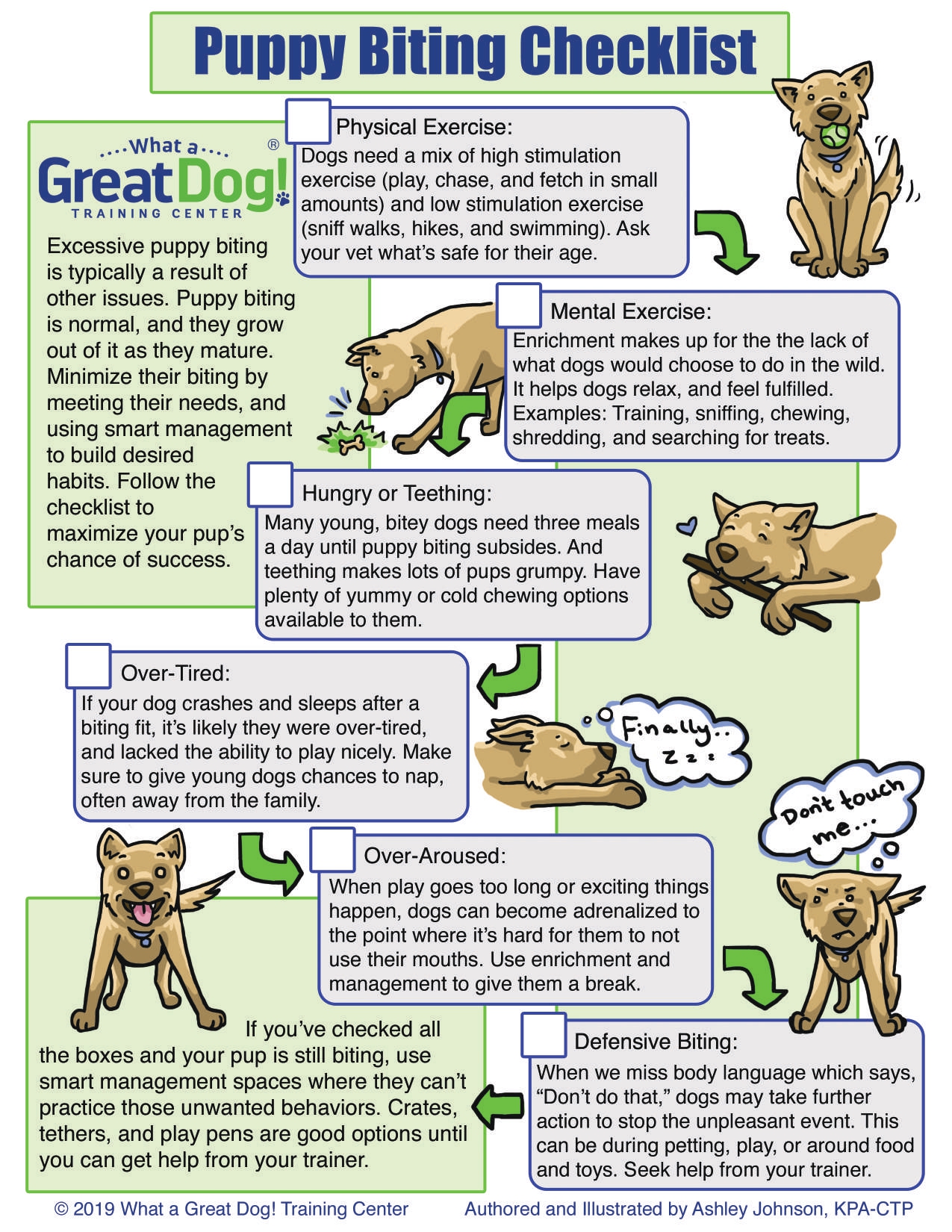
Understanding why puppies bite is the first step. Puppies explore the world with their mouths. It’s how they play, learn, and interact with their environment. There are a few key reasons for biting:
- Teething: Puppies start teething around three to six months old. Chewing and biting relieve discomfort as new teeth push through.
- Play: Puppies play with littermates by biting and wrestling. This is normal, but they need to learn that play with humans is different.
- Attention-seeking: Some puppies bite to get your attention, especially if you react loudly.
- Curiosity: Everything is new for a puppy. They bite objects, hands, and even feet to explore.
- Overstimulation or tiredness: Puppies can get nippy when they’re too excited or overtired.
Knowing the reason behind your puppy’s biting will help you choose the right training method.
The Importance Of Early Training
Early training is essential. Puppies are most open to learning between 8 and 16 weeks old. During this period, they’re developing habits and social skills that will last a lifetime. If you ignore biting, your puppy may not understand boundaries later.
Adult dogs with biting problems are harder to manage and can be dangerous.
Early training also builds trust and a positive relationship. Gentle, consistent guidance helps your puppy feel secure. You’ll also protect your family and guests from painful bites.
Setting Up For Success
Before you begin training, prepare your home and family. A consistent environment makes learning easier for your puppy.
- Establish House Rules: Everyone in your home should follow the same rules. If one person allows biting during play but another doesn’t, your puppy will be confused.
- Puppy-proof Your Space: Remove shoes, cords, and valuables from the floor. Offer safe chew toys instead.
- Schedule Play and Rest: Puppies need a balance of activity and quiet time. Overtired puppies bite more often.
- Stock Up on Supplies: Get several different puppy-safe chew toys, treats for rewards, and a crate or playpen.
Consistency is your best tool. Make sure every family member is on board with your plan.
Socialization: Teaching Bite Inhibition
Bite inhibition is a puppy’s ability to control the strength of their bite. Puppies learn this naturally when playing with littermates. If they bite too hard, the other puppy yelps or stops playing. Over time, puppies learn to be gentle.
You can teach bite inhibition at home:
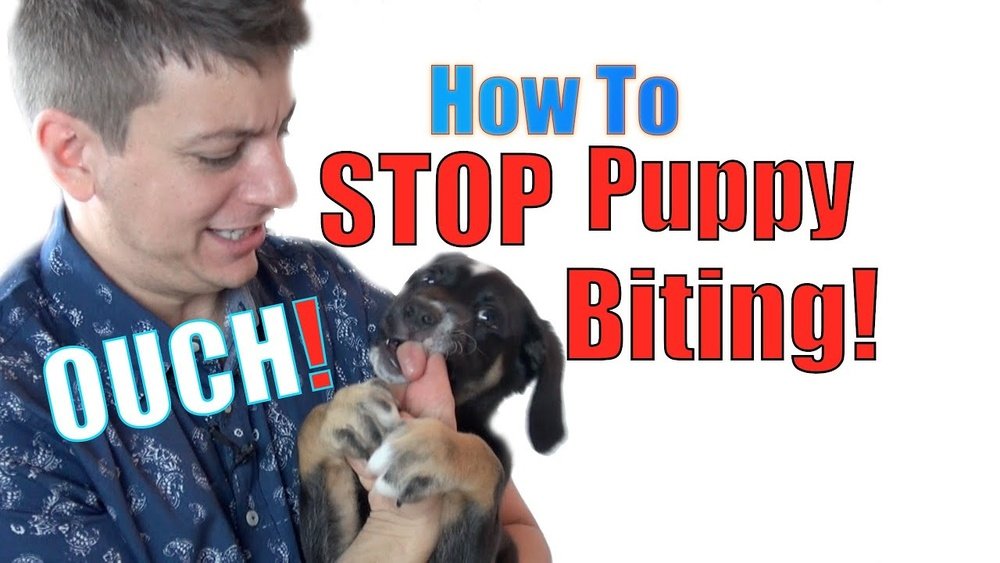
- Mimic a Puppy Yelp: If your puppy bites too hard, say “Ouch!” in a high-pitched voice. This mimics the sound a littermate would make. Pull your hand away and stop play for a few seconds.
- Pause the Game: If the bite continues, stand up and ignore your puppy for 30-60 seconds. Don’t scold or punish—just stop giving attention.
- Resume Play: When your puppy is calm, start playing again. Repeat the process every time biting happens.
This method teaches your puppy that biting ends fun. Over time, they’ll learn to be more gentle.
Step-by-step Training Methods
There are several effective methods to teach your puppy not to bite. Choose the one that fits your puppy’s personality and your lifestyle.
1. Redirect To A Toy
Every time your puppy tries to bite your hand or clothes, calmly offer a chew toy instead. Praise your puppy when they bite the toy. This teaches your puppy what’s okay to chew.
Example: If your puppy grabs your fingers, say “No bite” and immediately place a rubber toy in their mouth. When they chew the toy, say “Good puppy!” in a happy voice.
2. Use Time-outs
Time-outs teach puppies that biting leads to a loss of attention.
- If your puppy bites, say “Ouch!” and turn away.
- If biting continues, gently put your puppy in a playpen or safe room for 30-60 seconds.
- Let your puppy out when they are calm.
Time-outs must be immediate. This helps your puppy connect the behavior with the consequence.
3. Reward Calm Behavior
Positive reinforcement works well with puppies. Reward your puppy when they play gently.
- Use treats, praise, or a favorite toy as rewards.
- Catch your puppy being good—reward them when they chew toys, lick gently, or play without biting.
4. Stop Rough Play
Rough games like wrestling or tug-of-war can encourage biting. Choose gentler activities, especially in the early months.
- Play fetch or hide-and-seek with toys instead.
- Teach your puppy to “sit” or “down” before starting a game.
5. Teach Commands
Simple commands help manage biting. “Leave it” and “No bite” are useful tools.
- Hold a treat in your hand and say “Leave it.” If your puppy doesn’t try to bite, reward them.
- Repeat several times a day.
Non-obvious insight: Puppies often bite more when they’re bored. Mental stimulation is as important as physical exercise. Teach tricks and offer puzzle toys to keep your puppy’s mind busy.
What Not To Do
Some methods can make biting worse or damage your relationship with your puppy.
- Never hit or yell at your puppy. This can make them fearful or aggressive.
- Don’t hold their mouth shut. It’s uncomfortable and doesn’t teach the right lesson.
- Avoid “alpha rolls” or dominance-based techniques. Modern research shows these are unnecessary and can be harmful.
- Don’t encourage biting with hands or feet, even as a joke.
Gentle, positive training builds trust and better behavior.
Managing Teething Pain
Teething can make biting worse. Help your puppy through this stage with safe chew options.
Best Chew Toys For Teething
Here’s a comparison of popular chew toys for teething puppies:
| Chew Toy | Material | Benefit | Suitable Age |
|---|---|---|---|
| Rubber Toy (KONG) | Natural Rubber | Durable, stuffable with treats | 8 weeks and up |
| Nylon Bone | Nylon | Long-lasting, helps clean teeth | 12 weeks and up |
| Rope Toy | Cotton Rope | Gentle on gums, good for tug games | 8 weeks and up |
| Frozen Washcloth | Cotton | Soothes sore gums, inexpensive | 8 weeks and up |
Rotate chew toys to keep your puppy interested. If a toy breaks or shows wear, replace it immediately.
Homemade Teething Relief
Soak a clean washcloth in water, twist it, and freeze it. Give the cold cloth to your puppy to chew. The cold soothes gums and helps reduce biting.
Non-obvious insight: Some puppies prefer soft toys, while others like hard toys. Offer both to see what your puppy likes best.
Recognizing Signs Of Overstimulation
Puppies sometimes bite more when they’re overstimulated or tired. Watch for these signs:
- Zoomies: Sudden bursts of energy, running in circles
- Nipping at clothes or hands
- Barking or whining
- Dilated pupils or tail wagging quickly
When you see these signs, give your puppy a break. Put them in a quiet space with a chew toy. Don’t try to keep playing—this often makes biting worse.

Credit: freakline.de
Handling Play Biting With Children
Puppies often see children as playmates. Because children are smaller and move quickly, puppies may bite them more.
- Supervise all interactions. Never leave young children alone with a puppy.
- Teach children to stay calm. Running or squealing excites puppies.
- Show kids how to offer toys instead of hands.
- Praise gentle play from both puppy and child.
If biting happens, end play right away. This protects both your child and your puppy.
Consistency: The Key To Success
Training a puppy not to bite takes time. Some puppies learn quickly, while others need weeks or even months. Consistency is the most important factor.
- Always respond the same way to biting. Don’t let it slide, even once.
- Involve the whole family. Everyone should know the rules.
- Keep sessions short—puppies have short attention spans.
Consistency helps your puppy learn what is expected, and builds a safe, happy home.

Credit: www.youtube.com
Troubleshooting: When Training Isn’t Working
Sometimes, puppies continue to bite despite your best efforts. Here’s how to troubleshoot common issues.
Possible Reasons Training Fails
| Problem | Possible Cause | Solution |
|---|---|---|
| Puppy only bites certain people | Inconsistent rules | Review rules with everyone |
| Biting is getting worse | Puppy is overstimulated or not enough rest | Increase nap times, reduce rough play |
| Puppy ignores toys | Wrong toy type or boredom | Try new toys, add puzzle feeders |
| Bites are very hard or aggressive | Pain, fear, or poor socialization | Consult a vet or trainer |
When To Seek Professional Help
If your puppy’s biting is severe—breaking skin, showing aggression, or not improving with training—ask for help. Certified dog trainers or behaviorists can assess your puppy and create a custom plan.
Important: Some health problems, like sore mouths or ear infections, can make puppies more irritable. If your puppy’s behavior changes suddenly, see your vet.
Socializing With Other Dogs
Puppies learn polite behavior by playing with other dogs. Well-run puppy classes are safe places to practice social skills.
- Choose classes with positive reinforcement methods.
- Watch for good supervision—trainers should step in if play gets too rough.
- Limit playdates to puppies of similar size and age at first.
If you don’t have access to classes, introduce your puppy to calm, vaccinated adult dogs. Adult dogs often correct puppies who bite too hard, teaching valuable lessons.
The Role Of Exercise And Enrichment
A tired puppy is less likely to bite out of boredom. Daily exercise and mental stimulation are essential.
- Short walks are safe after your puppy’s vaccines.
- Play fetch or hide treats for your puppy to find.
- Puzzle toys challenge your puppy’s mind.
Mix up activities to keep your puppy interested. Rest is just as important—over-tired puppies bite more.
Monitoring Progress
Track your puppy’s progress. Keep a simple journal with dates, incidents, and improvements.
- Note when biting happens (time of day, during play, with certain people).
- Record what worked and what didn’t.
- Celebrate small wins—fewer bites, gentler play, or longer calm periods.
This helps you see patterns and adjust your training as your puppy grows.
Common Mistakes To Avoid
Even experienced owners can make mistakes when training a puppy not to bite. Here are common pitfalls and how to avoid them:
- Inconsistency: Letting biting slide “just once” confuses your puppy.
- Punishing after the fact: Puppies don’t connect punishment with past actions.
- Using hands as toys: Wiggling fingers in front of your puppy encourages biting.
- Too much excitement: Loud voices and fast movement make puppies more nippy.
- Ignoring teething needs: Without chew toys, puppies will bite anything.
Stay calm, clear, and consistent for best results.
Example Training Schedule
A daily routine helps your puppy learn faster. Here’s a sample schedule for an 8- to 16-week-old puppy:
| Time | Activity | Training Focus |
|---|---|---|
| 7:00 AM | Wake up, potty break, breakfast | Gentle handling, no nipping |
| 8:00 AM | Short play session | Redirect biting to toys |
| 9:00 AM | Nap time | Rest, prevent overstimulation |
| 10:00 AM | Training session (sit, down, leave it) | Reward calm behavior |
| 12:00 PM | Supervised play with family | Praise gentle play |
| 2:00 PM | Nap time | Rest, prevent overstimulation |
| 4:00 PM | Walk or outdoor play | Burn off energy |
| 6:00 PM | Dinner | Practice “wait” or “leave it” |
| 7:00 PM | Gentle play, chew toys | Reward toy chewing |
| 8:00 PM | Wind down, bedtime routine | Calm, gentle handling |
Adjust the schedule to fit your puppy’s age and energy level.
How Long Does It Take To Stop Biting?
Training time varies. Most puppies start to improve in 2 to 4 weeks with consistent training. Some may take longer, especially if they’re high-energy breeds or have developed a strong habit.
Puppies under 4 months old are still learning. Be patient and focus on progress, not perfection.
Real-life Examples
Case 1: Max, the Labrador Retriever
Max was a playful 10-week-old Lab who loved to chase and bite hands. His owner used the “Ouch!” method and always gave Max a toy when he tried to bite. Within three weeks, Max learned to chew toys instead of fingers.
Case 2: Bella, the Miniature Poodle
Bella bit most when she was tired. Her family started watching for signs of overstimulation and gave her a nap before she got nippy. They also kept play sessions short. Bella’s biting dropped by half in two weeks.
These examples show that with the right approach, most puppies learn quickly.
Resources For Further Help
If you need more information or support, check out resources like certified trainers, online courses, or your local animal shelter. The American Kennel Club offers reliable advice on puppy behavior (AKC).
Frequently Asked Questions
What Age Should I Start Training My Puppy Not To Bite?
You should start bite training as soon as you bring your puppy home, usually around 8 weeks old. Early training is easier and helps your puppy develop good habits.
My Puppy Bites Only During Play. Is This Normal?
Yes, it’s normal for puppies to bite during play. They use their mouths to explore and interact. Training helps them learn that biting humans isn’t part of the game.
How Do I Teach My Children To Play Safely With Our Puppy?
Teach your children to stay calm, use toys instead of hands, and stop play if biting happens. Always supervise interactions and praise gentle behavior from both your puppy and your child.
What If My Puppy’s Biting Gets Worse Instead Of Better?
If biting increases, review your training methods. Make sure everyone is consistent, your puppy isn’t overtired, and they have enough chew toys. If the problem continues, consult a professional trainer or your veterinarian.
Will My Puppy Grow Out Of Biting On Their Own?
Most puppies improve with age, but training is still necessary. Without guidance, biting can become a habit. Consistent training ensures your puppy learns appropriate behavior.
Training a puppy not to bite is a journey, not a quick fix. With patience, consistency, and the right strategies, you’ll help your puppy grow into a well-mannered, gentle adult dog. The effort you invest now will pay off for years to come, creating a safer and happier home for everyone.
Credit: hilinelaw.com
We’re the dedicated team behind MyPawSafe.com, with over a decade of combined experience in veterinary care, pet emergency response, and animal behavior. While we prefer to let our work speak for itself, our mission is clear: to provide science-backed, vet-approved advice that helps pet owners prevent accidents and save lives.