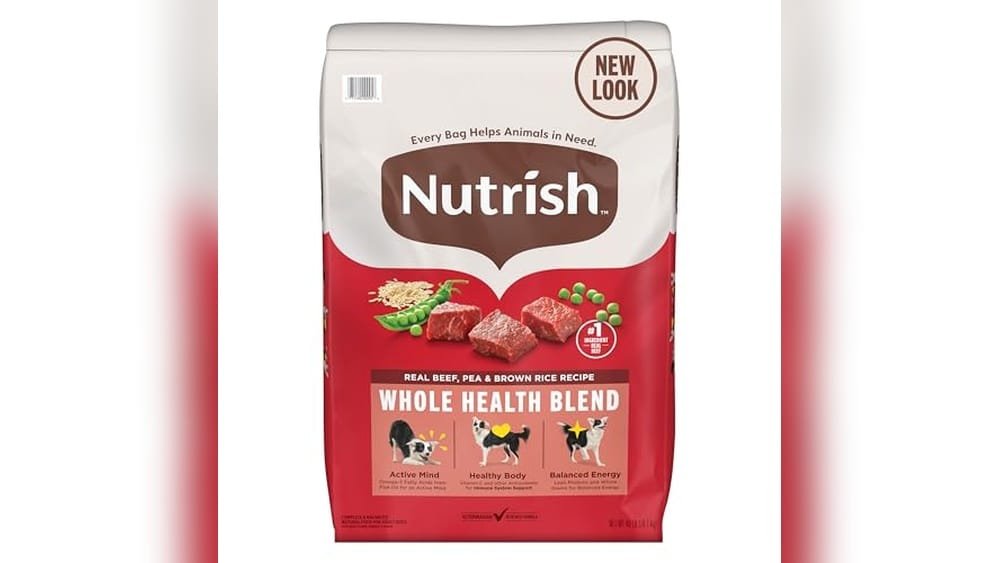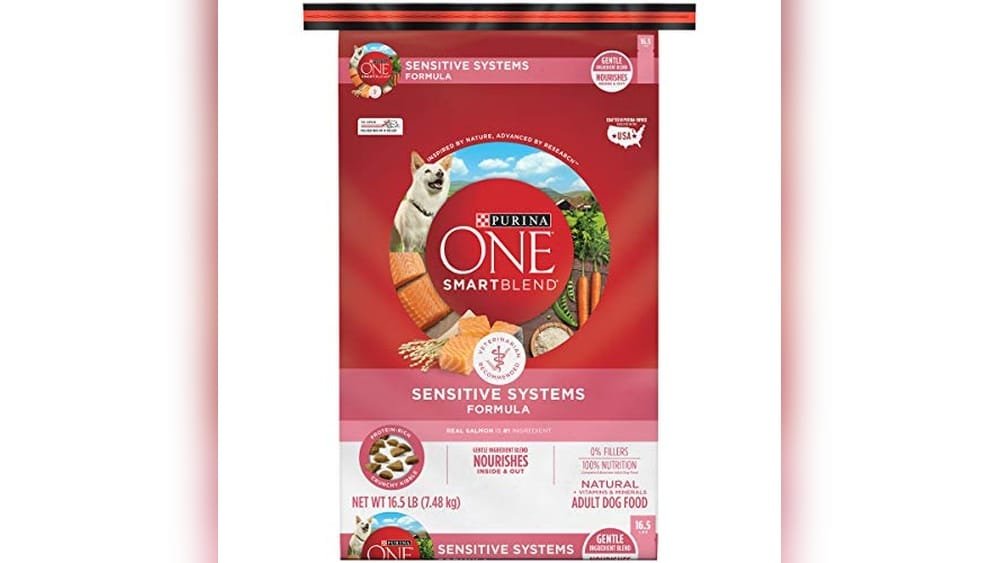

Choosing the right food for your dog is a big decision. Most pet owners want to do what’s best, but with so many brands and ingredients, it’s easy to feel lost. You see “vet recommended” on bags everywhere—but what does that really mean?
Are some dry dog foods truly better for your dog’s health, or is it all marketing? In this guide, you’ll discover what dry dog food vets actually recommend, why they do, and how to make the best choice for your furry friend.
You’ll also get practical tips, comparisons, and real-world advice that go beyond what’s on the label. This is more than a list—it’s your trusted resource for understanding vet-approved dry dog food, so you can feed your dog with confidence.
What Does “vet Recommended” Mean?
The phrase vet recommended can be confusing. It doesn’t always mean that every vet personally endorses a brand. Instead, it often means the food meets certain standards that many vets trust for nutrition and safety.
Veterinarians look for a few key things in a dry dog food:
- Complete and balanced nutrition as defined by AAFCO (Association of American Feed Control Officials)
- High-quality, safe ingredients
- Backing by scientific research or trials
- Good track record with pet health and recalls
A food that ticks these boxes is more likely to be recommended in the exam room. But vets also consider your dog’s age, breed, health issues, and activity level before making a specific recommendation.
Why Vets Recommend Dry Dog Food
Many vets favor dry dog food (kibble) for several reasons:
- Convenience: It’s easy to store, measure, and serve.
- Dental health: The crunch can help reduce plaque buildup.
- Shelf life: Stays fresh longer than wet food.
- Cost: Usually less expensive per serving.
However, not all dry foods are equal. The best ones help your dog maintain a healthy weight, shiny coat, strong teeth, and consistent energy.
Top Dry Dog Food Brands Vets Recommend
Let’s look at the brands most commonly recommended by veterinarians. Each stands out for different reasons, but all are known for quality and trust.
1. Hill’s Science Diet
Hill’s Science Diet is often at the top of vet lists. Developed by veterinarians and nutritionists, this brand focuses on science-backed nutrition for different life stages and health needs. Hill’s offers formulas for puppies, adults, seniors, and dogs with specific issues like sensitive stomachs or weight problems.
One of the key strengths is their investment in research and clinical trials. You’ll also find limited ingredient diets for dogs with allergies. Hill’s is a favorite for dogs with sensitive digestion.
2. Royal Canin
Royal Canin is another vet favorite, especially for dogs with medical conditions. Their foods are tailored for size, breed, and specific health needs—like urinary care, gastrointestinal health, and skin support.
Royal Canin works closely with veterinarians to develop formulas that target real problems. For example, their breed-specific kibbles are shaped to match different jaw types, making chewing easier for certain breeds.
3. Purina Pro Plan
Many vets trust Purina Pro Plan for its balance of quality and value. Purina employs a team of over 500 scientists and veterinarians to develop their foods. The Pro Plan line offers options for life stages, sizes, and special needs like sensitive skin or high energy.
Purina Pro Plan is also widely available and has a strong record of safety and consistency. Their formulas include both grain-free and grain-inclusive options, so you can choose based on your dog’s needs.
4. Eukanuba
Eukanuba is known for focusing on athletic and active dogs, but their range covers all life stages and breeds. Vets recommend Eukanuba for its focus on animal-based proteins and nutrients like DHA for brain development.
Eukanuba’s foods often include prebiotics to support digestive health and special fiber blends to optimize stool quality.
5. Iams
Iams provides affordable, accessible food that doesn’t compromise on nutrition. Vets often recommend Iams for healthy, active dogs without special medical needs. They offer formulas for different ages and sizes, and you’ll find antioxidants, omega fatty acids, and quality proteins in their recipes.
6. Blue Buffalo
While not always the first pick for dogs with medical problems, Blue Buffalo is popular with vets for generally healthy dogs. Their Life Protection Formula uses real meat as the first ingredient, with no artificial flavors or preservatives.
Blue Buffalo also offers special lines for allergies (limited ingredient), seniors, and weight management. They use “LifeSource Bits”—a blend of vitamins, minerals, and antioxidants.
7. Nutro
Nutro stands out for simple, non-GMO ingredients. Many vets recommend Nutro for dogs with food sensitivities or owners looking for fewer additives. Their Wholesome Essentials line is especially popular, using farm-raised chicken, lamb, or salmon as the main protein.
Nutro is a good choice if you want clean labels and straightforward nutrition.
8. Wellness
Wellness is a premium brand vets like for its high protein content and focus on natural ingredients. Wellness foods include probiotics, antioxidants, and omega fatty acids for healthy skin and coat. Their CORE line is grain-free, while Complete Health offers balanced grains.
Wellness is often suggested for active dogs or those with sensitive skin.
9. Orijen
Some vets recommend Orijen for owners who want a more “biologically appropriate” diet. Orijen uses lots of fresh, regionally sourced meats and avoids artificial preservatives. Their foods are higher in protein and fat than many brands, so they’re best for energetic dogs.
Orijen is pricier, but many owners see improvements in muscle tone and energy.
10. Acana
A sister brand to Orijen, Acana is also praised for its focus on whole, fresh ingredients. Acana offers more moderate protein levels and grain-inclusive recipes, which can be easier for some dogs to digest.
Vets often recommend Acana for owners who want premium quality but don’t need ultra-high protein.
11. Nutrisource
NutriSource is a smaller brand, but it’s gaining popularity with vets for its gut-friendly recipes. Their foods include Good 4 Life supplements to promote digestion, skin health, and immunity.
NutriSource is sometimes recommended for dogs with tummy troubles or allergies.
12. Canidae
Canidae is known for simple recipes and quality protein. Their All Life Stages line is popular with multi-dog households since it works for puppies, adults, and seniors. Vets like Canidae’s commitment to using whole foods and limited fillers.
13. Merrick
Merrick focuses on locally sourced ingredients and high meat content. Vets sometimes recommend Merrick for picky eaters or dogs with food sensitivities. They offer both grain-free and healthy grains options, plus recipes for weight control and joint health.
14. Farmina
Less known in the U.S., Farmina is popular with European vets. Their N&D line uses fresh meats and low-glycemic grains like spelt and oats. Farmina invests in nutritional research and avoids artificial preservatives.
Vets may recommend Farmina for dogs who don’t do well on common American brands.
15. Victor
Victor is a favorite among working dog owners and breeders. Their dry foods are nutrient-dense and use locally sourced proteins. Victor’s formulas are free from common allergens like corn, wheat, and soy.
Vets suggest Victor for high-energy breeds or dogs with allergies.
Comparing Popular Vet-recommended Dry Dog Foods
Choosing between brands can be tough, especially since many seem similar. Here’s a comparison of three top vet-recommended foods for adult dogs:
| Brand | Main Protein | Grain-Free Option | Specialty Diets | AAFCO Approved |
|---|---|---|---|---|
| Hill’s Science Diet | Chicken/Lamb | Yes | Weight, Sensitive Stomach, Skin | Yes |
| Royal Canin | Chicken | Limited | Breed, Size, Medical Issues | Yes |
| Purina Pro Plan | Chicken/Lamb/Salmon | Yes | Sport, Sensitive Skin, Weight | Yes |
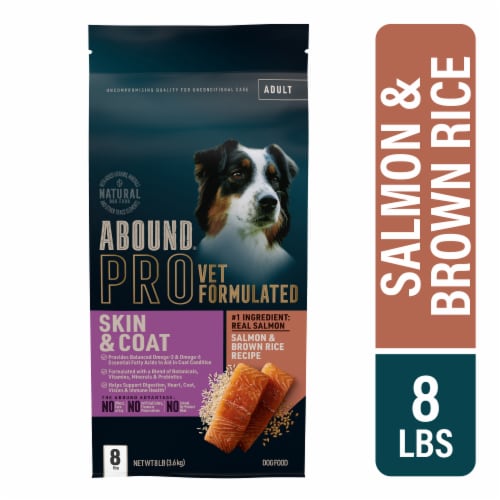
Credit: www.ralphs.com
What Makes A Dry Dog Food Vet-approved?
Vets don’t just look at marketing claims. Here are the main reasons a dry dog food makes the list:
- Nutritional completeness: Must meet AAFCO or FEDIAF (in Europe) guidelines for complete nutrition.
- Quality control: Reliable companies perform safety checks and recall testing.
- Digestibility: Dogs absorb more nutrients from high-quality kibble.
- Ingredient transparency: Clear labels and no hidden fillers.
- Palatability: Dogs actually want to eat it.
Some brands go further with clinical trials and research partnerships. For example, Hill’s and Purina fund studies on canine nutrition.
How Vets Choose The Right Food For Your Dog
No single food is perfect for every dog. Vets consider:
- Age: Puppies, adults, and seniors all have different needs.
- Breed/size: Large breeds need joint support; small breeds need smaller kibble.
- Health issues: Allergies, sensitive stomach, kidney problems, obesity, and more.
- Activity level: Active dogs need more calories and protein.
- Budget: The best food is one you can afford to feed consistently.
If your dog has a medical problem, your vet may suggest a prescription diet. These are only available through veterinarians and are tailored for conditions like kidney disease, diabetes, or severe allergies.
Common Mistakes When Choosing Dry Dog Food
Even with good intentions, owners often make mistakes. Here are some to watch out for:
- Falling for “grain-free” hype: Unless your dog has a diagnosed grain allergy, grain-free isn’t always better. Some grain-free diets have been linked to heart problems.
- Switching foods too fast: Sudden changes can upset your dog’s stomach. Always transition slowly over a week or more.
- Ignoring feeding guidelines: Overfeeding leads to obesity. Measure portions and adjust as your dog ages or becomes less active.
- Chasing trends: Fancy ingredients like bison or “superfoods” aren’t always better. Stick with proven brands.
- Overlooking recalls: Even reputable brands have recalls. Check the latest information before buying.
Understanding Ingredient Labels
Pet food labels can be confusing. Here’s what to look for:
- Named animal protein: Look for real meat (chicken, lamb, salmon) as the first ingredient.
- Whole grains (if not allergic): Brown rice, oats, barley are good.
- Animal fats: For energy and coat health.
- No artificial colors or preservatives: Look for tocopherols (Vitamin E) instead.
- Supplements: Omega fatty acids, glucosamine, probiotics, and antioxidants add value.
Avoid foods that list “meat by-products” or “animal digest” as primary ingredients.
Special Diets: When Does Your Dog Need One?
Some dogs have unique nutritional needs due to health issues. Vets may recommend:
- Limited ingredient diets for allergies or sensitivities
- High-fiber diets for overweight dogs or those with diabetes
- Low-protein diets for kidney issues
- High-calorie diets for underweight or very active dogs
- Joint support diets for seniors or breeds prone to arthritis
Prescription foods like Hill’s Prescription Diet or Royal Canin Veterinary Diet are only available through your vet and target specific problems.
Price Vs. Value: Is Expensive Always Better?
You don’t need to buy the most expensive food for good health. Many vet-recommended brands offer mid-range options that are just as nutritious as premium foods.
Here’s a quick price comparison for popular vet-recommended brands (based on 30-pound bags):
| Brand | Approx. Price (USD) | Protein % | Grain-Free Available? |
|---|---|---|---|
| Hill’s Science Diet | $55-65 | 24-26% | Yes |
| Purina Pro Plan | $50-65 | 26-28% | Yes |
| Orijen | $90-105 | 38-40% | Yes |
As you can see, higher prices usually mean higher protein and more exotic ingredients, but not every dog needs that.
When To Change Your Dog’s Food
It’s important to know when your dog’s food may need updating:
- Life stage change: Puppy to adult, adult to senior.
- Health diagnosis: Allergies, kidney issues, diabetes, obesity.
- Weight changes: Gaining or losing weight unexpectedly.
- Digestive issues: Vomiting, diarrhea, or gas.
- Low energy or dull coat: Signs of poor nutrition.
Always talk to your vet before switching foods, especially if your dog has health concerns. A slow transition (mixing old and new food) helps avoid stomach upsets.
Non-obvious Insights Vets Wish Owners Knew
Many owners focus only on protein or avoid grains, but vets know there’s more to good nutrition. Here are two insights most people miss:
- Digestibility matters more than ingredient list: A food with a simple recipe that’s easily absorbed is better than one with lots of ingredients your dog can’t use. If your dog’s stool is small, firm, and easy to pick up, that’s a good sign the food is working.
- “Natural” isn’t always safer: Some owners prefer foods with natural preservatives, but these can spoil faster. Artificial preservatives (like BHA or BHT) are safe in tiny amounts and help keep kibble fresh. Don’t fear science-based additives.

Credit: www.houndsy.com
Signs Your Dog Is Thriving On A Dry Diet
How do you know if you’ve chosen the right food? Watch for these signs:
- Healthy weight: Not too thin or overweight
- Shiny, soft coat: Indicates good fat and protein
- Regular, firm stools: Shows good digestion
- Bright eyes and energy: Signs of complete nutrition
- No itching or ear infections: Suggests no allergies
If you see these, your food choice is working well.
How To Talk To Your Vet About Food
Don’t be shy about bringing up your dog’s diet during checkups. Ask questions like:
- Which brands do you trust and why?
- Is my dog’s weight and condition healthy?
- Should I consider a special diet for my dog’s breed or age?
- Are there foods I should avoid?
- How can I tell if my dog is having a food-related issue?
Vets appreciate owners who care about nutrition and will help you make informed choices.
Are “boutique” Or Raw Diets Vet-recommended?
Some owners want to feed trendy or homemade diets. Most vets are cautious about boutique or raw foods because:
- Nutritional imbalances: Hard to get right without a nutritionist.
- Safety issues: Raw foods can carry bacteria like Salmonella.
- Lack of research: Few studies support health claims.
If you want a special diet, always consult your vet or a board-certified veterinary nutritionist first. For more on AAFCO standards, visit the official AAFCO consumer page.
Frequently Asked Questions
What Is The Best Dry Dog Food For Most Dogs?
There’s no single “best” food for all dogs. Brands like Hill’s Science Diet, Royal Canin, and Purina Pro Plan are widely recommended by vets due to their balanced nutrition, safety testing, and variety. The best choice depends on your dog’s age, health, and preferences.
Should I Avoid Grain-free Dry Dog Foods?
Not always. Grain-free foods can help dogs with grain allergies, but most dogs do well with grains like rice or oats. Some grain-free diets have been linked to heart issues (DCM). Talk to your vet before choosing grain-free.
How Do I Switch My Dog To A New Dry Food Safely?
Transition slowly over 7-10 days. Mix a small amount of the new food with the old, increasing the new food a bit each day. Watch for signs of stomach upset like diarrhea or vomiting.
How Much Dry Food Should I Feed My Dog?
Check the bag for feeding guidelines, but use your dog’s body condition as the main guide. Adjust portions if your dog gains or loses weight. Your vet can help you find the right amount.
Are Expensive Dry Dog Foods Always Better?
Not always. Many mid-priced brands are complete and balanced. The best food is one your dog does well on and you can afford to buy consistently.
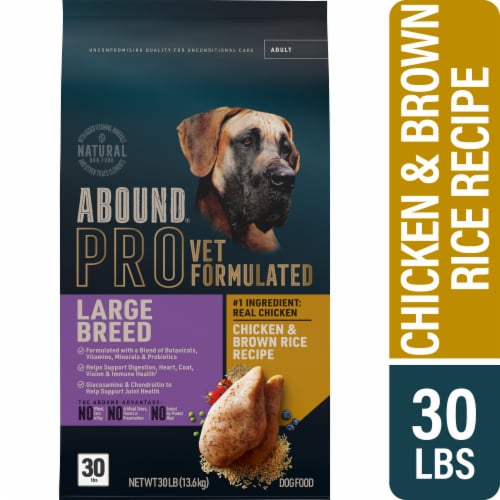
Credit: www.ralphs.com
Final Thoughts
Choosing the right dry dog food is a partnership between you and your vet. The best foods are made by trusted companies, backed by research, and tailored to your dog’s unique needs. Remember, what works for one dog may not work for another.
Focus on complete nutrition, quality ingredients, and your dog’s health—not just marketing claims. With the right information and support, you can help your dog live a long, healthy, and happy life.
We’re the dedicated team behind MyPawSafe.com, with over a decade of combined experience in veterinary care, pet emergency response, and animal behavior. While we prefer to let our work speak for itself, our mission is clear: to provide science-backed, vet-approved advice that helps pet owners prevent accidents and save lives.