French Bulldog And Poodle Mix: Appearance, Size And Temperament
The French Bulldog and Poodle mix, often called the French Boodle or Frenchie Poodle, is one of the most fascinating designer dogs today. This hybrid combines the playful charm of the French Bulldog with the intelligence and elegance of the Poodle, creating a unique companion for families, singles, and seniors. As more people search for dogs with manageable size, friendly nature, and minimal shedding, the French Boodle stands out. If you’re considering this mix or simply curious about its features, this guide covers everything you need to know about its appearance, size, and temperament.
What Is A French Bulldog And Poodle Mix?
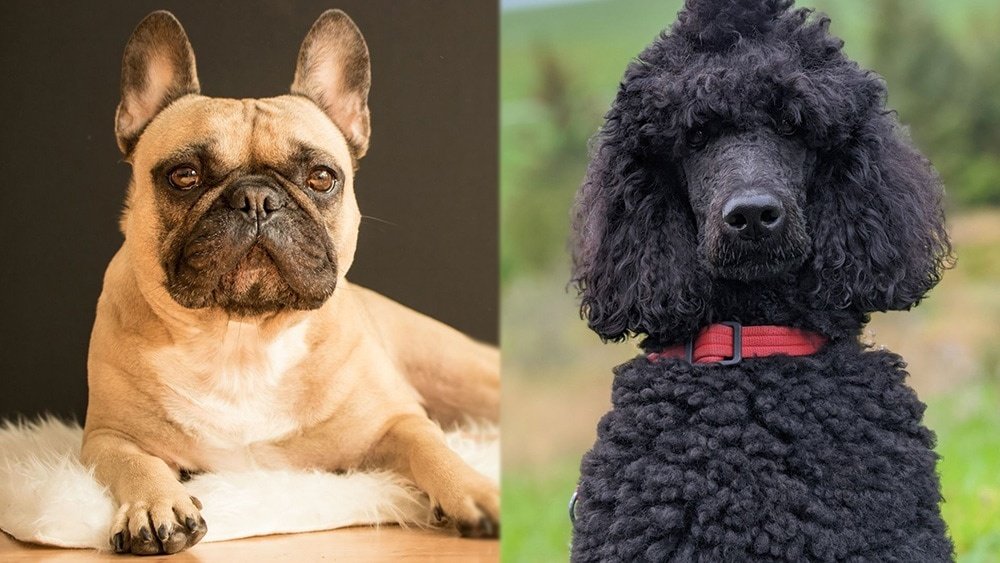
A French Bulldog and Poodle mix is a crossbreed between the French Bulldog and the Poodle, usually the Miniature or Toy Poodle. This hybrid is not recognized as a pure breed, but it’s gaining popularity for its adorable looks and balanced personality. Breeders aim to combine the French Bulldog’s easygoing attitude with the Poodle’s intelligence and hypoallergenic coat. Depending on the parentage, the French Boodle can inherit traits from either breed, making each dog unique.
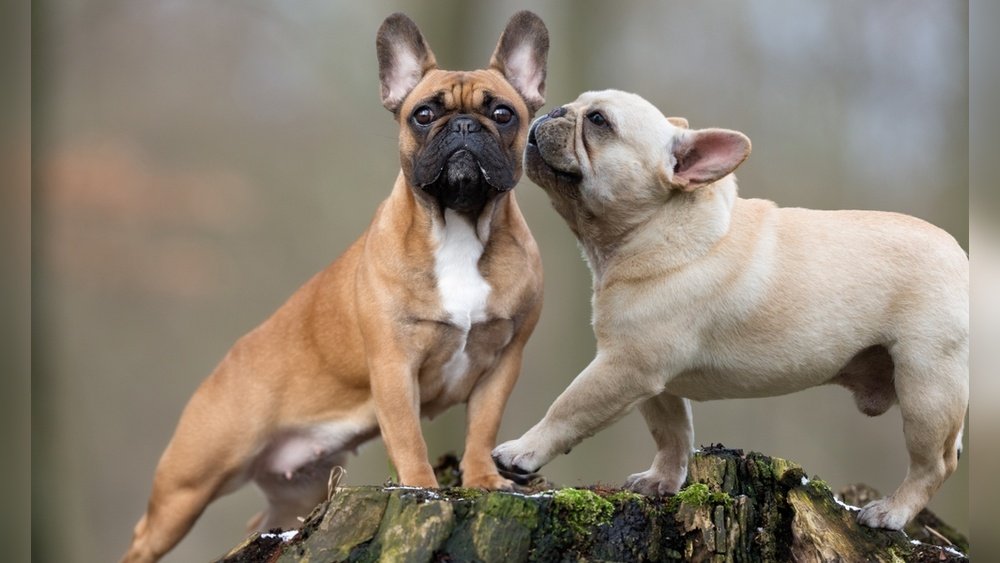
French Bulldogs are known for their bat-like ears, muscular build, and affectionate nature, while Poodles bring curly coats, sharp minds, and athleticism. When these traits blend, the result is a dog that’s both charming and practical.
Appearance: What Does A French Boodle Look Like?
The appearance of a French Bulldog and Poodle mix varies widely, even within the same litter. This happens because the two parent breeds have very different physical features. Here’s what you can expect:
Head And Facial Features
Most French Boodles have a round head with a slightly shorter muzzle than a pure Poodle but longer than a French Bulldog’s. Their eyes are expressive, usually dark, and their ears can be either upright like the French Bulldog or floppy like the Poodle. Some mixes display a combination—semi-erect ears that fold at the tips.
The face often carries the gentle expression of the Poodle, but the short nose from the French Bulldog may appear, especially if the Frenchie genes are dominant.
Body Structure
The French Boodle’s body tends to be compact and muscular, similar to the French Bulldog, but with longer legs from the Poodle side. This blend creates a dog that looks athletic but not bulky. The chest is broad, and the back is usually straight, giving the dog a balanced silhouette.
Coat Type And Colors
One of the biggest advantages of this mix is the potential for a low-shedding coat. The Poodle’s curly, hypoallergenic fur can reduce shedding, while the French Bulldog’s short, smooth coat adds resilience. Most French Boodles have wavy or curly fur that’s soft to touch.
Common coat colors include:
- Cream
- Fawn
- Black
- White
- Brindle
- Gray
- Apricot
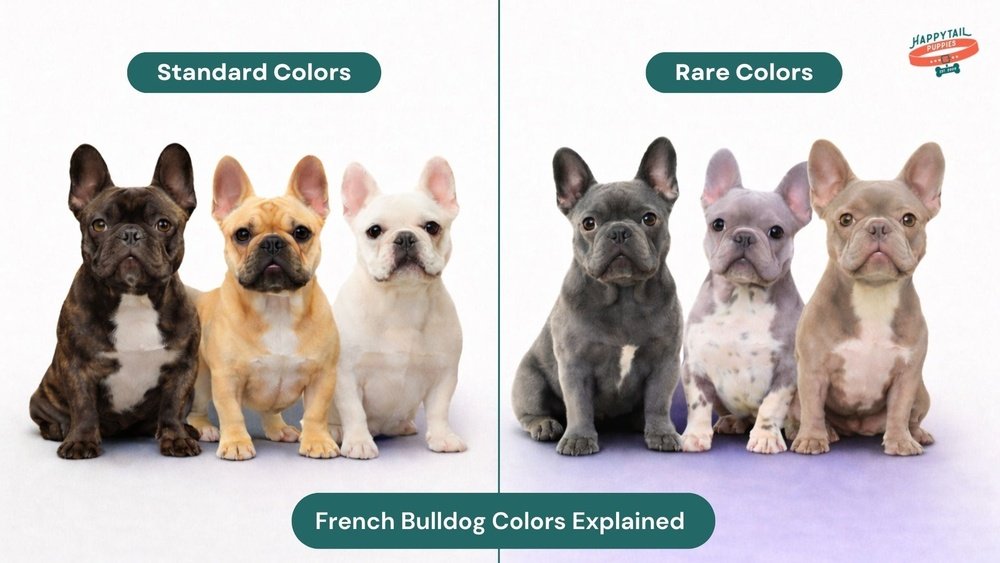
Some French Boodles also display unique markings—white patches, brindle patterns, or a mix of two or three colors.
Tail And Feet
The tail can be straight or slightly curled, depending on parent genes. Feet are usually rounded and sturdy, built for playful activity.
Key Appearance Differences
To make comparisons clearer, here’s a data table showing the main differences between the parent breeds and their mix:
| Trait | French Bulldog | Poodle (Miniature/Toy) | French Boodle Mix |
|---|---|---|---|
| Head Shape | Round, flat muzzle | Oval, long muzzle | Round-oval, medium muzzle |
| Ear Type | Upright, bat-like | Floppy | Upright or floppy |
| Coat | Short, smooth | Curly, hypoallergenic | Wavy/curly, low-shedding |
| Body | Compact, muscular | Lean, agile | Compact, agile |
| Color | Brindle, fawn, white | Multiple colors | Wide range, often mixed |
Size: How Big Does A French Bulldog And Poodle Mix Get?
The size of a French Boodle is influenced by the Poodle parent’s size. Most breeders use a Miniature or Toy Poodle for the cross, resulting in a small to medium-sized dog. Here’s what you can expect:
Weight Range
- Miniature Poodle Mix: 15–25 pounds
- Toy Poodle Mix: 10–18 pounds
French Boodles rarely exceed 25 pounds. If a Standard Poodle is used, the mix may be larger, but this is uncommon.
Height Range
- Miniature Poodle Mix: 11–14 inches at the shoulder
- Toy Poodle Mix: 9–11 inches at the shoulder
This makes the French Boodle a good fit for apartments and small homes.
Growth Rate
French Boodles reach their full size by 10–12 months, but some may continue filling out until 18 months. They grow quickly in the first six months, then slow down.
Size Comparison Table
Here’s a comparison of the typical sizes:
| Breed | Height (inches) | Weight (pounds) |
|---|---|---|
| French Bulldog | 11–13 | 16–28 |
| Miniature Poodle | 11–15 | 10–20 |
| Toy Poodle | 9–11 | 6–10 |
| French Boodle Mix | 9–14 | 10–25 |
Is There Much Size Variation?
Yes, size can vary even among puppies from the same litter. The French Bulldog’s genes tend to produce a stockier dog, while the Poodle genes give a leaner, taller shape. Early life nutrition and exercise also influence adult size.
Practical Size Insights
- French Boodles are small enough for city living but sturdy for active play.
- Their size allows for easy travel, whether by car or plane.
- Most can be comfortably carried, making them ideal for seniors or those with limited mobility.
Temperament: What Is The Personality Of A French Boodle?
The French Bulldog and Poodle mix is known for its friendly, intelligent, and playful temperament. The combination of two parent breeds creates a balanced companion that adapts well to different lifestyles.
Intelligence And Trainability
Thanks to the Poodle’s influence, French Boodles are quick learners. They enjoy puzzles, basic obedience, and even agility courses. Training is easier than with pure French Bulldogs, who can be stubborn. Positive reinforcement works best, and early socialization is key.
Social Nature
French Boodles are highly social. They love being around people, children, and other pets. Separation anxiety can be a concern if left alone for long periods. Regular play and attention keep them happy.
Energy Level
Their energy level is moderate. French Boodles need daily walks, playtime, and mental stimulation. They’re not hyperactive like some pure Poodles but are more active than French Bulldogs.
Affection And Loyalty
This mix is extremely affectionate. French Boodles often follow their owners from room to room and enjoy cuddling. Their loyalty makes them good watchdogs, but they aren’t aggressive.
Common Behavioral Traits
- Playful but gentle with children
- Alert and aware of surroundings
- Enjoys interactive toys
- May bark to alert but not excessively
Temperament Comparison Table
Here’s a quick look at the temperaments:
| Trait | French Bulldog | Poodle | French Boodle Mix |
|---|---|---|---|
| Intelligence | Moderate | Very High | High |
| Energy Level | Low-Moderate | High | Moderate |
| Affection | High | High | Very High |
| Trainability | Stubborn | Easy | Easy-Moderate |
| Social Needs | High | High | Very High |
Real-life Examples
Take Bella, a French Boodle living in New York. Her owner reports she quickly learned to ring a bell to go outside, picked up commands like “sit” and “stay” in days, and loves playing with neighborhood dogs. Another example is Max, who enjoys puzzle toys and rarely shows aggression, even when visitors arrive.
Non-obvious Temperament Insights
- French Boodles can be sensitive to loud noises, a trait from the Poodle side. Early exposure helps them adjust.
- Their playful nature is strong, but they also appreciate quiet time—a rare mix in designer breeds.
Grooming And Maintenance Needs
One of the top reasons people choose the French Boodle is its manageable grooming needs. The Poodle’s influence means less shedding, but regular care is still necessary.
Coat Care
Most French Boodles have wavy or curly coats. This means:
- Brush 2–3 times a week to prevent mats
- Professional grooming every 6–8 weeks
- Occasional trimming around the eyes and paws
If the coat is more like the French Bulldog’s, brushing once a week is enough.
Bathing
Bathing every 4–6 weeks keeps the coat clean. Use mild shampoo to avoid skin irritation.
Nail, Ear, And Dental Care
- Trim nails every month
- Clean ears weekly, especially if floppy
- Brush teeth 2–3 times a week
Non-obvious Grooming Tips
- French Boodles with curly coats can trap debris, leading to skin issues. Check under the legs and belly during grooming.
- Some mixes produce more tears, causing staining. Wipe the face gently with a damp cloth.
Health And Lifespan
French Boodles are generally healthy, but like all crossbreeds, they can inherit health issues from either parent. Understanding their risks helps you provide better care.
Common Health Issues
- Allergies: Both breeds are prone to skin allergies.
- Brachycephalic Syndrome: If the French Bulldog’s short nose is dominant, breathing issues may occur.
- Hip Dysplasia: Seen in Poodles, especially larger mixes.
- Ear Infections: Floppy ears trap moisture.
- Dental Problems: Small mouths lead to crowded teeth.
Lifespan
French Boodles live 12–15 years with good care. This is longer than pure French Bulldogs, thanks to the Poodle’s genetics.
Health Maintenance
- Annual vet checks
- Vaccinations and parasite prevention
- High-quality food and regular exercise
Non-obvious Health Insights
- French Boodles with more Poodle traits tend to have fewer breathing issues.
- Early screening for joint problems can prevent pain later in life.
Exercise And Activity Requirements
French Boodles need regular exercise to stay healthy and happy. They enjoy both mental and physical activities.
Daily Walks
Aim for 30–45 minutes of walking daily, split into two sessions. This keeps them fit and reduces boredom.
Playtime
Interactive toys, fetch, and puzzle games are favorites. French Boodles love games that challenge their mind.
Indoor Activities
If the weather is bad, indoor play is important. Hide-and-seek, treat puzzles, and training sessions work well.
Exercise Mistakes To Avoid
- Over-exercising puppies can damage their joints. Keep play gentle until 12 months old.
- Ignoring mental stimulation can lead to destructive behavior.
Feeding And Nutrition
Feeding a French Boodle is straightforward, but there are some key points to remember.
Food Type
Choose high-quality, protein-rich food. Look for formulas made for small to medium breeds.
Quantity
- Puppies: 3–4 meals per day
- Adults: 2 meals per day
Typical adult French Boodle needs 1–1.5 cups of food daily, split between meals.
Special Dietary Needs
Some French Boodles have sensitive stomachs. Grain-free or limited ingredient diets may help.
Water
Always provide fresh water, especially after exercise.
Feeding Insights
- Watch for weight gain—French Bulldogs are prone to obesity.
- Use slow-feeder bowls if your dog eats too fast.

Credit: www.embracepetinsurance.com
Living With A French Bulldog And Poodle Mix
The French Boodle is adaptable to many lifestyles. Here’s what you need to know about daily life with this hybrid:
Apartment Or House?
French Boodles thrive in both settings. Their size and temperament make them suitable for apartments, but they enjoy having a yard.
Family Compatibility
They are great with children. Gentle, patient, and rarely aggressive, French Boodles fit well in families. Early training helps them adjust to toddlers.
Other Pets
French Boodles usually get along with other dogs and cats. Their social nature prevents conflicts, but early introductions are best.
Travel
This mix is easy to travel with—compact size, friendly nature, and manageable grooming needs.
Alone Time
French Boodles dislike being left alone for long periods. Consider doggy daycare if you work long hours.
Adaptability Insights
- French Boodles can adjust to new routines quickly, thanks to their intelligence.
- They may become bored if left alone without toys or stimulation.
Cost And Availability
French Boodles are not as common as purebred dogs, but their popularity is rising.
Price Range
- Breeder: $1,500–$3,000 per puppy
- Rescue: $200–$500
Prices depend on the breeder’s reputation, location, and parent pedigree.
Finding A French Boodle
Check reputable breeders, rescue groups, and pet adoption sites. Always ask for health certificates and meet the puppy’s parents if possible.
Cost Insights
- French Boodles from breeders with health guarantees cost more but offer peace of mind.
- Adoption from rescue groups is more affordable and supports animal welfare.

Credit: www.dogster.com
Training Tips For French Boodle Owners
Training a French Bulldog and Poodle mix is rewarding if you use the right methods.
Start Early
Begin training and socialization at 8–10 weeks. Early exposure to people, pets, and environments builds confidence.
Positive Reinforcement
Use treats, toys, and praise. French Boodles respond well to rewards.
Consistency
Keep commands and routines consistent. This prevents confusion.
Avoid Harsh Methods
Gentle correction is more effective than punishment. Harsh methods can damage trust.
Advanced Training
French Boodles enjoy advanced tricks and agility. Try teaching “roll over,” “fetch,” or simple obstacle courses.
Training Insights
- Training in short sessions (10–15 minutes) keeps your dog focused.
- French Boodles may get bored with repetitive commands—mix up activities.
Is The French Bulldog And Poodle Mix Right For You?
Choosing a French Boodle depends on your lifestyle, preferences, and ability to meet its needs.
Best For:
- Families with children
- Singles who want a loyal companion
- Seniors looking for a manageable dog
- People with mild allergies
Not Ideal For:
- People who are away from home for long periods
- Owners who dislike grooming
- Those seeking a guard dog
Decision Insights
- A French Boodle is perfect for those seeking a balance between playfulness and calm.
- If you’re unsure, spend time with a French Boodle at a rescue or breeder before deciding.
Credit: tomkingskennel.com
Frequently Asked Questions
What Is The Lifespan Of A French Bulldog And Poodle Mix?
Most French Boodles live 12–15 years. Good nutrition, regular vet care, and exercise help extend their lifespan.
Does The French Boodle Shed A Lot?
No, the French Boodle usually has a low-shedding coat. If the Poodle genes are dominant, shedding is minimal. Regular grooming keeps the coat healthy.
Are French Boodles Good With Children?
Yes. French Boodles are gentle and playful with kids. They rarely show aggression and adapt well to family life.
How Much Exercise Does A French Boodle Need?
French Boodles need 30–45 minutes of exercise daily. Walks, playtime, and mental activities are important for their well-being.
Where Can I Find More Information About French Bulldog And Poodle Mixes?
For more details, visit Wikipedia, which provides comprehensive information on designer dog breeds.
Final Thoughts
The French Bulldog and Poodle mix is a delightful blend of charm, intelligence, and adaptability. Its unique appearance, manageable size, and balanced temperament make it a favorite among dog lovers. Whether you’re looking for a family pet, a loyal friend, or a low-shedding companion, the French Boodle delivers.
With proper care, training, and love, this mix can bring years of joy and companionship. If you’re ready for a playful, affectionate, and intelligent dog, the French Boodle may be your perfect match.

We’re the dedicated team behind MyPawSafe.com, with over a decade of combined experience in veterinary care, pet emergency response, and animal behavior. While we prefer to let our work speak for itself, our mission is clear: to provide science-backed, vet-approved advice that helps pet owners prevent accidents and save lives.