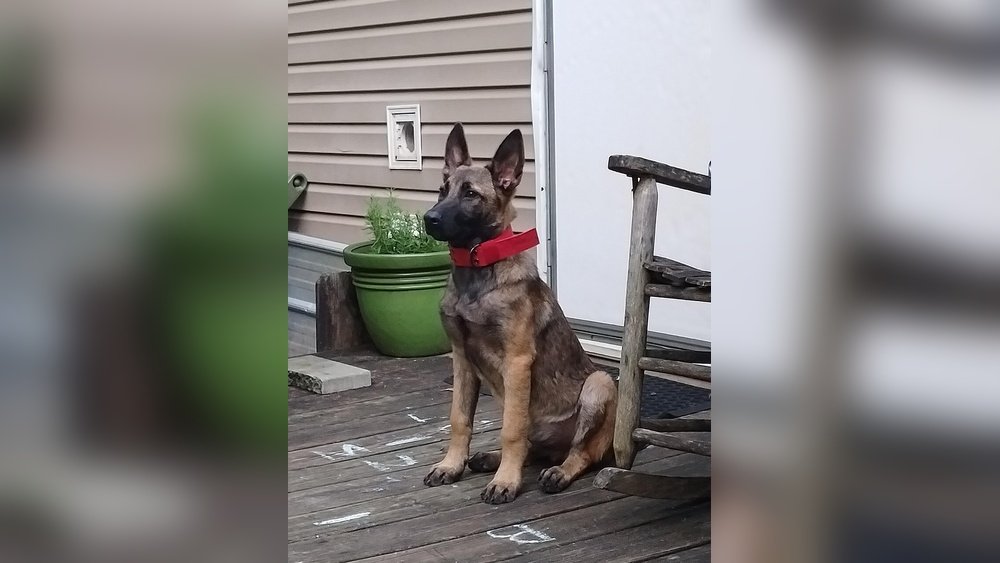
The Belgian Malinois German Shepherd Mix—sometimes called the Malinois X, Shepinois, or German Malinois—is a dog that stands out. These hybrids combine two of the world’s most respected working breeds, leading many to ask: What is it really like to own one? If you’re thinking about bringing this crossbreed into your life, you’ll need more than basic dog knowledge. These dogs are not just pets—they’re partners. Let’s explore what you can expect, how to care for them, and what sets them apart from other breeds.
Origins And History
The Belgian Malinois and German Shepherd both have roots in Europe. Each breed was developed for herding, guarding, and complex tasks. The German Shepherd originated in Germany in the late 1800s, bred by Captain Max von Stephanitz for intelligence and versatility. They became famous for police, military, and service work.
The Belgian Malinois, from the Belgian city of Malines, was bred around the same time. These dogs became known for speed, agility, and high drive, often used by law enforcement and military units worldwide. Mixing the two is not new—handlers have sometimes bred them together to combine the Malinois’s energy and the German Shepherd’s steadiness.
The crossbreed is not officially recognized by major kennel clubs, but demand for the Belgian Malinois German Shepherd Mix has grown. People want a dog with the best qualities of both parents, but it’s important to know that each puppy is unique.
Physical Appearance
You might think all Malinois X look the same, but there’s a wide range of possible appearances. Let’s break down what you’ll likely see.
Size And Build
Most Belgian Malinois German Shepherd Mixes are medium to large dogs. Adult males usually weigh 60–90 pounds, with females slightly lighter at 50–75 pounds. Height at the shoulder ranges from 22 to 26 inches. Their body is athletic and muscular, built for work.
Coat And Color
The coat is usually short to medium in length, dense, and straight. Some have a double coat (like a German Shepherd), which helps protect against weather. Shedding can be moderate to heavy.
Colors can include:
- Tan with black mask (very common)
- Solid black or sable
- Fawn, red, or even gray shades
White markings are rare but possible. The ears are almost always erect and alert, and the tail is bushy but not overly long.
Comparison Table: Parent Breeds Vs Mix
Here’s a quick look at how the parent breeds and the mix compare:
| Trait | German Shepherd | Belgian Malinois | Malinois X (Mix) |
|---|---|---|---|
| Weight | 60–90 lbs | 40–80 lbs | 50–90 lbs |
| Height | 22–26 in | 22–26 in | 22–26 in |
| Coat | Medium/Double | Short/Dense | Short–Medium/Dense |
| Color | Black/Tan, Sable | Fawn/Black Mask | Wide Range |
| Energy | High | Very High | High–Very High |

Credit: www.reddit.com
Temperament And Personality
This mix is bred for intelligence, loyalty, and energy. But what does that mean day-to-day?
High Intelligence
Both parent breeds are in the top 3 for canine intelligence. The mix is quick to learn commands, routines, and even complex tasks. These dogs need mental challenges—basic obedience won’t be enough.
Loyalty And Bonding
A Malinois X will often bond deeply with one or two people. They’re protective but rarely aggressive without reason. Early socialization is key—otherwise, they may become wary of strangers or new experiences.
Energy And Drive
Expect a dog with endless energy. A simple walk around the block won’t cut it. They need:
- Structured play (fetch, tug, agility)
- Long runs or hikes
- Problem-solving games
Without enough stimulation, they can become frustrated and destructive.
Non-obvious Insights
- Drive vs. Hyperactivity: High drive doesn’t mean hyperactivity. These dogs can be calm—if their minds and bodies are busy. Owners who only focus on exercise and ignore training often end up with a restless dog.
- Sensitivity to Environment: Many Malinois X are sensitive to the moods and stress of their owners. Sudden changes at home, loud arguments, or anxious energy from people can affect their behavior.
Exercise Needs
Many people underestimate just how much activity this mix needs. Think of them as the “marathon runners” of the dog world.
Daily Activity Requirements
Most Malinois X need at least 90–120 minutes of vigorous activity every day. This is not just a quick run in the yard.
- Morning: 30–45 minutes of running, biking, or fetch
- Afternoon: Training session, agility, or scent work
- Evening: Long walk or another play session
Types Of Exercise
These dogs excel at:
- Agility courses
- Obedience competitions
- Tracking and scent work
- Frisbee and fetch
- Running alongside a bike
Common Mistake
A backyard is not enough. Even a large yard won’t satisfy their need for structured activity. Dogs left alone outside often dig, chew, or escape.
Data Table: Exercise Comparison
Here’s how the Malinois X stacks up against some other active breeds:
| Breed | Daily Activity Needed | Best Activities |
|---|---|---|
| Malinois X | 90–120 min | Agility, Scent Work, Running |
| Labrador Retriever | 60–90 min | Fetch, Swimming, Walks |
| Border Collie | 90–120 min | Herding, Agility, Frisbee |
Training And Intelligence
If you want a dog that’s easy to train, this mix is a great choice—but only if you understand how to train.
Learning Ability
The Malinois X can learn:
- Basic obedience (sit, stay, come)
- Advanced tricks and tasks
- Search and rescue commands
- Personal protection skills
Training Tips
- Positive reinforcement works best. Use treats, toys, and praise.
- Short sessions, often. Ten minutes, three to five times a day, is better than one long session.
- Early socialization is critical. Introduce your dog to new people, places, and other animals in a calm and controlled way.
- Mental games matter. Hide treats, teach “find it,” or use puzzle toys.
Common Mistakes
- Repeating commands over and over (they learn quickly, so be clear and consistent)
- Using harsh corrections (this can make them anxious or fearful)
- Ignoring boredom signs (barking, chewing, pacing)
Non-obvious Insight
Overtraining is possible. These dogs love to work, but too much repetition—especially in obedience—can lead to boredom. Mix up activities and reward creative thinking.
Socialization And Family Life
The Belgian Malinois German Shepherd Mix can be a devoted family member, but not every home is right for them.
With Children
If raised with kids, they’re usually gentle and protective. However, their energy and size mean young children should always be supervised. They may try to “herd” children by nipping at heels—a behavior from their herding ancestry.
With Other Pets
Early, positive introductions are important. Most Malinois X get along with other dogs if socialized, but their high prey drive can make them chase cats or small pets. Each dog is different—don’t assume they’ll be fine with other animals.
Living Situation
Best for:
- Active singles or couples
- Families with older children
- Households that enjoy outdoor activities
Not ideal for:
- Elderly or sedentary owners
- Homes with very young children and little supervision
- Apartment living (unless exercise needs are met)
Unique Insight
Some owners find that these dogs become “velcro dogs”—always wanting to be with their person. This is great for companionship but can lead to separation anxiety if not managed early.

Credit: www.reddit.com
Health And Lifespan
Like all breeds, the Malinois X has some health risks, but with good care, they can live long, healthy lives.
Average Lifespan
Most live 11–14 years. Genetics, diet, exercise, and preventive care all play a part.
Common Health Issues
- Hip and elbow dysplasia (joint problems)
- Degenerative myelopathy (spinal disease)
- Allergies and skin problems
- Bloat (especially if exercising right after eating)
Many of these risks come from the German Shepherd side, but responsible breeding helps reduce them.
Preventive Care
- Feed a high-quality, age-appropriate diet
- Keep your dog lean (extra weight increases joint problems)
- Annual vet checkups, with hip and elbow x-rays if possible
- Vaccinations and parasite control
Non-obvious Insights
- Mental health matters. A bored Malinois X is more likely to develop anxiety or destructive habits. Mental stimulation is as important as physical exercise.
- Early screening. Ask breeders for hip/elbow scores and genetic test results before buying a puppy.
Grooming And Maintenance
These dogs are not high-maintenance, but you’ll need a routine.
Shedding
Both parent breeds shed a lot, especially in spring and fall. Expect to brush your dog 2–3 times a week (daily during shedding season). A slicker brush or undercoat rake works best.
Bathing
Bathe your dog every 2–3 months, unless they get dirty. Too much bathing can dry out their skin.
Ears, Nails, And Teeth
- Clean ears weekly—look for redness or odor.
- Trim nails every 2–4 weeks.
- Brush teeth 2–3 times per week to avoid dental disease.
Coat Care Comparison
Here’s how the mix compares to other popular breeds:
| Breed | Shedding Level | Grooming Time/Week |
|---|---|---|
| Malinois X | Moderate–High | 60–90 min |
| Poodle | Low | 120 min |
| Golden Retriever | High | 90–120 min |
Diet And Nutrition
Feeding a Malinois X is about quality, not just quantity.
Food Amounts
Adult dogs usually eat 2.5–4 cups of high-protein dry food per day, split into two meals. Puppies and working dogs may need more.
What To Look For
- Protein: At least 25–30% for muscle health
- Fat: 12–18% for energy
- Joint supplements: Glucosamine and chondroitin can help prevent problems
Avoid foods with a lot of fillers (corn, wheat, soy) and artificial additives.
Common Mistake
Feeding right before or after exercise can increase the risk of bloat. Wait at least 30 minutes after heavy play before meals.
Non-obvious Insight
Food puzzles and slow feeders are great for this breed. They make eating a mental challenge, helping to slow down gulping and reduce boredom.
Finding A Belgian Malinois German Shepherd Mix
There are several ways to find a Malinois X, but quality matters.
Reputable Breeders
Look for breeders who:
- Health test both parents (hips, elbows, genetics)
- Raise puppies in a home, not a kennel
- Provide socialization from day one
- Let you meet at least one parent
Be careful with breeders who breed only for looks, not temperament and health.
Rescues And Shelters
Many working dog mixes end up in shelters when families can’t handle their energy. Check breed-specific rescues or search online for “shepherd mix” or “Malinois mix. ”
Price Range
Puppies from good breeders often cost $800–$2,000. Adopting from a rescue is usually $100–$400.
Warning
Never buy from a pet store or puppy mill. These dogs are more likely to have health and behavior problems.

Credit: www.dogster.com
Is This Mix Right For You?
The Belgian Malinois German Shepherd Mix is a rewarding but challenging dog. They are best for people who:
- Want a partner for sports or work
- Have time every day for training and exercise
- Enjoy being outdoors in all weather
- Are ready to invest in early socialization
They are not a good fit if you want a “lazy” family pet or don’t have time for daily activity.
Non-obvious Insight
Even experienced dog owners can struggle with this mix. If you’re new to dogs, consider fostering or spending time with these breeds before committing.
Living With A Malinois X: Real-world Examples
To understand life with this mix, let’s look at a few real stories.
- Sarah, Colorado: “My Shepinois runs with me every morning, does nosework in the afternoon, and cuddles on the couch at night. But if I skip his routine, he’s a tornado in the house.”
- Mike, Oregon: “We got our mix from a rescue. She was anxious at first, but with training and agility, she’s become confident and focused. She’s not for everyone, but for us, she’s perfect.”
- Ana, Texas: “We learned the hard way about herding behavior—our dog nipped at our kids’ heels until we trained him. Now he’s their best protector.”
These dogs thrive with structure, love, and a sense of purpose.
Frequently Asked Questions
How Much Exercise Does A Belgian Malinois German Shepherd Mix Really Need?
Most need at least 90–120 minutes of vigorous activity every day. This should include running, structured play, and mental games. Without enough exercise, they can develop destructive habits.
Are Malinois X Good With Children And Other Pets?
They can be excellent with children, especially if raised together and socialized early. However, their energy and herding instincts mean supervision is important. With other pets, early introductions and training are key, as their prey drive can be strong.
What Health Problems Should I Watch For?
Common issues include hip and elbow dysplasia, bloat, allergies, and degenerative myelopathy. Ask breeders about health testing and keep up with regular vet checks for early detection.
Is This Mix Easy To Train?
They are among the easiest dogs to train—if you use positive methods and keep sessions interesting. Consistency and mental stimulation are crucial. Boredom can lead to unwanted behaviors.
Where Can I Learn More About The Parent Breeds And Their Mix?
For more in-depth breed information, visit the Belgian Malinois Wikipedia page. It offers details about history, temperament, and working uses.
Bringing home a Belgian Malinois German Shepherd Mix can be life-changing. If you’re ready for the commitment, you’ll gain a loyal, intelligent, and energetic companion who thrives as your partner in adventure. For the right person, this mix is unforgettable.
For the wrong home, challenges can arise quickly—so honest self-assessment is a must. Take your time, meet some Malinois X in person, and decide if you’re ready for this remarkable breed.

We’re the dedicated team behind MyPawSafe.com, with over a decade of combined experience in veterinary care, pet emergency response, and animal behavior. While we prefer to let our work speak for itself, our mission is clear: to provide science-backed, vet-approved advice that helps pet owners prevent accidents and save lives.