French Bulldog Cancer Symptoms: Warning Signs Owners Should Know
French Bulldogs are one of the most loved dog breeds in the world. Their playful personality and unique looks make them popular with families, singles, and seniors. But like many purebred dogs, French Bulldogs face some health risks—including a higher risk of certain cancers.
For owners, understanding the early signs of cancer can make a huge difference. If you catch symptoms early, your dog has a better chance of treatment, comfort, and a longer life.
Cancer in dogs is not rare. In fact, about 1 in 3 dogs will develop some type of cancer during their lifetime. French Bulldogs are especially at risk because of their genetics and unique body shape. Sadly, cancer often hides until it’s advanced. That’s why knowing the warning signs matters so much. This article explains the main symptoms, practical examples, and what every owner should do if they spot something unusual. You’ll also find useful tables comparing symptoms and types of cancer, expert advice, and answers to common questions.
Why French Bulldogs Face Higher Cancer Risk
French Bulldogs have a unique genetic background. Because breeders focus on certain traits—like their flat face and compact body—these dogs can inherit health problems. Some cancers are linked to breed genetics, while others happen because of age or environment.
Key reasons for higher cancer risk:
- Genetic factors: French Bulldogs often come from a small breeding pool. This increases the chance of inherited health issues, including cancer.
- Short snout (brachycephalic): Their face shape can cause breathing problems and stress, which may affect the immune system.
- Skin folds and allergies: Their skin folds can trap moisture, leading to infections. Chronic inflammation is a risk factor for skin cancer.
- Age: As French Bulldogs age, their chance of developing cancer rises sharply.
- Environmental exposure: Urban living, pollution, and second-hand smoke can increase cancer risk for all dogs.
While not all French Bulldogs will get cancer, their breed traits make vigilance extra important.
Common Types Of Cancer In French Bulldogs
Not all cancers are the same. Some are aggressive, others slow-growing. French Bulldogs tend to develop certain types more often than others. Knowing which cancers are most common helps owners spot early signs.
| Type of Cancer | Frequency in French Bulldogs | Typical Age of Onset | Main Symptoms |
|---|---|---|---|
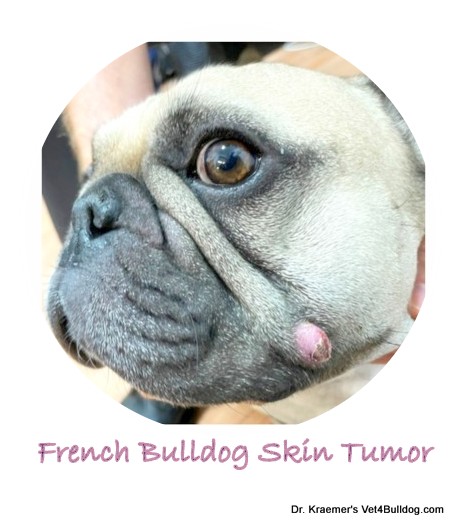
| Skin Cancer (Mast Cell Tumor) | High | 6-10 years | Lumps, redness, itching |
| Bone Cancer (Osteosarcoma) | Moderate | 7-12 years | Lameness, swelling, pain |
| Lymphoma | Moderate | 6-12 years | Swollen lymph nodes, fatigue |
| Hemangiosarcoma | Low | 8-13 years | Weakness, bleeding, collapse |
| Bladder Cancer | Low | 7-11 years | Blood in urine, difficulty urinating |
Mast cell tumors are the most common type seen in French Bulldogs. These appear as skin lumps, sometimes mistaken for harmless growths. Lymphoma affects the immune system and shows up as swollen glands. Bone cancer is less frequent but very aggressive. Hemangiosarcoma and bladder cancer are rarer, but still possible.
Early Warning Signs Every Owner Should Know
Cancer symptoms are tricky—they often seem like normal aging or minor problems. Here’s what to watch for:
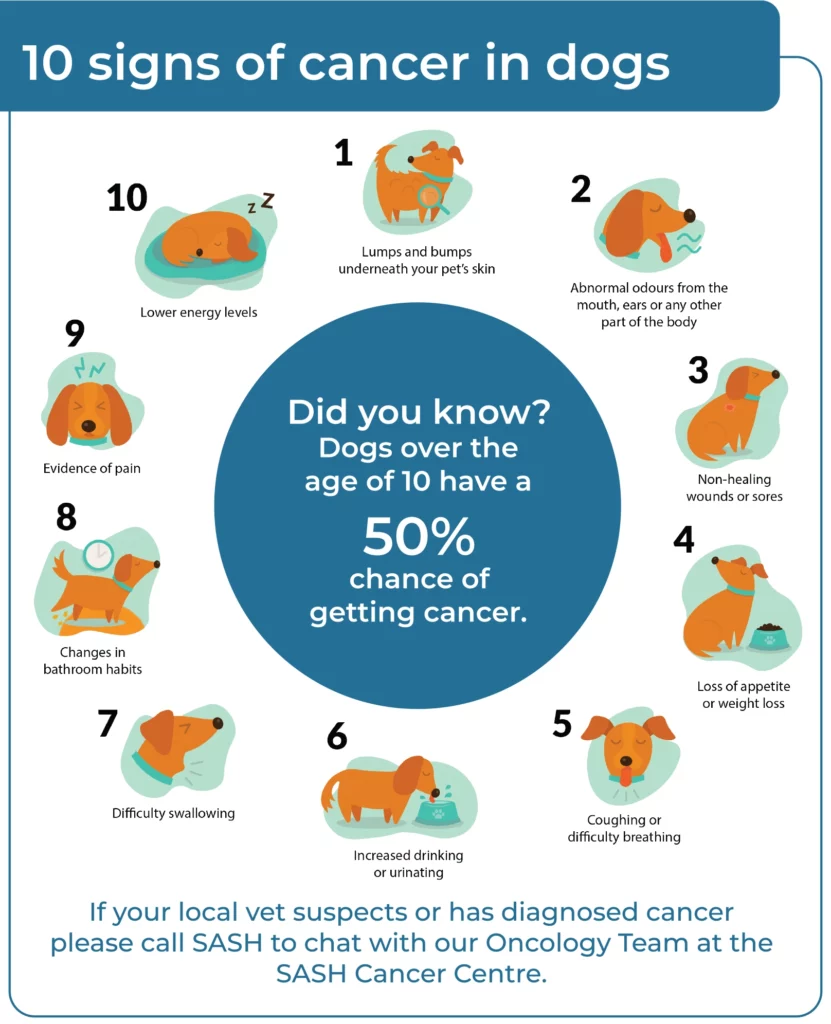
1. Unusual Lumps Or Bumps
French Bulldogs often develop skin lumps. Most are harmless, but some can be cancerous. Key signs:
- Lumps that grow quickly
- Lumps that change color or texture
- Lumps that bleed or ooze
- Lumps that don’t heal
Check your dog’s body during grooming. Look under skin folds, behind ears, and on legs. If you find a lump, note its size and shape. Take a photo for future comparison.
2. Persistent Sores Or Wounds
Wounds that don’t heal in two weeks may signal cancer. Watch for:
- Open sores that get bigger
- Red, irritated patches
- Scabs that return after healing
French Bulldogs’ skin folds can hide these sores, so check carefully.
3. Swollen Lymph Nodes
Lymph nodes are small glands found in the neck, armpits, and groin. Swelling here can mean lymphoma or infection. Signs to notice:
- Firm, round lumps under the skin
- Swelling that lasts more than a week
- No pain when pressed
If you notice swollen nodes, see a vet soon.
4. Sudden Weight Loss
Unexplained weight loss is a major warning sign. If your French Bulldog loses weight but eats normally, cancer could be the cause. Other signs:
- Visible ribs or spine
- Loss of muscle mass
- Sudden drop in energy
Track your dog’s weight monthly. A loss of more than 5% in a month is serious.
5. Appetite Changes
Cancer can cause hunger loss or, sometimes, increased hunger. Watch for:
- Refusing favorite foods
- Eating much less for days
- Drinking more or less water
These changes often mean something is wrong internally.
6. Lethargy And Weakness
Dogs with cancer tire easily. Signs include:
- Sleeping more than usual
- Avoiding play or walks
- Difficulty getting up
Don’t ignore these signs, especially in young dogs.
7. Difficulty Breathing
French Bulldogs already struggle with breathing because of their flat faces. But cancer can make this worse:
- Heavy panting without exercise
- Wheezing or noisy breaths
- Blue gums or tongue
If breathing changes suddenly, seek emergency care.
8. Persistent Cough Or Voice Changes
A cough that lasts more than two weeks is not normal. Cancer in the lungs or throat can cause:
- Dry, hacking cough
- Change in bark or growl
- Coughing up blood
Coughing in French Bulldogs is often overlooked—don’t make this mistake.
9. Problems With Urination Or Defecation
Bladder or bowel cancers cause:
- Blood in urine or stool
- Difficulty urinating or passing stool
- Frequent accidents indoors
Monitor bathroom habits closely.
10. Limping Or Bone Pain
Bone cancer leads to sudden lameness:
- Limping for no clear reason
- Swelling in legs or joints
- Crying when touched
Even mild limping can signal serious trouble.
Less Obvious Cancer Symptoms In French Bulldogs
Some symptoms are easy to miss, especially for beginners. Here are non-obvious signs that often go unnoticed:
- Bad breath: Persistent bad odor from the mouth can mean oral cancer.
- Sudden behavioral changes: Dogs may become withdrawn, irritable, or anxious.
- Unusual bleeding: Nosebleeds, bleeding gums, or blood in saliva.
- Eye changes: Cloudiness, bulging, or discharge may signal eye cancer.
- Skin discoloration: Dark spots, pale patches, or visible blood vessels.
- Temperature sensitivity: Avoiding heat or cold more than usual.
Owners often miss these signs because they seem minor. But together, they can point to serious illness.
How Symptoms Compare To Other Health Issues
Cancer symptoms often overlap with common French Bulldog health problems. Here’s a comparison to help you spot the difference:
| Symptom | Cancer | Allergy/Infection | Normal Aging |
|---|---|---|---|
| Lumps | Rapid growth, bleeding, changing shape | Redness, itching, stable size | Small, slow-growing, no pain |
| Weight Loss | Sudden, unexplained | After illness, gradual | Very slow, age-related |
| Weakness | Progressive, severe | Short-term, after infection | Mild, age-related |
| Bleeding | Frequent, from odd places | From wounds, obvious cause | Rare |
| Appetite Change | Long-lasting, severe | Short-term, after illness | Mild, gradual |
Non-obvious insight: Many owners confuse cancer symptoms with allergies or aging. But cancer usually causes faster, more dramatic changes. If symptoms last or worsen, it’s time for a vet check.
When To See A Vet And What To Expect
If you notice any warning signs, don’t wait. Early diagnosis is key. Here’s what will happen at the vet:
- Physical exam: The vet checks your dog’s body for lumps, swelling, or pain.
- Medical history: You’ll answer questions about symptoms, diet, and behavior.
- Diagnostic tests: May include blood tests, X-rays, ultrasound, or biopsy.
- Treatment options: If cancer is found, the vet explains choices—surgery, medication, or chemotherapy.
Practical tip: Bring a notebook with symptom dates and photos. This helps the vet spot patterns and make faster decisions.
Common mistake: Many owners delay vet visits, hoping symptoms will go away. Cancer rarely improves without treatment.
How To Monitor Your French Bulldog For Early Signs
Regular checks at home help catch cancer early. Here’s a simple routine:
- Monthly physical check: Gently feel your dog’s body for lumps, bumps, and swelling.
- Watch weight and appetite: Use a kitchen scale to weigh your dog monthly. Track meal sizes.
- Check bathroom habits: Note changes in urine or stool color, frequency, or accidents.
- Observe energy levels: Track play, walks, and sleep. Look for changes.
- Inspect skin and fur: Look for sores, redness, or color changes.
If you find something unusual, take a photo and write it down. Compare next month. If symptoms worsen, call your vet.
Risk Factors That Make Cancer More Likely
Some French Bulldogs are more likely to develop cancer due to certain factors:
| Risk Factor | How It Increases Cancer Risk | Action Owners Can Take |
|---|---|---|
| Age (over 6 years) | Cells are more likely to mutate | Regular vet check-ups |
| Family history | Inherited genes | Ask breeder about parent health |
| Obesity | Inflammation, hormone changes | Keep dog fit, balanced diet |
| Second-hand smoke | Carcinogens in air | Keep home smoke-free |
| Chronic skin problems | Constant inflammation | Treat skin issues quickly |
| Sun exposure | UV rays damage skin cells | Limit outdoor time midday |
Non-obvious insight: French Bulldogs with chronic allergies or skin infections face a higher risk of skin cancer. Treating skin issues early can lower cancer risk.
Credit: sashvets.com
What Owners Can Do To Prevent Cancer
While you can’t change genetics, you can reduce environmental risks:
- Feed a balanced diet: Quality food supports the immune system.
- Maintain healthy weight: Obesity increases cancer risk.
- Avoid second-hand smoke: Keep your dog away from smokers.
- Limit sun exposure: Protect from strong sunlight, especially if your dog has light skin.
- Treat skin issues fast: Don’t let wounds or infections linger.
- Regular vet visits: Annual exams help catch problems early.
- Vaccinate and use preventatives: Some infections can lead to cancer.
Practical tip: Ask your vet about breed-specific cancer screening. Early tests can save lives.
Treatment Options For French Bulldog Cancer
If your French Bulldog is diagnosed with cancer, there are several treatment options. Your vet will recommend the best plan based on the type, stage, and your dog’s overall health.
Surgery
Surgery is often the first step, especially for tumors that can be removed. French Bulldogs tolerate surgery well, but recovery may take longer due to their breathing issues.
Chemotherapy
Chemotherapy uses medicine to kill cancer cells. Dogs usually handle chemotherapy better than humans. Side effects are milder—fatigue, appetite loss, or upset stomach.
Radiation Therapy
Radiation targets cancer cells directly. It’s used for tumors that can’t be removed or are in tricky spots.
Palliative Care
When cancer is advanced, palliative care focuses on comfort. This includes pain management, special diets, and emotional support.
Common mistake: Owners sometimes stop treatment too soon, fearing side effects. Talk to your vet about balancing quality of life and treatment.
Credit: vet4bulldog.com
Emotional Impact And How To Cope
Discovering cancer in your French Bulldog is emotionally hard. Many owners feel guilt, sadness, or confusion. It’s normal to grieve and worry.
Ways to cope:
- Ask questions: Talk openly with your vet. Get second opinions if needed.
- Join support groups: Other owners can share advice and comfort.
- Focus on quality time: Enjoy walks, play, and cuddles.
- Prepare for ups and downs: Cancer treatment can be unpredictable.
Non-obvious insight: Dogs sense your emotions. Staying calm and positive helps your French Bulldog feel safe.
Real-life Examples: How Owners Spotted Cancer Early
Hearing real stories can help you understand what to look for. Here are two examples:
Case 1: Skin Lump
Maria noticed a small lump on her French Bulldog’s back. At first, she thought it was just a bug bite. But the lump doubled in size within two weeks and started oozing. Maria took her dog to the vet, who diagnosed a mast cell tumor.
Early surgery removed the cancer, and her dog made a full recovery.
Case 2: Sudden Weight Loss
Jake’s French Bulldog lost three pounds in one month. Jake assumed it was diet-related but checked with his vet. Tests showed lymphoma. Jake started treatment early, and his dog’s symptoms improved.
Key lesson: Early action saves lives. Even “minor” symptoms can mean major problems.
What Happens After Diagnosis: Step-by-step Guide
Here’s what you can expect if your French Bulldog is diagnosed with cancer:
- Diagnosis confirmation: The vet reviews test results and confirms cancer type.
- Staging: Tests determine if the cancer has spread.
- Treatment plan: Surgery, medication, or palliative care.
- Follow-up visits: Regular checks to monitor progress.
- Home care: You may give medicine, monitor symptoms, or adjust diet.
- Support: Emotional and practical help from vet, friends, or support groups.
Practical tip: Create a calendar for treatment dates, medicine, and vet visits.
How To Help Your French Bulldog Stay Comfortable
If your dog is fighting cancer, comfort matters most. Here’s how to help:
- Soft bedding: Prevents soreness and helps rest.
- Easy access to water and food: Make bowls reachable.
- Gentle exercise: Short walks boost mood.
- Pain relief: Ask your vet about safe options.
- Avoid stress: Keep routines stable, limit visitors.
French Bulldogs love routines. Small changes can make them anxious, so stay consistent.
Credit: www.southseminoleanimalhospital.com
What To Do If You Suspect Cancer
If you notice any warning signs:
- Don’t panic: Many symptoms have other causes.
- Document symptoms: Note dates, changes, and take photos.
- Call your vet: Describe symptoms clearly.
- Follow vet advice: Tests may be needed.
Common mistake: Waiting too long. Early vet visits improve chances.
Frequently Asked Questions
What Are The First Signs Of Cancer In French Bulldogs?
The most common first signs are unusual lumps, weight loss, and persistent sores. Some dogs show changes in appetite or energy. Always check for fast-growing lumps, swollen lymph nodes, and unexplained bleeding.
How Can I Tell If A Lump Is Cancerous?
Cancerous lumps often grow quickly, change shape, and may bleed. Benign lumps are usually stable and painless. If a lump changes over days or weeks, see your vet.
Is Cancer More Common In Older French Bulldogs?
Yes, cancer risk increases sharply with age. Most cases occur in dogs over six years old. Regular vet checks and early screening are vital for older French Bulldogs.
Can Cancer Be Prevented In French Bulldogs?
While you can’t prevent all cancers, you can reduce risk by keeping your dog fit, feeding balanced meals, avoiding second-hand smoke, and treating skin issues quickly. Annual vet visits help catch problems early.
What Is The Survival Rate For French Bulldogs With Cancer?
Survival depends on cancer type, stage, and treatment. For mast cell tumors caught early, the survival rate is over 70%. For advanced lymphoma, survival is lower. Early detection always improves outcomes. For more information, see Cornell University College of Veterinary Medicine.
Every French Bulldog is unique. With careful observation, regular vet visits, and quick action, you can help your dog stay happy and healthy—even in the face of cancer. Owners who know the warning signs make the biggest difference for their beloved pets.
We’re the dedicated team behind MyPawSafe.com, with over a decade of combined experience in veterinary care, pet emergency response, and animal behavior. While we prefer to let our work speak for itself, our mission is clear: to provide science-backed, vet-approved advice that helps pet owners prevent accidents and save lives.