German Shepherd Show Dogs: Traits, Lines, and What Judges Look For
German Shepherds are one of the most recognized dog breeds worldwide. Their intelligence, loyalty, and beauty make them a favorite for families, police, and military units. However, German Shepherd show dogs are a special group. They are bred, trained, and presented to meet strict standards. If you want to understand what makes a German Shepherd stand out in the show ring, this article offers a deep look at their traits, bloodlines, and what judges expect. Whether you’re new to dog shows or want to improve your knowledge, you’ll find clear explanations and practical advice here.
The Essence Of German Shepherd Show Dogs
Show dogs are more than pets. They are ambassadors of their breed. German Shepherds in the show ring must display the best qualities of their breed standard. This includes physical appearance, movement, and temperament.
The breed standard, developed by the German Shepherd Dog Club of America and the American Kennel Club (AKC), defines what a perfect German Shepherd should be. The show dog’s job is to represent this ideal as closely as possible. Judges score dogs based on how well they fit these standards.
In the world of German Shepherds, there are two main types: show lines and working lines. Show lines focus on appearance and temperament, while working lines prioritize ability and drive. Although both are German Shepherds, they differ in many ways, especially in the show ring.
Key Traits Of German Shepherd Show Dogs
To win at dog shows, German Shepherds must have specific traits. These traits are defined by the breed standard and are the basis for judging.
1. Physical Appearance
Judges pay close attention to the dog’s overall look. The ideal German Shepherd is:
- Medium to large size (males: 24–26 inches tall; females: 22–24 inches)
- Weight between 65–90 pounds for males, 50–70 pounds for females
- Strong, athletic, but not bulky
- Balanced proportions, with the length of the body slightly longer than height
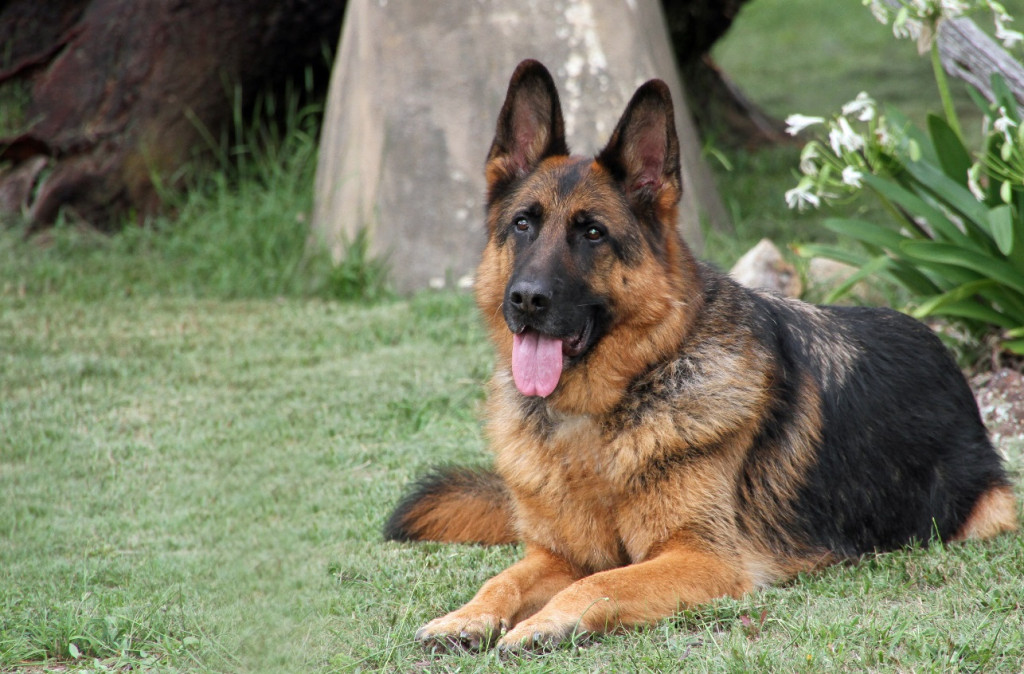
The head should be clean and noble, with a confident expression. Ears are erect and pointed, never floppy. Eyes are almond-shaped and dark, showing intelligence. The neck is muscular and long, leading to a straight, strong back.
Coat is another important feature. German Shepherds have a double coat — a dense undercoat and a harsher topcoat. Colors accepted include black and tan, sable, solid black, and sometimes gray or red. Excessive white markings or pale colors are considered faults.
2. Movement And Gait
One of the most important traits is the gait. German Shepherds should move smoothly and efficiently. Judges watch the dog in motion, looking for:
- Free, flowing movement
- Long stride, covering ground with ease
- Strong drive from the back legs
- Coordination between front and back legs
Good movement shows the dog’s physical health, strength, and structure. Faults like limping, short stride, or awkward movement can lead to lower scores.
3. Temperament
Show dogs must have a steady temperament. German Shepherds are known for their confidence and courage. In the ring, they should be:
- Attentive and alert
- Calm but energetic
- Not aggressive or fearful
Temperament is tested by how the dog reacts to the judge and the environment. A well-trained German Shepherd remains focused even with distractions.
4. Health
Show dogs must be in excellent health. Judges check for signs of disease, parasites, or poor condition. The coat should shine, and the eyes should be clear. Overweight or underweight dogs lose points.
Hip and elbow dysplasia are common problems in German Shepherds. Breeders and owners work hard to avoid these issues, as they affect movement and overall well-being.
Credit: www.barkbusters.com
German Shepherd Show Lines: A Detailed Look
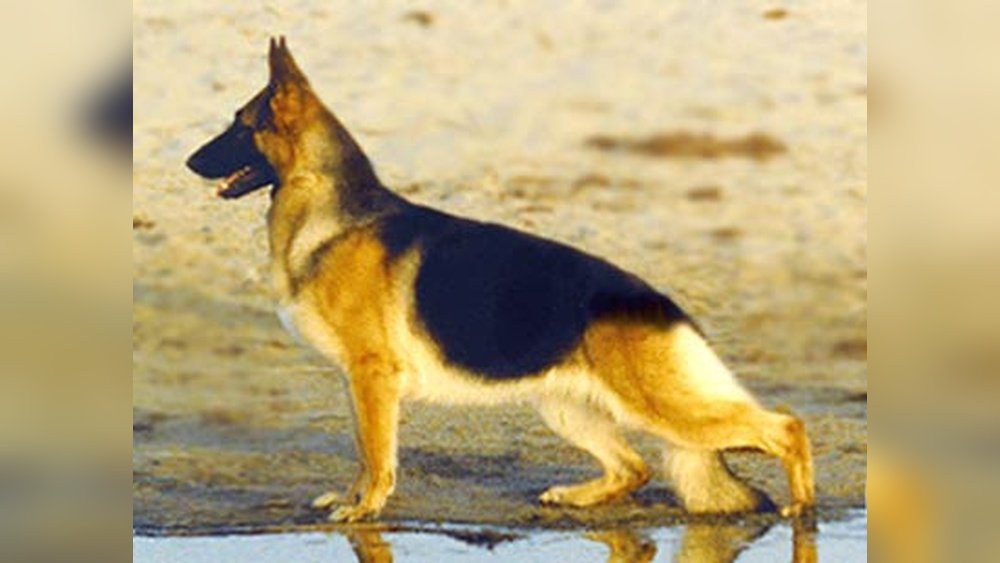
The term show lines refers to German Shepherds bred for the show ring. These dogs are selected for their looks, temperament, and ability to meet breed standards.
American Show Lines
American show lines are popular in the United States. These dogs have:
- Angled backs
- Elegant movement
- Calm temperament
American show line German Shepherds are bred for beauty and grace. They often have a softer personality and are easier to train for obedience and companionship.
German Show Lines
German show lines come from Germany and are based on strict standards set by the SV (Verein für Deutsche Schäferhunde). These dogs have:
- Straighter backs than American lines
- Strong bone structure
- Balanced movement
German show line Shepherds are bred for both appearance and working ability. They are confident, alert, and can handle demanding tasks.
Comparison Of Show Lines
Here’s a comparison between American and German show lines:
| Feature | American Show Lines | German Show Lines |
|---|---|---|
| Back Structure | More angled | Straighter |
| Temperament | Calm, gentle | Confident, alert |
| Movement | Elegant, flowing | Balanced, strong |
| Purpose | Appearance, companionship | Appearance, working ability |
Both types can do well in the show ring. The choice depends on what traits you value and which standard you follow.
Show Lines Vs. Working Lines
Working lines German Shepherds are bred for tasks like police work, search and rescue, and sports. They have:
- Strong drive
- High energy
- Less focus on appearance
Working line Shepherds rarely compete in conformation shows. Their traits don’t always fit breed standards for appearance. However, they excel in performance events and obedience competitions.
What Judges Look For In The Show Ring
Judges have a clear process for scoring German Shepherds. They use the breed standard as a guide and focus on several key areas.
Structure And Balance
Judges examine the dog’s body for balance. The ideal German Shepherd has:
- Straight, strong back
- Deep chest
- Well-developed shoulders and thighs
- Tail that reaches at least to the hock
Balance means the dog’s parts fit together smoothly. A well-balanced dog moves easily and looks strong.
Head And Expression
The head should show nobility and intelligence. Judges check for:
- Proportionate skull and muzzle
- Erect, pointed ears
- Dark, expressive eyes
A German Shepherd’s face should reflect confidence and alertness.
Coat Quality
The coat must be thick and healthy. Judges check for:
- Proper length (not too short or too long)
- Dense undercoat
- Correct color
Dogs with thin coats, excessive shedding, or unusual colors lose points.
Movement
Judges watch the dog walk and run. They look for:
- Smooth, effortless movement
- Powerful drive from hindquarters
- Proper stride length
Movement is tested in a trot and sometimes a run. Poor movement signals structural problems.
Temperament
Judges interact with the dog to check temperament. A good show dog is:
- Confident with strangers
- Not shy or aggressive
- Responsive to the handler
Dogs that snap, cower, or ignore commands are penalized.
Faults And Disqualifications
Some traits are considered faults or even disqualifications. Common faults include:
- Floppy ears
- Oversized or undersized dogs
- White or pale coloring
- Curled tail
Disqualifications may include extreme aggression, fearfulness, or physical deformities.

Credit: www.reddit.com
Preparing A German Shepherd For The Show Ring
Preparation is key for success. Show dogs must be trained, groomed, and conditioned to perform their best.
Socialization
Start with early socialization. Puppies should meet different people and experience new environments. This builds confidence and helps them stay calm in the show ring.
Training
Show dogs learn basic commands and ringcraft. Ringcraft means learning how to stand, walk, and behave during judging. Training includes:
- Walking in a straight line
- Standing still for inspection
- Responding to commands
Handlers often use positive reinforcement — treats, praise, and play.
Grooming
Proper grooming makes a big difference. Steps include:
- Brushing the coat to remove loose hair and dirt
- Bathing with dog-safe shampoo
- Trimming nails
- Cleaning ears and teeth
Grooming should be regular, not just before shows. A healthy coat and clean appearance catch the judge’s eye.
Physical Conditioning
A show dog must be in peak condition. This means:
- Regular exercise
- Balanced diet
- Vet check-ups
Exercise helps build muscle and keeps the dog lean. Avoid overfeeding or underfeeding, as weight affects performance.
Handler Skills
A skilled handler can highlight the dog’s strengths. Handlers learn:
- How to move the dog to show off gait
- How to stack (position) the dog for inspection
- How to keep the dog calm and focused
Handlers often practice with their dogs for months before entering a show.
Non-obvious Insights For Show Success
Many beginners overlook small details that can make a big difference.
1. Mental Preparation
A German Shepherd’s mental state is as important as physical traits. Dogs that are comfortable in the ring perform better. Practice in busy places, expose the dog to noise, and reward calm behavior. This builds ring confidence.
2. Diet And Coat Health
The dog’s diet affects coat quality. Foods rich in omega-3 fatty acids improve shine and thickness. Supplements like fish oil can help, but always consult your vet before changing diets.
3. Timing Your Entry
Choose shows that fit your dog’s age and experience. Puppies can enter special classes, but adult classes are more competitive. Don’t rush — let your dog mature before aiming for big events.
4. Understanding Judge Preferences
Some judges favor certain types — for example, they may prefer the German show line look or value movement over color. Research the judge before entering. Watch past shows to learn their style.
5. Networking With Other Handlers
Talk to experienced handlers. They can share tips and tricks. Attend handling classes or seminars. Building relationships helps you learn faster and avoid common mistakes.
Famous German Shepherd Show Dogs
Over the years, several German Shepherds have made history in the show ring.
Ch. Altana’s Mystique
This famous American show line Shepherd won multiple Best in Show awards. Mystique was known for her perfect movement and stunning coat.
Va1 Zamp Vom Thermodos
A German show line legend, Zamp won the World Sieger title. His balanced structure and confident temperament set the standard for others.
Ch. Covy-tucker Hill’s Manhattan
Manhattan was the first German Shepherd to win Best in Show at Westminster. His noble expression and flawless gait were admired worldwide.
These dogs set the bar for future champions. Their bloodlines are sought after by breeders and competitors.
Breeding For Show Quality
Breeding is a science and an art. Top breeders study bloodlines, genetics, and health.
Selecting Parents
Choose dogs with:
- Proven show records
- Healthy hips and elbows
- Correct temperament
Avoid breeding dogs with faults or health issues. Test for genetic diseases before mating.
Raising Puppies
Puppies must be socialized early. Expose them to noise, people, and other animals. Begin basic training as soon as possible.
Tracking Progress
Keep records of growth, health, and temperament. Not all puppies will become show stars. Select the best for further training.
The Show Dog Lifestyle
Owning a show dog is a big commitment. It involves time, money, and energy.
Costs
Expenses include:
- Entry fees (often $30–$100 per show)
- Grooming supplies
- Training classes
- Travel costs
Top dogs may compete in dozens of shows each year.
Time Commitment
Training and conditioning take hours each week. Owners must attend shows, practice ringcraft, and care for their dog’s health.
Rewards
Winning shows brings prestige, trophies, and sometimes financial rewards. More importantly, it strengthens the bond between owner and dog.
Common Mistakes For Beginners
If you’re new to German Shepherd show dogs, avoid these mistakes:
- Skipping socialization — Dogs that aren’t comfortable with crowds may panic in the ring.
- Neglecting health checks — Hidden health issues can disqualify your dog.
- Overfeeding — Obesity hurts movement and appearance.
- Ignoring ringcraft training — Dogs must learn how to behave in the ring.
- Choosing the wrong bloodline — Not all German Shepherds are suited for shows.
Learn from experienced handlers, attend seminars, and study the breed standard.
How German Shepherds Are Judged: Inside A Show
Dog shows have different formats. The most common is conformation, where dogs are judged on appearance and movement.
Classes
Dogs are divided into classes by age, sex, and previous wins. Common classes include:
- Puppy (6–12 months)
- Novice (new competitors)
- Open (all dogs)
- Champion (dogs that have won titles)
Judging Process
Each dog enters the ring with its handler. The judge inspects the dog, checks teeth, coat, and structure, and watches the dog move. Scores are given based on how closely the dog matches the standard.
Winning Titles
Dogs that win their class move to Best of Breed competition. The best German Shepherds then compete for Group and Best in Show awards.
The Role Of Genetics And Health Testing
Genetics play a huge role in show quality. Responsible breeders use health tests to avoid inherited problems.
Common Tests
- Hip and elbow x-rays — To check for dysplasia
- DNA tests — For diseases like degenerative myelopathy
- Eye exams — To spot vision problems
Healthy parents produce healthier puppies. This increases the chance of show success.
Pedigree Analysis
Breeders study pedigrees — family histories — to predict traits. A strong pedigree increases the value of a show dog.

Credit: romuendergsd.com
Comparing German Shepherds With Other Show Breeds
How do German Shepherds stack up against other popular show breeds? Here’s a quick comparison:
| Breed | Key Show Traits | Common Challenges |
|---|---|---|
| German Shepherd | Balance, movement, temperament | Hip dysplasia, coat faults |
| Golden Retriever | Coat, friendly temperament | Obesity, joint issues |
| Doberman Pinscher | Muscular build, alertness | Heart disease, aggression |
| Boxer | Powerful movement, expression | Cancer, short lifespan |
German Shepherds are unique for their combination of beauty and ability. Their movement and temperament set them apart from other breeds.
The Global Scene: German Shepherd Shows Worldwide
German Shepherd shows are held worldwide. Each country follows its own standards, but most use similar guidelines.
Germany
In Germany, the SV sets strict rules. Dogs must pass working tests as well as conformation exams. The World Sieger Show is the top event.
United States
The AKC and German Shepherd Dog Club of America run shows. American lines are favored, but German lines compete too. Westminster is the most prestigious event.
Australia And Uk
Both countries have active German Shepherd clubs. Shows follow local standards but often use SV guidelines for imported dogs.
Trends
In recent years, there is more focus on health and temperament. Judges now value dogs that can work as well as look good.
Real-life Example: Preparing For A Major Show
Let’s walk through the process of preparing a German Shepherd for a major show.
- Start Early — Begin socialization and training at 8 weeks old.
- Choose the Right Diet — Use high-quality dog food, add omega-3 supplements.
- Regular Vet Visits — Check hips, elbows, and overall health every 6 months.
- Daily Exercise — Walks, play, and structured training keep muscles strong.
- Groom Weekly — Brush coat, clean ears, trim nails.
- Attend Handling Classes — Practice ringcraft with professionals.
- Enter Local Shows First — Build confidence before big events.
A well-prepared dog stands out. Judges notice effort and dedication.
The Future Of German Shepherd Show Dogs
The world of German Shepherd shows is always changing. New health tests, better training methods, and improved breeding practices are making dogs healthier and more impressive.
Breeders are focusing more on temperament and working ability, not just looks. Judges are rewarding dogs that can do more than just look good.
There’s also a push for transparency. Pedigree records, health certificates, and show results are published online. This helps buyers and breeders make better choices.
For more information on breed standards and show history, visit the Wikipedia German Shepherd page.
Frequently Asked Questions
What Is The Difference Between Show Line And Working Line German Shepherds?
Show line German Shepherds are bred for appearance, movement, and temperament according to breed standards. Working line Shepherds focus on ability, drive, and performance. Show lines often have more angled backs and calmer personalities, while working lines have straighter backs and higher energy.
How Old Should A German Shepherd Be Before Entering Shows?
Most German Shepherds start in puppy classes at 6 months. For major shows, dogs should be at least 1–2 years old, fully grown, and trained. Some handlers wait until the dog matures mentally and physically.
What Are Common Faults In German Shepherd Show Dogs?
Common faults include floppy ears, pale coloring, poor movement, oversized or undersized bodies, and curled tails. Aggression and fearfulness are also faults and can lead to disqualification.
How Can I Improve My German Shepherd’s Coat For Shows?
Feed a diet rich in omega-3 fatty acids and protein. Brush regularly to remove dead hair and distribute oils. Use dog-safe shampoos and avoid over-bathing. Consult your vet before adding supplements.
Are German Shepherds Judged Differently In Different Countries?
Yes, standards can vary. In Germany, dogs must pass working tests as well as appearance exams. In the United States, focus is more on appearance and temperament. Some judges favor certain traits based on their country’s standard.
German Shepherd show dogs are the result of careful breeding, training, and presentation. Whether you aim to compete or simply admire these magnificent animals, understanding their traits, lines, and what judges look for helps you appreciate the beauty and complexity of the breed.
With patience and knowledge, you can succeed in the world of German Shepherd shows.

We’re the dedicated team behind MyPawSafe.com, with over a decade of combined experience in veterinary care, pet emergency response, and animal behavior. While we prefer to let our work speak for itself, our mission is clear: to provide science-backed, vet-approved advice that helps pet owners prevent accidents and save lives.