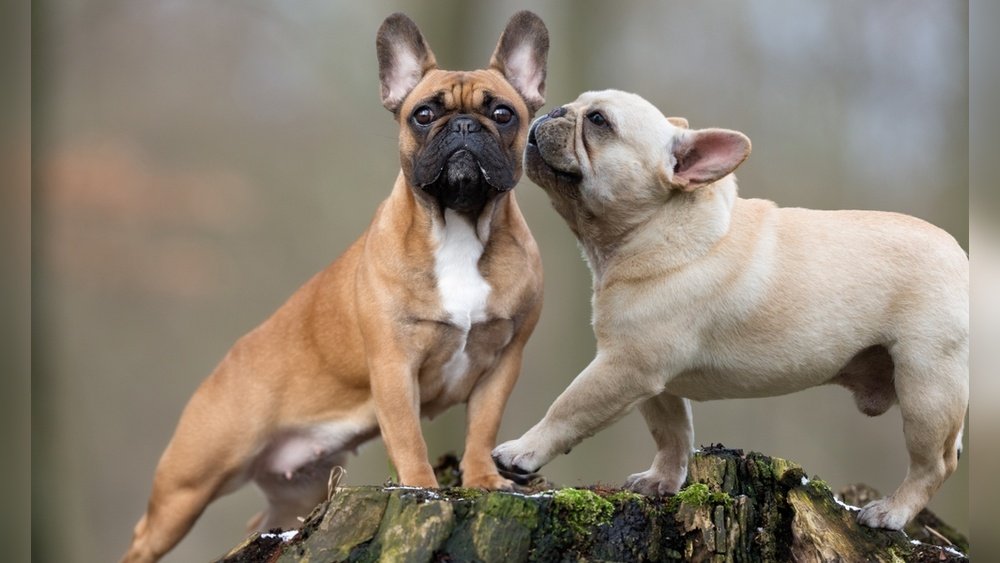
Potty training an English Bulldog is a journey that tests patience, consistency, and your understanding of this unique breed. If you’re searching for a clear, realistic timeline and daily schedule, you’ve already made one smart move: planning ahead. Bulldogs are lovable, stubborn, and sometimes slow to learn new habits. Knowing what to expect, and how to adapt your routine, can save months of frustration. This guide walks you through proven methods, practical schedules, and the hidden details that most beginners miss. With the right approach, your Bulldog will learn where to go—and you’ll avoid common mistakes that lead to setbacks.
Understanding English Bulldog Potty Training
English Bulldogs are known for their charming looks and gentle personalities. But when it comes to potty training, their stubbornness and slow learning curve can surprise even experienced dog owners. Bulldogs are not naturally fast learners. They need extra patience and motivation. Unlike some breeds that respond quickly to commands, Bulldogs may ignore instructions or resist changes.
Bulldogs also have short attention spans and limited bladder control as puppies. Most can only hold their urine for 1 hour per month of age (for example, a 3-month-old pup can wait about three hours). Knowing this helps you set realistic expectations. They learn best with positive reinforcement—praise, treats, and gentle guidance. Negative reactions often make things worse.
Another point: English Bulldogs are sensitive to stress and routine changes. If you move their potty spot, change their food, or disrupt their schedule, accidents can increase. Consistency is key. Before you start, make sure everyone in your home understands the routine and follows the same rules.
The Realistic Potty Training Timeline
Many new Bulldog owners hope for quick results. But Bulldogs rarely learn overnight. Here’s a practical timeline based on age, breed traits, and real-world experience:
| Age | Expected Progress | Bladder Control |
|---|---|---|
| 8-10 weeks | Learning basics, frequent accidents | 1-2 hours |
| 10-16 weeks | Fewer accidents, understands routine | 2-3 hours |
| 4-6 months | Consistent results, accidents rare | 4-6 hours |
| 6-12 months | Fully trained, occasional lapses | 6-8 hours |
Most Bulldogs need 4-6 months to reach reliable potty habits. Some take longer, especially if training starts late or routines change. If you see progress every month, you’re on track. Slow but steady improvement is normal. Don’t expect perfection before six months.
Key Phases In Potty Training
- Initial Learning (8-12 weeks): The puppy learns where to go but makes mistakes daily.
- Routine Building (12-16 weeks): The puppy starts to recognize potty areas and signals, but accidents still happen.
- Habit Formation (4-6 months): The puppy follows the schedule, can hold urine longer, and accidents drop.
- Maintenance (6-12 months): Occasional reminders may be needed, but the dog is mostly reliable.

Credit: www.amazon.com
Setting Up For Success: Supplies And Environment
Success starts with the right setup. Bulldogs need clear boundaries, easy access, and safe spaces.
Essential Supplies
- Crate: Choose a crate large enough for the Bulldog to turn around but not big enough to use one corner as a bathroom. Crate training helps teach bladder control.
- Puppy pads: Useful for indoor training but should be phased out as the dog learns.
- Cleaning products: Use enzyme-based cleaners to remove odors. Bulldogs will revisit spots if they smell urine.
- Leash: Helps guide the puppy to the potty spot.
- Treats: Small, soft treats for positive reinforcement.
Creating The Potty Area
Pick a spot outside that’s easy to reach, sheltered from bad weather, and quiet. Bulldogs dislike cold, wet, or noisy places. If you train indoors first, use a pad in a consistent spot. Always lead the puppy to the same area.
Over time, move indoor pads closer to the door, then outside.
Crate Training Tips
Crate training is a proven way to teach Bulldogs bladder control. Dogs naturally avoid soiling their sleeping area. The crate should feel safe, not like a punishment. Introduce the crate slowly, with toys and treats inside. Never leave the puppy in the crate for longer than their bladder allows.
If they cry, check if they need a potty break.
Daily Potty Training Schedule
A fixed schedule makes training easier for both you and your Bulldog. Here’s a realistic daily routine for puppies under six months:
| Time | Activity | Potty Break? |
|---|---|---|
| 6:00 am | Wake up, quick potty outside | Yes |
| 7:00 am | Breakfast | Yes (immediately after eating) |
| 9:00 am | Playtime, supervised | Yes |
| 12:00 pm | Lunch | Yes (after meal) |
| 2:00 pm | Nap in crate | No |
| 3:00 pm | Wake up, potty break | Yes |
| 6:00 pm | Dinner | Yes (after meal) |
| 8:00 pm | Playtime, last potty before bed | Yes |
| 10:00 pm | Bedtime | Yes (final potty) |
As your Bulldog ages, you can reduce the number of breaks. By six months, most Bulldogs only need 4-6 breaks per day. Always watch for signs: sniffing, circling, whining, or sudden stops during play.
Nighttime Potty Training
Young puppies often need a nighttime potty break. Set an alarm for 2-3 hours after bedtime, especially in the first month. Reduce nighttime breaks as the puppy grows. If accidents happen, don’t scold—clean up quietly and stick to the routine.
Step-by-step Potty Training Process
Potty training is more than just letting your Bulldog outside. Here’s a clear process:
- Start with a crate: Use the crate for naps and nighttime. Let the puppy out for breaks every 1-2 hours.
- Lead to potty area: Always use the same door and route. This builds habit.
- Wait for action: Give the puppy a few minutes. If they don’t go, return inside and try again soon.
- Praise and reward: Immediately after the puppy goes, offer a treat and gentle praise.
- Monitor after meals/play: These are high-risk times for accidents. Take breaks after every meal and play session.
- Ignore accidents: Clean up with enzyme cleaner. Don’t punish—the puppy won’t understand.
- Increase intervals: Gradually lengthen the time between breaks as the puppy grows.
Recognizing Potty Signals
Bulldogs often show subtle signs before needing a break. Learn to spot:
- Sniffing or circling
- Sudden stops during play
- Whining or pawing at the door
- Restlessness after eating or napping
React quickly when you see these signals. Missing them is the main cause of accidents.
Common Challenges And Mistakes
Potty training rarely goes smoothly. Here are the most frequent obstacles:
1. Inconsistent Schedule
If you skip breaks, change meal times, or let the puppy roam unsupervised, accidents increase. Stick to the schedule—even weekends.
2. Using Punishment
Bulldogs don’t respond well to scolding. Negative reactions cause fear and more accidents. Focus on positive reinforcement.
3. Not Cleaning Accidents Properly
Ordinary cleaners leave odors. Use enzyme-based products to remove all traces. If the dog smells urine, they’ll return to the spot.
4. Moving The Potty Area
Changing locations confuses the puppy. Keep the potty spot consistent until the habit is strong.
5. Rushing The Process
Some owners expect instant results. Bulldogs need time. If you skip steps or stretch intervals too fast, setbacks happen.
6. Missing Subtle Signals
Many Bulldogs give quiet signs, not loud ones. Watch for small changes in behavior.
7. Overusing Puppy Pads
Pads are helpful for indoor training, but they can delay outdoor habits. Phase them out as soon as possible.

Credit: doggielawn.com
Special Considerations For English Bulldogs
Bulldogs have unique needs. Their bodies and personalities affect training.
Short Noses And Cold Weather
Bulldogs dislike extreme temperatures. In winter, they may refuse to go outside. Consider a sheltered potty area or short breaks when it’s cold.
Sensitive Stomachs
Bulldogs often have food sensitivities. Sudden changes can cause diarrhea, making training harder. Keep meals consistent.
Stubbornness
Bulldogs may resist instructions, especially if bored or distracted. Use high-value treats and keep sessions positive.
Health Issues
Some Bulldogs develop urinary tract infections or other health problems. If accidents suddenly increase, check with your vet.
Measuring Progress: How To Know Training Is Working
Tracking progress helps you spot problems early. Here are signs of improvement:
- Fewer accidents each week
- Puppy goes to the door or potty area on their own
- Longer intervals between breaks
- Consistent routine, even in new situations
If progress stalls for more than two weeks, review your routine. Check for missed signals, changes in environment, or health issues.
Advanced Tips For Faster Results
Most guides cover the basics, but some advanced tactics speed up training:
1. Use A Potty Command
Teach a specific word (“Go potty”) when the puppy is in the spot. Repeat until they associate the command with the action.
2. Keep A Potty Diary
Record meals, breaks, and accidents. Patterns help you adjust the schedule. This is especially useful for families with multiple caregivers.
3. Reduce Water Before Bed
Limit water intake 1-2 hours before bedtime. This helps the puppy sleep through the night.
4. Use A Bell At The Door
Some Bulldogs learn to ring a bell when they need to go out. Hang a bell at the exit, and guide the puppy to touch it before each break.
5. Gradual Freedom
Increase the puppy’s access to rooms as they improve. Start with one space, add more after a week of accident-free days.
6. Socialization
Introduce new people and places slowly. Bulldogs may regress if overwhelmed. Keep routines steady during changes.
Real-life Example: Potty Training Progression
Let’s look at a real-world case for clarity.
Bella, an English Bulldog puppy, started training at 9 weeks old. Her owner set a schedule with breaks every 2 hours, used a crate, and led her to the same outdoor spot each time. In the first month, Bella had daily accidents but gradually learned to hold her bladder longer.
By 12 weeks, she was accident-free during the day but needed a nighttime break. Her owner used a potty command and praised her every time. By 16 weeks, Bella rang a bell at the door and had fewer accidents. At six months, she was fully trained and could go six hours between breaks.
Bella’s progress slowed during a family vacation. Routine changes caused setbacks. The owner returned to basics—more frequent breaks and a consistent schedule. Within two weeks, Bella was back on track.
This example shows that setbacks are normal. Consistent routines, positive reinforcement, and patience lead to lasting results.

Credit: www.youtube.com
Comparing Bulldogs To Other Breeds
How does Bulldog potty training compare to other breeds? Here’s a quick overview:
| Breed | Typical Training Time | Learning Speed | Bladder Control |
|---|---|---|---|
| English Bulldog | 4-6 months | Slow to moderate | Moderate |
| Labrador Retriever | 2-3 months | Fast | Strong |
| Shih Tzu | 6-8 months | Slow | Poor |
| German Shepherd | 2-4 months | Fast | Strong |
| Pug | 4-6 months | Moderate | Moderate |
Bulldogs are slower than Labs or Shepherds but faster than Shih Tzus. Their stubbornness and sensitivity make patience extra important.
What To Do If Training Stalls
Sometimes, progress stops. Here’s how to troubleshoot:
- Review your routine: Are you missing signals or skipping breaks?
- Check the environment: Has the potty area changed? Is the weather harsh?
- Look for health issues: Sudden accidents can signal infection or digestive problems.
- Go back to basics: Increase breaks, use the crate, reinforce positive habits.
If the problem continues, consult your vet or a professional trainer. Bulldogs often need extra support.
Non-obvious Insights Beginners Miss
- Bulldogs often hide accidents: Some will soil in hidden corners, not just open spaces. Check behind furniture and in quiet spots.
- Stress causes setbacks: Loud noises, new pets, or visitors can trigger accidents. Create a calm environment during training.
- Routine trumps age: Bulldogs trained with a strict routine learn faster than older dogs with inconsistent schedules.
- Treats must be special: Bulldogs respond best to treats they don’t get at other times. Use high-value rewards only for potty successes.
Frequently Asked Questions
How Long Does It Take To Potty Train An English Bulldog Puppy?
Most Bulldogs are reliably trained within 4-6 months. Some take longer if training starts late or routines change often. Progress is slow at first but speeds up as habits build.
Why Does My Bulldog Keep Having Accidents After Six Months?
If accidents continue, review your schedule and environment. Common causes include inconsistent routines, health issues, or stress. Sometimes, Bulldogs regress during changes like vacations or new family members. Stick to basics and consult your vet if needed.
Can I Use Puppy Pads For Long-term Potty Training?
Pads help with indoor training but should be phased out as soon as possible. Bulldogs may develop a preference for pads, delaying outdoor habits. Transition to outdoor breaks for lasting results.
What Should I Do If My Bulldog Refuses To Go Outside?
Bulldogs dislike extreme weather and noisy areas. Create a sheltered, quiet potty spot. If your dog resists, use treats and praise to motivate them. In cold or wet weather, keep breaks short but frequent.
Are Bulldogs Harder To Potty Train Than Other Breeds?
English Bulldogs are more stubborn and learn slowly compared to fast learners like Labradors. With patience, consistency, and positive reinforcement, most Bulldogs reach reliable habits within six months.
Potty training your English Bulldog is a marathon, not a sprint. Set realistic expectations, follow a steady routine, and use positive reinforcement. Most Bulldogs need extra time and patience, but the effort pays off with a clean, happy home and a confident dog. If you stay consistent and adapt to setbacks, your Bulldog will learn—and you’ll build a stronger bond along the way. For more breed-specific tips, check out the English Bulldog breed profile.
We’re the dedicated team behind MyPawSafe.com, with over a decade of combined experience in veterinary care, pet emergency response, and animal behavior. While we prefer to let our work speak for itself, our mission is clear: to provide science-backed, vet-approved advice that helps pet owners prevent accidents and save lives.