Poodles are famous for their intelligence, playful spirit, and eye-catching hair. But not everyone knows that poodle hair comes in different types and textures, each with its own grooming needs. Whether you own a Standard Poodle, Miniature Poodle, or Toy Poodle, understanding their coat is the key to keeping your dog healthy and looking its best. The world of poodle curls is more complex than it seems. Learning about coat types, curl patterns, and maintenance can help you avoid common mistakes and enjoy a happier life with your poodle.
Let’s explore the different types of poodle hair, how to recognize them, and what you need to do to keep your poodle’s coat in top condition. If you’re a new owner or considering bringing a poodle home, this guide will give you clear, practical advice you can trust.
The Unique Qualities Of Poodle Hair
Poodles stand out from other breeds because of their non-shedding, curly coats. These coats are more than just beautiful. They protect the skin, help regulate temperature, and even reduce allergies for some people. But their unique hair also means more work for owners.
Unlike most dogs, poodles have hair instead of fur. This means their hair grows continuously, like human hair, and needs regular cutting. The structure of their curls also makes them prone to tangling and matting. Understanding these special qualities will help you appreciate why poodle grooming is so important.
How Poodle Hair Differs From Other Dog Breeds
Most breeds have two coat layers: a dense undercoat and a weather-resistant topcoat. Poodles, however, have a single-layer coat made of dense, curly hair. This means:
- Less shedding than most breeds
- Lower risk of triggering allergies
- Higher need for brushing and trimming
These differences give poodles their signature style but also require more attention from their owners.
Main Types Of Poodle Coats
Not every poodle has the same kind of hair. In fact, poodle coats can look and feel very different depending on genetics, age, and even grooming habits. Here are the main types of poodle hair you might find:
1. Curly Coat
The classic poodle look is the curly coat. This type is made up of tight, springy curls that are soft but dense. Curly coats are the most common in all poodle sizes.
Key features:
- Tight, even curls all over the body
- Soft to touch but thick
- Curls stay close to the skin
Curly coats are the easiest to style and shape for classic poodle cuts. However, they require daily brushing to prevent mats and tangles.
2. Corded Coat
The corded coat is much less common and looks like long, rope-like strands. Some poodle owners train their dog’s hair to grow this way for a unique look.
Key features:
- Hair naturally forms cords or “dreadlocks”
- Cords can grow several inches long
- Takes years to develop fully
Corded coats are rare and need expert grooming. They are not ideal for most pet owners because cords are hard to clean and take a lot of time to form.
3. Wavy (improper) Coat
Some poodles, especially mixes or those from less selective breeding, have a wavy coat. This type is between straight and curly.
Key features:
- Looser waves instead of tight curls
- Softer, silkier texture
- Can appear almost straight in some areas
Wavy coats are easier to brush but may not offer the same “poodle look. ” They can also shed more than curly coats.
4. Puppy Coat
All poodles are born with a puppy coat. This coat is very soft, fluffy, and less curly than the adult version. As the dog matures, the hair changes to the adult style.
Key features:
- Fluffy, with loose or slight waves
- Very soft and fine
- Begins to change between 9-18 months of age
Owners must be careful during this transition, as the new adult hair can tangle with the puppy hair, causing mats.
Comparing Poodle Coat Types
To better understand the differences, here is a quick comparison of the most common poodle coat types:
| Coat Type | Texture | Curl Pattern | Grooming Difficulty | Commonality |
|---|---|---|---|---|
| Curly | Dense, soft | Tight curls | Moderate | Very common |
| Corded | Rope-like | Cords/dreadlocks | High | Rare |
| Wavy | Silky, soft | Loose waves | Low | Uncommon |
| Puppy | Fluffy, fine | Loose or wavy | Low | Universal (puppies) |
Poodle Curl Patterns Explained
When people picture a poodle, they often think of those tight, bouncy curls. But even within curly coats, curl patterns can be quite different.
Tight Curls
These are the most common and are what gives poodles their “puffy” look. Tight curls act like springs, making the coat stand out from the body. They help protect the dog from water and cold.
Looser Curls
Some poodles have curls that are not as tight. These curls are still bouncy but lie flatter against the body. Looser curls are more common in mixed breeds or poodles from certain lines.
Corkscrew Curls
These are very tight, spiral-shaped curls that are dense and thick. Corkscrew curls are harder to brush and need more frequent grooming to prevent matting.
Wavy Patterns
Wavy coats have almost no curl, just gentle waves. This is not standard for show poodles but is sometimes seen in pets or mixes. Wavy coats are less prone to matting but may shed more.
Color And Coat Type: Do They Affect Each Other?
Poodles come in many colors—white, black, apricot, silver, and more. Many people wonder if color affects coat type. The answer is: mostly no. A black poodle can have any of the main hair types, just like a white or brown one.
However, some breeders believe that certain colors are linked to slightly different hair textures. For example, red and apricot poodles are sometimes said to have softer, less curly hair. But this is not a hard rule and can vary from dog to dog.
How Age Changes Poodle Hair
Poodle hair changes as your dog grows. Puppies start with a very soft, fluffy coat. Between 9 and 18 months, this coat is replaced with the adult version. This change is called the puppy coat transition.
During this time, you might notice:
- The new hair is curlier and thicker
- Old and new hair can tangle together, causing mats
- The color may lighten or darken
It’s important to brush often during the transition and consider professional grooming to avoid mats. Missing this step is a common mistake for new poodle owners.
Grooming Needs For Each Poodle Coat
Every poodle needs grooming, but the routine can change depending on the coat type. Here’s what you need to know for each:
Curly Coat Grooming
- Brushing: Daily, using a slicker brush and metal comb
- Bathing: Every 3-4 weeks
- Trimming: Every 4-8 weeks, depending on style
- Detangling: Focus on behind ears, under legs, and tail
Curly coats mat easily, especially if you miss a day of brushing. Regular grooming keeps the hair healthy and prevents painful tangles.
Corded Coat Grooming
Corded poodles are rare, but their grooming is unique:
- Brushing: Not required, but cords must be separated by hand
- Bathing: Monthly, with careful drying
- Maintenance: Takes years to form cords, and each one must be kept clean
Corded coats are high-maintenance. Water and dirt can get trapped, so cords must be fully dried after baths to prevent skin problems.
Wavy Coat Grooming
- Brushing: Every other day, as mats are less common
- Bathing: Every 4-6 weeks
- Trimming: As needed, often less than curly coats
Wavy coats are easier for beginners, but they may shed more. Owners can experiment with longer haircuts.
Puppy Coat Grooming
- Brushing: 2-3 times per week
- Bathing: Once a month
- Trimming: Start with small trims to get puppy used to grooming
Puppy coats are less likely to mat, but early brushing helps your dog get comfortable with the grooming process.
Grooming Tools: What You Really Need
The right tools make a huge difference in managing poodle hair. Here’s what every poodle owner should have:
- Slicker Brush: For removing tangles and loose hair
- Metal Comb: To check for mats, especially deep in the coat
- Dog Clippers: For trimming hair at home
- Grooming Scissors: For precise shaping around the face and feet
- Detangling Spray: Helps loosen knots and reduce breakage
Practical tip: Always check for mats with a metal comb after brushing. Many owners brush the surface but miss mats close to the skin.
Credit: chrischristensen.com
Professional Grooming Vs. Home Grooming
Should you groom your poodle yourself or go to a pro? Both have pros and cons.
Professional Grooming
- Great for complex cuts (Continental, English Saddle)
- Groomers know how to spot skin problems early
- Costs $60-$120 per visit, depending on size and location
Home Grooming
- Saves money in the long run
- Good for simple styles (puppy cut, teddy bear)
- Takes practice and patience
Many owners do a mix: regular brushing at home and pro trims every 6-8 weeks.
Popular Poodle Haircuts And Their Needs
Poodles are famous for their stylish haircuts. Each style has its own maintenance needs.
Puppy Cut
- Short, even length all over the body
- Easiest to maintain
- Needs a trim every 6-8 weeks
Continental Clip
- Classic “show” look with pom-poms and shaved sections
- High maintenance, needs pro grooming
- Trim every 4-6 weeks
Teddy Bear Cut
- Rounded head and body, keeps a fluffy look
- Medium maintenance
- Good for families
Sporting Clip
- Short on body, longer on head, ears, and tail
- Low maintenance
- Great for active dogs
Here’s a quick comparison of popular poodle haircuts:
| Haircut | Maintenance Level | Best For | Professional Needed? |
|---|---|---|---|
| Puppy Cut | Low | Families, beginners | No |
| Continental Clip | High | Show dogs | Yes |
| Teddy Bear Cut | Medium | Pet owners | No (with practice) |
| Sporting Clip | Low | Active dogs | No |
How To Prevent And Remove Mats
Mats are clumps of tangled hair that can hide in your poodle’s coat. They often form in high-friction areas like behind the ears, under the collar, and between the legs.
How to prevent mats:
- Brush your poodle every day, not just on the surface
- Use detangling spray for stubborn knots
- Trim hair short in problem areas
How to remove mats:
- Start with fingers to loosen the mat
- Use a slicker brush and metal comb
- For severe mats, cut them out or ask a professional
Tip: Never bathe a poodle with mats. Water makes them tighter and harder to remove.
How Often Should You Groom Your Poodle?
The answer depends on the coat type and lifestyle. Here are general guidelines:
- Curly or corded coats: Brush daily, bathe every 3-4 weeks, trim every 4-8 weeks
- Wavy or puppy coats: Brush 2-3 times per week, bathe every 4-6 weeks, trim as needed
If your poodle swims, plays outside, or rolls in dirt, you may need to groom more often.
Bathing Tips For Healthy Poodle Hair
Bathing is important, but too much washing can dry out your poodle’s skin.
- Use a dog-specific, gentle shampoo
- Rinse thoroughly to avoid residue
- Always dry the coat completely, especially for curly and corded types
After bathing, brush the coat as it dries. This helps prevent new mats from forming.
Skin Health And Poodle Hair
Healthy hair starts with healthy skin. Poodles are prone to some skin issues, especially if their coat is not cared for properly.
Watch for:
- Redness or hot spots
- Flaky or dry skin
- Bad odors from the coat
If you notice problems, see your vet. Sometimes, a change in diet or grooming products is needed.

Credit: shop.welovedoodles.com
Poodle Mixes And Their Coat Surprises
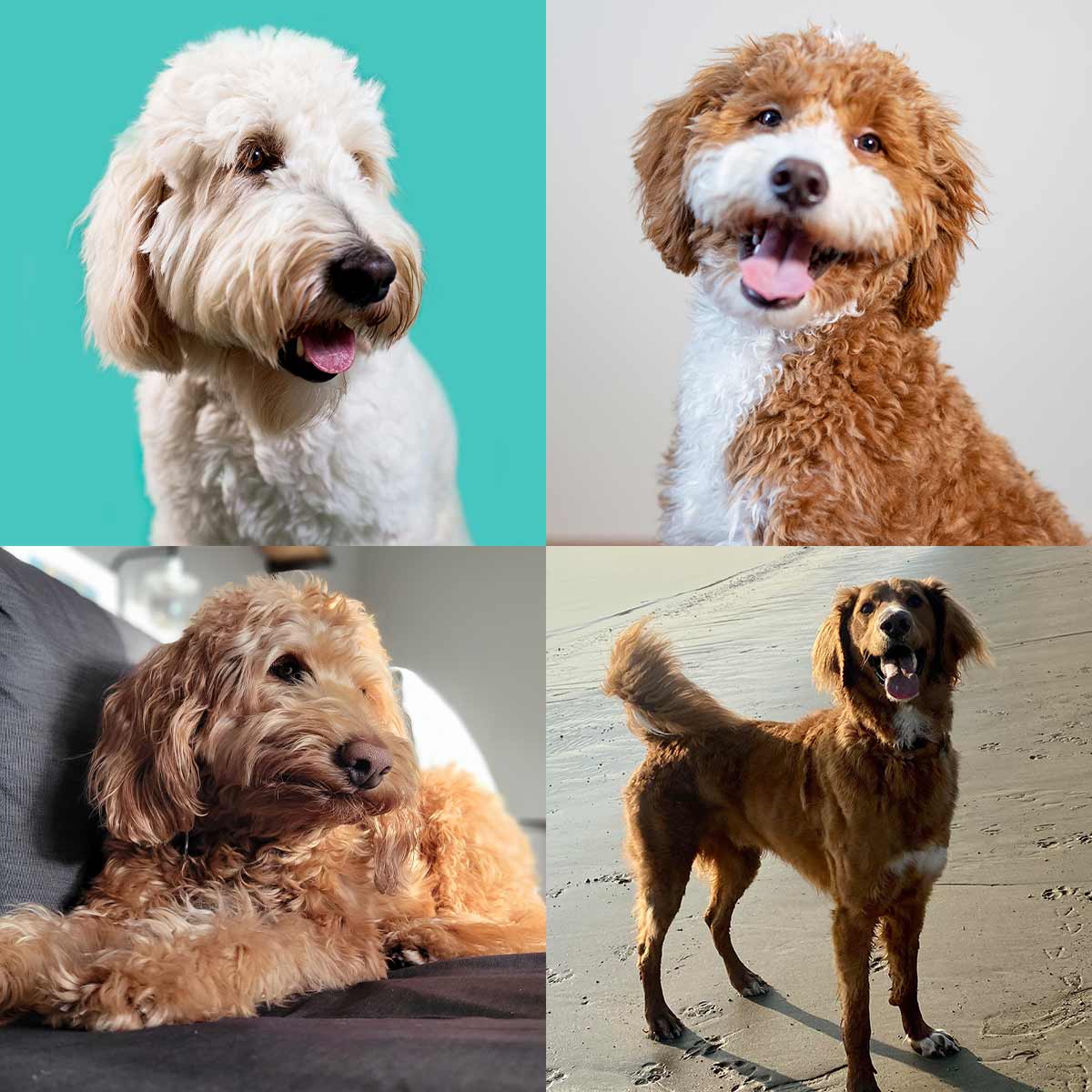
Many people love “doodle” mixes, like Labradoodles or Goldendoodles. These dogs can have any combination of poodle hair and the other breed’s coat. This means:
- Some doodles have tight curls, others have wavy or straight hair
- Grooming needs can vary widely, even within the same litter
- It’s impossible to predict coat type in puppies
If you own a poodle mix, be ready for anything. Start grooming early and adapt as your dog grows.
Nutrition And Its Effect On Coat Quality
What your poodle eats can make a big difference in hair health. Look for foods with:
- High-quality protein (chicken, fish, lamb)
- Healthy fats (salmon oil, flaxseed)
- Omega-3 and omega-6 fatty acids
Supplements like fish oil can boost coat shine. Poor nutrition often leads to dull, brittle hair and more shedding, even in poodles.
Common Mistakes In Poodle Coat Care
Many new owners make the same errors, which can lead to big problems:
- Not brushing often enough: Mats can form in just a few days.
- Bathing with mats present: Always brush out tangles before washing.
- Skipping professional grooming: Even simple cuts need expert help sometimes.
- Using the wrong tools: Human brushes don’t work for poodle hair.
- Ignoring skin health: Always check the skin under the hair.
Even experienced owners sometimes forget to check “hidden” spots, like armpits or under collars, where mats are most common.
How To Tell If Your Poodle’s Coat Is Healthy
A healthy coat is a sign of a happy, well-cared-for dog. Watch for these signs:
- Shiny, soft hair
- No bald spots or redness
- No strong odor
- Few tangles or mats
If you see dull, brittle hair or your dog scratches a lot, something may be wrong. Check your grooming routine, diet, and talk to your vet.
Advanced Grooming: Show Cuts And Corded Poodles
Show poodles require special grooming to meet breed standards. The Continental Clip and English Saddle Clip are two famous show cuts. These styles require:
- Weekly brushing
- Frequent professional trims
- Careful scissoring for precise shapes
Corded poodles, sometimes seen in shows, need years to develop the cords. Only experienced owners should attempt this style. If you want a show poodle, it’s best to find a groomer familiar with the breed’s unique needs.
Poodle Hair And Allergies: The Real Story
Many people choose poodles because they are labeled “hypoallergenic.” While it’s true that poodles shed less, no dog is 100% allergy-free. Poodles produce less dander, which is the main allergy trigger, but:
- Regular grooming reduces dander even more
- Bathing helps remove allergens from the coat
- Keeping hair short can help allergy sufferers
If you have allergies, spend time with a poodle before bringing one home to see how you react.

Credit: happypupmanor.com
Grooming Costs: What To Expect
Owning a poodle means budgeting for grooming. Here’s a look at typical costs in the US:
| Poodle Size | Professional Grooming (per visit) | Home Grooming Supplies (per year) |
|---|---|---|
| Toy | $60–$80 | $100–$150 |
| Miniature | $70–$100 | $120–$180 |
| Standard | $90–$120 | $150–$250 |
Grooming is a big part of the cost of owning a poodle. Skipping it can lead to health problems and expensive vet bills.
Traveling With A Poodle: Coat Care Tips
Traveling can be stressful for you and your poodle’s hair. Here’s how to keep the coat healthy on the road:
- Bring your own brushes and shampoo
- Keep hair shorter for easy care
- Brush daily to remove dirt and prevent mats
- Check for ticks and burrs after walks
Tip: If you’ll be away for a long time, research local groomers in advance.
Poodle Hair Myths Vs. Facts
Let’s clear up some common myths about poodle hair:
- Myth: Poodles don’t shed at all.
- Fact: They shed less than most dogs, but dead hair gets trapped in the curls and needs brushing out.
- Myth: All poodles have the same kind of hair.
- Fact: Coat types and curl patterns vary widely.
- Myth: Poodles don’t need professional grooming.
- Fact: Most need pro grooming, especially for complex styles.
- Myth: You never need to cut a poodle’s hair.
- Fact: Their hair grows continuously and must be trimmed often.
Understanding these facts will help you care for your poodle the right way.
Where To Learn More About Poodle Grooming
The world of poodle grooming is always changing. New tools, techniques, and products appear every year. For up-to-date advice, check resources like the Wikipedia Poodle page or ask your veterinarian for recommendations.
Joining a local poodle club or online forum can also be a great way to learn from experienced owners and groomers.
Frequently Asked Questions
What Is The Best Haircut For A Pet Poodle?
For most pet owners, the puppy cut or teddy bear cut is best. These styles are easy to maintain, look cute, and keep your poodle comfortable. They only need a trim every 6-8 weeks and can be done at home with practice.
How Can I Tell If My Poodle’s Coat Is Matted?
Run your fingers and a metal comb through the coat, especially in “hidden” spots like behind the ears, under the collar, and between the legs. If you feel thick, tangled clumps or the comb gets stuck, your poodle has mats that need attention.
Are Poodle Mixes Easier To Groom Than Purebred Poodles?
Not always. Poodle mixes, like doodles, can have any combination of hair types. Some are easier to groom, but others are even harder if they inherit the poodle’s curls and the other breed’s shedding. Be prepared for any grooming challenge.
Can I Shave My Poodle’s Hair Short In Summer?
Yes, you can give your poodle a short trim in hot weather. Just leave at least 1/2 inch of hair to protect the skin from sunburn. Never shave down to the skin, as poodles can get sunburned easily.
How Often Should I Take My Poodle To A Professional Groomer?
Most poodles need a professional trim every 4-8 weeks, depending on the coat type and haircut. Regular visits keep the hair manageable and allow the groomer to check for any skin or health issues.
Poodle hair is beautiful but demanding. With the right care, your dog will look stunning and feel great for years to come. Remember, grooming isn’t just about looks—it’s a sign of love and respect for your four-legged friend.

We’re the dedicated team behind MyPawSafe.com, with over a decade of combined experience in veterinary care, pet emergency response, and animal behavior. While we prefer to let our work speak for itself, our mission is clear: to provide science-backed, vet-approved advice that helps pet owners prevent accidents and save lives.