English Bulldog Throwing Up White Foam: Causes And Next Steps
If your English Bulldog starts throwing up white foam, it’s natural to worry. Bulldogs are unique dogs, with strong personalities and special health needs. When you see white foam instead of normal vomit, it can look scary. Is it serious? Should you rush to the vet? Or is it just an upset stomach? Many Bulldog owners face these questions at some point. Understanding the causes, how to react, and when to seek help can make a big difference for your pet’s health and peace of mind.
In this article, you’ll learn why Bulldogs vomit white foam, what it means, and what steps you should take. We’ll break down medical and non-medical reasons, show you how to tell mild problems from emergencies, and give clear advice for Bulldog owners.
You’ll also find data tables, practical examples, and answers to common questions. If you want to help your Bulldog and reduce your worry, keep reading.
What Does “throwing Up White Foam” Mean?
When a Bulldog vomits white foam, they are expelling a frothy, bubbly liquid instead of solid food or yellow bile. This foam often looks like beaten egg whites—light, sticky, and sometimes slimy. It may also have bubbles and make a hissing sound as it comes out.
Owners often confuse foam with saliva or mucus, but foam comes from deeper in the digestive system.
Bulldogs, like many breeds with short noses and sensitive stomachs, are more likely to vomit foam than some other dogs. The foam is usually made of saliva, stomach juices, and sometimes swallowed air. This symptom can mean many things—from mild irritation to a sign of a serious health problem.
Common Causes Of White Foam Vomiting In English Bulldogs
There are several reasons why your Bulldog might throw up white foam. Some are simple, while others are dangerous. Below, we break down the most common causes, from mild to serious.
1. Upset Stomach (gastroenteritis)
Bulldogs have sensitive digestive systems. Eating something unusual, too much food, or spoiled treats can upset their stomachs and lead to foam vomiting.
- Symptoms: Mild vomiting, sometimes with mild diarrhea, but usually still active and playful.
- Common triggers: Table scraps, sudden food changes, garbage, or fatty foods.
2. Eating Or Drinking Too Fast
Bulldogs are known for their fast eating habits. If they gulp food or water quickly, they often swallow extra air, which can mix with stomach juices and come back up as foam.
- Symptoms: Vomiting soon after eating or drinking, sometimes with undigested food mixed in.
- Tip: Using a slow feeder bowl can help.
3. Kennel Cough Or Other Respiratory Infections
Respiratory infections can cause foamy secretions because Bulldogs have short airways. Kennel cough is a common, contagious infection that causes coughing, gagging, and foam.
- Symptoms: Hacking cough, white foam, watery eyes, sneezing.
- Note: Bulldogs are more prone to airway problems than other breeds.
4. Acid Reflux
Like humans, Bulldogs can suffer from acid reflux. Stomach acid backs up into the esophagus, causing discomfort and foamy vomit, often in the morning or after lying down.
- Symptoms: White foam, licking lips, swallowing often, sometimes burping.
5. Gastric Dilatation-volvulus (gdv Or Bloat)
Bloat is a life-threatening emergency, especially in Bulldogs. The stomach fills with gas, twists, and blocks blood flow. One sign is repeated attempts to vomit, often producing only white foam.
- Symptoms: Swollen belly, restlessness, pain, unproductive retching (trying to vomit but nothing comes up except foam), drooling.
6. Foreign Object Blockage
Bulldogs love chewing toys, socks, and random objects. If something blocks the stomach or intestines, it can cause vomiting—sometimes just foam if the stomach is empty.
- Symptoms: Sudden vomiting, loss of appetite, weakness, possible abdominal pain.
7. Canine Parvovirus
Parvovirus is a dangerous and highly contagious disease affecting puppies and unvaccinated dogs. One sign is vomiting white or yellow foam.
- Symptoms: Severe vomiting, bloody diarrhea, fever, rapid dehydration. Needs emergency care.
8. Pancreatitis
Inflammation of the pancreas can be triggered by fatty foods or underlying health problems. Bulldogs are at risk, and foam vomiting is a common sign.
- Symptoms: Repeated vomiting, abdominal pain, loss of appetite, lethargy.
9. Allergies
Some Bulldogs are allergic to foods or environmental triggers (like pollen or dust). Allergies can cause mild stomach irritation and foamy vomit.
- Symptoms: Itching, ear infections, vomiting, diarrhea, but often mild.
10. Toxin Ingestion
If your Bulldog eats something toxic—plants, chemicals, chocolate—it can cause vomiting, including foam. Some toxins act fast and can be fatal.
- Symptoms: Sudden vomiting, drooling, shaking, seizures, collapse.
How To Tell If It’s Serious
Not every case of foam vomiting is an emergency. But Bulldogs, due to their body shape and genetics, are at higher risk for bloat and breathing issues. Knowing when to act fast can save your dog’s life.
Here’s a quick comparison of mild vs. emergency signs:
| Situation | Mild/Monitor at Home | Emergency/See Vet Now |
|---|---|---|
| Vomiting Frequency | Once or twice, then stops | Repeated, every few minutes |
| Energy Level | Still active, alert | Lethargic, weak, unresponsive |
| Other Symptoms | No other symptoms | Swollen belly, heavy breathing, pale gums |
| Duration | Less than 12 hours, improving | Lasts longer or worsens |
If your Bulldog shows emergency signs, call your vet or animal ER immediately.
Step-by-step: What To Do If Your Bulldog Vomits White Foam
Stay calm. Most cases are mild, but careful observation is key. Here’s what you should do:
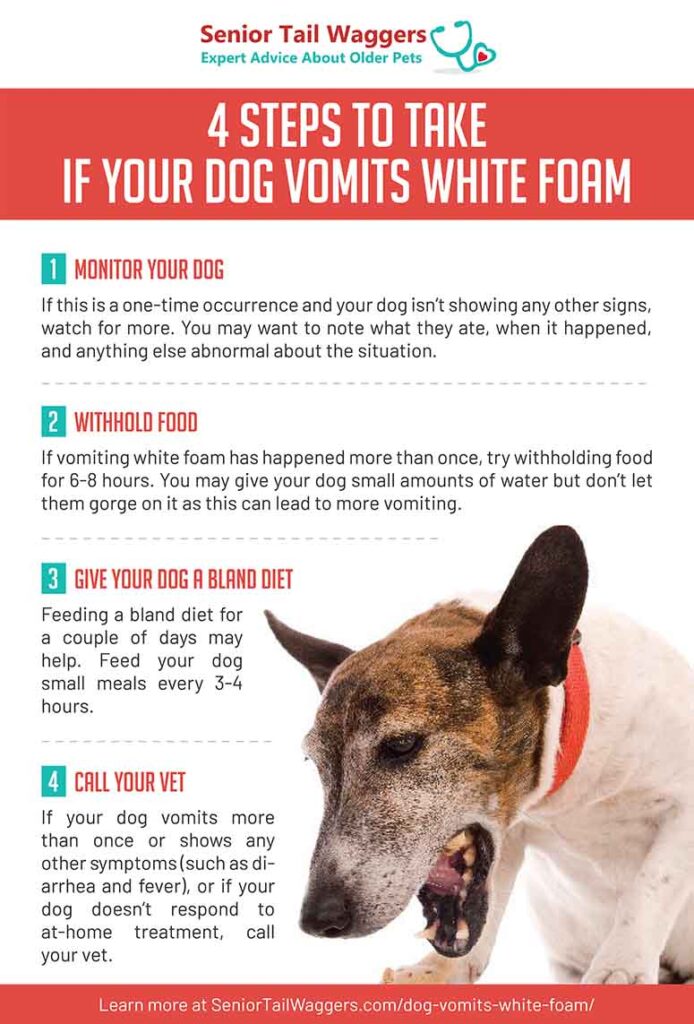
1. Remove Food And Water (short-term)
Take away food and water for 6–8 hours. This gives the stomach time to rest and settle. Bulldogs with empty stomachs may vomit foam, but continued feeding can make things worse if the stomach is irritated.
- Tip: Do not withhold water for more than 8 hours unless your vet says so.
2. Observe Closely
Watch your Bulldog for any changes. Write down when the vomiting started, how often it happens, and if other symptoms develop (coughing, diarrhea, pain, collapse).
- Key signs to note: Energy level, breathing, gum color, belly size.
3. Check For Poison Or Foreign Objects
Think about what your Bulldog could have eaten in the last 24 hours. Are any toys, bones, or plants missing? Did your dog get into the trash, chemicals, or medications?
- If you suspect poisoning: Go to the vet now. Bring the package or sample if possible.
4. Let Stomach Rest
If vomiting stops after a few hours, offer small amounts of water. If your Bulldog keeps it down for an hour, give more every 30–60 minutes. After 12 hours, offer a small amount of boiled chicken and rice (or a vet-recommended bland diet).
- Serving size: 1–2 tablespoons, every 2–3 hours at first.
5. Watch For Recurrence
If foam vomiting returns after re-feeding, or if your Bulldog refuses to eat, call your vet. Do not try home remedies if symptoms persist.
6. See The Vet If Needed
Always seek veterinary help if:
- Vomiting is frequent or severe
- Other symptoms (pain, lethargy, collapse) appear
- Vomit contains blood, coffee-ground material, or yellow/green bile
- Your Bulldog is a puppy, senior, or has health problems
Credit: pvesc.com
Diagnosing The Cause: What Your Vet Will Do
Your vet’s goal is to find the real cause quickly, especially for Bulldogs. Here’s what to expect during a visit:
History And Physical Exam
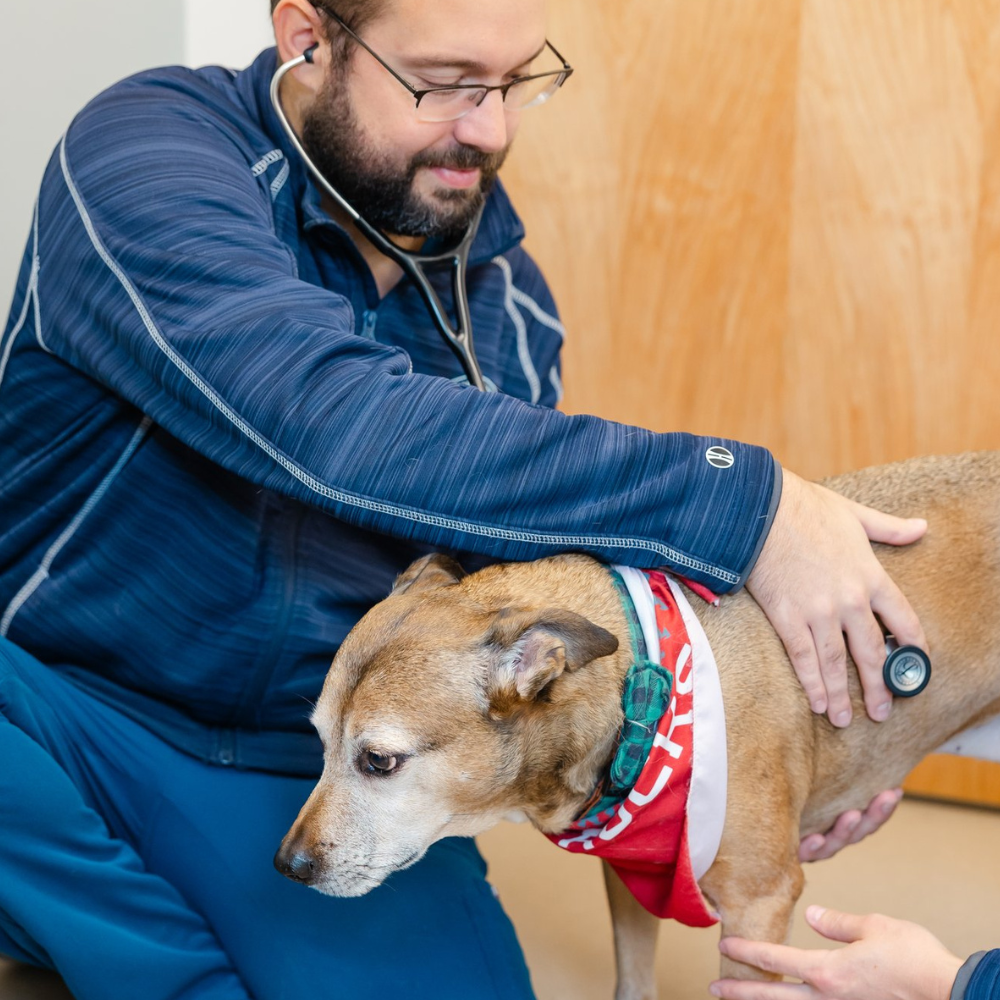
The vet will ask questions about recent food, activities, and exposure to toxins. They’ll check your Bulldog’s temperature, hydration, belly pain, and listen to the heart and lungs.
Diagnostic Tests
Depending on the case, your vet may suggest:
- Blood tests: Look for infection, organ problems, dehydration.
- X-rays or ultrasound: Check for bloat, blockages, or tumors.
- Fecal exam: Rule out parasites.
- Specific tests: For parvovirus, pancreatitis, or allergies.
Here’s a simple comparison of common tests and what they show:
| Test | What It Checks | When Needed |
|---|---|---|
| Bloodwork | Infections, organ function, pancreas | Most vomiting cases |
| X-rays | Bloat, foreign objects, lung issues | Suspected bloat/blockage |
| Fecal Exam | Parasites | Puppies/diarrhea cases |
| Parvo Test | Parvovirus | Puppies, severe cases |
Treatment Options
Treatment depends on the cause:
- Mild cases: Bland diet, rest, fluids.
- Infections: Antibiotics, cough suppressants (for kennel cough).
- Bloat: Emergency surgery.
- Blockage: Surgery or endoscopy.
- Poisoning: Activated charcoal, IV fluids, antidotes.
- Pancreatitis: Hospitalization, IV fluids, pain control.
Preventing White Foam Vomiting In Bulldogs
Prevention is always better than treatment. Bulldogs are lovable but need special care to avoid stomach and airway problems.
Feed Properly
- Use a slow-feeder bowl to reduce gulping.
- Feed two or three small meals instead of one large meal.
- Avoid table scraps, bones, and fatty foods.
Watch For Allergies And Sensitivities
- Choose high-quality, limited-ingredient dog food.
- Introduce new foods slowly.
- Monitor for signs of itching, ear infections, or digestive upset.
Keep Unsafe Items Out Of Reach
- Store chemicals, medications, and cleaning products safely.
- Remove toys that can be swallowed or chewed into pieces.
- Check your yard for toxic plants.
Maintain A Healthy Weight
Bulldogs are prone to obesity, which increases risk of bloat and other problems. Regular exercise and portion control are key.
Vaccinate And Deworm
- Keep up with vaccinations (especially for parvovirus).
- Deworm regularly, as recommended by your vet.
Minimize Stress
Sudden changes in routine, new pets, or visitors can stress your Bulldog, leading to stomach upset. Keep routines steady and provide a calm environment.
Special Considerations For Bulldogs
English Bulldogs are different from other breeds. Their brachycephalic (short-nosed) faces, stocky bodies, and sensitive digestion make them more likely to vomit foam.
Why Bulldogs Are Prone
- Short airways: More likely to swallow air, leading to foam.
- Sensitive stomach: Prone to food allergies, acid reflux, and pancreatitis.
- Obesity: Increases risk of bloat.
- Playful chewing: More likely to eat foreign objects.
What Owners Often Miss
- Early signs of bloat are easy to ignore. Many owners think it’s just a tummy ache until it’s too late. If your Bulldog tries to vomit but nothing comes out (just foam and retching), go to the vet immediately.
- Acid reflux can look like a mild problem, but repeated foam vomiting—especially in the morning—can lead to esophagus damage. A vet may recommend special diets or antacids.
- Bulldogs can develop heatstroke quickly, which sometimes starts with foam at the mouth. Always keep your Bulldog cool, especially in hot weather.
At-home Care: What Helps And What Hurts
Some owners try home remedies, but these can do more harm than good. Here’s what you should (and should not) do at home.
Safe At-home Steps
- Withhold food for 6–8 hours after vomiting, unless your vet advises otherwise.
- Offer small amounts of water once vomiting stops.
- Feed bland diet (boiled chicken and rice) for 1–2 days after mild stomach upset.
- Monitor closely for any worsening.
What To Avoid
- Do not give human medicines like Pepto-Bismol, Tylenol, or aspirin unless your vet says so.
- Do not force-feed or give large amounts of water if vomiting continues.
- Do not try to “wait out” emergency symptoms.
When To Resume Normal Diet
Once your Bulldog goes 24 hours without vomiting and acts normal, slowly transition back to their normal food over 2–3 days.
Understanding The Risks: Data And Statistics
Vomiting is one of the most common reasons for emergency vet visits in Bulldogs. Data from veterinary clinics and pet insurance companies show:
- About 10–15% of Bulldogs have at least one vomiting episode per year.
- Bloat (GDV) risk is higher in Bulldogs than in many other breeds. About 1 in 20 Bulldogs will experience bloat in their lifetime, and it is fatal in up to 30% of cases if not treated quickly.
- Foreign object ingestion is reported in about 7% of Bulldogs, with half needing surgery.
Here’s a summary of key risks:
| Condition | Risk Level in Bulldogs | Comments |
|---|---|---|
| Bloat (GDV) | High | Life-threatening, needs fast action |
| Respiratory Infections | High | Due to short airways |
| Foreign Body Blockage | Moderate | Loves to chew and swallow things |
| Pancreatitis | Moderate | Triggered by fatty treats |
| Parvovirus (Puppies) | High | Unvaccinated pups most at risk |
The Bulldog Owner’s Checklist: What To Keep On Hand
Being prepared can help you act fast if your Bulldog vomits foam. Here’s what experienced owners recommend keeping at home:
- Vet’s phone number and address (including after-hours clinic)
- Digital thermometer (for checking fever)
- Clean towels and wipes
- Bland diet supplies (boiled chicken, rice)
- Slow-feeder bowl
- Emergency cash/credit card for vet visits
- List of toxic foods/plants for reference
Credit: www.omnewyork.com
Case Examples: Real Bulldog Scenarios
Case 1: Morning Foam, Active Bulldog
Bella, a 4-year-old Bulldog, vomits white foam most mornings but eats and plays normally. Vet exam shows mild acid reflux. Solution: small bedtime snack, raised food bowl, and antacid prescribed. Symptoms improve.
Case 2: Sudden Repeated Foam, Bloated Belly
Max, a 6-year-old Bulldog, tries to vomit foam every 10 minutes, belly looks swollen, and he’s restless. Owner goes to ER—diagnosed with bloat (GDV). Emergency surgery saves his life.
Case 3: Kennel Cough Exposure
Luna, a 2-year-old Bulldog, starts coughing after a boarding stay, bringing up foam with each cough. Diagnosed with kennel cough. Treated with cough suppressants and recovers in 10 days.
Case 4: Foreign Object Blockage
Buddy, a young Bulldog, chews up a tennis ball and later vomits foam and becomes lethargic. X-ray shows blockage—surgery removes pieces. Quick action prevents serious damage.
Non-obvious Insights Bulldog Owners Miss
- Bulldogs are less likely to show obvious pain than other breeds. They may still wag their tails or try to play, even with dangerous problems like bloat. Never ignore subtle changes.
- “Just foam” vomiting can be a sign of hidden problems like esophagus narrowing, which only a vet can find with special tests. Repeated foam vomiting always deserves attention.
When To Get A Second Opinion
If your Bulldog’s symptoms continue after treatment, or if you feel your concerns aren’t being taken seriously, don’t hesitate to see another vet. Bulldogs have unique needs, and specialists (like a veterinary internist or surgeon) may spot things a general vet can miss.
Preventive Vet Visits: How Often For Bulldogs?
For Bulldogs, twice-yearly checkups are ideal. These visits can catch early signs of stomach, airway, or allergy problems. Your vet can also review diet, weight, and exercise to prevent future vomiting issues.
Useful Resources
If you want to learn more about Bulldog health, consider the resources at the American Kennel Club.
Frequently Asked Questions
Why Does My Bulldog Only Vomit White Foam In The Morning?
Morning foam vomiting is often due to empty stomach acid reflux. When Bulldogs don’t eat overnight, stomach acid builds up. Giving a small snack before bedtime can help. If it happens daily or with other symptoms, see your vet.
Is White Foam Vomiting Always An Emergency?
No, not always. One or two mild episodes can be monitored at home if your Bulldog is otherwise healthy and normal. However, repeated vomiting, weakness, or other symptoms (like a swollen belly) are emergencies. Bulldogs are at higher risk for bloat, so always err on the side of caution.
Can Changing My Bulldog’s Food Cause Foam Vomiting?
Yes. Sudden food changes can upset the stomach and cause foam. Always transition to new food slowly over a week, mixing old and new food. Watch for any vomiting, diarrhea, or itching.
How Can I Tell If My Bulldog Swallowed Something Dangerous?
If vomiting is frequent, your Bulldog seems in pain, refuses food, or vomits only foam, a blockage may be possible. Other signs include drooling, pawing at the mouth, or restlessness. Only an x-ray or ultrasound can confirm a blockage, so see your vet if you suspect this.
What’s The Difference Between Vomiting And Regurgitation In Bulldogs?
Vomiting is active—your dog retches, uses stomach muscles, and brings up digested contents or foam. Regurgitation is passive—food or fluid comes up without warning, often soon after eating. Both can look similar, but regurgitation is more common in Bulldogs with esophageal disorders.
Bulldogs bring joy, but their health can be tricky. Understanding the causes of white foam vomiting and knowing what to do next can save your best friend’s life. Always trust your instincts and seek veterinary advice when in doubt—your Bulldog is counting on you.

Credit: www.sparkpaws.fr

We’re the dedicated team behind MyPawSafe.com, with over a decade of combined experience in veterinary care, pet emergency response, and animal behavior. While we prefer to let our work speak for itself, our mission is clear: to provide science-backed, vet-approved advice that helps pet owners prevent accidents and save lives.