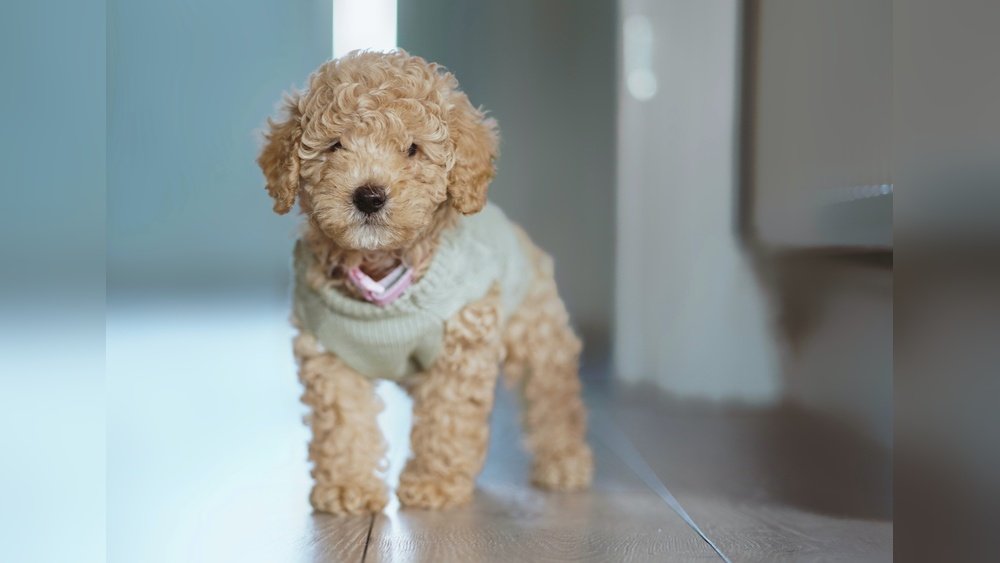
Poodle Breeds And Mixes That Don’t Shed: What To Know
If you are searching for a dog that won’t leave hair everywhere, poodles and their mixes are a great choice. Many people love these dogs because they are smart, friendly, and easy to train. But there’s another reason poodles are so popular—they shed very little. This article will explain why poodles and certain poodle mixes don’t shed, which breeds and mixes are best, and what you should know before choosing one. You’ll also find tables comparing their size, shedding levels, and care needs, plus answers to common questions.
Dog hair can cause allergies, make cleaning harder, and even affect air quality in your home. If you want a dog but worry about shedding, learning about non-shedding poodle breeds and mixes can help you make the right choice. Let’s explore which breeds and mixes really don’t shed, how to care for them, and what mistakes to avoid.
Why Poodles Don’t Shed Much
The poodle’s coat is unique. Unlike many dogs, poodles have curly, dense hair instead of fur. Their hair grows continuously, similar to human hair, and falls out very slowly. This means you don’t see loose hair on furniture, clothes, or floors. Poodles are also known as hypoallergenic dogs, which means they produce fewer allergens. However, no dog is 100% hypoallergenic.
Some key facts:
- Poodles have a single coat, not a double coat like most dogs.
- Their hair traps loose strands, preventing them from floating around.
- Regular grooming is important to prevent mats and tangles.
A less obvious insight: The poodle’s coat not only reduces shedding but also helps keep allergens stuck close to the skin, instead of in the air. But, if you don’t brush them often, these trapped hairs can create mats, which are uncomfortable for the dog.
Types Of Poodles: Size, Shedding, And Care
There are three main types of poodles recognized by most kennel clubs:
- Standard Poodle
- Miniature Poodle
- Toy Poodle
Each type is slightly different in size, but all share the same coat features.
| Poodle Type | Height | Weight | Shedding Level | Grooming Needs |
|---|---|---|---|---|
| Standard | Over 15 inches | 40–70 lbs | Very low | High |
| Miniature | 10–15 inches | 10–15 lbs | Very low | High |
| Toy | Under 10 inches | 4–6 lbs | Very low | High |
All poodles shed less than most dogs. However, their coat requires regular brushing and professional grooming every 4–6 weeks. If you skip grooming, mats can form and may trap more hair and dirt.
Standard Poodle
Standard poodles are the largest. They are known for their intelligence, athleticism, and gentle nature. Despite their size, their shedding remains minimal. Their coat is thicker, which means it can trap even more loose hair, but it also needs more brushing.
Miniature Poodle
Miniature poodles are smaller and often used in mixes. Their shedding is as low as the standard, but their coat is a bit easier to manage due to less volume.
Toy Poodle
Toy poodles are tiny but full of energy. Like their larger relatives, they shed very little. Their coat is softer and may need extra care because it mats easily.

Credit: www.trupanion.com
Poodle Mixes That Don’t Shed
Poodle mixes, often called doodles, combine the poodle’s low-shedding coat with other breeds. Not all doodles are truly non-shedding, but some are excellent choices. The key is whether the mix has inherited the poodle’s coat type.
Here are popular poodle mixes known for low shedding:
- Labradoodle (Labrador Retriever + Poodle)
- Goldendoodle (Golden Retriever + Poodle)
- Cavapoo (Cavalier King Charles Spaniel + Poodle)
- Cockapoo (Cocker Spaniel + Poodle)
- Schnoodle (Schnauzer + Poodle)
- Maltipoo (Maltese + Poodle)
- Yorkipoo (Yorkshire Terrier + Poodle)
- Bernedoodle (Bernese Mountain Dog + Poodle)
- Shihpoo (Shih Tzu + Poodle)
- Poochon (Bichon Frise + Poodle)
- Pomapoo (Pomeranian + Poodle)
- Sheepadoodle (Old English Sheepdog + Poodle)
- Havapoo (Havanese + Poodle)
- Peekapoo (Pekingese + Poodle)
- Irish Doodle (Irish Setter + Poodle)
Let’s look at their coat, size, and shedding levels:
| Mix Breed | Typical Size | Shedding Level | Coat Texture |
|---|---|---|---|
| Labradoodle | Medium–Large | Low–very low | Curly/Wavy |
| Goldendoodle | Medium–Large | Low–very low | Curly/Wavy |
| Cavapoo | Small | Very low | Soft/Curly |
| Cockapoo | Small–Medium | Very low | Curly/Wavy |
| Schnoodle | Small–Medium | Low–very low | Curly/Wiry |
| Maltipoo | Small | Very low | Soft/Curly |
| Yorkipoo | Tiny–Small | Very low | Curly/Silky |
| Bernedoodle | Large | Low–very low | Curly/Wavy |
| Shihpoo | Small | Very low | Soft/Curly |
| Poochon | Small | Very low | Curly |
| Pomapoo | Tiny–Small | Very low | Curly/Silky |
| Sheepadoodle | Medium–Large | Low–very low | Curly/Wavy |
| Havapoo | Small | Very low | Soft/Curly |
| Peekapoo | Tiny–Small | Very low | Curly/Silky |
| Irish Doodle | Medium–Large | Low–very low | Curly/Wavy |
Not every puppy from these mixes will have a true non-shedding coat. Sometimes, the other breed’s genes can create a straighter, shedding coat. If you want a non-shedding dog, look for those with curly hair and ask breeders about coat types.
A practical tip: First-generation mixes (called F1) can have more coat variety. F1B (back-crossed with a poodle) usually have curlier, less shedding coats.
How To Choose A Non-shedding Poodle Mix
Choosing the right poodle mix involves more than picking a cute puppy. You should think about size, temperament, grooming, and allergy needs. Here are important points to consider:
- Coat Type: The curlier the coat, the less shedding you’ll see. Wavy or straight coats can shed more.
- Allergy Level: Even non-shedding dogs can cause allergies, mainly through skin flakes (dander) and saliva.
- Grooming Needs: Low shedding does not mean low maintenance. These dogs often need more brushing and haircuts.
- Size: Small mixes are easier for apartment living, but larger mixes may be better for active families.
- Activity Level: Some mixes are very energetic (like Goldendoodles), while others are calmer (like Cavapoos).
- Health: Poodle mixes can inherit health issues from both parents. Ask breeders about health screening.
- Generation: F1B and Multigen mixes are more likely to be non-shedding.
| Mix | Best For | Grooming Frequency | Allergy Friendliness |
|---|---|---|---|
| Goldendoodle | Active families | Weekly brushing, monthly trim | High |
| Maltipoo | Small homes, seniors | Weekly brushing, every 6 weeks trim | Very high |
| Cavapoo | Calm households | Weekly brushing, every 6 weeks trim | High |
| Bernedoodle | Large homes, outdoor lovers | Weekly brushing, every 4 weeks trim | High |
| Yorkipoo | Small apartments | Weekly brushing, every 8 weeks trim | Very high |
Don’t forget: Some mixes, like Labradoodles, can be unpredictable. Not all Labradoodles are non-shedding. Ask for coat testing or meet the puppy before buying.
:max_bytes(150000):strip_icc()/MS_treatments_doodles_hero-getty-1123-39191fe96854474eaf6cea588fbae6b2.jpg)
Credit: www.marthastewart.com
Grooming And Care For Non-shedding Poodles And Mixes
Low shedding doesn’t mean you can skip grooming. Curly coats collect dirt, oil, and loose hair. Here’s how to care for them:
- Brush at least 2–3 times per week.
- Professional grooming every 4–6 weeks.
- Bathing every 1–2 months (unless dirty).
- Ear cleaning is important—poodles and mixes have hair in their ears, which can trap dirt and moisture.
If you neglect grooming, mats can form, causing pain and even skin infections. Mats can trap more hair and make shedding seem worse. Regular grooming helps keep their coat healthy and reduces allergens.
A mistake many new owners make: They think non-shedding means low work. Actually, poodle coats need more attention than most shedding breeds.
Health And Lifespan
Poodles are generally healthy, living 12–15 years. Their mixes often have similar lifespans. However, some mixes inherit health issues from both parents. Common health concerns:
- Hip dysplasia
- Eye problems
- Ear infections
- Allergies
Ask for health testing from breeders. Avoid puppy mills and backyard breeders, as they rarely test for diseases.
Non-shedding dogs are not healthier than shedding dogs, but their coat can make it easier to spot skin issues early.
Allergies And Non-shedding Dogs
Many people believe non-shedding dogs are allergy-free. This isn’t true. Allergies are caused by dander, not just hair. While poodles and their mixes produce less dander, sensitive people may still react.
Tips for allergy sufferers:
- Choose dogs with curly coats.
- Keep the home clean—vacuum and dust often.
- Use HEPA air filters.
- Wash hands after handling the dog.
- Regular grooming helps reduce dander.
A less obvious insight: The dog’s saliva and urine can also trigger allergies. Even if the dog doesn’t shed, these allergens can be present.
Real-world Examples: Success Stories
Many families have switched to poodle breeds or mixes because of allergies. For example, a family in New York found that their son’s allergies improved after adopting a Goldendoodle. They had tried several breeds before, but only the Goldendoodle allowed their son to live comfortably.
Another example: Seniors in California chose Maltipoos for their small size and minimal shedding. They found cleaning easier and enjoyed less sneezing.
These stories show that, while not perfect, poodle breeds and mixes are a practical solution for many people.
What To Ask Breeders
Before buying a non-shedding poodle or mix, ask breeders these questions:
- Is the puppy’s coat curly or straight?
- What is the parent’s shedding level?
- Has health testing been done?
- How often should grooming be done?
- Is the puppy F1, F1B, or Multigen?
- Can I meet the parents?
Avoid breeders who don’t answer questions or seem rushed. A good breeder will explain coat types and help you choose the right puppy.
Common Mistakes When Choosing Non-shedding Dogs
- Assuming all doodles don’t shed: Some mixes shed more than others. Always check coat type.
- Skipping grooming: Curly coats need more care.
- Ignoring health screening: Bad breeders may sell unhealthy puppies.
- Buying on impulse: Research the breed and mix first.
- Trusting marketing claims: Many breeders call their mixes “hypoallergenic” without proof.
One overlooked mistake: Some owners buy a puppy without seeing it first. Coat type can change as puppies grow. Meet the puppy and check the coat before deciding.
Living With A Non-shedding Dog: What To Expect
Having a poodle or poodle mix means less hair on your clothes and furniture, but more time spent grooming. You will enjoy a cleaner home, but you must brush and trim the dog regularly. Most owners find the trade-off worthwhile.
Some practical tips:
- Invest in a good brush (slicker or pin brush).
- Learn basic grooming or find a reliable groomer.
- Watch for mats, especially behind ears and under legs.
- Check ears weekly for signs of infection.
If you travel or have a busy schedule, plan for grooming ahead of time. Some owners use mobile groomers or learn to trim their dogs at home.
Costs And Budgeting
Non-shedding dogs are popular, so prices may be higher. Purebred poodles or popular mixes like Goldendoodles can cost $1,500–$3,000 from reputable breeders. Grooming costs $50–$100 per session.
Other costs:
- Brushes, shampoos, and grooming tools ($50–$150)
- Vet visits ($200–$500 yearly)
- Food ($300–$600 yearly)
- Training ($100–$500)
A non-obvious tip: Some mixes, like Cavapoos, are less expensive to groom due to smaller size. Larger mixes need more grooming and may cost more over time.
Comparing Poodle Mixes: Which Is Right For You?
Choosing the right mix depends on your lifestyle, home size, and allergy needs.
- Goldendoodle: Great for families, active, friendly, but large.
- Maltipoo: Perfect for apartments, quiet, cuddly, very small.
- Bernedoodle: Good for large homes, playful, needs space.
- Yorkipoo: Best for singles or seniors, easy to carry, low maintenance.
- Sheepadoodle: Smart, loyal, but needs exercise.
If you want a non-shedding dog but have limited time for grooming, consider a smaller mix like Maltipoo or Poochon.
How To Spot A True Non-shedding Coat
A true non-shedding coat is:
- Curly or tight-wavy
- Feels dense and springy
- Does not leave hair on hands after petting
Avoid mixes with straight or loose-wavy coats—they may shed more.
You can ask for a coat test or check with experienced breeders. Some breeders offer coat DNA testing, but results can vary.

Credit: www.reddit.com
Poodle Mixes That Are Not Good For Non-shedding
Not all mixes with poodle genes are low-shedding. Some examples:
- Dalmadoodle (Dalmatian + Poodle): Often has a shedding coat.
- Boxerdoodle (Boxer + Poodle): May shed more due to Boxer genes.
- Poodle mixes with double-coated breeds: These often shed.
If the other breed has a strong shedding gene, the puppy may shed despite the poodle parent.
Is A Non-shedding Dog Right For You?
Non-shedding dogs are great for:
- Allergy sufferers
- People who dislike cleaning hair
- Families with young children
- Apartment dwellers
But, they are not for everyone. Grooming is time-consuming, and costs can be higher. If you want a dog that needs less maintenance, consider short-haired breeds.
Environmental Benefits
Non-shedding dogs can reduce dust and allergens in your home. They also make cleaning easier. For people with respiratory issues, this can make a big difference.
A less obvious benefit: Non-shedding dogs help reduce pet hair in air filters and on electronics, which can extend their lifespan.
Popularity And Trends
Poodle mixes are among the most popular dogs in the US and Europe. According to the American Kennel Club, Goldendoodles and Labradoodles are in the top 10 most requested breeds. Their popularity has led to more breeders and higher prices.
But be careful: Popularity can lead to bad breeding practices. Always research breeders and avoid buying online without meeting the puppy.
For more information on hypoallergenic dog breeds, visit Wikipedia.
Frequently Asked Questions
What Makes Poodles And Their Mixes Non-shedding?
Curly, dense hair traps loose strands, so they don’t fall out easily. Poodles have a single coat, which means less shedding compared to double-coated breeds. Mixes with curly coats also shed less.
Are Poodle Mixes Always Hypoallergenic?
No, not always. Some mixes have straight or wavy coats, which can shed more. Always check the coat type and ask breeders for allergy information.
How Often Should I Groom My Non-shedding Poodle Or Mix?
Brush 2–3 times per week and schedule professional grooming every 4–6 weeks. Regular care prevents mats and keeps the coat healthy.
Do Non-shedding Dogs Still Cause Allergies?
Yes, they can. Allergies come from dander, saliva, and urine—not just hair. Non-shedding dogs produce less dander, but sensitive people may still react.
What Is The Best Poodle Mix For Apartments?
Maltipoo, Poochon, and Yorkipoo are good choices. They are small, quiet, and shed very little. Their grooming needs are manageable for apartment living.
Having a non-shedding poodle or poodle mix can make life easier, cleaner, and more comfortable. With the right care and choice, you can enjoy all the benefits of a loving dog without the hassle of constant hair cleanup. Always research breeders and coat types before making your decision, and remember that low-shedding means more grooming—not less.
We’re the dedicated team behind MyPawSafe.com, with over a decade of combined experience in veterinary care, pet emergency response, and animal behavior. While we prefer to let our work speak for itself, our mission is clear: to provide science-backed, vet-approved advice that helps pet owners prevent accidents and save lives.