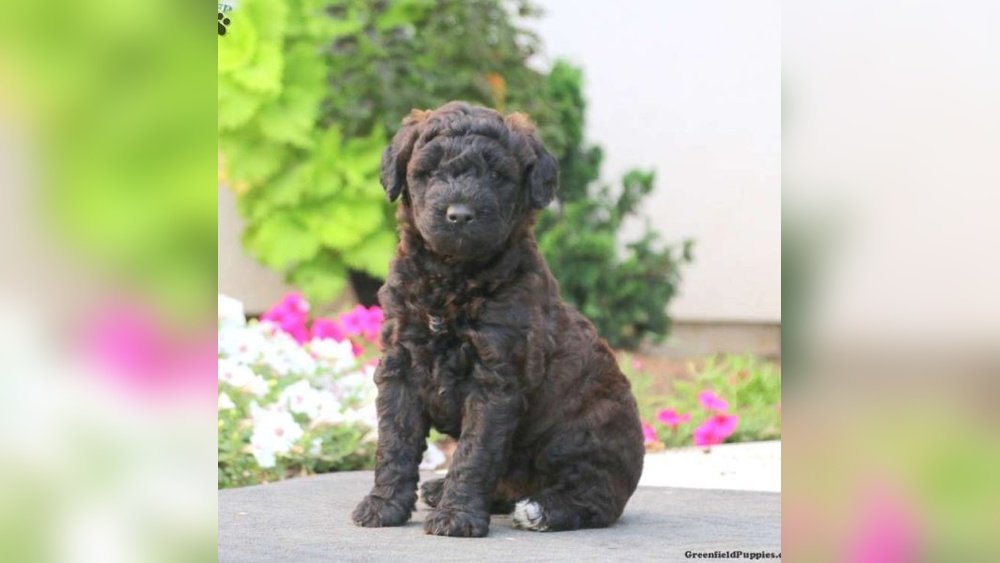
When you first see a Wheaten Terrier Poodle mix, you might notice a playful sparkle in its eye, a soft, wavy coat, and a tail that wags with endless energy. This popular hybrid, often called the Whoodle, brings together the best of both worlds: the gentle, friendly nature of the Soft Coated Wheaten Terrier and the intelligence and low-shedding coat of the Poodle. Families, singles, and seniors alike are drawn to this dog for its affectionate temperament and manageable size. Still, there’s much more beneath the surface—especially when it comes to coat type, size, and personality.
Understanding a Whoodle means knowing its parents. The mix can be unpredictable, but with the right information, you can decide if this dog is the perfect fit for your lifestyle. Let’s dive into what makes the Wheaten Terrier Poodle mix unique, focusing on the qualities that matter most: coat, size, and temperament.
The Origins Of The Whoodle
The Whoodle is a relatively new hybrid, first bred intentionally in the late 20th century. The goal was to create a dog that combined the Wheaten’s friendliness with the Poodle’s intelligence and hypoallergenic coat.
Parent Breeds: Wheaten Terrier And Poodle
- Soft Coated Wheaten Terrier: Originating from Ireland, this breed is known for its silky, wheat-colored coat and friendly, enthusiastic personality. Wheatens were originally farm dogs, prized for their ability to herd, guard, and hunt vermin.
- Poodle: Poodles come in three sizes—Toy, Miniature, and Standard—and are celebrated for their intelligence, trainability, and curly, low-shedding coat. While often seen as fancy show dogs, Poodles are also skilled hunters and athletes.
Because both parent breeds are popular, Whoodles can be found in many countries, with breeders focusing on temperament and coat quality as primary goals.
Physical Appearance: Size And Build
Whoodles vary in size and appearance, depending on whether the Poodle parent is Toy, Miniature, or Standard. Most breeders use Miniature or Standard Poodles, leading to two main size categories.
Typical Size Ranges
Here’s how the Whoodle’s size usually compares:
| Type | Height (inches) | Weight (pounds) |
|---|---|---|
| Mini Whoodle | 12-16 | 20-35 |
| Standard Whoodle | 17-20 | 35-50 |
Most Whoodles are medium-sized dogs, making them suitable for apartments or houses. They tend to be sturdy but not heavy, with a graceful build. Their bodies are athletic, reflecting the working roots of both parent breeds.
Appearance Details
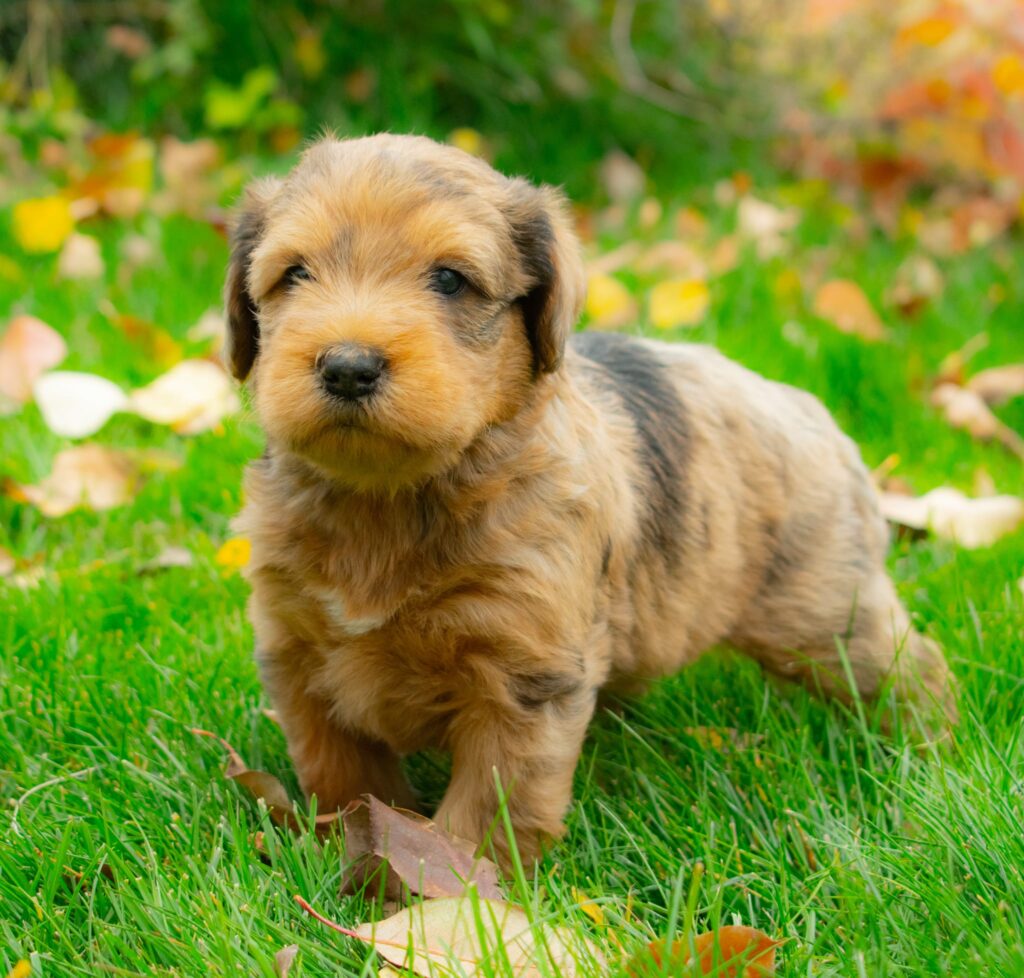
- Head and Face: Whoodles often have expressive eyes, a black nose, and a beard or mustache—traits inherited from the Wheaten.
- Ears: Their ears are floppy and covered in soft fur.
- Tail: Most Whoodles have a medium-length tail, held high and wagging often.
No two Whoodles look exactly alike, but most have a friendly, approachable appearance.

Credit: feathersandfleece.com
Coat: Texture, Color, And Shedding
The coat is a major reason people choose the Wheaten Terrier Poodle mix. It’s soft, often wavy or curly, and comes in a range of colors.
Coat Texture
The Whoodle’s coat can fall anywhere between the Wheaten’s silky waves and the Poodle’s tight curls. Most Whoodles have a coat that is:
- Soft and dense
- Wavy or loose curls
- Low-shedding (but not always hypoallergenic)
Some Whoodles have more of the Wheaten’s straightness, while others get the curlier Poodle look. You won’t know exactly what you’ll get in a puppy, even from the same litter.
Coat Colors
Common coat colors include:
- Wheaten (pale gold)
- Black
- Chocolate
- Silver
- Cream
- Red
- Apricot
- Parti-color (two or more colors)
Puppies often change color as they grow—a Whoodle born dark may lighten with age, especially if it takes after the Wheaten side.
Shedding And Allergies
One big reason people seek out this mix is the hope for a hypoallergenic dog. While no dog is truly non-shedding, most Whoodles shed very little. They may be a good choice for people with mild allergies, but reactions vary from person to person.
Whoodles with curlier coats tend to shed less and trap more dander. However, some Whoodles may still cause allergies, so it’s wise to spend time with one before making a commitment.
Grooming Needs
The Whoodle’s coat requires regular care to stay healthy and tangle-free. Here’s what you need to know:
- Brushing: Brush your Whoodle at least 3-4 times a week to prevent mats.
- Professional Grooming: Most owners get their Whoodles trimmed every 6-8 weeks.
- Bathing: Bathe as needed, but not more than once a month to avoid drying the skin.
- Ear Cleaning: Their floppy ears can trap moisture, so check them weekly.
Whoodles are not low-maintenance when it comes to grooming. If you want a wash-and-go dog, this mix may not be for you.
Temperament: What To Expect
A Whoodle’s personality is shaped by both genetics and environment. Most are friendly, lively, and eager to please, but there are some variations.
Core Temperament Traits
- Affectionate: Whoodles love to be near their humans. They bond strongly and often follow family members from room to room.
- Intelligent: Both parent breeds are smart, so Whoodles learn quickly—but they also need mental stimulation.
- Energetic: Expect daily play sessions and walks. Whoodles are not couch potatoes.
- Social: This mix usually gets along well with children, other dogs, and even cats if socialized early.
- Alert: Whoodles make good watchdogs, barking to alert you to strangers but rarely becoming aggressive.
Trainability
Thanks to the Poodle’s intelligence and the Wheaten’s eagerness, most Whoodles respond well to positive training. They enjoy learning tricks and may excel in agility or obedience. However, their smart minds mean they can get bored easily—keep training sessions fun and varied.
Common Behavioral Challenges
- Jumping: Whoodles are known for greeting people with joyful leaps. Training from a young age helps manage this.
- Separation Anxiety: These dogs don’t like being left alone for long. If you work long hours, consider doggy daycare or a pet sitter.
- Digging or Chewing: Without enough exercise, Whoodles may invent their own fun—sometimes at the expense of your garden or shoes.
Socialization
Early exposure to different people, places, and experiences helps Whoodles grow into well-mannered adults. Puppy classes and regular outings are highly recommended.
Health And Lifespan
Healthy Whoodles often live 12 to 15 years. Most avoid serious health issues, but it’s important to know the possible risks.
Common Health Concerns
Like all breeds, Whoodles can inherit health problems from either parent. Responsible breeders test their dogs for common genetic issues. Some of the conditions to watch for include:
- Hip dysplasia: An abnormal formation of the hip socket, leading to arthritis.
- Progressive retinal atrophy (PRA): A genetic eye disease that causes blindness.
- Addison’s disease: A hormonal disorder that affects energy and appetite.
- Protein-losing nephropathy/enteropathy: More common in Wheatens, these conditions affect the kidneys or intestines.
- Ear infections: Due to their floppy ears and hair growth in the canal.
Regular vet checkups, a healthy diet, and keeping your dog at a normal weight all help prevent problems.
Hybrid Vigor: Myth And Reality
Some people believe that mixed-breed dogs are always healthier than purebreds—a phenomenon called hybrid vigor. While Whoodles may avoid some inherited problems, they can still carry genetic risks from both parents. Choose a breeder who performs health screening and offers a health guarantee.
Exercise And Activity Level
Whoodles need regular activity to stay happy and healthy. They are not as high-energy as some working breeds, but they’re far from lazy.
Daily Exercise Needs
- Walks: At least 30-60 minutes per day.
- Playtime: Fetch, tug-of-war, or puzzle toys help burn off energy.
- Training Games: Whoodles love mental challenges—hide-and-seek, scent games, or agility training are great choices.
Without enough exercise, Whoodles can become bored and develop bad habits. If you have a busy schedule, consider hiring a dog walker.
Good For Active Families
Whoodles are great companions for families who like hiking, running, or playing in the backyard. They are also happy to relax indoors after a good workout.

Credit: www.petguide.com
Living With A Whoodle: Family, Children, And Other Pets
The Wheaten Terrier Poodle mix is known for fitting well into many different homes. Here’s what you can expect.
With Children
Whoodles are gentle and playful, making them good companions for kids. They are sturdy enough to play without getting hurt but not so big as to overwhelm young children.
Safety tip: Always supervise playtime, especially with toddlers. Teach children how to handle dogs respectfully—no pulling ears or tails.
With Other Pets
Most Whoodles get along with other dogs and can live peacefully with cats if introduced properly. Early socialization is the key. Their terrier background may lead them to chase small animals, so watch them around rabbits or rodents.
Apartment Or House?
Because Whoodles range from small to medium size, they adapt well to apartments, as long as they get daily walks. A yard is a bonus, but not required.
Alone Time
Whoodles prefer company. If you work long hours, your dog may develop separation anxiety. Dog walkers, daycares, or another pet can help ease loneliness.
Grooming: Tools, Techniques, And Time Commitment
Caring for a Whoodle’s coat takes effort. Let’s break down what’s involved.
Brushing And Combing
- Frequency: 3-4 times a week (daily is better for curlier coats)
- Tools: Use a slicker brush for tangles and a comb for finishing.
- Technique: Start at the skin and gently work outwards. Don’t forget under the legs and behind the ears.
Bathing
- Products: Use a gentle, dog-safe shampoo.
- Frequency: Once a month or when dirty. Over-bathing can dry out skin and coat.
Haircuts
- Professional Grooming: Most owners visit a groomer every 6-8 weeks.
- Popular Styles: Many choose a “teddy bear” trim, leaving the coat about 1-2 inches long and shaping the face.
Ears, Nails, And Teeth
- Ears: Clean weekly with a vet-approved solution to prevent infection.
- Nails: Trim every 3-4 weeks, or as needed.
- Teeth: Brush several times a week with dog toothpaste to prevent dental disease.
Dealing With Mats
Whoodles are prone to mats, especially behind the ears, under the collar, and on the legs. If you find a mat, use your fingers or a mat splitter—never yank. Severe mats may require a professional groomer.
Feeding And Nutrition
A healthy diet is key for a Whoodle’s long, active life.
Choosing The Right Food
Look for a high-quality commercial dog food that lists meat as the first ingredient. Avoid foods with too many fillers or artificial colors.
Portion Sizes
The amount depends on your dog’s age, size, and activity level. Here’s a rough guide:
| Whoodle Type | Daily Food (cups) | Meals per Day |
|---|---|---|
| Mini | 1 to 1.5 | 2 |
| Standard | 1.5 to 2.5 | 2 |
Puppies may need three meals a day until they’re about six months old.
Treats And Table Scraps
Treats are useful for training but keep them under 10% of daily calories. Avoid feeding your Whoodle human foods like chocolate, onions, grapes, or fatty meats.
Special Diets
Some Whoodles can have food sensitivities or allergies. If you notice itching, digestive upset, or ear infections, talk to your vet about a special diet.
Training: Methods And Tips
Smart and eager to please, Whoodles are a joy to train with the right approach.
Positive Reinforcement Works Best
- Rewards: Use treats, praise, or playtime.
- Short Sessions: Five to ten minutes is enough, especially for puppies.
- Consistency: Use the same commands and rules every time.
Important Commands
Start with basics like sit, stay, come, and leave it. Gradually add more advanced skills, like walking on a loose leash or waiting at the door.
Socialization
Expose your Whoodle puppy to a variety of sights, sounds, and people. This reduces the chance of fearfulness as an adult.
Crate Training
Crate training helps with housebreaking and gives your dog a safe place to rest. Make the crate a positive space—never use it as punishment.
Problem Behaviors
- Jumping: Teach your dog to sit for greetings, not jump.
- Barking: Reward quiet behavior and use commands like “enough.”
- Chewing: Provide plenty of chew toys and keep shoes out of reach.
Finding A Wheaten Terrier Poodle Mix
Choosing where to get your Whoodle is a big decision.
Breeder Or Rescue?
- Reputable Breeders: Look for breeders who health test their dogs and let you meet the parents. Avoid puppy mills or online sellers who can’t show you the puppies’ living conditions.
- Rescue Groups: Some Whoodles need new homes due to changes in their owners’ lives. Check rescue organizations and shelters.
Questions To Ask A Breeder
- What health tests do you perform on your breeding dogs?
- Can I meet the puppy’s parents?
- What is your socialization process?
- Do you offer a health guarantee?
- Can you provide references from past buyers?
Adoption Costs
Whoodles from a breeder typically cost $1,000 to $3,000. Rescue fees are usually lower, around $200 to $500. Be wary of prices that are too good to be true.
The Adoption Process
Most breeders and rescues require an application, a home visit, and a contract stating you’ll return the dog if you can’t keep it.
Costs Of Ownership
Owning a Wheaten Terrier Poodle mix is a long-term commitment, both in time and money.
Initial Costs
- Purchase/adoption fee: $200 to $3,000
- Supplies: Crate, bed, bowls, leash, collar, toys ($200+)
- First vet visit: Vaccines, exam, microchip ($100 to $300)
Ongoing Costs
- Food: $30 to $60/month
- Grooming: $50 to $100 every 6-8 weeks
- Vet care: $200 to $500/year (routine)
- Training classes: $100 to $200 per course
- Pet insurance (optional): $30 to $50/month
Unexpected health problems can add to the cost, so it’s smart to have a savings plan or insurance.
Pros And Cons Of The Whoodle
Like every breed, the Wheaten Terrier Poodle mix has its strengths and challenges.
Pros
- Low-shedding coat
- Friendly, affectionate nature
- Smart and trainable
- Good with children and other pets
- Versatile size fits many homes
Cons
- High grooming needs
- Needs daily exercise and mental stimulation
- May develop separation anxiety
- Can be stubborn or mischievous
- Not always hypoallergenic
Understanding these factors helps you decide if this mix fits your lifestyle.
Real-life Example: A Day With A Whoodle
Imagine waking up to a gentle paw on your bed and a soft nose nuzzling your hand. After a brisk morning walk, your Whoodle settles down near your feet as you work from home. Later, you play fetch in the yard, followed by a quick grooming session.
In the evening, your dog curls up beside you on the couch, content and calm.
Whoodles thrive when they’re part of daily life. They want to be involved in everything you do—from watching TV to exploring the local park.
Credit: mywhoodle.com
Whoodle Compared To Other Doodle Mixes
How does the Wheaten Terrier Poodle mix stack up against other popular mixes, like the Labradoodle or Goldendoodle?
| Mix | Size Range (lbs) | Coat Maintenance | Personality |
|---|---|---|---|
| Whoodle | 20-50 | High | Affectionate, energetic |
| Labradoodle | 50-80 | Medium to high | Friendly, outgoing |
| Goldendoodle | 40-70 | Medium to high | Gentle, sociable |
Whoodles are usually smaller and more energetic than Labradoodles or Goldendoodles. Their coats may be a bit softer and require more regular grooming.
Non-obvious Insights And Tips
Many first-time Whoodle owners miss a few important details:
- Puppy Coat Changes: Whoodle puppies often change coat color and texture as they mature. Don’t be surprised if your dark puppy turns a lighter shade with age.
- Groomer Choice Matters: Find a groomer experienced with curly or wavy coats. A bad cut can make brushing harder and cause mats.
- Mental Exercise Is Essential: Physical activity isn’t enough. Without puzzle toys or training games, Whoodles can become bored and invent their own fun—sometimes destructive.
- Allergy Testing: If you have allergies, spend time with an adult Whoodle before adopting. Puppies’ coats can change, making allergies unpredictable.
Is The Wheaten Terrier Poodle Mix Right For You?
If you want a friendly, energetic dog who loves to be with people, learns quickly, and doesn’t shed much, the Whoodle may be a great choice. Be ready for regular grooming, daily exercise, and lots of affection.
On the other hand, if you prefer a low-maintenance pet or are away from home for long periods, another breed might suit you better.
The Whoodle’s unique blend of traits makes it a favorite among dog lovers who want a lively companion with a soft, beautiful coat and a heart full of love.
Frequently Asked Questions
How Big Will My Wheaten Terrier Poodle Mix Get?
Most Whoodles weigh 20 to 50 pounds and stand 12 to 20 inches tall at the shoulder, depending on the size of the Poodle parent. Mini Whoodles are closer to the lower end, while Standards are larger.
Are Whoodles Really Hypoallergenic?
While Whoodles are low-shedding and may be better for people with mild allergies, no dog is 100% hypoallergenic. Spend time with a Whoodle before adopting if you have allergies.
How Often Do Whoodles Need Grooming?
Whoodles need brushing 3-4 times a week and professional grooming every 6-8 weeks. Regular grooming prevents mats and keeps their coat looking its best.
Are Whoodles Good With Kids And Other Pets?
Yes, most Whoodles are gentle and playful with children and get along with other pets if socialized early. Supervise interactions with very young children.
Where Can I Learn More About Wheaten Terrier Poodle Mixes?
A great resource is the Whoodle Wikipedia page, which offers more details on history, traits, and care.
The Wheaten Terrier Poodle mix is more than just a pretty face—it’s a loving, lively companion for the right owner. With the right preparation and care, your Whoodle can be a joyful part of your life for many years to come.

We’re the dedicated team behind MyPawSafe.com, with over a decade of combined experience in veterinary care, pet emergency response, and animal behavior. While we prefer to let our work speak for itself, our mission is clear: to provide science-backed, vet-approved advice that helps pet owners prevent accidents and save lives.