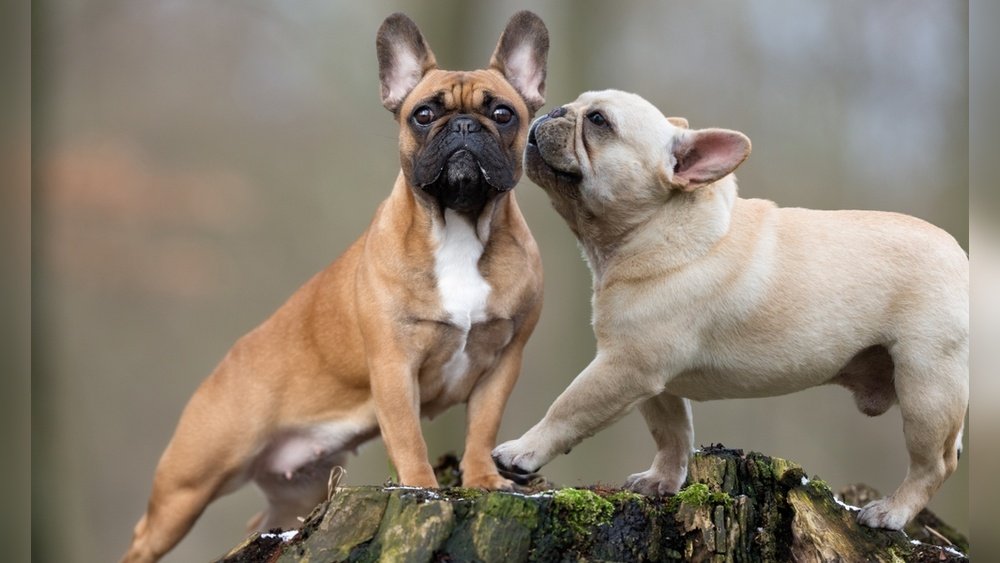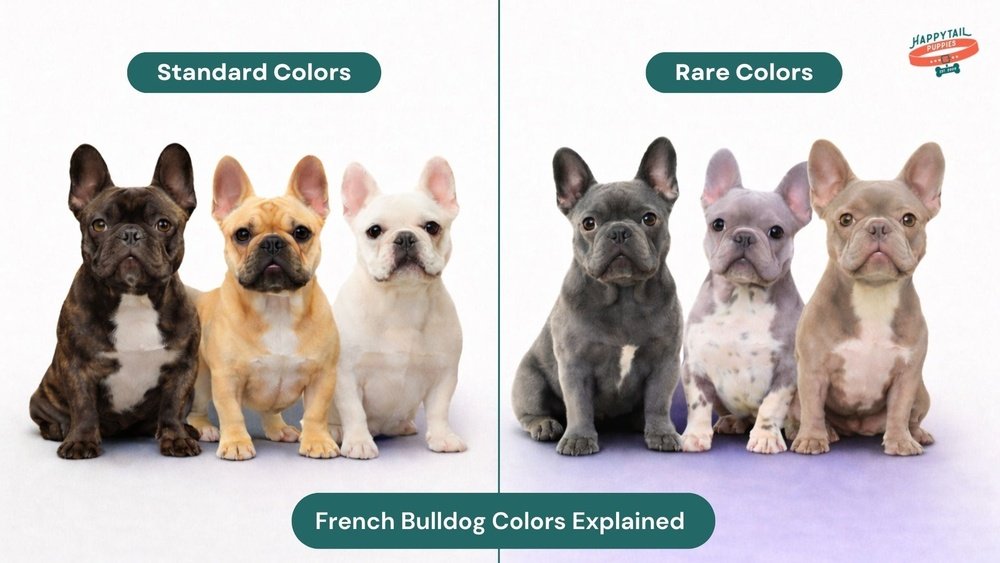

The American Bulldog is more than just a dog breed; it’s a living piece of history. Its journey from the farms and fields of early America to today’s family homes is rich and full of surprises. Many people know the American Bulldog for its strong body and loyal personality, but few understand its roots, its struggles, and how it became the breed we see now. This article will explore the history of the American Bulldog in detail, from its ancient ancestors to its modern role as both a working dog and a beloved companion. Along the way, you’ll learn about the changes in the breed, key figures who shaped its future, and why this dog continues to win hearts across the United States.
Origins: Bulldog Roots In England
The story of the American Bulldog starts in England with the Old English Bulldog. These dogs were bred for strength and courage. They worked on farms and were used in cruel sports like bull-baiting. The Old English Bulldog was tough, muscular, and fearless, but also gentle with its family.
When British settlers came to America in the 17th and 18th centuries, they brought their bulldogs with them. These dogs helped with daily farm tasks, guarded property, and protected livestock from wild animals. The breed was never meant to be just a pet; it was a worker and a protector.
The Old English Bulldog was not a pampered house dog. Instead, it had to be brave enough to face bulls, wild boars, and sometimes even intruders. These early bulldogs were respected for their ability to control large animals—an important skill in rural England where cattle and pigs could be dangerous and hard to manage.
Key Traits Of The Old English Bulldog
- Muscular build
- Strong jaws
- Short, wide face
- Loyal to owners
These traits are still found in the American Bulldog today.
But another trait often missed is the breed’s pain tolerance. Old English Bulldogs had to ignore pain to perform their tasks, which means even today, American Bulldogs may not show discomfort easily. This is important for owners and vets to know, as some injuries or health issues may go unnoticed if you only watch for obvious signs.
Arrival In America: Early Days On The Farm
As bulldogs arrived in America, they quickly became valuable farm dogs. Life in the colonies was harsh, and settlers needed animals that could do many jobs. Bulldogs helped control cattle, guard homes, and hunt wild pigs. Their strength and intelligence made them perfect for tough work.
Many early bulldogs were not purebred. Farmers bred them with other local dogs to improve their working ability. This mixing created dogs that were sturdy, brave, and ready to face dangers. Over time, these dogs began to look and act differently from their English ancestors.
One detail often overlooked: Early American settlers didn’t have easy access to veterinarians or specialized dog food. Bulldogs had to survive on what was available—scraps, leftovers, or whatever they could catch. This made them even more robust and adaptable, leading to the hardy breed we know today.
The Role Of Bulldogs In Southern States
Bulldogs became especially popular in the southern United States. There, they helped control feral hogs and protect farms from thieves and predators. The hot, humid climate was hard on many breeds, but bulldogs adapted well. Their short coat and strong body allowed them to work all day in tough conditions.
In Southern states, wild pigs were a serious problem for farmers, destroying crops and threatening livestock. Bulldogs were often sent out in teams to catch and hold these pigs until the farmer could deal with them. This required not just strength, but also the intelligence to avoid injury and the stamina to keep going even in hot weather.
Near Extinction And Revival
By the late 1800s, the Old English Bulldog was almost extinct in England. Bull-baiting was banned, and the breed lost its main purpose. In America, bulldogs continued to work, but their numbers dropped as farming methods changed and new breeds arrived.
During the early 20th century, bulldogs faced a real risk of disappearing. Few people cared about keeping the breed pure or preserving its unique qualities. Most bulldogs were bred only for farm work, not for looks or for showing.
As agriculture became more modern and fencing improved, the need for bulldogs declined. They were replaced by machinery and other breeds better suited to different tasks. In small pockets of the rural South, however, a few families kept their bulldogs, passing them down through generations almost as family heirlooms.
John D. Johnson And The Breed’s Revival
One man helped save the American Bulldog: John D. Johnson. In the 1940s, Johnson realized that bulldogs in the South were dying out. He started to collect and breed the best bulldogs he could find, focusing on their strength, temperament, and health.
Johnson’s work brought attention to the breed. He wanted to keep the bulldog’s working ability while making it a good family dog. Soon, others joined him, and the American Bulldog began to grow in popularity.
Not many people realize that Johnson traveled throughout the Southern states, sometimes driving hundreds of miles to find surviving bulldogs on remote farms. He kept detailed records, making sure to select dogs that had the right temperament for both work and home life.
His dedication is why the American Bulldog has a strong and stable gene pool today.
Development Of The Modern American Bulldog
The American Bulldog’s journey didn’t stop with Johnson. Other breeders, like Alan Scott, also played important roles. Scott wanted a lighter, more athletic dog, while Johnson preferred a larger, heavier bulldog.
This difference led to two main types of American Bulldog:
| Type | Physical Traits | Main Purpose |
|---|---|---|
| Johnson (Classic) Type | Larger, heavier, broad head | Guarding, family protection |
| Scott (Standard) Type | Lean, athletic, longer muzzle | Farm work, agility tasks |
Most American Bulldogs today are mixes of these two types, but some breeders still focus on either the Johnson or Scott line.
The Johnson Type
- Large, stocky body
- Short muzzle
- Wide chest
- Protective nature
The Johnson type is often more imposing and is sometimes chosen as a guard dog for large properties or even small businesses. Their presence alone is usually enough to deter unwanted visitors.
The Scott Type
- Athletic build
- Longer legs
- Longer muzzle
- High energy
The Scott type’s agility and drive make it better suited for sports and physical work. For example, Scott-type bulldogs are often seen in obedience competitions, agility courses, or even dock diving events.
Both types share the bulldog’s loyal personality and strong work ethic.
One extra insight: Some breeders today try to maintain a balance between the two types, aiming for a dog that is both physically impressive and agile. This “hybrid” American Bulldog is increasingly popular with active families and those who want a dog that can do a bit of everything.
American Bulldog In The 20th Century
By the 1970s and 1980s, the American Bulldog was gaining attention across the United States. More people saw its value as a family dog and a working companion. Breeders worked to create dogs that were healthy, friendly, and able to perform many jobs.
One detail often missed: The American Bulldog’s working background made it adaptable to many roles. Some were used as catch dogs in hunting, others as personal protection animals, and some even as “nanny dogs” watching over children on farms.
Breed Clubs And Recognition
In 1970, the American Bulldog Association (ABA) was founded. This group set standards for the breed and helped connect owners and breeders. Other groups, like the United Kennel Club (UKC), began to recognize the breed in the 1990s.
Recognition by major clubs was a big step. It allowed breeders to focus on health and temperament, not just physical traits. It also helped prevent inbreeding and health problems.
Clubs like the ABA and UKC also started tracking pedigrees, which helped breeders avoid accidental inbreeding—a common problem in rare breeds. This careful record-keeping has helped maintain the breed’s health and diversity.
American Bulldog Numbers
By the late 1990s, thousands of American Bulldogs were registered each year. The breed was no longer rare, but it was still not as common as other bulldog types like the English Bulldog or the French Bulldog.
Even today, the American Bulldog is less common in cities compared to suburbs or rural areas. However, their popularity is growing in urban settings, especially among families who want a protective but friendly dog.
Physical Traits And Health
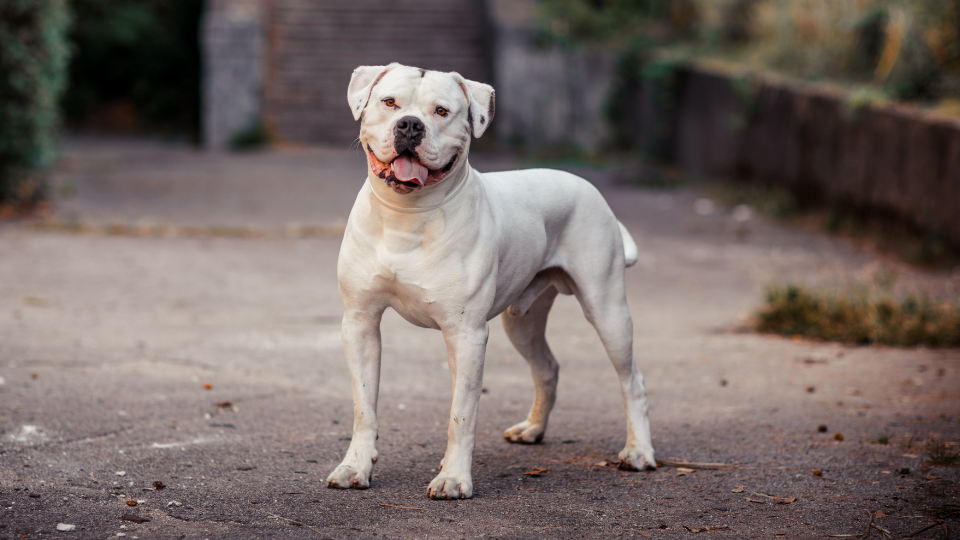
The American Bulldog has a unique look. It is strong, muscular, and athletic. Its head is broad, and its jaws are powerful. Most American Bulldogs weigh between 60 and 120 pounds and stand 20 to 28 inches tall at the shoulder.
| Breed | Average Weight | Average Height | Life Expectancy |
|---|---|---|---|
| American Bulldog | 60-120 lbs | 20-28 inches | 10-16 years |
| English Bulldog | 40-55 lbs | 14-15 inches | 8-10 years |
| French Bulldog | 16-28 lbs | 11-12 inches | 10-12 years |
Coat And Colors
The American Bulldog’s coat is short and smooth. It comes in many colors:
- White (most common)
- Brindle
- Fawn
- Brown
- Black patches
Some American Bulldogs even have rare colors like red patches or blue ticking, which can make them stand out in shows and among other dogs.
Health Concerns
Most American Bulldogs are healthy, but like all breeds, they can face certain health issues:
- Hip dysplasia: A common problem in large breeds
- Skin allergies: Sensitive to environmental factors
- Elbow dysplasia
- Eye problems
Responsible breeders test for these issues and choose healthy parents. Early socialization and good nutrition also play important roles in keeping the breed healthy.
Another insight: Because American Bulldogs have such strong jaws, dental care is important. Chew toys and regular tooth brushing help prevent dental problems, which can otherwise go unnoticed due to the dog’s high pain tolerance.

Credit: theblissfuldog.com
Temperament And Personality
The American Bulldog is known for its loyalty and courage. It bonds deeply with its family and loves to be involved in daily life. Despite its tough look, the bulldog is gentle with children and protective of its home.
Key Personality Traits
- Confident
- Gentle with family
- Protective but not aggressive
- Playful and energetic
- Intelligent and trainable
American Bulldogs need regular exercise and mental stimulation. Without it, they can become bored and destructive.
A detail that surprises many new owners: American Bulldogs often form especially strong bonds with one member of the family. This “favorite person” can help with training and socialization, as the dog will be eager to please them.
Socialization And Training
Early socialization is crucial. American Bulldogs are naturally wary of strangers, so exposing them to different people, animals, and situations helps them become well-adjusted adults. Training should be firm but gentle, using positive reinforcement.
Group classes and puppy playdates are excellent ways to socialize a young bulldog. Exposing the dog to loud noises, new places, and friendly strangers during the first year can prevent fear and anxiety later in life.
American Bulldog As A Working Dog
The bulldog’s working roots are still strong. Today, American Bulldogs perform many jobs:
- Guarding homes
- Search and rescue
- Service dog work
- Agility and sports
- Therapy dog roles
Many American Bulldogs excel in weight pulling and protection sports, thanks to their strength and intelligence.
Unique Working Abilities
One non-obvious insight: American Bulldogs can be trained for scent detection. Their keen noses allow them to find drugs, lost people, and even detect health problems in humans.
Another overlooked skill: Bulldogs are excellent herding dogs. While not as famous as Border Collies, they can control livestock, especially pigs and cattle, with confidence.
A real-world example: In rural areas, some farmers still use American Bulldogs to move cattle from one field to another. Their size and confidence make them effective, and their bond with their owner means they respond quickly to commands.
The American Bulldog In Popular Culture
The breed has appeared in movies, TV shows, and books. One famous American Bulldog was Chance from the movie “Homeward Bound.” This helped raise the breed’s profile and made it more popular as a family pet.
American Bulldogs are often used in advertisements and as mascots for sports teams. Their tough look and friendly personality appeal to many people.
The breed’s versatility is also celebrated in documentaries and social media, where owners show off their bulldogs’ skills in sports, tricks, and even community work.
Breed Standards And Registration
To keep the American Bulldog healthy and true to its roots, breed standards are important. Standards describe the ideal dog, including physical traits, temperament, and health.
American Bulldog Association (aba) Standards
The ABA sets standards for:
- Size and weight
- Head shape
- Coat and color
- Temperament
Dogs must meet these standards to be registered. The United Kennel Club (UKC) and other groups have similar rules.
| Standard | ABA | UKC |
|---|---|---|
| Size | 20-28 inches | 20-28 inches |
| Weight | 60-120 lbs | 60-120 lbs |
| Temperament | Loyal, confident | Loyal, confident |
| Color | All colors except solid black or blue | All colors except solid black or blue |
Breed standards also help buyers and breeders avoid unhealthy extremes, such as overly short muzzles or too much bulk, which can lead to breathing and mobility problems.
Modern Challenges And Misconceptions
Despite its growing popularity, the American Bulldog faces challenges. Some cities and regions have breed restrictions that include bulldogs. These rules are often based on misunderstandings about the breed’s temperament.
Common Misconceptions
- Aggressive by nature: Most American Bulldogs are calm and gentle with proper training.
- Difficult to train: They are intelligent and learn quickly with the right methods.
- Only for experienced owners: While they need guidance, many families enjoy owning American Bulldogs with basic training.
Another misconception: Some people think all bulldogs drool excessively. While American Bulldogs may drool, especially after exercise or eating, they usually drool less than English Bulldogs because of their longer muzzle.
Breed-specific Legislation
Breed bans and restrictions are a problem for bulldog owners. Many experts argue that behavior depends on training, not breed. The American Bulldog’s history shows it can be both a worker and a loving pet.
For more information on breed restrictions and responsible ownership, see the ASPCA.
Owners who live in areas with breed restrictions should check local laws before bringing home an American Bulldog. Responsible ownership and positive community involvement can help change public opinion and protect the breed’s reputation.
American Bulldog Around The World
While the American Bulldog is most popular in the United States, it has fans worldwide. In Europe, Asia, and Australia, people breed and show American Bulldogs. The breed is valued for its versatility and personality.
International Growth
In the past twenty years, American Bulldog clubs have formed in many countries. International dog shows often feature the breed, and breeders work together to keep standards high.
One interesting fact: In countries like Germany and the Netherlands, American Bulldogs are sometimes used in protection sports, where their courage and intelligence are highly valued. In Australia, they are often working farm dogs, just like their ancestors in early America.
Credit: www.afvt.org
Choosing An American Bulldog: What Matters
If you are thinking about getting an American Bulldog, there are important factors to consider:
- Size and space: Bulldogs need room to move and play. Apartment living can be hard unless you provide lots of exercise.
- Exercise needs: Daily walks and playtime are essential.
- Training and socialization: Early training helps prevent behavior problems.
- Health checks: Choose breeders who test for common health issues.
- Temperament: Meet the parents and see how they behave.
A practical tip: Ask the breeder about the puppy’s parents and grandparents. Good breeders will be happy to share health records and even let you meet the dogs. This will help you better understand what to expect from your puppy.
Common Buyer Mistakes
- Choosing a puppy based only on looks
- Ignoring temperament and health
- Not preparing for the breed’s energy and strength
Some families make the mistake of choosing a bulldog puppy because it looks “cute,” without realizing how big and strong it will become. Planning ahead and being honest about your lifestyle is key to a happy match.
An additional tip: American Bulldogs do best in homes where owners are active and have time for daily interaction. They don’t like being left alone for long periods.
The American Bulldog Today
Today, the American Bulldog is a respected breed. It works, plays, and protects. It is found in city homes, farms, and even offices as a therapy dog. Its journey from English bulldog to American hero is a story of survival and adaptation.
Non-obvious Insights
- Some American Bulldogs have rare color patterns like blue ticking or tri-color, which are not common in other bulldog breeds.
- The breed’s strong bite force makes it excellent for protection, but also requires careful training to avoid accidents.
Another insight: American Bulldogs are highly food-motivated. This makes training easier but also means owners should watch their dog’s weight and avoid overfeeding.
Credit: www.ababulldogs.com
Frequently Asked Questions
What Is The Difference Between The American Bulldog And The English Bulldog?
The American Bulldog is larger, more athletic, and bred for working ability. The English Bulldog is smaller, stockier, and bred mainly as a companion. American Bulldogs have a longer muzzle and are more active.
Are American Bulldogs Good With Children?
Yes. With proper socialization, American Bulldogs are gentle and protective with children. They enjoy playing and are very loyal to their family.
How Much Exercise Does An American Bulldog Need?
They need at least 1-2 hours of exercise daily. This includes walks, playtime, and mental activities. Without exercise, they can become bored and misbehave.
What Health Issues Are Common In American Bulldogs?
Common issues include hip dysplasia, skin allergies, and elbow dysplasia. Responsible breeders test for these problems to reduce risks.
Is The American Bulldog Recognized By Major Kennel Clubs?
Yes. The breed is recognized by groups like the United Kennel Club (UKC) and the American Bulldog Association (ABA). However, the American Kennel Club (AKC) does not yet officially recognize the breed.
The American Bulldog’s history is a story of strength, survival, and loyalty. From its English roots to its American revival, this breed has changed and adapted. Today, it is loved for its courage, intelligence, and gentle heart. Whether you want a working dog or a devoted pet, the American Bulldog offers a unique blend of power and kindness that few breeds can match.

We’re the dedicated team behind MyPawSafe.com, with over a decade of combined experience in veterinary care, pet emergency response, and animal behavior. While we prefer to let our work speak for itself, our mission is clear: to provide science-backed, vet-approved advice that helps pet owners prevent accidents and save lives.