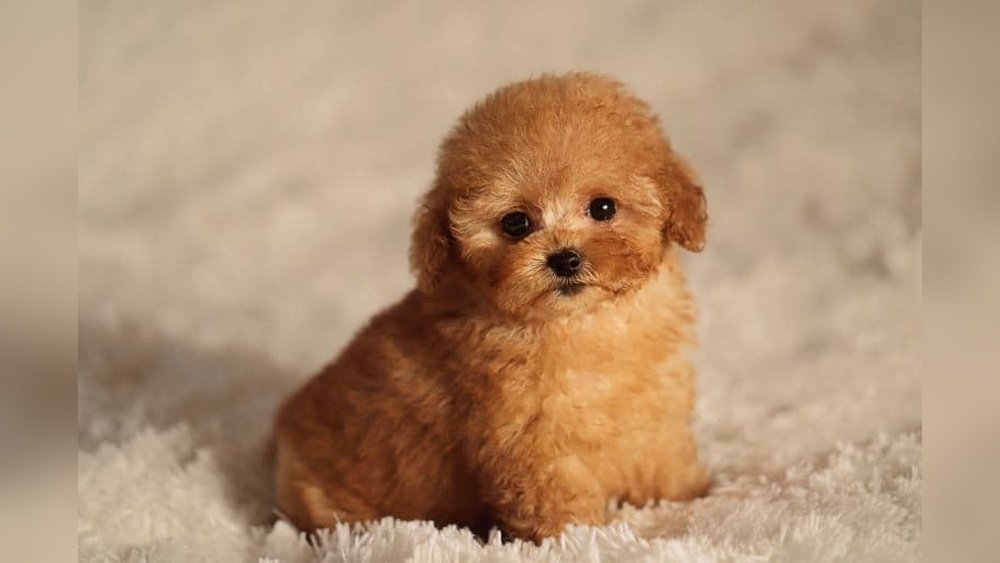
Poodles are famous for their intelligence, elegance, and curly coats. But many people wonder, what is the smallest poodle you can own? The world of small poodles is full of terms like toy poodle and teacup poodle. Some owners dream of a tiny companion that can fit in a purse, while others want a playful friend that stays small but sturdy. This article will clear up confusion about poodle sizes, explore what makes a toy poodle different from a teacup, and answer common questions about their care, health, and popularity. If you’re thinking about a poodle or just curious about these clever dogs, you’ll find everything you need to know about the smallest poodles right here.
Understanding Poodle Sizes
Poodles come in several sizes. Officially, The American Kennel Club (AKC) recognizes three: Standard, Miniature, and Toy. But in recent years, other terms like teacup and micro poodle have become popular, especially on social media and among breeders aiming to produce the tiniest pups possible.
The Official Sizes: Standard, Miniature, And Toy
- Standard Poodle: The largest size. Usually over 15 inches tall at the shoulder and weighing between 40-70 pounds.
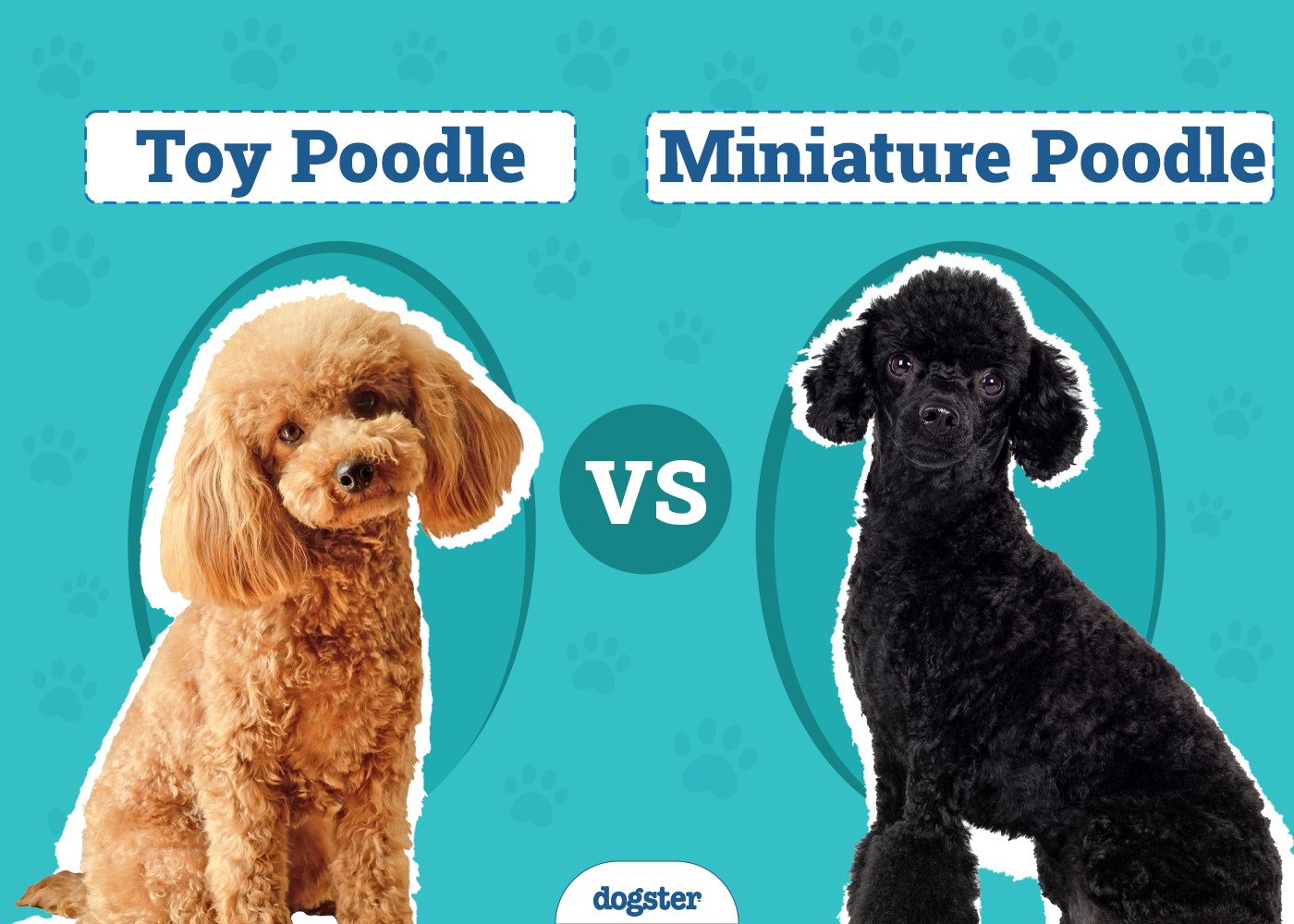
- Miniature Poodle: Medium-sized. Stands 10-15 inches tall and weighs 10-15 pounds.
- Toy Poodle: The smallest official size. No more than 10 inches tall, usually weighing 4-6 pounds.
The Unofficial Sizes: Teacup And Micro Poodles
- Teacup Poodle: Not recognized by major kennel clubs. These dogs are bred to be even smaller than the toy poodle, often weighing less than 4 pounds and standing around 6-9 inches tall.
- Micro Poodle: An even smaller, less common term. Micro poodles may weigh as little as 2 pounds.
It’s important to know that teacup and micro poodles are not separate breeds. They are toy poodles bred to be as tiny as possible. This difference matters, especially when it comes to health and ethical breeding.
Why So Many Sizes?
The variety of poodle sizes exists because of their popularity and adaptability. Poodles were originally bred as water retrievers (the standard size). As people moved to cities and wanted smaller pets, breeders developed the miniature and toy versions. The unofficial teacup and micro poodles are a more recent trend, created by breeding the smallest toy poodles together.
What Is The Smallest Poodle?
The teacup poodle is usually considered the smallest poodle you can find. Most teacup poodles are under 9 inches tall and weigh 2-4 pounds. Some breeders go even smaller and call their dogs micro poodles, but these are extremely rare and can have serious health issues.
How Small Is A Teacup Poodle?
Imagine a poodle that can sit in the palm of your hand. That’s a teacup poodle. Their size makes them popular with people living in apartments or those who want a portable companion. Here’s a quick look at how these sizes compare:
| Poodle Type | Height (inches) | Weight (pounds) | AKC Recognized? |
|---|---|---|---|
| Standard Poodle | Over 15 | 40–70 | Yes |
| Miniature Poodle | 10–15 | 10–15 | Yes |
| Toy Poodle | Up to 10 | 4–6 | Yes |
| Teacup Poodle | Up to 9 | 2–4 | No |
| Micro Poodle | Under 8 | 1.5–2.5 | No |
This chart shows just how small teacup and micro poodles are compared to the official sizes.
Is “teacup” An Official Term?
No, teacup poodle is not recognized by major kennel clubs. The AKC and similar organizations only recognize the three main sizes. The term “teacup” is mainly used by breeders and in marketing. This is important because official recognition affects things like show eligibility, registration, and sometimes even health guarantees.
Toy Poodle Vs Teacup Poodle: What’s The Difference?
Many people confuse the toy poodle with the teacup poodle, but there are key differences.
Size And Weight
- Toy poodles are up to 10 inches tall and usually weigh 4–6 pounds.
- Teacup poodles are bred to be even smaller, under 9 inches tall and 2–4 pounds.
Health And Longevity
- Toy poodles are generally healthy when bred responsibly. They can live 12–15 years.
- Teacup poodles are more likely to have health problems. Their bones are fragile, and they can be prone to low blood sugar, dental issues, and organ problems. Lifespan may be shorter—often 7–10 years.
Price
- Teacup poodles are often more expensive than toy poodles. The rarity and demand for tiny dogs can push prices higher, but buyers should be careful. High price does not always mean higher quality or health.
Personality And Temperament
- Both toy and teacup poodles are lively, smart, and affectionate. Their small size means they are less suitable for rough play or homes with small children.
Recognized Status
- Only the toy poodle is recognized by kennel clubs. Teacup and micro poodles are not separate breeds.
Here’s a side-by-side comparison for clarity:
| Feature | Toy Poodle | Teacup Poodle |
|---|---|---|
| Height | Up to 10 inches | Up to 9 inches |
| Weight | 4–6 pounds | 2–4 pounds |
| Lifespan | 12–15 years | 7–10 years |
| Official Recognition | Yes | No |
| Health Risks | Moderate | High |
| Typical Price (USD) | $1,000–$2,500 | $2,000–$5,000+ |
This table highlights why it’s important to understand the differences before choosing the smallest poodle for your home.
Why Do People Want The Smallest Poodle?
The trend for smaller and smaller poodles has grown for several reasons:
- Portability: Teacup poodles are easy to carry and travel with.
- Apartment Living: Their tiny size makes them suitable for small spaces.
- Cuteness Factor: Many people find tiny dogs irresistibly cute.
- Status Symbol: Some buyers see owning a teacup poodle as fashionable or exclusive.
- Low Exercise Needs: Smaller dogs often require less exercise, fitting busy lifestyles.
However, these reasons sometimes overshadow important health and welfare issues. The demand for ultra-small poodles can lead to unethical breeding practices and higher rates of health problems.
_Color.png)
Credit: www.wisdompanel.com
How Are Teacup And Micro Poodles Bred?
Most teacup poodles are produced by breeding the smallest toy poodles together. Sometimes breeders may use runts (the smallest puppies in a litter) or even breed dogs with dwarfism, which can increase the risk of health issues.
Common Breeding Practices
- Selective Breeding: Choosing only the tiniest poodles to produce even smaller puppies.
- Inbreeding: Sometimes used to “fix” the small size trait, but this can increase genetic problems.
- Mixing with Other Small Breeds: Rare, but can happen to achieve smaller size or certain looks.
Ethical Concerns
Responsible breeders focus on health, temperament, and following breed standards. “Teacup” breeders may put size above health, which is risky for the dog and the owner. Before buying, always ask about health tests and the parents’ backgrounds. Avoid breeders who won’t show you the puppy’s living conditions or health records.
Health Risks Of Tiny Poodles
While all poodles can live long, happy lives, teacup poodles face special health risks because of their tiny size. These risks are often overlooked by beginners.
Common Health Problems
- Hypoglycemia (Low Blood Sugar): Small dogs can have trouble maintaining blood sugar, leading to weakness, confusion, or seizures.
- Fragile Bones: A teacup poodle’s bones are thinner and break more easily, even from small falls.
- Heart Problems: Tiny dogs are more likely to have congenital heart defects.
- Dental Disease: Their small mouths can lead to overcrowded teeth and gum problems.
- Organ Issues: Liver and kidney problems are more common in very small dogs.
- Collapsed Trachea: The windpipe can be weak, making breathing difficult.
Why Are These Risks Higher?
When breeders focus only on making dogs smaller, they may ignore other important traits, like strong bones or healthy organs. This makes teacup poodles more fragile and costly to care for.
What Can Owners Do?
- Feed small, frequent meals to avoid hypoglycemia.
- Handle gently and avoid rough play.
- Visit the vet regularly for checkups.
- Watch for signs of pain, limping, or breathing trouble.
Credit: www.dogster.com
Lifespan And Quality Of Life
A well-bred toy poodle can live 12–15 years, sometimes longer. But teacup poodles often face more health challenges, which can shorten their lifespan to 7–10 years. Some may live longer with excellent care, but it’s not guaranteed.
Quality Of Life
Teacup poodles can be sweet, playful pets, but their size means:
- They’re less sturdy and more easily injured.
- They may need extra attention and protection.
- They may have higher vet bills.
- They might not be able to join in activities that larger dogs enjoy.
If you want a tiny companion, be ready for more responsibility and possible heartache if health problems arise.
Caring For The Smallest Poodle
Caring for a teacup poodle or even a small toy poodle is different from caring for a larger dog. Owners must be extra careful and attentive.
Feeding
- Use high-quality dog food designed for small breeds.
- Feed several small meals per day to prevent hypoglycemia.
- Always provide fresh water.
Exercise
- Short, gentle walks are best. Avoid strenuous exercise.
- Play indoors where the environment is safe.
- Never let a teacup poodle jump from furniture.
Grooming
- Poodles need regular grooming. Their curly coats don’t shed much, but they can tangle easily.
- Brush at least three times a week.
- Schedule professional grooming every 4–6 weeks.
- Clean ears and trim nails regularly.
Training
- Start early with positive reinforcement.
- Poodles are smart and learn quickly, but tiny dogs can become spoiled if not given boundaries.
- Socialize with gentle people and calm pets.
Health Care
- Visit the vet at least once a year, more often for teacup poodles.
- Keep up with vaccinations and parasite prevention.
- Watch for signs of illness, like lethargy, trouble eating, or limping.
Special Safety Precautions
- Use a harness, not a collar, for walks to protect the trachea.
- Block off stairs or dangerous areas in your home.
- Supervise around children and larger pets.
- Keep your poodle warm in cold weather; tiny dogs lose heat quickly.
Cost Of Owning The Smallest Poodle
Many people are surprised by the cost of a teacup poodle. Buying the puppy is just the beginning.
Initial Purchase Price
- Toy poodle: $1,000–$2,500 from a reputable breeder.
- Teacup poodle: $2,000–$5,000+, sometimes much more for rare colors or very tiny size.
Ongoing Costs
- Vet bills: Teacup poodles may need more frequent visits and special care.
- Food: Small amounts, but high-quality, which can be expensive.
- Grooming: Regular professional grooming is needed.
- Accessories: Tiny harnesses, sweaters, beds, and toys.
Hidden Costs
- Emergency care for injuries or illness.
- Dental care, which may require anesthesia.
- Special diets or supplements.
Many owners find that teacup poodles are more expensive to care for over their lifetime than larger dogs.
Are Teacup Poodles Good Pets?
Teacup poodles can make loving, devoted pets for the right person. They are playful, intelligent, and bond closely with their owners. But their tiny size means they are best for adults or families with older children who understand how to be gentle.
Who Should Consider A Teacup Poodle?
- People who want a small, indoor companion.
- Owners with time and resources for extra care.
- Those who live in apartments or have limited space.
- People who can supervise closely and avoid rough play.
Who Should Avoid?
- Families with small children or large, active dogs.
- Anyone looking for a sturdy, athletic pet.
- Owners who may not afford high vet bills or special care.
Toy And Teacup Poodles In Popular Culture
Tiny poodles have long been favorites in movies, TV, and with celebrities. Their adorable looks and clever personalities make them photogenic and charming.
Famous Toy And Teacup Poodle Owners
- Elizabeth Taylor owned several toy poodles throughout her life.
- Elvis Presley gave a toy poodle to his mother.
- Many modern influencers and celebrities share photos of their tiny poodles on social media.
The Influence Of Social Media
Social media has increased demand for the smallest poodles. Photos of teacup poodles dressed up or riding in purses have gone viral, making them trendy pets. But not every trend is good for the dogs themselves—responsible ownership matters more than Instagram likes.
Common Myths About Smallest Poodles
With so much information online, it’s easy to believe myths about tiny poodles. Let’s set the record straight.
Myth 1: Teacup Poodles Are A Separate Breed
Fact: Teacup poodles are not a separate breed. They are very small toy poodles, not recognized by major kennel clubs.
Myth 2: Smaller Dogs Are Always Healthier
Fact: Teacup poodles are more likely to have health problems, not fewer. Their tiny size makes them more vulnerable, not stronger.
Myth 3: Teacup Poodles Are Good For Young Children
Fact: Because they are so delicate, teacup poodles are not recommended for homes with small kids. A dropped toy or quick hug can cause injury.
Myth 4: Teacup Poodles Don’t Need Exercise
Fact: All dogs need some exercise and mental stimulation. Teacup poodles need short walks and playtime, just at a gentler pace.
Myth 5: The Smaller, The Better
Fact: Extremely small size often comes with higher risks and lower quality of life. Responsible breeders focus on health, not just size.
Responsible Ownership And Adoption
If you’re set on owning the smallest poodle, do your homework. Not all breeders are equal, and not all poodles are healthy.
How To Find A Good Breeder
- Look for breeders who focus on health and temperament, not just tiny size.
- Ask to see health tests for both parents (especially for common poodle issues like PRA, hip dysplasia, and heart problems).
- Visit the breeder’s home to see living conditions.
- Avoid breeders who sell puppies before 8 weeks old.
Consider Adoption
Toy and even teacup poodles sometimes end up in rescue. Adoption can give a dog a second chance and may cost less than buying a puppy. Check local shelters or poodle-specific rescues.
Questions To Ask
- What health guarantees are offered?
- Can you meet the puppy’s parents?
- How are the puppies socialized?
- What support is available after adoption?
How To Keep Your Smallest Poodle Healthy And Happy
A small poodle can be a wonderful companion with the right care. Here are practical tips for keeping your tiny friend safe and content.
- Routine: Keep a regular feeding and bathroom schedule.
- Safe Space: Provide a cozy bed away from drafts and busy areas.
- Gentle Handling: Teach everyone in your home to handle the poodle carefully.
- Mental Stimulation: Use puzzle toys and short training sessions to keep your poodle’s mind active.
- Emergency Plan: Know the signs of hypoglycemia and have your vet’s number handy.
- Regular Checkups: Early vet visits can catch problems before they become serious.
Comparing The Smallest Poodle To Other Tiny Breeds
Some people wonder how teacup poodles compare with other popular small breeds, like the Chihuahua or Yorkshire Terrier. Here’s a quick look:
| Breed | Average Height (inches) | Average Weight (pounds) | Life Expectancy (years) | Special Care Needs |
|---|---|---|---|---|
| Teacup Poodle | 6–9 | 2–4 | 7–10 | High |
| Chihuahua | 5–8 | 2–6 | 12–20 | Moderate |
| Yorkshire Terrier | 7–8 | 4–7 | 13–16 | Moderate |
| Pomeranian | 6–7 | 3–7 | 12–16 | Moderate |
Teacup poodles are among the tiniest, but also need the most care. Other small breeds may be sturdier or live longer, but don’t have the same curly coat or poodle intelligence.
Unique Insights: What Beginners Miss
Many first-time owners focus only on the cuteness and size of teacup poodles. But two common surprises are:
- Tiny dogs are more vulnerable to cold, injury, and stress. Owners must make extra adjustments to their home and routine.
- Vet bills can be higher. Even minor accidents may require expensive surgery or specialist care, which surprises many new owners.
It’s smart to talk to other teacup or toy poodle owners before making a decision. Real-world experience can help you prepare for the joys and challenges ahead.
)
Credit: lyka.com.au
Frequently Asked Questions
What Is The Smallest Poodle Breed Recognized By The Akc?
The toy poodle is the smallest poodle size officially recognized by the American Kennel Club. Toy poodles stand up to 10 inches tall at the shoulder and weigh around 4–6 pounds. “Teacup” and “micro” poodles are not separate breeds and are not recognized by the AKC.
Are Teacup Poodles Good For Families With Children?
Teacup poodles are very delicate and can be easily injured by rough play. They are best suited for homes with adults or older children who understand how to handle small dogs gently. Families with young children should consider a sturdier breed or a larger poodle.
How Long Do Teacup Poodles Live?
The average lifespan of a teacup poodle is 7–10 years, though some may live longer with excellent care. Their life expectancy is often shorter than toy or miniature poodles due to higher health risks associated with their tiny size.
What Health Problems Are Common In The Smallest Poodles?
Teacup poodles are more likely to suffer from hypoglycemia, broken bones, dental disease, heart defects, and organ problems. Regular vet checkups and gentle handling are essential to keeping them healthy.
Where Can I Learn More About Official Poodle Standards?
You can find detailed information about poodle breed standards and care on the American Kennel Club website. This resource explains the differences between standard, miniature, and toy poodles, and offers guidance for owners.
Tiny poodles can bring big joy, but they require special care and thoughtful ownership. If you understand their needs and are prepared for the responsibility, the smallest poodle can be a loving, loyal companion for years to come.

We’re the dedicated team behind MyPawSafe.com, with over a decade of combined experience in veterinary care, pet emergency response, and animal behavior. While we prefer to let our work speak for itself, our mission is clear: to provide science-backed, vet-approved advice that helps pet owners prevent accidents and save lives.