English Bulldog Heat Cycle: Symptoms, Frequency, And Care
English Bulldogs are one of the most beloved dog breeds, known for their gentle nature and distinctive appearance. If you own a female English Bulldog or plan to breed one, understanding her heat cycle is essential. The heat cycle affects not only her health but also her behavior and comfort. This guide will help you recognize heat symptoms, know how often Bulldogs go into heat, and learn the best care practices. With clear explanations and real examples, you’ll feel confident managing your Bulldog’s heat cycle.
Caring for a Bulldog during her heat may feel overwhelming the first time. New owners often worry about stains on floors, mood changes, and the risk of accidental pregnancy. But with the right knowledge and preparation, you can support your dog through each stage.
You’ll also prevent common mistakes, like misreading symptoms or neglecting hygiene, which can affect her health. Whether you want to breed responsibly or simply keep your Bulldog comfortable, understanding her heat cycle will make you a better, more attentive owner.
What Is The Heat Cycle In English Bulldogs?
The heat cycle, also called estrus, is a natural process where a female dog becomes fertile and can mate. Unlike humans, dogs do not have a monthly cycle. Instead, they experience heat a few times per year.
For English Bulldogs, the heat cycle is more than just a physical change. It affects their hormones, mood, and activity level. Most Bulldogs start their first heat between 6 and 12 months old, but this can vary based on genetics and health. Some Bulldogs may experience their first heat as late as 14 months, especially if they are smaller or have had health setbacks early in life.
Each heat cycle has four stages:
- Proestrus: Lasts about 7–10 days. The dog is not ready to mate yet.
- Estrus: Lasts about 7–10 days. The dog is fertile and can become pregnant.
- Diestrus: Lasts around 2 months. The body returns to normal if not pregnant.
- Anestrus: Lasts 4–5 months. This is the resting period before the next heat.
During proestrus, you’ll notice the first visible changes, such as swelling and discharge. Estrus is when she can become pregnant—her body is most receptive to a male dog. Diestrus is a recovery stage, and anestrus is a time of hormonal quiet.
These stages are controlled by hormones like estrogen and progesterone.
Understanding these stages helps you predict your dog’s needs and behavior. For example, during proestrus, your Bulldog may seem clingy or unsettled but won’t accept a male. Estrus is when her behavior may change the most, and she may actively seek male dogs.
Diestrus and anestrus are calmer periods, but monitoring remains important for health.
Recognizing Heat Cycle Symptoms In English Bulldogs
Noticing your Bulldog’s heat cycle symptoms early makes care easier and prevents unwanted surprises. Here are the most common signs:
Physical Symptoms
- Swollen vulva: One of the first signs. The area becomes larger and softer. Swelling can vary—sometimes it’s very clear, other times you must look closely.
- Bloody discharge: Starts light and becomes heavier. Color changes from red to pink. In some Bulldogs, the discharge is heavy for a few days, then fades. In others, it stays light.
- Increased urination: Your Bulldog may pee more often, marking territory. This can lead to accidents indoors, so frequent bathroom breaks help.
Some Bulldogs also have a mild odor during heat, which is normal. This scent helps male dogs detect her fertility, even from a distance.
Behavioral Changes
- Restlessness: Bulldogs may seem anxious or pace more. She might whine or bark at night.
- Affectionate behavior: Your dog may seek extra attention, wanting to sit close or follow you around.
- Mounting: She may mount other dogs or objects, even if she never did this before.
- Attracting male dogs: Males will show interest, often sniffing and following her. You might notice neighborhood dogs lingering near your home or yard.
Some Bulldogs become less playful or lose interest in food for a few days. Others might become pickier with their meals or eat less.
Unusual Signs
Some Bulldogs show less obvious symptoms. For example, discharge might be minimal, or behavior changes are subtle. In rare cases, Bulldogs may have a silent heat, where symptoms are hard to spot. If you suspect your dog is in heat but see little evidence, it’s best to consult your vet.
Silent heat can be tricky. A Bulldog may still be fertile but show almost no outward signs. This is why tracking behavior, appetite, and urination patterns is helpful. If male dogs act interested but you see few symptoms, consider a vet check to confirm her stage.

Credit: drshehlaebrahim.com
Frequency And Duration Of Heat Cycles
English Bulldogs do not go into heat as often as some other breeds. Their unique body shape and genetics can affect timing.
Typical Frequency
- Every 6–8 months: Most Bulldogs have two heats per year. Occasionally, some Bulldogs have longer gaps, especially as they age.
- First heat: Usually between 6–12 months of age.
- Irregular cycles: Young Bulldogs may have uneven cycles before settling into a routine.
Some Bulldogs, especially those with health challenges or underweight, may only have one cycle per year. This is less common but not always a cause for concern. If you notice cycles are very far apart (over 12 months), check with your vet to rule out thyroid or reproductive issues.
Duration
Each heat cycle lasts 2–4 weeks. The fertile period (estrus) is about 7–10 days within this time. Some Bulldogs have shorter cycles, but most will fall into this range.
A cycle may seem to end after two weeks, but mild discharge or swelling can last longer. Tracking each stage with notes helps you recognize her pattern over time.
| Age | First Heat | Frequency After First Heat | Cycle Duration |
|---|---|---|---|
| 6–12 months | Usually First Heat | Irregular | 2–4 weeks |
| 1–2 years | Settled | Every 6–8 months | 2–4 weeks |
| Older than 2 years | N/A | Every 6–8 months | 2–4 weeks |
Non-obvious Insight
Some owners think Bulldogs should have regular cycles right away, but it’s normal for the first year to be unpredictable. Stress, health issues, or poor nutrition can delay or disrupt cycles.
Another detail: Major changes in your Bulldog’s environment—such as moving house, adding new pets, or illness—can cause skipped or delayed cycles. Patience and good nutrition help her settle into a pattern.
Caring For Your English Bulldog During Heat
Proper care during your Bulldog’s heat cycle keeps her comfortable and healthy. Here are practical steps you can follow:
Hygiene And Cleanliness
- Clean bedding daily: Use soft, washable blankets. Change them if they become soiled to prevent infection.
- Wipe discharge: Use unscented baby wipes to clean her vulva gently. This helps avoid irritation and keeps odors down.
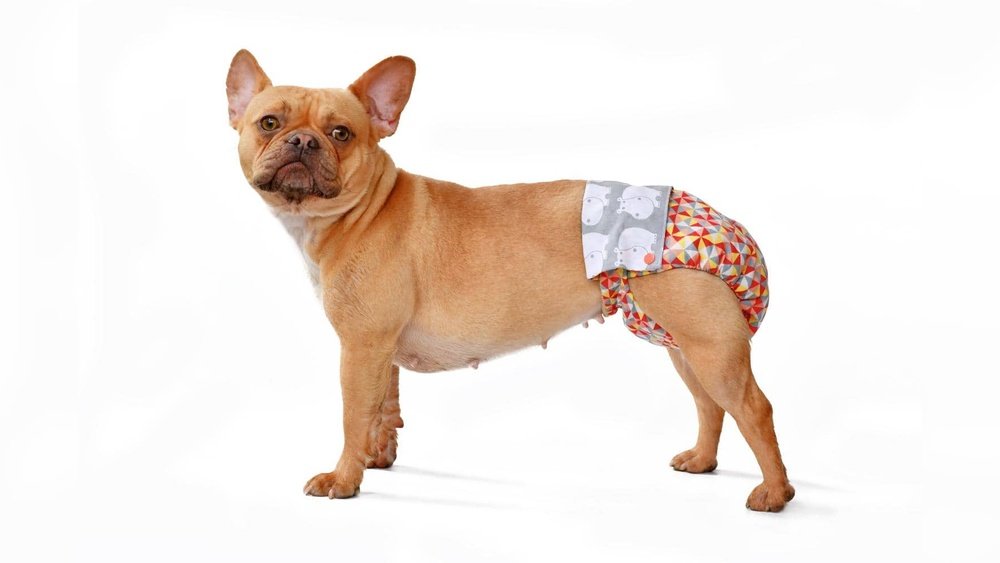
- Dog diapers: Special heat diapers help contain messes and keep your home clean. Change diapers often to prevent rash or discomfort.
Some Bulldogs have sensitive skin, so pick hypoallergenic wipes and wash bedding with fragrance-free detergent.
Managing Behavior
- Limit contact with males: Keep her away from male dogs to prevent unwanted mating. Even short interactions can be risky during estrus.
- Supervised walks: Use a leash and avoid dog parks during heat. Male dogs can sense her from far away and may act aggressively.
- Calm environment: Reduce stress with quiet spaces and regular routines. Loud noises or changes in routine can make her more anxious.
If your Bulldog becomes more vocal or restless, try gentle petting, soothing music, or a favorite toy.
Diet And Hydration
- Fresh water: Bulldogs may drink more, so refill her bowl often. Dehydration can worsen fatigue.
- Nutritious food: Give high-quality dog food to support her energy needs. If she’s picky, try adding a spoonful of wet food or broth.
- Treats: Healthy treats can help distract her from anxiety. Use them to reward calm behavior or encourage eating.
Some Bulldogs experience mild digestive upset during heat. If she skips meals for more than a day or shows stomach pain, call your vet.
Exercise And Activity
- Gentle walks: Short, calm walks are better than intense activity. Overexertion can lead to heat stress, especially in warm weather.
- Mental stimulation: Puzzle toys or simple games keep her mind busy. Try hiding treats in toys or teaching basic commands.
Avoid group activities or off-leash play, as other dogs may react strongly to her scent.
Health Monitoring
- Check for infection: Watch for foul-smelling discharge or extreme swelling. These may signal pyometra or vaginitis.
- Track cycle dates: Keep a calendar to note start and end of heat. This helps you spot irregularities and prepare for the next cycle.
- Vet visits: Schedule a checkup if her heat seems abnormal or she acts sick. Early care prevents most complications.
Practical Tip
Avoid bathing your Bulldog during heavy discharge days. Water and soap can irritate her skin. Wait until the flow reduces, then use mild shampoo.
If you must clean her, use a damp cloth and focus on the back legs and tail area. Always dry her thoroughly to prevent skin folds from staying damp.
:strip_icc()/signs-your-dog-is-in-heat-3385379-615adddcb93347ccade8a600eec7e137.jpg)
Credit: www.thesprucepets.com
Preventing Unwanted Pregnancy
If you do not plan to breed your Bulldog, preventing pregnancy is important. Bulldogs are prone to health issues, and breeding should be done under expert care.
Simple Prevention Steps
- Secure home: Keep doors and gates closed to stop males from entering. Even a short escape can result in mating.
- Supervise outside time: Never let her roam off-leash during heat. Male dogs can be persistent and creative about getting to her.
- Dog diapers: These can help but are not foolproof. Some determined males can still mate through a diaper.
Double-check fencing for gaps and alert family members to her status so everyone is careful.
Spaying
Spaying (removal of reproductive organs) prevents heat cycles and pregnancy. Most vets recommend spaying after her first heat. It lowers risk of cancer and infection. However, spaying too early can cause growth problems, so timing matters. Discuss options with your vet.
Spaying also reduces the risk of pyometra, a deadly uterine infection, and mammary tumors later in life. Recovery from spaying is usually quick, but Bulldogs may need extra care due to their body shape and breathing issues.
Non-obvious Insight
Some owners believe spaying will instantly change their dog’s personality. In truth, most Bulldogs stay the same after spaying, but may gain weight if not exercised.
To prevent weight gain, feed measured portions and maintain daily gentle exercise. Bulldogs can become less active after spaying, so keep them engaged with play and walks.
Special Considerations For Breeding English Bulldogs
Breeding English Bulldogs is complex and risky. Their body shape makes natural mating and birth difficult. If you plan to breed, you must prepare for special challenges.
Artificial Insemination
Most Bulldog breeders use artificial insemination because natural mating is hard. The male’s body often cannot mate with the female due to size and shape.
Artificial insemination must be done by a skilled vet or breeder. Timing is critical—semen must be introduced during estrus, when she is most fertile. Vets may use hormone tests to pinpoint the right day.
Cesarean Section (c-section)
Bulldog puppies have large heads, making birth dangerous. Most Bulldogs need a C-section to deliver safely. This surgery costs $1,000–$3,000 and requires an experienced vet.
C-sections are planned close to the due date. Waiting too long or delivering too early can risk the lives of the puppies and the mother. Bulldogs are not good at natural whelping, and complications are common if a C-section is not performed.
Health Risks
- Pyometra: A dangerous uterine infection. Symptoms include vomiting and lethargy. It is common in unspayed females.
- Heat stress: Bulldogs have short noses (brachycephalic), so they struggle with hot weather. Keep them cool during heat cycles.
Other risks include eclampsia (low calcium after birth), mastitis (infection in mammary glands), and stillbirth. These require immediate vet care.
Breeding Age
Only breed Bulldogs between 2 and 5 years old. Younger or older dogs face higher risks. Never breed during her first or second heat.
Breeding too young or too old can cause poor puppy health, birth defects, or even death of the mother. Always consult a vet before making breeding decisions.
| Breeding Factor | Recommended Practice | Risk Level |
|---|---|---|
| Natural Mating | Usually Not Possible | High |
| Artificial Insemination | Preferred | Moderate |
| C-Section | Almost Always Needed | High |
| Breeding Age | 2–5 Years | Low |
Breeding Bulldogs is a big responsibility—financially, emotionally, and ethically. If you are not an experienced breeder, it is best to avoid breeding and focus on your Bulldog’s health and happiness.
Common Problems During Bulldog Heat Cycle
Heat cycles are natural, but Bulldogs may face some problems. Knowing these helps you react fast and keep your dog safe.
Pyometra
This is a life-threatening infection in the uterus. Signs include heavy discharge, loss of appetite, and weakness. Immediate vet care is needed.
Pyometra can develop quickly, sometimes within days after the heat cycle ends. If you notice your Bulldog is drinking a lot of water, vomiting, or seems very tired, seek emergency care.
Vaginitis
Some Bulldogs get vaginitis, a mild inflammation. It causes swelling and redness. It usually passes after heat, but severe cases need medicine.
Puppies and young Bulldogs are more likely to get vaginitis. Often, it resolves with simple hygiene, but if your Bulldog licks herself excessively or has pus-like discharge, see your vet.
False Pregnancy
Bulldogs sometimes show signs of pregnancy, like nesting or producing milk, even if they are not pregnant. This is called false pregnancy and usually resolves in a few weeks.
During false pregnancy, your Bulldog may collect toys, shred bedding, or become protective. Most cases need only comfort and gentle care, but if she becomes aggressive or her mammary glands swell, consult a vet.
Heat Stress
During summer, Bulldogs can overheat quickly. They struggle to cool themselves, so provide shade, fresh water, and limit walks in hot weather.
Signs of heat stress include panting, drooling, weakness, or collapse. Cool her immediately with damp towels and call your vet.
Irregular Cycles
If your Bulldog skips a cycle or has very long or short heats, it may signal a health issue. Thyroid disorders, stress, or malnutrition can cause irregularity.
Prolonged heat, especially more than 4 weeks, or no heat for over a year, should be checked by a vet. Early diagnosis of hormonal imbalances or reproductive disease improves outcomes.
Insight For Beginners
Many owners panic when Bulldogs refuse food or seem tired during heat. This is often normal, but if symptoms last more than a few days, consult your vet.
Bulldogs are known for stubbornness. If you notice sudden changes in energy, appetite, or behavior, trust your instincts and seek advice early.
Practical Tips For Managing Your Bulldog’s Heat Cycle
Managing the heat cycle requires planning and patience. Here are practical tips that make life easier:
- Track cycles: Use a smartphone app or calendar to log start and end dates. This helps you predict when the next cycle may start and avoid surprises.
- Stock supplies: Keep heat diapers, wipes, and clean bedding ready before heat starts. Having supplies on hand means less stress for you and your Bulldog.
- Limit walks: Walk her early morning or late evening when fewer dogs are out. This reduces the chance of meeting male dogs and keeps her cool.
- Prepare safe spaces: Use a crate or quiet room for resting during peak symptoms. Bulldogs appreciate a calm, familiar place when feeling uncomfortable.
- Monitor health: Check for unusual discharge, swelling, or signs of pain. Early attention to problems can prevent bigger health issues.
- Plan vet visits: Annual checkups help spot problems early. Ask your vet to check her reproductive health, especially if cycles are irregular.
Small things make a big difference. For example, placing washable mats under her favorite resting spots saves cleanup time, and teaching her to accept gentle cleaning from a young age reduces stress later.
| Tip | Benefit |
|---|---|
| Tracking cycle dates | Predicts next heat and avoids surprises |
| Stocking supplies | Keeps home clean and dog comfortable |
| Limit walks | Reduces risk of unwanted mating |
| Prepare safe spaces | Calms anxious dogs |
| Monitor health | Prevents serious problems |
| Plan vet visits | Early detection of issues |
Differences Between Bulldog Heat Cycle And Other Breeds
Bulldogs have unique heat cycle traits compared to other dogs. Knowing these helps you set realistic expectations.
Frequency
Bulldogs often have fewer heats per year than smaller breeds like Chihuahuas, which may have three or four heats annually. Large breeds like Great Danes may also have fewer cycles, but Bulldogs are especially known for longer intervals.
Symptoms
Bulldogs show milder symptoms. For example, their discharge is often lighter, and their mood changes are less dramatic. Owners of breeds like Beagles or German Shepherds often report more intense behavioral swings and heavier bleeding.
Breeding
Due to body shape, Bulldogs almost always require medical help for breeding and delivery, unlike most other breeds. Many other breeds can mate and give birth naturally, but Bulldogs rarely do.
Health Risks
Bulldogs face higher risks of heat stress and infections due to their physical traits. Their short noses make breathing harder during stress, and their skin folds need extra cleaning to prevent infection.
Another detail: Bulldogs are more likely to experience false pregnancies or silent heats, which can confuse new owners who expect obvious signs.
When To Contact A Veterinarian
Most heat cycles are safe, but some signs need professional help. Contact your vet if you notice:
- Foul-smelling discharge
- Extreme swelling
- Lethargy or refusal to eat
- Vomiting or diarrhea
- Heat cycle lasting longer than 4 weeks
Some Bulldogs hide pain well. If your dog seems “off” but you can’t identify a cause, it’s safer to ask your vet. Early intervention can prevent serious illness.
Myths And Misunderstandings About Bulldog Heat Cycles
Many myths confuse Bulldog owners. Here are common ones and the truth behind them.
Myth 1: All Female Bulldogs Must Be Bred
Truth: Bulldogs do not need to be bred. Unbred females are healthy if spayed or cared for well. In fact, avoiding breeding can prevent many health risks.
Myth 2: Heat Cycles Are Always Regular
Truth: Young Bulldogs may have irregular cycles. Only mature dogs settle into routine. Stress and diet changes can also affect timing.
Myth 3: Spaying Causes Bad Behavior
Truth: Most Bulldogs remain gentle and loving after spaying. Weight gain is possible, but preventable with exercise. Training, affection, and routine matter more than hormones.
Myth 4: Heat Diapers Stop Pregnancy
Truth: Diapers help with mess but do not fully prevent mating. Supervision is always needed. Male dogs can often remove or bypass a diaper.
Myth 5: Bulldogs Cannot Experience Silent Heat
Truth: Bulldogs can have silent heat. Symptoms may be minimal, so tracking and vet checks are important. Missing a silent heat could lead to accidental pregnancy if not careful.
Frequently Asked Questions
How Long Does An English Bulldog’s Heat Cycle Last?
The heat cycle lasts 2–4 weeks. The fertile stage (estrus) is about 7–10 days. Tracking symptoms helps you know when the cycle starts and ends. Some Bulldogs have shorter or longer cycles, but this is the general range.
Can I Walk My Bulldog During Her Heat Cycle?
Yes, but take precautions. Use a leash and avoid places with other dogs. Bulldogs are more attractive to males during heat, so supervised walks are safest. Try shorter walks if she seems tired, and always carry wipes for accidents.
What Is The Best Age To Spay My Bulldog?
Most vets recommend spaying after the first heat, usually between 12–18 months. Early spaying can impact growth, so discuss timing with your vet. Waiting until growth plates close leads to healthier joints and bones.
How Can I Tell If My Bulldog Is Having A Silent Heat?
Silent heat means symptoms are very mild. Look for subtle changes like increased urination, mild swelling, or unusual interest from male dogs. If unsure, your vet can confirm with tests. Blood hormone tests are the most reliable way to check.
Is Breeding English Bulldogs Safe?
Breeding Bulldogs is risky. Most need artificial insemination and C-section delivery. Only experienced breeders should attempt it. Always consult your vet for guidance. For more details, see this Wikipedia article on dog breeding.
English Bulldogs are unique, and their heat cycle needs special attention. By recognizing symptoms, tracking frequency, and providing proper care, you ensure your Bulldog stays healthy and happy. Responsible owners prevent unwanted pregnancy, watch for problems, and work with vets for the best results.
With patience and planning, you can manage every stage of your Bulldog’s heat cycle confidently.
Credit: www.schierl.at
We’re the dedicated team behind MyPawSafe.com, with over a decade of combined experience in veterinary care, pet emergency response, and animal behavior. While we prefer to let our work speak for itself, our mission is clear: to provide science-backed, vet-approved advice that helps pet owners prevent accidents and save lives.