
The Bernese Mountain Dog Poodle Mix, better known as the Bernedoodle, has become a popular choice for families and dog lovers. This unique hybrid brings together the calm, loyal nature of the Bernese Mountain Dog and the intelligence and low-shedding coat of the Poodle. If you’re considering a Bernedoodle or simply want to learn more, this guide covers everything you need to know—from their traits and care needs to health, training, and what to expect as an owner.
What Is A Bernedoodle?
A Bernedoodle is a crossbreed between a Bernese Mountain Dog and a Poodle. The mix was first bred in the early 2000s to combine the best features of both parent breeds. Bernedoodles are known for their friendly personalities, intelligence, and sometimes hypoallergenic coats. They are often chosen for their adaptability, making them suitable for families, singles, and seniors.
Bernedoodles come in different sizes, depending on the Poodle parent (Standard, Miniature, or Toy). The Standard Bernedoodle is the most common, but Mini and Tiny Bernedoodles are also popular for those wanting a smaller dog.
Some owners choose Bernedoodles specifically because of their reputation as a “designer” dog, meaning they were bred for desirable traits rather than working purposes. This focus results in a pet that often fits well into modern family life, thriving both in the city and the countryside.
Bernedoodle Appearance
One of the most appealing aspects of the Bernedoodle is their unique look. Their appearance can vary, but there are some common traits.
Size And Weight
Bernedoodles come in three main sizes:
| Type | Height (inches) | Weight (pounds) |
|---|---|---|
| Standard Bernedoodle | 23-29 | 70-90 |
| Mini Bernedoodle | 18-22 | 25-49 |
| Tiny Bernedoodle | 12-17 | 10-24 |
The Standard Bernedoodle is best for those with space, while the Mini and Tiny Bernedoodles suit apartments and smaller homes.
Some owners notice that Standard Bernedoodles can grow even larger than expected, especially if the Bernese parent is big. It’s wise to meet the parent dogs if possible to estimate the adult size.
Coat And Colors
Bernedoodles often inherit a curly or wavy coat from the Poodle, which may shed less than the Bernese Mountain Dog’s straight coat. Coat colors include:
- Black
- White
- Brown
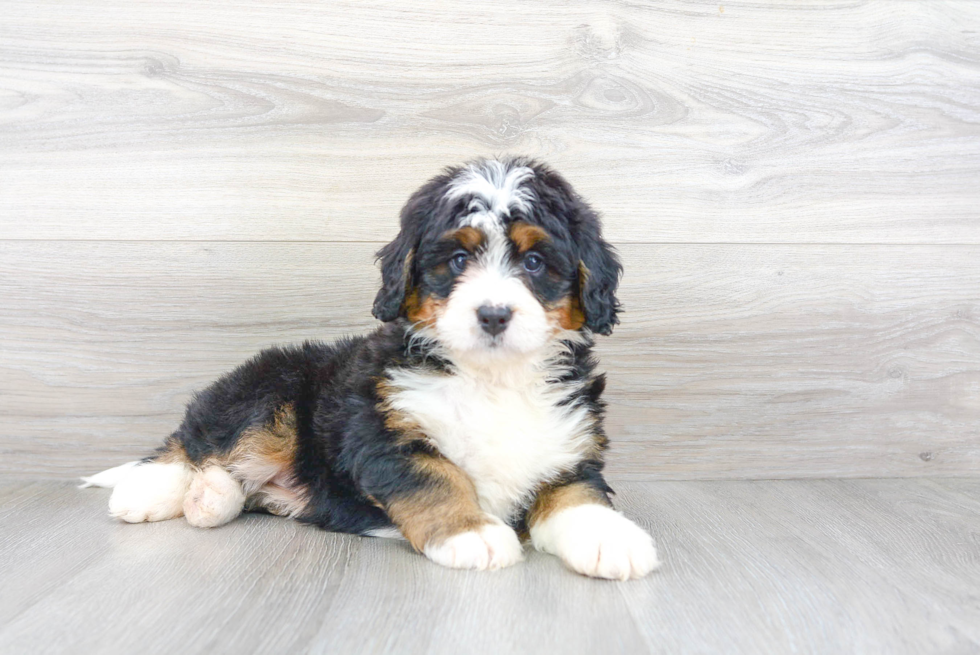
- Tri-color (black, white, brown)
Tri-color Bernedoodles are the most sought after, resembling the Bernese Mountain Dog. Some coats are more curly, while others are wavy or straight, depending on genetics.
The variety of coat types means that even puppies from the same litter can look very different. Some will need more grooming if they have a tight curl, while straighter coats may shed slightly more.
Face And Body
Most Bernedoodles have a sturdy, muscular build. Their faces are expressive, with dark eyes and a gentle look. Ears are usually floppy, and their tails are long and bushy.
Their faces often show their “teddy bear” look, which is one reason they’re so popular. The snout length can also vary—some have a longer, more Poodle-like nose, while others have a broader Bernese-style muzzle.
Credit: amkglobalgroup.com
Temperament And Personality
Bernedoodles are loved for their gentle, friendly temperament. They are:
- Loyal to their families
- Good with children and other pets
- Intelligent and eager to learn
- Playful but not hyperactive
Their personalities can vary based on the parents and upbringing. Some Bernedoodles are more energetic like the Poodle, while others are calmer like the Bernese Mountain Dog.
A unique aspect is their desire to be near their humans. Many Bernedoodles will follow their owners from room to room, always wanting to be involved in family life.
Adaptability
Bernedoodles adjust well to different living situations. They can thrive in apartments if exercised regularly. They enjoy outdoor activities, making them ideal for active families.
Their ability to adapt also extends to new situations, such as meeting new people or moving homes. However, a sudden change can cause stress, so it helps to introduce new experiences slowly.
Common Behavioral Traits
- Affectionate: Enjoys cuddles and close contact
- Protective: Will alert owners to strangers
- Social: Likes being around people and pets
A non-obvious insight: Bernedoodles can be sensitive to loud noises or chaos. Early socialization helps them adapt to busy environments.
Some Bernedoodles can be a little stubborn, especially during training. This trait usually comes from the Bernese Mountain Dog side and can be managed with patience and consistent routines.
Health And Lifespan
Bernedoodles are generally healthy but can inherit issues from both parents. Knowing the common health concerns and lifespan helps owners plan for their care.
Lifespan
The average Bernedoodle lifespan is:
| Size | Average Lifespan (years) |
|---|---|
| Standard | 12-15 |
| Mini | 14-17 |
| Tiny | 15-18 |
Smaller Bernedoodles often live longer, reflecting the Poodle’s influence.
Bernedoodles may outlive both parent breeds due to hybrid vigor, but this is not guaranteed. Good breeding practices matter a lot.
Common Health Issues
- Hip Dysplasia: Can affect mobility, especially in larger Bernedoodles.
- Elbow Dysplasia: Less common, but possible.
- Skin Issues: Some may develop allergies or hot spots.
- Eye Conditions: Includes cataracts and progressive retinal atrophy.
- Heart Disease: Occasionally seen in older Bernedoodles.
Some Bernedoodles may also be prone to ear infections, especially if their ears are floppy and not cleaned regularly.
Early health screening and choosing a responsible breeder reduce risks. Regular vet visits are important.
Preventative Care
- Yearly checkups
- Vaccinations
- Dental care
- Regular grooming
A second non-obvious insight: Bernedoodles may need joint supplements early, especially if they show signs of stiffness. Owners often overlook this until mobility issues appear.
Another important point: overweight Bernedoodles are at higher risk for joint problems. Keeping your dog fit can prevent many future health issues.

Credit: www.icancongress.com
Grooming Needs
Bernedoodles require regular grooming to keep their coat healthy. Their grooming needs depend on their coat type.
Coat Maintenance
Most Bernedoodles have a curly or wavy coat. This means:
- Brushing 3–4 times a week to prevent mats
- Professional grooming every 6–8 weeks
- Bathing monthly or as needed
Owners with allergy concerns should look for Bernedoodles with more Poodle-like coats, which are often more hypoallergenic.
If your Bernedoodle spends a lot of time outdoors, check for burrs or debris after walks. These can easily get caught in their fur.
Some owners choose to keep the coat short for easier maintenance, especially during summer months.
Ears, Teeth, And Nails
- Clean ears weekly to prevent infections
- Brush teeth 2–3 times a week
- Trim nails every 3–4 weeks
Neglecting grooming leads to health issues and discomfort.
Nail trimming is often forgotten until you hear the dog’s nails clicking on the floor. Long nails can affect walking and even cause joint pain over time.
Exercise And Activity Levels
Bernedoodles are energetic but not hyperactive. They need regular activity to stay healthy and happy.
Daily Exercise Needs
- 30–60 minutes of exercise per day
- Activities: Walks, playtime, hiking, fetch
Standard Bernedoodles need more activity than Mini or Tiny varieties.
On rainy days, indoor games like tug-of-war or hide-and-seek can provide the stimulation they need. A bored Bernedoodle may invent their own games, which often means chewing or digging.
Mental Stimulation
Bernedoodles are intelligent and need mental challenges. Try:
- Puzzle toys
- Training sessions
- Hide-and-seek games
Without stimulation, Bernedoodles can become bored and destructive.
Training new tricks or rotating toys keeps their minds sharp. Interactive feeders or treat-dispensing toys can turn mealtimes into learning opportunities.

Credit: amkglobalgroup.com
Feeding And Nutrition
Proper nutrition is key for Bernedoodles. Their diet should support growth, energy, and coat health.
Choosing The Right Food
Look for:
- High-quality dog food with real meat as the first ingredient
- Balanced fats and carbohydrates
- Essential vitamins and minerals
Avoid fillers like corn or soy, which can cause allergies.
Reading ingredient labels is important. Foods with too many artificial colors or preservatives are not ideal. If your Bernedoodle develops a sensitive stomach, try switching to a limited-ingredient diet.
Feeding Amounts
| Size | Daily Food Amount (cups) |
|---|---|
| Standard Bernedoodle | 3-4 |
| Mini Bernedoodle | 1.5-2.5 |
| Tiny Bernedoodle | 0.5-1.5 |
Adjust amounts based on age, activity, and health.
Feeding schedules help with house training. Two meals a day is common for adults, while puppies may need three to four smaller meals.
Treats And Supplements
- Use treats for training, but avoid overfeeding
- Consider fish oil for coat health
- Joint supplements for larger Bernedoodles
Always consult your vet before adding supplements.
Some Bernedoodles have food allergies. If you notice itching or digestive upset, consult your vet about possible food sensitivities.
Training Your Bernedoodle
Bernedoodles are smart and eager to please. Training is usually enjoyable, but consistency is key.
Basic Training Tips
- Start training early, ideally at 8–10 weeks old.
- Use positive reinforcement—praise, treats, and play.
- Short sessions (10–15 minutes) work best.
- Socialize with other dogs and people.
Bernedoodles respond well to gentle, consistent guidance. Harsh methods can make them fearful.
If your Bernedoodle seems distracted, try training in a quiet place with few distractions. Progress may be slower during the teenage months, but patience pays off.
Common Training Mistakes
- Inconsistent commands
- Overusing punishment
- Not socializing early
A practical tip: Use basic commands like “sit,” “stay,” and “come” before teaching advanced tricks. Bernedoodles pick up basics quickly but can get confused if rushed.
House Training
Bernedoodles usually learn potty training fast. Set a routine and reward successes. Crate training helps prevent accidents.
Accidents may happen during stressful times, like moving or a new family member. Return to basics and be patient.
Bernedoodle Generations Explained
You may hear terms like F1, F1b, and F2 when researching Bernedoodles. These refer to the mix of parent breeds.
Generation Types
- F1 Bernedoodle: 50% Bernese Mountain Dog, 50% Poodle
- F1b Bernedoodle: 75% Poodle, 25% Bernese Mountain Dog
- F2 Bernedoodle: Both parents are Bernedoodles
F1b Bernedoodles are popular for allergy concerns, as they have more Poodle genes and often a curlier coat.
Some breeders offer multi-generation Bernedoodles, but traits become less predictable with each generation. Always ask about the parent dogs’ health and temperament.
Which Generation Is Best?
It depends on your needs:
- Allergies: Choose F1b
- Looks: F1 for classic tri-color coat
- Temperament: F2 may be more predictable
Ask breeders about the parents and their traits.
If you want a specific look or coat type, meeting puppies at a few weeks old can help you choose the best match.
Bernedoodle Vs Other Doodle Breeds
Bernedoodles are one of many Poodle mixes. How do they compare to others like Goldendoodles and Labradoodles?
| Breed | Size Range | Temperament | Coat Type |
|---|---|---|---|
| Bernedoodle | 10–90 lbs | Calm, friendly | Curly/wavy |
| Goldendoodle | 15–90 lbs | Energetic, outgoing | Curly/wavy |
| Labradoodle | 20–80 lbs | Playful, smart | Curly/wavy/straight |
Bernedoodles are often calmer than Goldendoodles and Labradoodles. Their coats can be easier to manage, but shedding varies.
Bernedoodles also tend to be more laid-back, which suits families who want a dog that enjoys both activity and quiet time.
Choosing A Bernedoodle Breeder
Finding a responsible breeder is critical. Poor breeding leads to health and temperament issues.
What To Look For
- Health testing (hips, eyes, heart)
- Parent dog temperament
- Early socialization
- Clear contracts and health guarantees
Visit breeders and meet the puppies in person. Ask for references and health records.
Good breeders are open about their breeding practices and happy to answer questions. They’ll also ask you questions to ensure their puppies go to good homes.
Red Flags
- No health testing
- Dirty or crowded facilities
- Puppies always available
Adoption is also an option, though Bernedoodles are rare in shelters.
Living With A Bernedoodle
Owning a Bernedoodle is rewarding but requires commitment.
Home Environment
Bernedoodles need space to move, but they adjust well to most homes. A fenced yard is ideal for Standard Bernedoodles. Smaller varieties are fine in apartments if exercised.
Bernedoodles are happiest when they have access to both indoor comfort and outdoor adventures. If you live in an apartment, plan on daily walks and visits to the park.
Family Compatibility
Bernedoodles are great with children. Their gentle nature makes them safe for families. They also get along with other pets, especially if socialized early.
Older children can help with care and training, teaching responsibility. Supervise play with young children, as even the gentlest dog can be startled by rough handling.
Alone Time
Bernedoodles can suffer from separation anxiety. Provide toys and activities if you leave them alone. Gradually increase alone time to prevent stress.
Some owners use doggy daycare or pet sitters for long absences. Starting alone-time training early helps prevent destructive habits.
Bernedoodle Puppies
Bernedoodle puppies are adorable and playful. Raising a puppy takes patience and time.
Puppy Care Tips
- Feed high-quality puppy food
- Start training early
- Socialize with people and dogs
- Schedule vet visits
Puppies may chew and nip. Use chew toys and redirect unwanted behavior.
Teething is a common reason for chewing. Frozen toys or washcloths can soothe sore gums.
Growth Stages
- Newborn (0–2 weeks): Needs warmth and milk
- Early puppy (2–8 weeks): Learns from mother and siblings
- Adoption age (8+ weeks): Ready for new home, starts training
- Juvenile (3–6 months): Rapid growth, teething
- Adolescent (6–18 months): Continues training, matures
Puppy stage is the best time to build good habits.
During adolescence, some Bernedoodles may test boundaries. Stay consistent with training and routines.
Adoption And Rescue Options
While buying from breeders is common, adoption is possible. Some rescue groups specialize in doodle breeds.
Finding A Bernedoodle For Adoption
- Check local shelters
- Look for breed-specific rescues
- Search online adoption sites
Adopted Bernedoodles may be older, but they can still bond well with new families.
Transitioning a rescue dog into your home takes patience. Give your new pet time to adjust and offer lots of encouragement.
Cost Of Owning A Bernedoodle
Bernedoodles are not cheap. Consider both initial and ongoing costs.
Initial Costs
- Purchase price: $2,000–$5,000 (from reputable breeders)
- Adoption fee: $300–$700
Ongoing Costs
- Food: $40–$100/month
- Grooming: $60–$120 every 2 months
- Vet care: $200–$500/year
- Training: $150–$500 (initial classes)
- Supplies: $200–$500 (bed, toys, leash, crate)
Unexpected costs like illness or injury can add up.
Pet insurance can help manage sudden expenses. Many owners find peace of mind by paying a little each month for coverage.
Real-life Experiences
Many Bernedoodle owners share positive stories. Here are some examples:
- “Our Bernedoodle is gentle with our kids and loves hiking. She learned basic commands in a week.”
- “We live in an apartment with a Mini Bernedoodle. He’s friendly with neighbors and adapts well.”
- “Grooming takes time, but our Bernedoodle doesn’t shed much. He’s a great companion.”
Some owners mention separation anxiety and stubbornness as challenges. Consistent training and routine help.
A less common challenge is their love of mud and water—many Bernedoodles enjoy splashing around, so be ready for extra cleaning after outdoor adventures.
Common Mistakes First-time Owners Make
Owning a Bernedoodle is rewarding, but beginners often make mistakes.
- Underestimating grooming needs. Curly coats need regular care.
- Not providing enough mental stimulation. Bored Bernedoodles can be destructive.
- Overfeeding. Weight gain is common if treats are not limited.
- Ignoring early socialization. This leads to shyness or fearfulness.
- Skipping health checks. Early screening prevents issues.
Learning from these mistakes saves time and stress.
Another mistake is not setting boundaries early. Bernedoodles are smart enough to “train” their owners if rules are not clear.
Bernedoodle As Therapy And Service Dogs
Bernedoodles are used as therapy dogs due to their gentle nature. They visit hospitals, schools, and care homes to comfort people.
Some Bernedoodles are trained as service dogs for people with disabilities. Their intelligence and calm temperament make them ideal.
If you need a therapy or service dog, seek specialized training and reputable organizations.
Bernedoodles also excel in emotional support roles, helping people with anxiety or PTSD through their affectionate presence.
Bernedoodle Community And Resources
Many Bernedoodle owners join online communities for support and advice. Forums and groups share tips, training ideas, and health information.
A helpful external resource is Wikipedia, which offers detailed breed information and history.
Joining a local dog club can provide social opportunities for both you and your dog. Meeting other Bernedoodle owners allows you to share experiences and get advice.
Frequently Asked Questions
What Is The Typical Bernedoodle Personality?
Bernedoodles are friendly, loyal, and intelligent. They enjoy being with their families, are good with children, and adapt to different lifestyles. Their personalities are a mix of the calm Bernese Mountain Dog and the smart, playful Poodle.
Many owners say their Bernedoodles seem to sense emotions and offer comfort when someone is sad or stressed.
Are Bernedoodles Hypoallergenic?
Most Bernedoodles shed less than Bernese Mountain Dogs, especially F1b generations with more Poodle genes. While many owners report fewer allergy symptoms, no dog is truly hypoallergenic. Allergy sufferers should spend time with Bernedoodles before adopting.
Some people react to dog saliva or dander, not just fur. Regular cleaning and grooming can help reduce allergies.
How Much Exercise Does A Bernedoodle Need?
Bernedoodles need about 30–60 minutes of daily activity. Standard sizes require more exercise, while Mini and Tiny Bernedoodles are satisfied with shorter walks and playtime. Mental stimulation is also important to prevent boredom.
Some Bernedoodles love swimming, which is a great way to exercise joints gently.
How Often Should I Groom My Bernedoodle?
Brush your Bernedoodle 3–4 times a week. Professional grooming is needed every 6–8 weeks. Clean ears, brush teeth, and trim nails regularly. The curly coat can mat quickly if neglected, leading to discomfort.
Matted fur can cause skin infections, so be proactive with grooming.
What Health Problems Should I Watch For?
Common issues include hip and elbow dysplasia, skin allergies, eye conditions, and heart disease. Regular vet checks and early health screening help catch problems early. Joint supplements and a balanced diet support long-term health.
Watch for limping, excessive scratching, or eye cloudiness, and call your vet if you notice any changes.
Bernedoodles blend the best traits of two beloved breeds, offering companionship, intelligence, and adaptability. With proper care, training, and attention, they become loyal family members. Whether you choose a Standard, Mini, or Tiny Bernedoodle, prepare for a lifelong friend who will bring joy and comfort to your home.

We’re the dedicated team behind MyPawSafe.com, with over a decade of combined experience in veterinary care, pet emergency response, and animal behavior. While we prefer to let our work speak for itself, our mission is clear: to provide science-backed, vet-approved advice that helps pet owners prevent accidents and save lives.