Few breeds carry such a unique blend of power, intelligence, and loyalty as the Bouvier des Flandres. Known for their striking appearance and impressive work ethic, these dogs have become favorites among families, farmers, and even police forces. But what makes the Bouvier truly special? Whether you’re thinking of adopting one or simply fascinated by this breed, understanding their temperament, size, and care is essential. This guide covers everything you need to know, from personality traits to grooming routines—so you can decide if the Bouvier des Flandres is right for you.
The History And Origins Of Bouvier Des Flandres
The Bouvier des Flandres traces its roots back to the farms and fields of Flanders, a region that crosses Belgium and France. Originally bred as a herding and working dog, Bouviers helped farmers by driving cattle, pulling carts, and guarding property. Their name actually means “cow herder from Flanders” in French.
During World War I, the breed almost disappeared due to the devastation in the region. However, committed breeders managed to preserve the Bouvier, and their numbers slowly recovered. Today, they are recognized by major kennel clubs and admired for their versatility.
A non-obvious insight: Bouviers were used as ambulance dogs during the wars, showing their adaptability and willingness to serve in dangerous conditions. This history explains their strong bond with humans and their calm under stress.
Temperament: What To Expect From A Bouvier Des Flandres
If you want a dog that’s both gentle and protective, the Bouvier is a top choice. Their temperament is shaped by their working past, making them reliable, steady, and intelligent.
Core Personality Traits
Bouviers are known for:
- Calmness: They rarely act hyper or nervous.
- Loyalty: Strong attachment to their families.
- Protectiveness: Excellent watchdogs, but not aggressive without cause.
- Intelligence: Quick learners, able to solve problems and follow commands.
They are often described as “dogs with a job. ” Even in a family setting, they want to participate in activities and feel useful.
Social Behavior
Bouviers are naturally cautious around strangers but warm up once they sense no threat. They are:
- Good with children: Gentle and patient, making them reliable family pets.
- Cautious with other animals: Early socialization is important, especially if you have other dogs or small pets.
A practical tip: Bouviers are not ideal for homes with timid owners. Their intelligence means they may push boundaries if not given clear rules.
Working Instincts
Because of their herding background, Bouviers often try to “herd” people or other animals. This can show up as gentle nudging or circling behavior. It’s not aggression—it’s their instinct at work.
Non-obvious insight: If you’re active outdoors, Bouviers will thrive. They love tasks, from agility training to hiking, and get bored if left idle.
Size And Physical Characteristics
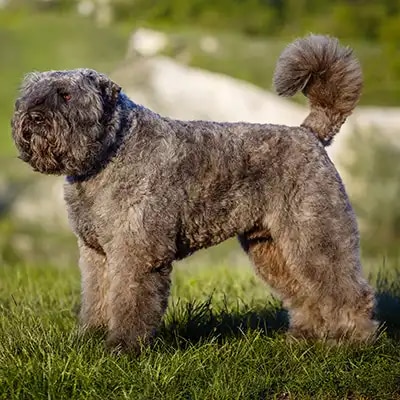
The Bouvier des Flandres is a large, powerful dog with a distinctive look. Understanding their size and appearance will help you prepare for their needs.
Height And Weight
Bouviers are among the bigger breeds. Here’s a breakdown:
| Gender | Height (inches) | Weight (lbs) |
|---|---|---|
| Male | 24–27 | 70–110 |
| Female | 23–26 | 60–90 |
Most Bouviers reach full size by 18–24 months. Their bulk means they need plenty of space and a strong handler.
Appearance
Bouviers have a rugged look. Key features include:
- Dense, double coat: Rough and harsh outer layer, soft underneath.
- Beard and mustache: These facial features give them a wise, almost comical look.
- Muscular build: Broad chest, strong legs.
Their coat comes in several colors: fawn, black, brindle, gray, or salt-and-pepper. No matter the color, their coat is always thick and weather-resistant.
Comparing Bouviers To Other Large Breeds
How Does The Bouvier Stack Up Against Similar Breeds?
| Breed | Average Weight | Coat Type | Exercise Needs |
|---|---|---|---|
| Bouvier des Flandres | 70–110 lbs | Rough, double coat | High |
| German Shepherd | 50–90 lbs | Medium, double coat | High |
| Rottweiler | 80–135 lbs | Short, single coat | Moderate |
| Bernese Mountain Dog | 70–115 lbs | Long, double coat | Moderate |
Bouviers are less likely to shed heavily compared to Bernese, but their coat needs more maintenance.
Health And Lifespan
As a breed, Bouviers are generally robust, but like all large dogs, they face some health risks.
Average Lifespan
Bouviers live an average of 10–12 years. With good care, some reach 14 years, but their size means joint and heart issues are more common in old age.
Common Health Issues
Bouviers may develop:
- Hip dysplasia: A genetic joint problem that affects mobility.
- Elbow dysplasia: Similar to hip issues, but in the front legs.
- Bloat (gastric torsion): A dangerous stomach twisting, common in deep-chested breeds.
- Eye problems: Cataracts and glaucoma can appear as they age.
- Heart conditions: Dilated cardiomyopathy is the most noted.
A non-obvious insight: Early screening for hip and elbow dysplasia can prevent serious pain later. Choose breeders who perform these checks.
Preventive Care
To keep your Bouvier healthy:
- Schedule yearly vet exams.
- Monitor weight—avoid obesity, which strains their joints.
- Vaccinate and use flea/tick preventatives.
- Brush teeth regularly; dental disease is common in large breeds.
Grooming And Coat Care
Bouviers’ thick, rough coats need special attention. If neglected, their hair can mat and trap dirt.
Grooming Routine
- Brush 2–3 times per week: Use a slicker brush for the outer coat and a comb for the undercoat.
- Bath every 6–8 weeks: Too frequent washing removes natural oils.
- Trim around eyes, ears, and paws: Their hair grows fast and can block vision or cause infections.
Bouviers also need their beard cleaned daily. Food and water often get stuck, so wipe it to avoid odor.
Professional Grooming
Most owners take their Bouviers to a groomer every 2–3 months. Professional grooming includes:
- Coat trimming and shaping
- Nail clipping
- Ear cleaning
A practical tip: If you groom at home, invest in quality tools. Cheap brushes break easily and may hurt your dog.
Comparing Grooming Needs
| Breed | Brushing Frequency | Professional Grooming Needed |
|---|---|---|
| Bouvier des Flandres | 2–3 times/week | Every 2–3 months |
| Labrador Retriever | 1–2 times/week | Rarely |
| Poodle | Daily | Monthly |
| Old English Sheepdog | 4–5 times/week | Every month |
Bouviers are a “middle” breed for grooming—less than sheepdogs, more than Labradors.
Exercise And Activity Requirements
Bouviers are high-energy dogs who need regular activity. Without exercise, they can become bored and destructive.
Daily Exercise
Aim for:
- 60–90 minutes per day: Includes walks, running, and playtime.
- Mental stimulation: Puzzle toys, obedience training, and new tasks.
If you have a yard, Bouviers love to patrol and play. Apartment living is possible, but only if you commit to daily walks and active play.
Suitable Activities
Bouviers excel in:
- Agility courses
- Obedience competitions
- Hiking and running
- Fetching and tug-of-war
They are not natural swimmers, but some enjoy water play if introduced early.
A practical tip: Rotate activities. Bouviers get bored with routine, so mix up walks, games, and training.
Common Mistakes
Many owners underestimate their dog’s need for activity. A Bouvier left alone too much will chew, dig, or bark excessively.
Non-obvious insight: Mental exercise is as important as physical. Teach new commands, hide treats, or introduce scent games to keep your Bouvier sharp.
Training And Intelligence
Bouviers are among the most intelligent breeds. This makes training easier, but also demands consistent leadership.
Training Methods
- Positive reinforcement: Use treats, praise, and play.
- Firm, clear commands: Bouviers respect confident leaders.
- Early socialization: Introduce new people, animals, and places in puppyhood.
Bouviers respond well to structured routines. They dislike chaos and unclear boundaries.
Common Training Challenges
- Stubbornness: Bouviers may test your patience, especially during adolescence.
- Guarding behavior: If not socialized, they can become overprotective.
- Herding instinct: May try to control children or pets.
A practical tip: Use short, regular sessions. Bouviers lose interest if training drags on.
Advanced Training
Bouviers are used in police work, therapy, and search-and-rescue because they:
- Remember complex commands
- Work well off-leash
- Handle stressful situations calmly
If you want a working dog, enroll in advanced classes. Bouviers thrive when challenged.
Nutrition And Diet
Feeding a large, active dog like the Bouvier requires planning.
Recommended Diet
Bouviers need:
- High-protein food: Supports muscle and energy.
- Balanced fat: For healthy coat and joints.
- Controlled carbs: Prevents weight gain.
Adult Bouviers eat about 3–4 cups of quality dry food per day, split into two meals. Adjust for age, activity, and health.
Puppy Feeding
Puppies need more frequent meals—3–4 times daily. Choose food labeled for large breeds to support slow, steady growth.
Treats And Snacks
Use healthy treats for training, but limit extras to avoid obesity. Examples:
- Carrot sticks
- Apple slices (no seeds)
- Lean meat
A practical tip: Avoid feeding table scraps. Bouviers are prone to digestive upset from rich or fatty foods.
Water Needs
Always provide fresh water. Bouviers drink more than small breeds, especially after exercise.
Common Dietary Mistakes
- Overfeeding: Leads to joint stress and obesity.
- Low-quality food: Causes dull coat and poor energy.
- Sudden food changes: Triggers stomach upset.
Non-obvious insight: Regularly monitor your Bouvier’s weight and adjust portions. Their thick coat hides weight gain, so feel their ribs for guidance.

Credit: kennelclubofbeverlyhills.org
Living Environment And Adaptability
Bouviers are adaptable, but they need space and structure.
Suitable Homes
Ideal environments include:
- Large yards or rural homes: Space to run and explore.
- Active families: People who enjoy walks, play, and training.
- Homes with clear boundaries: Bouviers respect rules.
Apartment living is possible if you provide enough exercise and mental stimulation. But cramped spaces make them restless.
Family Compatibility
Bouviers are:
- Excellent with children, especially if raised together.
- Good with other pets if socialized early.
- Protective, making them reliable watchdogs.
A practical tip: Teach children how to interact with the dog. Bouviers dislike rough handling and may walk away if annoyed.
Climate Tolerance
Bouviers’ thick coat protects them in cold weather. They handle snow and rain well, but overheat in hot climates.
Tips for hot weather:
- Provide shade and water
- Avoid midday walks
- Trim coat, but never shave
Bouviers are not suited for tropical areas unless kept cool indoors.
Choosing A Bouvier Des Flandres: What Matters
If you’ve decided the Bouvier is right for you, there are important factors to consider.
Selecting A Breeder
Look for breeders who:
- Health-test parents: Screening for hips, elbows, and heart.
- Socialize puppies: Early exposure to people and environments.
- Provide contracts: Health guarantees and support.
Avoid puppy mills or backyard breeders. They often skip health checks and produce unstable puppies.
Adoption And Rescue
Bouviers can be found in rescue groups. Older dogs may need more training, but offer loyalty and companionship.
A practical tip: Ask about the dog’s history. Bouviers with trauma may be cautious and need gentle introduction.
Cost Of Ownership
Bouviers are not cheap to own. Expenses include:
- Puppy purchase: $1,500–$3,000 from reputable breeders.
- Annual vet care: $500–$800
- Food and supplies: $600–$900 per year
- Grooming: $300–$500 per year
Non-obvious insight: Budget for unexpected health issues. Large breeds are prone to expensive joint surgeries.
Common Buyer Mistakes
- Choosing based on looks alone: Bouviers require commitment.
- Ignoring exercise needs: Leads to behavior problems.
- Skipping socialization: Results in a nervous or aggressive dog.
Credit: www.hillspet.com
Bouvier Des Flandres In Work And Sports
Bouviers are more than family pets—they excel in various roles.
Herding And Farm Work
On farms, Bouviers:
- Drive cattle and sheep
- Guard property
- Perform tasks independently
Their stamina and intelligence mean they handle long days and tough jobs.
Police And Military Roles
Bouviers serve in:
- Tracking and search
- Detection work
- Patrol and protection
They are calm under pressure and follow complex commands.
Dog Sports
Bouviers compete in:
- Agility
- Obedience
- Herding trials
- Schutzhund (protection sport)
A practical tip: If you want a dog sport competitor, choose a puppy from working lines. They have more drive and focus.
Pros And Cons Of Owning A Bouvier Des Flandres
Before making your decision, weigh these factors:
Pros
- Loyal companion: Strong bond with family.
- Protective: Reliable watchdog.
- Intelligent: Easy to train.
- Versatile: Suitable for work, sports, and therapy.
- Low shedding: Less hair than other large breeds.
Cons
- High grooming needs: Regular brushing and trims.
- Exercise demands: Needs daily activity.
- Strong-willed: Not for timid owners.
- Size: May not suit small homes.
- Potential health issues: Joint and heart risks.
Non-obvious insight: Bouviers are quiet indoors, but need space and stimulation to avoid boredom.
Frequently Asked Questions
Are Bouviers Good For First-time Dog Owners?
Bouviers can be challenging for beginners. Their intelligence and strength require confident leadership and consistent training. If you’re new to dogs, consider working with a professional trainer.
How Much Do Bouviers Shed?
Bouviers shed less than many large breeds, but their coat traps dead hair. Regular brushing prevents matting and keeps shedding under control.
Can Bouviers Live In Apartments?
Yes, if you provide enough exercise and mental stimulation. However, their size and need for space mean apartments are less ideal than homes with yards.
Are Bouviers Aggressive?
Bouviers are protective but not aggressive without cause. With proper socialization, they are gentle with family and friendly visitors.
Where Can I Learn More About Bouviers?
For detailed breed standards and history, visit the Wikipedia Bouvier des Flandres page.
Final Thoughts
The Bouvier des Flandres is a unique breed—powerful, loyal, and intelligent. With the right care, they become devoted companions and reliable workers. But their needs are real: regular grooming, exercise, and training. If you have the time, space, and energy, a Bouvier can bring joy, protection, and adventure to your life. Understanding their temperament, size, and care ensures you make a choice that benefits both you and your dog. For those ready for the challenge, the Bouvier des Flandres is a breed like no other.
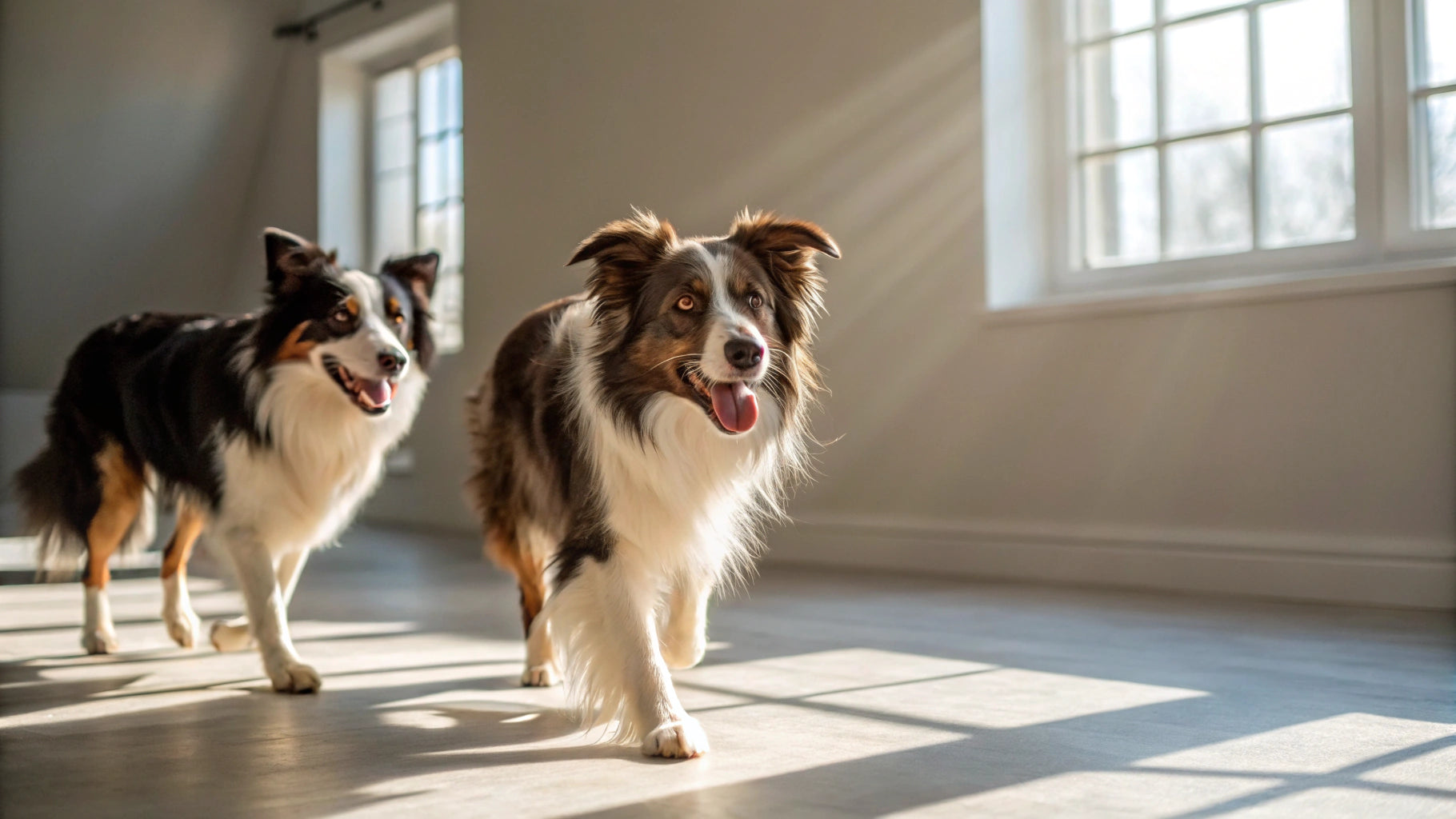
Credit: www.houndsy.com

We’re the dedicated team behind MyPawSafe.com, with over a decade of combined experience in veterinary care, pet emergency response, and animal behavior. While we prefer to let our work speak for itself, our mission is clear: to provide science-backed, vet-approved advice that helps pet owners prevent accidents and save lives.