The Belgian Tervuren is a stunning, intelligent, and energetic breed that often turns heads at the park. Known for their elegant appearance and sharp minds, these dogs have a long history as herding companions and loyal family members. If you’re considering sharing your life with a Belgian Tervuren, it’s important to understand their unique temperament, ideal size, and care needs. This guide will give you a complete overview, helping you decide if this remarkable breed is right for you and how to give them the best possible life.
The Origins And History Of The Belgian Tervuren
The Belgian Tervuren comes from Belgium, where it was one of four closely related herding breeds. These dogs were developed in the late 1800s and named after the Belgian village of Tervuren. They were bred to herd sheep, protect property, and assist farmers in rural Europe. Over time, their intelligence and work ethic made them valuable not just on farms, but also in roles like police work, search and rescue, and as loving family pets.
While the Belgian Malinois, Groenendael, and Laekenois share the same roots, the Tervuren stands out for its long, rich fawn to mahogany coat with black overlay. The breed was officially recognized by the American Kennel Club (AKC) in 1959.
Distinctive Appearance And Size
The Belgian Tervuren is admired for its graceful yet athletic look. Their body is well-balanced, giving them both power and elegance—qualities necessary for a working dog.
Height And Weight
Adult Belgian Tervurens typically stand between 22–26 inches tall at the shoulder. Males are usually 24–26 inches, while females are 22–24 inches.
Their weight ranges as follows:
- Males: 55–75 pounds
- Females: 45–60 pounds
Physical Features
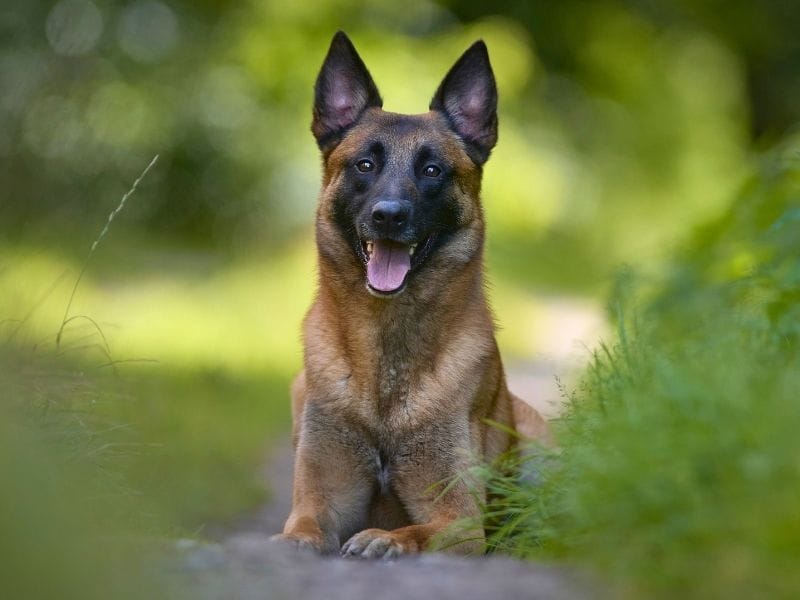
A Tervuren’s most eye-catching feature is its double coat—long, straight, and abundant, especially around the neck, chest, and hindquarters. The coat color is a blend of fawn or mahogany with black overlay, often with a black mask.
Other features include:
- Erect, triangular ears
- Dark, almond-shaped eyes
- Square-shaped body
- Feathery tail
Size Comparison Table
To see how the Belgian Tervuren compares to other Belgian shepherd breeds, look at this size table:
| Breed | Height (inches) | Weight (pounds) | Coat Type |
|---|---|---|---|
| Belgian Tervuren | 22–26 | 45–75 | Long, straight, dense |
| Belgian Malinois | 22–26 | 40–80 | Short, straight, hard |
| Belgian Groenendael | 22–26 | 60–75 | Long, solid black |
| Belgian Laekenois | 22–26 | 55–65 | Rough, wiry |
Credit: www.borrowmydoggy.com
Temperament: What To Expect
A Belgian Tervuren’s personality is one of its strongest assets. These dogs are known for their intelligence, loyalty, and energy. But their temperament isn’t for everyone.
Family Life
Belgian Tervurens are deeply loyal to their families. They often form a strong bond with one or two people but remain affectionate and protective toward all household members, including children. Their natural herding instinct may show up as gentle nudging, especially with kids.
Social Behavior
- Cautious with Strangers: Tervurens can be reserved or cautious around new people. Early socialization is important to avoid shyness or overprotective behavior.
- Good with Other Pets: If raised with other animals, they usually get along well, but strong herding instincts may lead them to chase smaller pets.
- Playful and Energetic: They love active play, learning games, and structured activities.
Intelligence And Trainability
The Tervuren is ranked as one of the most intelligent breeds. They learn commands quickly, pick up on routines, and thrive with mental challenges. However, their brains need as much exercise as their bodies.
- Quick learners: They can master advanced obedience, tricks, and even sports like agility or herding trials.
- Sensitive to Tone: These dogs respond best to positive reinforcement and gentle correction. Harsh training can make them anxious or stubborn.
Unique Insights
- Emotional Sensitivity: Tervurens can pick up on their owner’s moods. If you’re anxious, they may act unsettled; if you’re confident and calm, they relax more easily.
- Work Drive: Without a job or daily activities, Tervurens may invent their own “work”—like herding children, barking at passersby, or chewing furniture.
Exercise And Activity Needs
The Belgian Tervuren is not a couch potato. This breed needs a lot of activity to stay happy and healthy.
Daily Exercise Requirements
Aim for at least 60–90 minutes of physical exercise every day. This can include:
- Long walks or jogs
- Off-leash play in a secure area
- Fetch games
- Agility training
Mental Stimulation
Physical activity alone isn’t enough. Mental workouts are equally important to prevent boredom and unwanted behaviors.
Some ideas:
- Puzzle toys
- Obedience training sessions
- Scent work or tracking games
- Learning new tricks
Activity Level Table
Here’s a quick look at the Tervuren’s activity needs compared to a few similar breeds:
| Breed | Exercise (minutes/day) | Mental Stimulation |
|---|---|---|
| Belgian Tervuren | 60–90 | High |
| Border Collie | 90–120 | Very High |
| German Shepherd | 60–90 | High |
| Labrador Retriever | 45–60 | Moderate |
Common Mistakes
- Under-exercising: A bored Tervuren can develop destructive habits or anxiety.
- Repetitive Activities: Doing the same walk every day isn’t enough. Vary the activities and locations to keep things interesting.
Grooming And Coat Care
The Belgian Tervuren’s double coat is both beautiful and demanding. Regular grooming is essential to keep them looking and feeling their best.
Brushing
Brush your Tervuren at least twice a week. During shedding seasons (spring and fall), daily brushing is best to remove loose hair and prevent mats.
- Use a slicker brush for the topcoat.
- A comb helps with the dense undercoat and feathering on legs and tail.
Bathing
Bathe your Tervuren every 6–8 weeks or when dirty. Overbathing can strip natural oils from their coat.
Shedding
Expect heavy shedding twice a year. This is known as “blowing coat. ” During these periods, increase brushing frequency.
Grooming Table
Here’s a summary of their basic grooming needs:
| Grooming Task | Frequency | Tips |
|---|---|---|
| Brushing | 2–3 times/week (daily during shedding) | Use a slicker brush and metal comb |
| Bathing | Every 6–8 weeks | Use a gentle, dog-safe shampoo |
| Nail Trimming | Every 3–4 weeks | Keep nails short to avoid splaying |
| Ear Cleaning | Check weekly | Clean if dirty to prevent infection |
| Teeth Brushing | 2–3 times/week | Use canine toothpaste |
Extra Tips
- Start grooming routines early to make them positive and stress-free.
- Check for tangles behind the ears and in the feathering on the legs.
Nutrition And Diet
The right diet will help your Belgian Tervuren thrive. These dogs are active and need high-quality food that supports their lifestyle.
Feeding Guidelines
- Puppies (2–12 months): 3–4 meals per day
- Adults: 2 meals per day
Choose a premium dog food with real meat as the first ingredient. Avoid foods with excessive fillers like corn or by-products.
Caloric Needs
The average adult Tervuren needs about 1,200–1,500 calories daily. This varies with age, size, and activity level.
Nutrient Balance
- Protein: 22–28% for muscle health
- Fat: 12–18% for energy
- Carbohydrates: Moderate, from whole grains or vegetables
Common Feeding Mistakes
- Overfeeding: Tervurens can gain weight quickly if overfed or under-exercised.
- Sudden Diet Changes: Switch foods gradually to avoid digestive upset.
Special Diet Needs
Some Tervurens may have allergies or sensitive stomachs. If you notice itching, digestive issues, or chronic ear infections, talk to your vet about a limited ingredient or hypoallergenic diet.
Health And Lifespan
Belgian Tervurens are generally healthy, but like all breeds, they have some health risks. Knowing what to watch for can help your dog live a long, happy life.
Life Expectancy
A well-cared-for Tervuren usually lives 12–14 years. Some even reach 15 years or more.
Common Health Issues
- Hip Dysplasia: An inherited condition where the hip joint doesn’t fit well, leading to arthritis and pain.
- Elbow Dysplasia: Similar to hip dysplasia, but affects the elbows.
- Progressive Retinal Atrophy (PRA): A genetic eye disease causing vision loss.
- Epilepsy: Some Tervurens may develop seizures.
- Hypothyroidism: Low thyroid hormone can cause weight gain, lethargy, and skin problems.
- Allergies: May appear as skin irritation or digestive upset.
Health Screening
Reputable breeders test their dogs for common inherited diseases. When choosing a puppy, ask for health clearances for the parents, especially for hips, elbows, and eyes.
Preventive Care
- Annual vet visits
- Vaccinations and parasite prevention
- Regular dental cleaning
- Weight management
Non-obvious Health Tips
- Monitor for Subtle Pain: Tervurens may hide discomfort, so watch for changes in movement or behavior, not just obvious limping.
- Keep Up with Mental Health: Dogs that don’t get enough mental stimulation may show “behavior problems” that are really signs of stress or boredom.
Training And Socialization
Training a Belgian Tervuren is both rewarding and challenging. Their intelligence and sensitivity require a thoughtful approach.
Early Socialization
Expose your puppy to new sights, sounds, people, and animals between 8–16 weeks. This prevents fearfulness and helps them become confident adults.
Obedience Training
- Start with basics: Sit, stay, come, heel, and leave it.
- Short, positive sessions: 5–10 minutes each, several times a day.
- Use rewards: Treats, toys, and praise work well.
Advanced Training
Tervurens excel at advanced obedience, agility, herding, and even scent work. Giving them a “job” improves behavior and builds your bond.
Common Mistakes
- Inconsistent Rules: Smart dogs quickly notice if you’re not consistent.
- Harsh Correction: This breed responds better to encouragement than punishment.
Unique Insights
- Problem-solving skills: If left alone too long, a Tervuren may “solve” boredom by opening doors, jumping fences, or finding mischief.
- Handler Focus: Some Tervurens can become overly attached to a single person. Encourage family members to participate in training and care.

Credit: wolfsbanek9.com
Living With A Belgian Tervuren
Before bringing a Tervuren home, consider your lifestyle and living situation.
Home Environment
- Space to Run: These dogs do best in homes with a fenced yard. Apartment living is possible, but only with plenty of daily exercise.
- Secure Fencing: Tervurens can jump or climb if bored or chasing something interesting.
Family Dynamics
- Good with Kids: With supervision and training, Tervurens are gentle and playful with children.
- Best for Active Families: If you like hiking, running, or outdoor activities, this breed will fit right in.
Alone Time
Tervurens can develop separation anxiety if left alone for long periods. Consider doggy daycare or a pet sitter if you work long hours.
Traveling
Many Tervurens love car rides and adventures, but they need careful supervision in new places due to their alertness and herding drive.
Finding And Choosing A Belgian Tervuren
Reputable Breeders
Choose a breeder who:
- Health tests their dogs
- Allows you to meet the puppy’s parents
- Raises puppies in a home environment
- Provides health records and guarantees
Adoption And Rescue
Consider adopting a Belgian Tervuren from breed rescue organizations or shelters. Adult dogs can be wonderful companions and may already have some training.
Puppy Vs. Adult
- Puppy: High energy, needs socialization, housetraining, and patience.
- Adult: May be calmer and already trained, but could have established habits.
Cost
Expect to pay $1,500–$2,500 for a well-bred puppy. Adoption fees are usually lower, around $300–$500.
Red Flags
- Breeders who won’t answer questions or provide health records
- Puppies raised in poor conditions
- “Bargain” dogs with no documentation
Belgian Tervuren In Work And Sports
Tervurens aren’t just pets—they’re natural athletes and workers.
Herding
Their original purpose was herding sheep. Even today, they excel in herding trials and farm work.
Dog Sports
Tervurens enjoy:
- Agility: Navigating obstacle courses at speed
- Obedience: High-level command work
- Scent Work: Finding hidden objects by smell
- Flyball: Relay racing over hurdles
Service And Therapy
Some Tervurens work as service dogs for people with disabilities or as therapy dogs in hospitals and schools. Their intelligence and gentle nature make them well-suited for these roles.
Law Enforcement And Search & Rescue
Tervurens are sometimes used in police work or search and rescue due to their keen senses and trainability.
Non-obvious Insight
- Burnout Risk: Tervurens love to work, but pushing them too hard (especially in sports) can lead to injury or mental fatigue. Always balance hard work with rest and play.
Belgian Tervuren Vs. Other Breeds
If you’re still deciding, comparing the Tervuren with similar breeds can help.
Belgian Tervuren Vs. German Shepherd
- Size: Similar, but Tervurens are often lighter built.
- Coat: Tervurens have longer, finer hair with a more distinct color pattern.
- Energy: Both are active, but Tervurens can be more sensitive and alert.
Belgian Tervuren Vs. Belgian Malinois
- Coat: Malinois have short, hard hair; Tervurens are longer and softer.
- Temperament: Malinois may be more intense and work-driven.
Belgian Tervuren Vs. Collies
- Herding Style: Collies use eye and crouch; Tervurens are more upright and assertive.
- Trainability: Both are highly trainable, but Tervurens can be more reserved.

Credit: www.dogbizness.com.au
Is The Belgian Tervuren Right For You?
This breed is not for everyone. Here’s a quick checklist to help you decide:
- You enjoy daily exercise and mental challenges with your dog.
- You have time for training, grooming, and socialization.
- You want a loyal, intelligent, and alert companion.
- You can handle a dog that may be reserved with strangers and protective at home.
- You are prepared for a 12–14 year commitment.
If you’re looking for a relaxed, low-maintenance dog, the Tervuren is probably not the best choice. But for active people who want a devoted, trainable partner, the Belgian Tervuren can be a dream come true.
For more in-depth breed information, the Belgian Shepherd Wikipedia page is a helpful resource.
Frequently Asked Questions
How Much Exercise Does A Belgian Tervuren Need Each Day?
A healthy adult Belgian Tervuren needs 60–90 minutes of exercise daily. This should include both physical activity (like running or playing fetch) and mental stimulation (like training games or puzzles). Without enough activity, they may become bored or develop behavioral issues.
Are Belgian Tervurens Good With Children And Other Pets?
Yes, Belgian Tervurens are usually very good with children, especially if raised with them. They’re playful and gentle, but their herding instinct may lead them to nudge or “herd” kids. With early socialization, they can get along well with other pets, though supervision is needed, especially with small animals.
How Often Do Belgian Tervurens Need Grooming?
Tervurens need brushing 2–3 times a week to keep their coat healthy and tangle-free. During shedding season (spring and fall), daily brushing is best. Bathing is needed every 6–8 weeks. Regular nail trimming, ear cleaning, and teeth brushing are also important.
What Health Problems Are Common In Belgian Tervurens?
Some common health issues include hip and elbow dysplasia, progressive retinal atrophy (PRA), epilepsy, hypothyroidism, and allergies. Responsible breeders screen for these problems, so always ask for health clearances when getting a puppy.
Is The Belgian Tervuren A Good Choice For First-time Dog Owners?
The Belgian Tervuren is best for experienced dog owners who enjoy active lifestyles and can provide consistent training and socialization. Their intelligence and energy can be overwhelming for beginners, but dedicated owners will find them rewarding companions.
The Belgian Tervuren is a breed full of heart, brains, and beauty. With the right care, this loyal companion will bring energy, joy, and devotion to your life for many years. If you’re ready for the challenge—and the adventure—a Belgian Tervuren may be the perfect fit.
We’re the dedicated team behind MyPawSafe.com, with over a decade of combined experience in veterinary care, pet emergency response, and animal behavior. While we prefer to let our work speak for itself, our mission is clear: to provide science-backed, vet-approved advice that helps pet owners prevent accidents and save lives.