
Boston Terriers have a charm that wins over almost everyone. With their tuxedo-like markings, expressive eyes, and playful personality, they are one of America’s most beloved dogs. If you are considering adding a Boston Terrier to your family, or simply want to learn more about this breed, you are in the right place.
In this complete guide, you’ll discover everything you need to know about their temperament, size, and care. Let’s explore why Boston Terriers are so popular and how you can give them the best life.
The Boston Terrier Origin Story
Boston Terriers are sometimes called “the American Gentleman. ” This nickname comes from their formal-looking coat and polite behavior. But their roots are actually a mix of English and American history. The breed was first developed in Boston, Massachusetts in the late 1800s.
Breeders crossed English Bulldogs with white English Terriers to create a compact, friendly companion.
By the early 1900s, Boston Terriers became one of the first purebred dogs developed in America. Their popularity quickly spread across the country. Today, they are a favorite in cities and suburbs alike, thanks to their adaptable nature and manageable size.
Boston Terrier Size And Physical Features
Boston Terriers are a small, muscular breed. Their size makes them easy to handle and suitable for apartments or homes with limited space.
| Feature | Typical Range |
|---|---|
| Height | 15–17 inches (at the shoulder) |
| Weight | 12–25 pounds |
| Coat | Short, smooth, fine |
| Color | Black & white, brindle & white, seal & white |
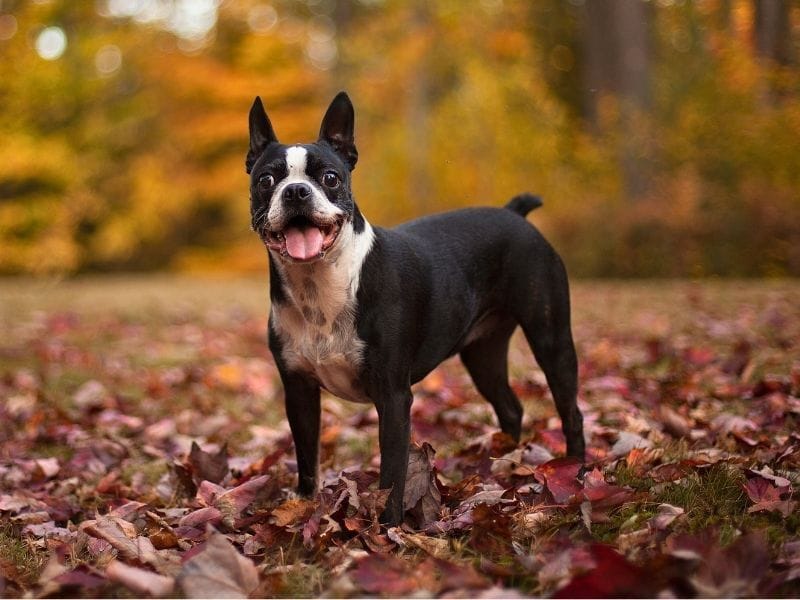
Their eyes are large, round, and dark, giving them a gentle, intelligent expression. Boston Terriers’ ears are naturally erect, and their tails are short and straight. The breed’s most recognizable feature is its tuxedo-like markings — usually a white chest, muzzle, and blaze between the eyes, with a black or brindle body.
Size Categories
Boston Terriers are grouped by weight for show purposes:
- Lightweight: Under 15 pounds
- Middleweight: 15–20 pounds
- Heavyweight: 20–25 pounds
Most Boston Terriers fall in the middleweight range. It’s rare to find one above 25 pounds unless there are health issues or they are overweight.
Physical Health Insight
A common mistake is underestimating their strength. Despite their small size, Boston Terriers are muscular and energetic. They can run, jump, and play for long periods. However, their short muzzle means they can overheat quickly, especially in hot weather.
Credit: www.borrowmydoggy.com
Boston Terrier Temperament: What To Expect
Boston Terriers are known for their friendly personality and lively spirit. They are excellent family dogs, often described as gentle, affectionate, and adaptable.
Main Traits
- Playful: Boston Terriers love games and will entertain you with their silly antics.
- Loyal: They form strong bonds with their owners and enjoy spending time together.
- Intelligent: This breed learns quickly and responds well to training.
- Alert: Boston Terriers are watchful and will bark to alert their family of visitors or unusual noises.
- Sociable: They get along well with children, strangers, and other pets if introduced properly.
Temperament Comparison
Here’s how Boston Terriers compare to other popular small breeds:
| Breed | Friendliness | Playfulness | Trainability | Energy Level |
|---|---|---|---|---|
| Boston Terrier | High | High | High | Moderate |
| Pug | High | Moderate | Moderate | Low |
| French Bulldog | Moderate | Moderate | Moderate | Low |
| Jack Russell Terrier | Moderate | High | High | High |
Boston Terriers are usually less stubborn than other terriers, making them easier for beginners.
Non-obvious Insights
- Boston Terriers often mirror their owner’s mood. If you are calm, they will relax. If you are energetic, they will match your energy. This emotional sensitivity makes them great therapy dogs.
- They are less prone to separation anxiety than similar breeds, but do best when they have daily interaction.
Possible Behavior Issues
While Boston Terriers are usually well-behaved, some common challenges include:
- Stubbornness: Sometimes they refuse commands if they sense you are not confident.
- Excessive Barking: They may bark too much if not trained early.
- Chewing: If bored, they might chew furniture or shoes.
Proper training and socialization from an early age helps prevent these problems.
Boston Terrier Care: Daily Needs
Owning a Boston Terrier is rewarding, but you must know how to care for them properly. Their needs are simple, but require daily attention.
Feeding And Nutrition
Boston Terriers need a balanced diet to stay healthy and energetic.
Food Guidelines
- Puppies: 3 meals per day
- Adults: 2 meals per day
Choose a high-quality dog food with real meat, vegetables, and whole grains. Avoid fillers like corn and soy, as these can cause allergies. The average adult Boston Terrier needs around 400–600 calories per day, depending on activity level.
Portion Sizes
- Puppies (8–12 weeks): ½ cup per meal
- Adults (12–25 lbs): ¾–1 cup per meal
Monitor their weight and adjust portions as needed. Obesity is a risk, especially for inactive dogs.
Foods To Avoid
- Chocolate
- Grapes & raisins
- Onions & garlic
- Excessive fat or salt
Exercise Requirements
Boston Terriers need regular exercise, but not as much as high-energy breeds.
- Daily walks: 20–40 minutes, split into two sessions
- Playtime: Fetch, tug-of-war, and puzzle toys help burn energy
Too much exercise can cause breathing problems, especially in hot or humid weather. Always watch for signs of overheating — heavy panting, drooling, or slowing down.
Grooming And Hygiene
Boston Terriers are low-maintenance, but still require care.
Grooming Routine
- Brushing: Once or twice a week to remove loose hair
- Bathing: Every 4–6 weeks, or when dirty
- Nail trimming: Every 2–3 weeks
- Ear cleaning: Weekly, especially if prone to wax buildup
Their short coat does not shed much, but regular brushing keeps it shiny and healthy.
Facial Folds
Boston Terriers have facial wrinkles. Clean these folds gently with a damp cloth to prevent infection.
Health And Medical Care
Boston Terriers are generally healthy, but some breed-specific issues can arise.
Common Health Problems
- Brachycephalic Syndrome: Due to their short muzzle, Boston Terriers can have breathing difficulties.
- Eye Issues: Cataracts, cherry eye, and corneal ulcers are common.
- Allergies: Skin and food allergies are frequent.
- Patellar Luxation: Knee joint problems can occur, especially in active dogs.
- Heart Murmurs: Occasionally found, especially in older dogs.
Lifespan
Boston Terriers live 11–13 years on average. Some reach 15 years with proper care.
Veterinary Care
Regular checkups are essential. Vaccinations, parasite control, and dental care should be scheduled yearly. Early detection of health issues improves their quality of life.
Health Data Table
| Condition | Frequency | Prevention/Treatment |
|---|---|---|
| Brachycephalic Syndrome | Common | Avoid heat, manage weight |
| Cataracts | Moderate | Eye exams, surgery if needed |
| Allergies | Moderate | Diet management, vet care |
| Patellar Luxation | Occasional | Physical therapy, surgery |
| Heart Murmurs | Rare | Monitoring, medication |
Non-obvious Health Tips
- Dental hygiene is critical. Boston Terriers are prone to tartar buildup, which can lead to heart disease. Brush their teeth at least twice a week.
- Weight control reduces breathing issues. Keeping your Boston Terrier slim helps minimize respiratory stress.
Training Your Boston Terrier
Boston Terriers are intelligent and eager to please, making them easy to train. However, their stubborn side can appear if training is inconsistent.
Basic Training Steps
- Start early: Begin training at 8–12 weeks old.
- Use positive reinforcement: Treats and praise work best.
- Keep sessions short: 10–15 minutes is ideal.
- Be patient: Never use harsh discipline.
- Socialize: Introduce them to new people, pets, and environments.
Common Commands
- Sit
- Stay
- Come
- Leave it
- Down
Boston Terriers pick up basic commands quickly, but consistency is key.
Potty Training
Most Boston Terriers are easy to housetrain if you follow a routine. Take them outside every 2–3 hours, after meals, and before bed. Reward them for success.
Advanced Training
Boston Terriers can learn tricks and participate in agility or obedience competitions. Their intelligence and desire to please make them stand out in dog sports.
Mistakes To Avoid
- Repeating commands: Boston Terriers may ignore repeated instructions if you do not follow through.
- Skipping socialization: Early exposure to people and other animals prevents fear and aggression later.
Boston Terrier Living Environment
Boston Terriers adapt well to different homes, but some environments suit them better.
Apartment Living
Their size and temperament make Boston Terriers perfect for apartments. They do not need much space, but require daily walks and playtime.
House With Yard
If you have a yard, Boston Terriers will enjoy running and playing. However, always supervise outdoor time. They are curious and may wander or chase small animals.
Urban Vs. Rural
Boston Terriers thrive in cities because they are not overly noisy and do not need large yards. In rural areas, watch for predators and keep them secure.
Indoor Comfort
Boston Terriers are indoor dogs. Their short coat provides little protection from cold or heat, so keep them comfortable year-round.
Temperature Sensitivity
Boston Terriers are sensitive to extreme temperatures. In hot weather, provide shade and water. In cold weather, use a dog sweater for walks.
Boston Terrier Social Life
Boston Terriers are sociable and love meeting new people and animals.
Family Interaction
They are patient with children and enjoy family activities. Teach children to handle them gently, as Boston Terriers can be startled by rough play.
With Other Pets
Boston Terriers can live with other dogs and cats if introduced slowly. They are less aggressive than many terriers, but may chase small animals if not trained.
Meeting Strangers
Boston Terriers are friendly with visitors, making them poor guard dogs but excellent companions. They may bark at strangers, but quickly warm up if you greet the visitor warmly.
Dog Parks
Boston Terriers enjoy dog parks, but supervise their play. Their small size means they can be injured by larger dogs.
Boston Terrier Puppy Guide
Raising a Boston Terrier puppy is a joyful experience, but requires attention.
Choosing A Breeder
Find a reputable breeder who tests for genetic diseases and raises puppies in a clean, loving environment. Avoid puppy mills or online sellers with no credentials.
Puppy Checklist
- Vaccinations up to date
- Health certificate
- Socialized with people and other animals
- Clear eyes, clean ears, healthy coat
Bringing Your Puppy Home
Prepare your home with:
- A crate or bed
- Food and water bowls
- Puppy-safe toys
- Puppy-proofed rooms (remove wires, shoes, chemicals)
Early Training
Start potty training and basic commands right away. Puppies learn quickly and respond well to positive reinforcement.
Socialization
Expose your puppy to different sounds, sights, and experiences. This helps prevent fearfulness as they grow.

Credit: puppyheaven.com
Boston Terrier Adoption And Rescue
If you prefer adoption, many Boston Terriers are available in shelters or rescue groups.
Adoption Benefits
- Helps a dog in need
- Often cheaper than buying from a breeder
- Dogs are usually vaccinated and spayed/neutered
How To Find A Boston Terrier For Adoption
Check local shelters, breed-specific rescue groups, and online adoption portals. Ask about the dog’s history, temperament, and health before adopting.
Adopting An Adult Boston Terrier
Adult dogs can be easier for beginners, as they are often house-trained and calmer. However, some may have behavior issues from previous homes. Patience and love help them adjust.
Rescue Insight
Many Boston Terriers end up in shelters due to owner lifestyle changes, not because of behavior problems. With proper care and training, rescue dogs make wonderful companions.
Boston Terrier Costs
Owning a Boston Terrier involves upfront and ongoing expenses.
Initial Costs
- Puppy purchase: $800–$2,000 from a reputable breeder
- Adoption fees: $200–$500
- Supplies: $150–$300 (crate, bowls, toys, leash)
Annual Costs
- Food: $250–$400
- Vet care: $300–$600
- Grooming: $50–$100
- Pet insurance: $300–$500
- Miscellaneous: $100–$200
Total Cost Estimate Table
| Expense | Yearly Cost |
|---|---|
| Food | $250–$400 |
| Vet Care | $300–$600 |
| Grooming | $50–$100 |
| Insurance | $300–$500 |
| Other | $100–$200 |
| Total | $1,000–$1,800 |
Unexpected Costs
- Emergency vet visits
- Training classes
- Boarding or pet sitting
Pet insurance can help cover sudden medical bills.
:strip_icc()/boston-terrier-dog-breed-profile-4689861-hero-17828860a8304ba68182bf504766c2c2.jpeg)
Credit: www.thesprucepets.com
Boston Terrier Fun Facts
Boston Terriers have some unique qualities and history.
- The breed was the mascot for Boston University.
- They were the first American breed recognized by the American Kennel Club (AKC).
- Boston Terriers often snore and “talk” in their sleep.
- Their tuxedo markings vary, but all have a white chest and muzzle.
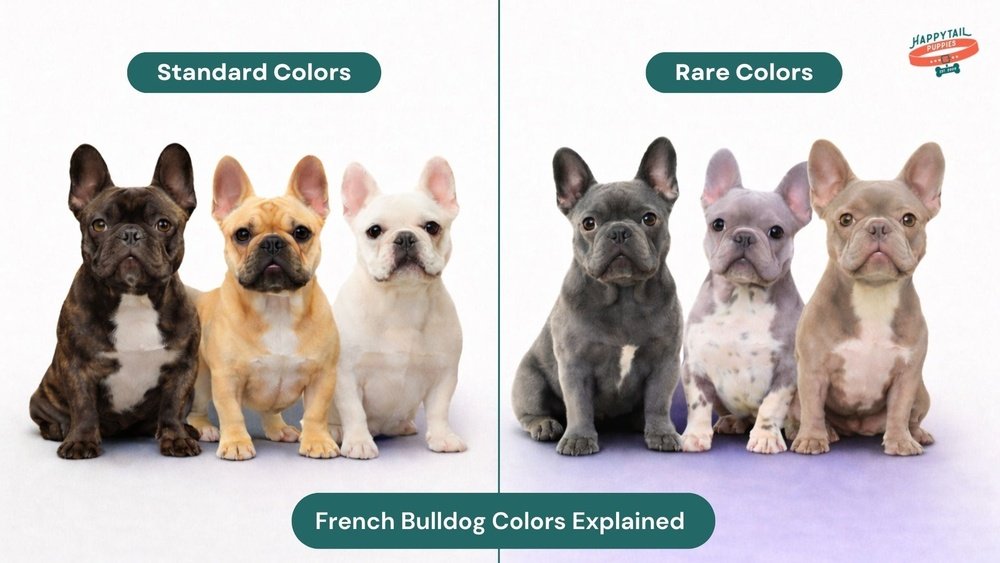
- They are sometimes confused with French Bulldogs, but Boston Terriers have longer legs and less wrinkling.
Boston Terrier Community And Resources
The Boston Terrier community is active and supportive. Breed clubs, online forums, and local meetups offer help and advice.
- Boston Terrier Club of America: Offers information, events, and rescue support.
- Online forums and social media groups: Share tips, stories, and photos.
- Local dog trainers and vets: Provide breed-specific advice.
For more breed information and history, visit the Wikipedia Boston Terrier page.
Frequently Asked Questions
What Is The Average Lifespan Of A Boston Terrier?
Boston Terriers typically live 11–13 years. With proper care, some reach 15 years. Good diet, regular exercise, and annual vet checkups help extend their life.
Are Boston Terriers Good With Children?
Yes, Boston Terriers are gentle and patient with children. They enjoy playtime and cuddles. Always supervise young kids to ensure safe interaction, as Boston Terriers can be startled by loud noises or sudden movements.
Do Boston Terriers Shed A Lot?
No, Boston Terriers have a short, fine coat and shed very little. Weekly brushing keeps their coat healthy and reduces loose hair around the house.
How Much Exercise Does A Boston Terrier Need?
Boston Terriers require 20–40 minutes of exercise daily. This includes walks and playtime. Avoid intense activity in hot weather, as they can overheat due to their short muzzle.
What Health Problems Are Common In Boston Terriers?
The most common health issues are breathing problems, eye diseases, allergies, and knee joint issues. Regular vet care and weight control help prevent many problems.
Boston Terriers are truly special. Their friendly personality, manageable size, and low-maintenance care make them perfect companions for almost any household. Whether you choose a puppy or adopt an adult, you’ll gain a loyal friend who will bring laughter and love to your life.
With the tips and insights in this guide, you are ready to give your Boston Terrier the best possible care.

We’re the dedicated team behind MyPawSafe.com, with over a decade of combined experience in veterinary care, pet emergency response, and animal behavior. While we prefer to let our work speak for itself, our mission is clear: to provide science-backed, vet-approved advice that helps pet owners prevent accidents and save lives.