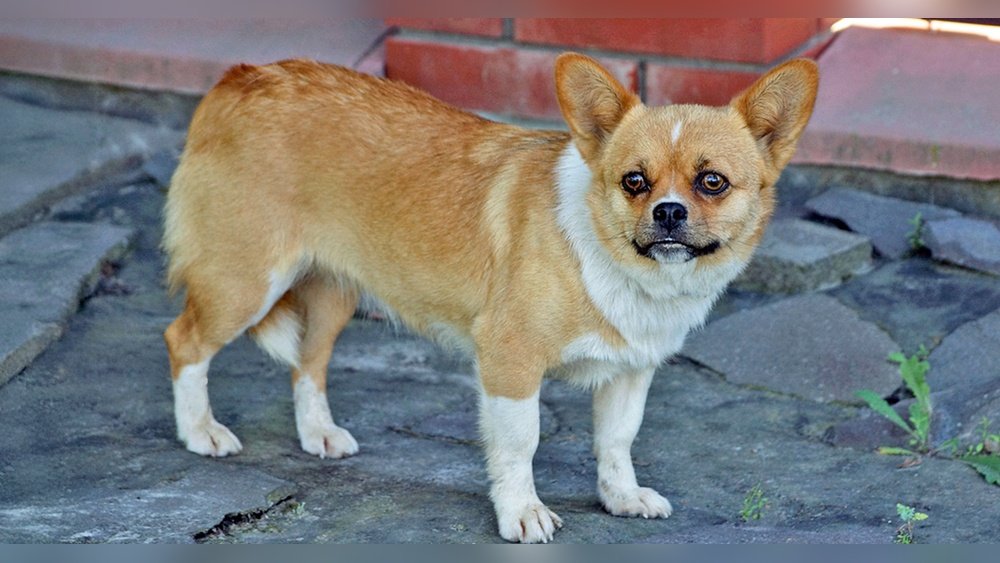
The Corgi Chihuahua Mix, also known as the Chigi, is a delightful hybrid dog that combines the best traits of two beloved breeds: the Pembroke Welsh Corgi (or sometimes the Cardigan Welsh Corgi) and the Chihuahua. If you’re searching for a pet that is small, lively, affectionate, and a little quirky, the Chigi could be the perfect companion. But before you welcome this adorable pup into your life, it’s important to understand their personality, care needs, possible health issues, and what life with a Chigi really looks like. Many people fall in love with those big ears and bright eyes but aren’t prepared for their energy or stubborn streak. Let’s explore everything you need to know about the Corgi Chihuahua Mix, from their origins and appearance to training tips and common mistakes owners make.
What Is A Corgi Chihuahua Mix (chigi)?
A Chigi is a designer dog, which means it’s a crossbreed created by intentionally mating two purebred dogs: the Corgi and the Chihuahua. Unlike accidental mixed breeds, designer dogs are bred to capture certain qualities from each parent. In the case of the Chigi, breeders are hoping to blend the Corgi’s friendly, loyal nature with the Chihuahua’s spunky, alert personality. This mix can result in a wide range of looks, temperaments, and sizes, so every Chigi is a bit unique.
The first intentional Chigi litters appeared in the United States in the late 1990s or early 2000s, following the growing trend of hybrid “designer” dogs. While not recognized by the American Kennel Club, the Chigi has gained a loyal following thanks to its charm, intelligence, and suitability for small homes or apartments.
Physical Appearance: What Does A Chigi Look Like?
Chigis inherit a mix of features from both parents, so their appearance can vary quite a bit, even within the same litter. However, there are some common traits to expect.
Size And Build
Most Chigis are small to medium-sized dogs. Their weight usually falls between 10 and 20 pounds, and their height ranges from 7 to 12 inches at the shoulder. This makes them larger than most purebred Chihuahuas but smaller and more compact than a typical Corgi.
Ears And Face
Many Chigis have the large, upright ears that both parent breeds are famous for. Their heads can be slightly rounded like a Chihuahua’s or more fox-like, reminiscent of a Corgi. Eyes are often expressive and almond-shaped, with a lively sparkle.
Coat And Color
Chigi coats can be short or medium-length, depending on which parent’s genes are stronger. The texture may be smooth like a Chihuahua or denser and slightly coarse like a Corgi. Common coat colors include:
- Fawn
- Tan
- Black
- White
- Brown
- Red
Some Chigis have bicolor or tricolor patterns, and a few may even inherit the Corgi’s signature white markings on the face, chest, or paws.
Comparison: Chigi Vs. Parent Breeds
To help you visualize the difference, here’s a side-by-side comparison:
| Trait | Chigi | Corgi | Chihuahua |
|---|---|---|---|
| Weight | 10–20 lbs | 22–30 lbs | 3–6 lbs |
| Height | 7–12 in | 10–12 in | 5–8 in |
| Coat Type | Short/Medium | Medium/Double | Short/Long |
| Common Colors | Fawn, Black, White, Red | Red, Black, Fawn, Sable | Fawn, Black, Cream, Chocolate |
Non-obvious insight: Many first-time owners are surprised by how much a Chigi can shed, especially if they inherit the Corgi’s double coat. Regular brushing can help manage this.
Personality And Temperament
The Chigi’s personality is one of its biggest draws, but also a reason for careful consideration. These dogs are usually affectionate, lively, and deeply loyal to their families. They tend to bond strongly with their primary owner and can be very cuddly.
Energy And Playfulness
Chigis are typically high-energy dogs. They love to play, explore, and be involved in family activities. Some inherit the Corgi’s herding instincts and may try to “herd” other pets or even people, especially children. Others have the Chihuahua’s boldness and curiosity, which means they’re often fearless, despite their small size.
Intelligence And Trainability
Both Corgis and Chihuahuas are intelligent breeds. As a result, Chigis are usually quick learners. However, their strong will can make them a bit stubborn at times. Positive reinforcement training—using treats and praise—works best. It’s important to start socialization and basic obedience training early.
Barking And Watchdog Behavior
Chigis often have a strong alertness and will bark to warn you about strangers or unusual noises. This makes them good watchdogs but can also lead to nuisance barking if not managed from a young age.
Compatibility With Children And Pets
When raised with children or other pets, Chigis are usually friendly and playful. However, because they’re small and can be delicate, supervision is important with very young children. Some Chigis may be wary of unfamiliar dogs, especially if not socialized early.
Non-obvious insight: Chigis sometimes develop “small dog syndrome” if not trained well, becoming bossy or demanding. Setting clear boundaries and rules is important to prevent this.
Health And Lifespan
One of the reasons people love mixed breeds like the Chigi is the idea of hybrid vigor—the belief that mixed dogs are healthier than purebreds. While this can be true, Chigis can still inherit health issues from both parent breeds.
Common Health Issues
- Patellar Luxation: Common in both Chihuahuas and Corgis, this is when the kneecap slips out of place. It can cause limping or pain.
- Hip Dysplasia: More common in Corgis, this affects the hip joint and can lead to arthritis.
- Dental Problems: Chihuahuas often have crowded teeth, so regular dental care is important.
- Obesity: Corgis are prone to weight gain, and Chigis can be too, especially if not exercised enough.
- Eye Problems: Both breeds can suffer from progressive retinal atrophy (PRA) or cataracts.
Lifespan
Chigis are generally healthy and can live 12 to 16 years. Proper care, regular check-ups, and a good diet can help your Chigi enjoy a long, happy life.
Health Testing And Vet Visits
Before adopting a Chigi, ask the breeder about health testing for both parents. After bringing your dog home, annual vet check-ups and vaccinations are essential.
Here’s a quick breakdown of common health issues and their likelihood:
| Health Issue | Likelihood in Chigis | Prevention/Treatment |
|---|---|---|
| Patellar Luxation | Moderate | Weight management, surgery if severe |
| Hip Dysplasia | Low to Moderate | Breeder screening, joint supplements |
| Dental Disease | High | Daily brushing, dental chews |
| Obesity | Moderate | Portion control, daily exercise |
Grooming And Care
How much time will you need to spend grooming your Chigi? The answer depends mostly on their coat type, but all Chigis need regular care to stay healthy.
Brushing And Bathing
If your Chigi has a short, smooth coat, brushing once a week is usually enough. For those with a thicker or longer coat, plan for brushing two to three times per week to control shedding and prevent mats.
Bathing is needed only every 4–6 weeks, or when your dog gets especially dirty. Use a gentle dog shampoo to avoid skin irritation.
Shedding
Chigis shed moderately. If they inherit more of the Corgi’s coat, expect heavier seasonal shedding in spring and fall. Invest in a good deshedding brush and vacuum cleaner.
Nail, Ear, And Dental Care
- Nails: Trim every 3–4 weeks.
- Ears: Check weekly for redness, odor, or wax buildup. Clean with a damp cotton ball if needed.
- Teeth: Brush at least 2–3 times per week, or daily if possible.
Grooming Cost Comparison
| Grooming Task | Frequency | DIY Cost per Year | Professional Cost per Year |
|---|---|---|---|
| Brushing | Weekly | $20 (brushes/combs) | – |
| Bathing | Monthly | $30 (shampoo) | $240 (salon) |
| Nail Trimming | Monthly | $15 (clippers) | $120 (groomer) |
| Dental Care | Weekly | $40 (toothpaste/chews) | $300 (vet cleaning) |
Exercise And Mental Stimulation
Despite their small size, Chigis have plenty of energy. They need both physical exercise and mental stimulation to stay happy and healthy.
Daily Exercise Needs
Plan for at least 30–45 minutes of activity each day. This can be a mix of:
- Walks in the neighborhood
- Playtime in the yard or indoors
- Fetch or tug-of-war games
- Agility or obedience training
Chigis are usually up for more activity if you are. Lack of exercise can lead to boredom, barking, and even destructive behaviors.
Mental Enrichment
Puzzle toys, hide-and-seek games, and training new tricks help keep their minds sharp. Without mental stimulation, Chigis can develop behavioral issues like chewing or digging.
Practical tip: Rotate toys every few days to keep things interesting and prevent your dog from getting bored.

Credit: www.youtube.com
Feeding And Nutrition
A healthy diet is key to a long and happy life for your Chigi. Because they’re small dogs, it’s easy to overfeed them, which can lead to obesity and related health problems.
How Much To Feed
Most adult Chigis need ½ to 1 cup of high-quality dry dog food per day, split into two meals. The exact amount depends on their size, age, activity level, and whether they are spayed or neutered.
Puppies and more active dogs may need a bit more, while older, less active Chigis need less.
What To Feed
Choose a dog food with:
- Real meat as the first ingredient
- No artificial colors or flavors
- Balanced nutrients for small breeds
You can also add a small amount of wet food or lean cooked meats for variety, but avoid table scraps and foods that are toxic to dogs.
Foods To Avoid
- Chocolate
- Grapes and raisins
- Onions and garlic
- Cooked bones
- Xylitol (found in some sugar-free products)
Treats
Treats are great for training but should make up no more than 10% of daily calories. Look for low-calorie options and break treats into small pieces.
Common mistake: Many owners forget to adjust the main meal size if they’re giving lots of treats, leading to slow weight gain.
Training And Socialization
Training a Chigi can be both fun and challenging. These dogs are smart and eager to please but can also be stubborn.
Socialization
Expose your Chigi to new people, places, sounds, and experiences from a young age. This helps prevent fearfulness and aggression later on. Puppy classes or small group training can be helpful.
Basic Obedience
Start with basic commands:
- Sit
- Stay
- Come
- Down
- Leave it
Use positive reinforcement—treats, praise, and play. Keep training sessions short (5–10 minutes) to hold their attention.
House Training
Chigis are usually quick to learn, but small dogs can be more difficult to house train. Be patient, use a consistent routine, and reward good behavior immediately.
Common Training Mistakes
- Inconsistency: If different family members use different rules, the dog gets confused.
- Punishment: Negative methods can make a Chigi fearful or aggressive.
- Not enough socialization: Waiting too long to introduce new experiences can lead to shyness or anxiety.
- Lack of patience: Training takes time, especially for complex behaviors.

Credit: www.avantserveis.com
Living With A Chigi: Is This The Right Dog For You?
Chigis fit well into many types of homes, but they’re not the right choice for everyone. Here’s what to consider before bringing one home.
Best For:
- Singles or families who want a small but active dog
- People with time for daily play and walks
- Owners willing to do regular training and grooming
- Apartment dwellers (if barking is managed)
Challenges:
- Not ideal for people away from home all day
- May not tolerate rough handling by young children
- Can be barky or stubborn without training
- Some can be escape artists—secure fencing is needed
Chigi Vs. Other Small Mixes
If you’re considering a Chigi, you might also look at other small designer dogs. Here’s how the Chigi compares:
| Breed Mix | Size | Energy Level | Barking | Trainability |
|---|---|---|---|---|
| Chigi (Corgi x Chihuahua) | Small-Medium | High | High | Moderate |
| Pomchi (Pomeranian x Chihuahua) | Small | Moderate | Moderate-High | Moderate |
| Corgipoo (Corgi x Poodle) | Small-Medium | Moderate | Moderate | High |
| Chorkie (Chihuahua x Yorkie) | Small | High | High | Low-Moderate |
Experience-based tip: Chigis often do best with experienced dog owners or those willing to invest time in training and socialization. They thrive in homes where they are part of the family’s daily activities.
Where To Find A Chigi Puppy
If you’re set on a Chigi, you have several options:
- Reputable breeders: Look for breeders who health test parents, let you meet the puppies, and offer support.
- Rescue groups: Sometimes Chigis and other Corgi mixes are available through breed-specific rescues.
- Shelters: Mixed-breed dogs, including Chigis, can be found at local animal shelters.
Ask questions about the puppy’s health, temperament, and background. Avoid breeders who offer multiple types of designer puppies or refuse to show you where the dogs live.
Practical insight: Rescue Chigis may be older or have unknown backgrounds, but can make wonderful pets with patience and love.
Costs Of Owning A Chigi
Bringing home a new dog means new expenses. Here’s what to expect:
Initial Costs
- Puppy price: $500–$1,500 (varies by breeder and location)
- First vet visit and vaccinations: $100–$300
- Supplies (crate, bed, leash, toys): $200–$400
- Spay/neuter: $100–$400
Ongoing Costs (per Year)
- Food: $150–$300
- Grooming: $50–$300 (depends on DIY vs. professional)
- Vet care: $200–$600
- Preventive meds (flea, tick, heartworm): $100–$250
- Pet insurance (optional): $200–$500
Common mistake: Underestimating the long-term costs, especially vet bills and grooming.
Chigi Myths And Misconceptions
Many people have ideas about what a Chigi is like—some true, some not. Let’s clear up a few:
- Myth: Chigis are always hypoallergenic.
Fact: Neither parent breed is hypoallergenic. Chigis do shed.
- Myth: All Chigis are tiny lap dogs.
Fact: Some are closer to Corgi size and need lots of exercise.
- Myth: Mixed breeds never have health problems.
Fact: Chigis can inherit genetic issues from both parents.
- Myth: They’re easy to train because they’re smart.
Fact: Intelligence doesn’t always equal obedience—stubbornness is common.

Credit: www.adoptapet.com
Chigi Owner Tips From Real Experience
After talking to owners and trainers, here are a few real-world pointers:
- Stick to a routine. Chigis thrive on predictable schedules for meals, walks, and bedtime.
- Invest in puzzle toys. Mental games can tire your Chigi out as much as a long walk.
- Be patient with house training. Accidents happen, especially in small breeds.
- Don’t let cuteness excuse bad behavior. Set rules and be consistent.
- Schedule playdates. Regular dog socialization helps prevent fearfulness and reactivity.
Frequently Asked Questions
How Big Do Chigi Dogs Get?
Most Chigis weigh 10–20 pounds and stand 7–12 inches tall at the shoulder. Their size depends on the size of their parents and which genes are stronger.
Do Chigis Get Along With Children And Other Pets?
Yes, when properly socialized. Chigis can be great with children and other animals, but supervision is needed with very young kids due to the Chigi’s small size and occasional bossiness.
Are Chigis Easy To Train?
Chigis are intelligent and eager to learn, but can also be stubborn. Positive reinforcement and short, fun training sessions work best. Consistency is key.
How Much Exercise Does A Chigi Need?
Plan for at least 30–45 minutes of activity each day. This includes walks, playtime, and mental games. Some Chigis need more, especially younger dogs.
Where Can I Learn More About Corgis And Chihuahuas?
For deeper information about the parent breeds, visit the American Kennel Club’s pages on the Pembroke Welsh Corgi and Chihuahua.
Bringing a Chigi into your life can be a joyful and rewarding experience. With the right care, training, and love, these little hybrids become devoted family members who bring laughter and companionship for years. If you’re ready for their energy and personality, the Chigi may be just the dog you’ve been searching for.

We’re the dedicated team behind MyPawSafe.com, with over a decade of combined experience in veterinary care, pet emergency response, and animal behavior. While we prefer to let our work speak for itself, our mission is clear: to provide science-backed, vet-approved advice that helps pet owners prevent accidents and save lives.