Every year, more people discover the unique charm of the American Bully Pitbull mix. This hybrid dog combines the best traits of two powerful breeds: the affectionate American Bully and the athletic American Pit Bull Terrier. Some call them Bullypits or Bully Pit mixes, but whatever the name, these dogs have a loyal fanbase and a distinctive personality. If you’re curious about bringing one of these energetic companions into your life, or just want to learn more, you’re in the right place. This guide covers everything you need to know—temperament, care, training, and even common surprises that catch first-time owners off guard.
What Is An American Bully Pitbull Mix?
The American Bully Pitbull mix is not a purebred dog. Instead, it’s a cross between the American Bully and the American Pit Bull Terrier. Both parent breeds share a common ancestry but have developed unique characteristics over time.
The American Bully was developed in the United States in the 1990s. Breeders aimed for a companion dog with a muscular build and a gentle, stable temperament. The American Pit Bull Terrier, on the other hand, has a longer history.
Originally bred for work and sport, this breed is known for its strength, intelligence, and loyalty.
When you combine these two breeds, you get a dog with a blend of their best qualities—muscle, energy, affection, and intelligence. But like any mixed breed, every American Bully Pitbull mix is a little different.
Key Features
- Size: Medium to large, often weighing 50–80 pounds
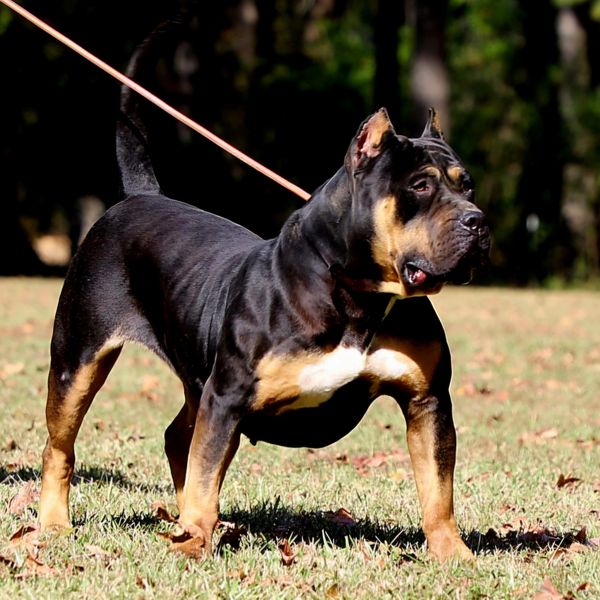
- Build: Muscular, broad chest, powerful stance
- Coat: Short, smooth, easy to maintain
- Colors: Wide variety, including black, blue, fawn, brindle, and more
- Temperament: Loyal, affectionate, protective, confident
This mix is popular among families, singles, and even experienced dog owners who want a dog with presence and personality.
Physical Appearance
No two American Bully Pitbull mixes look exactly alike. The genes they inherit from each parent can create a wide range of appearances.
Size And Weight
Most Bully Pit mixes are medium to large dogs. The average weight ranges from 50 to 80 pounds, but some can be heavier if the American Bully parent is from a larger line.
| Category | Average Range |
|---|---|
| Height (shoulder) | 17–21 inches |
| Weight | 50–80 pounds |
| Coat length | Short, smooth |
Some individuals are stockier like the American Bully, while others have a leaner, more athletic frame like the Pit Bull Terrier.
Coat And Colors
Expect a short and glossy coat. This makes grooming simple—brushing once or twice a week is usually enough. Color is unpredictable, ranging from solid black or blue to striking brindle patterns.
Head And Face
Most Bully Pit mixes have a broad head, muscular neck, and strong jaws. Eyes are often round or almond-shaped, and ears may stand upright or flop over.
Non-obvious insight: Many first-time owners are surprised by how expressive these dogs’ faces are. Their eyes can be especially soulful, showing everything from curiosity to joy.
Temperament And Personality
If you want a loyal, affectionate dog, the American Bully Pitbull mix rarely disappoints. Their personality is shaped by both genetics and how they’re raised.
General Temperament
- Loyal and Protective: These dogs bond deeply with their family. They can be wary of strangers at first, but proper socialization helps them become friendly and well-mannered.
- Affectionate: Many will try to be lap dogs, even at 70 pounds! They crave attention and will follow you around the house.
- Confident and Alert: This mix often shows confidence without aggression. They make excellent watchdogs, alerting you to visitors or unusual noises.
- Playful and Energetic: Expect bursts of energy and a love of play, especially as puppies and young adults.
With Children And Other Pets
The Bully Pit mix can be a great family dog. With early socialization, most are gentle with children. However, because of their strength and enthusiasm, supervision is wise around small kids.
Some may chase smaller pets, but with proper introductions and training, many live peacefully with other dogs and even cats.
Non-obvious insight: Owners often overlook the breed’s *sensitivity*. These dogs pick up on human emotions quickly. If you’re stressed or upset, your dog may become anxious too. Calm, confident leadership helps them feel secure.
Potential Behavioral Issues
- Separation Anxiety: This breed dislikes being left alone for long periods.
- Chewing and Digging: If bored or under-exercised, destructive behaviors can appear.
- Overprotectiveness: Without clear boundaries, some may try to “guard” their family too much.
Exercise Needs And Energy Level
American Bully Pitbull mixes need regular physical and mental activity. This is not a breed for couch potatoes.
How Much Exercise?
Most experts recommend at least 60–90 minutes of activity per day. This can include:
- Brisk walks or runs
- Playtime in a secure yard
- Tug-of-war or fetch
- Training sessions or agility games
A simple stroll around the block isn’t enough. These dogs thrive when given a “job” to do or a goal to reach.
Mental Stimulation
Physical activity is important, but mental exercise matters just as much. Puzzle toys, obedience training, and learning new tricks help prevent boredom.
Examples Of Activities
- Scent games: Hide treats around the house for your dog to find.
- Obedience drills: Practice commands in short, positive sessions.
- Dog sports: Some Bully Pit mixes excel in weight-pulling, agility, or dock diving.
Practical tip: Vary your activities. Doing the same walk every day can lead to boredom. Try new routes or switch up your routine to keep your dog interested.

Credit: twkf.gov.tr
Training And Socialization
Training is essential for any dog, but especially for strong, intelligent breeds like the American Bully Pitbull mix.
Why Early Training Matters
Early training builds a foundation for good behavior. These dogs are eager to please and respond well to positive methods.
Basic Commands To Teach
- Sit
- Stay
- Come
- Leave it
- Down
Consistency is key. Use rewards like treats, praise, or toys to reinforce positive behavior.
Socialization
Expose your puppy to different people, places, sounds, and other animals. Well-socialized dogs are less likely to develop fear or aggression issues.
Common Training Mistakes
- Using harsh punishment: This can damage trust and lead to fear-based behaviors.
- Inconsistent rules: Everyone in the family must follow the same guidelines.
- Neglecting mental stimulation: Training is not just about commands—it’s about building a bond.
Professional Help
If you’re struggling, don’t hesitate to seek a certified dog trainer. Group classes can be especially useful for socialization and learning in a controlled environment.
Non-obvious insight: Many first-time owners underestimate the importance of *body language*. Dogs communicate with posture, tail position, and facial expression. Learning to “read” your dog can prevent misunderstandings and build trust.
Grooming And Maintenance
The good news for busy owners: grooming an American Bully Pitbull mix is simple.
Coat Care
- Brushing: Once or twice a week with a soft brush removes loose hair and keeps the coat shiny.
- Bathing: Only as needed—usually once a month or when dirty. Overbathing can dry out their skin.
Nails, Ears, And Teeth
- Nail trimming: Every 2–4 weeks. Long nails can cause pain or injury.
- Ear cleaning: Check weekly for dirt or redness. Clean as needed with a vet-approved solution.
- Dental care: Brush teeth several times a week to prevent tartar and gum disease.
Shedding
This breed sheds, but not excessively. You may notice more hair during seasonal changes.
Practical tip: Start grooming routines early in puppyhood. Handling paws, ears, and teeth while your dog is young makes vet visits and home care much easier later.
Health And Lifespan
Like all breeds, the American Bully Pitbull mix is prone to some health issues. Responsible breeding and regular vet care can reduce risks.
Average Lifespan
Most live 10 to 14 years with good care.
Common Health Issues
| Health Issue | Description | Prevention/Treatment |
|---|---|---|
| Hip Dysplasia | Painful joint condition, common in large breeds | Maintain healthy weight, joint supplements, vet care |
| Allergies | Skin itching, redness, or ear infections | Identify triggers, special diet, vet support |
| Heart Disease | Inherited risk, especially in some bully lines | Annual check-ups, healthy lifestyle |
| Demodex Mange | Skin mites causing hair loss | Prompt vet treatment |
Preventive Health Care
- Annual veterinary exams
- Vaccinations and parasite prevention
- High-quality diet and regular exercise
Non-obvious insight: Some mixes are prone to cherry eye (a red lump in the corner of the eye) or ACL injuries due to their muscular build and energy level.
Nutrition And Feeding
Nutrition has a huge impact on your dog’s health, energy, and even behavior.
How Much To Feed
Most adult Bully Pit mixes need 2 to 3 cups of high-quality dog food per day, split into two meals. The exact amount depends on age, weight, and activity level.
What To Feed
Choose a food with:
- Meat as the first ingredient
- Moderate fat (not too high or low)
- No artificial colors or preservatives
Some owners prefer grain-free diets if their dog shows allergies, but this is not always necessary.
Foods To Avoid
- Chocolate, grapes, raisins, onions, garlic
- Cooked bones (they can splinter)
- High-fat table scraps
Supplements
Talk to your vet about joint supplements or omega-3 oils, especially for active or older dogs.
Practical tip: Measure food carefully and adjust as needed. Overfeeding leads to weight gain and joint stress, while underfeeding can cause energy drops.
Credit: www.avantserveis.com
Living With An American Bully Pitbull Mix
Before you welcome this breed into your home, consider your lifestyle.
Space Requirements
These dogs do best in homes with a yard, but apartment living is possible if you provide enough exercise. Secure fencing is a must—they’re strong and may try to escape if bored.
Is This Breed For You?
The Bully Pit mix is a great fit if you:
- Have time for daily exercise and training
- Want a loyal, protective companion
- Are willing to socialize and train from an early age
It’s not a good match if you:
- Travel often or are gone all day
- Prefer a low-energy or independent dog
- Can’t commit to consistent training and rules
Special Considerations
- Some areas have breed-specific laws or restrictions. Check local regulations before adopting.
- Homeowners’ insurance may have rules about “bully breeds.”
Non-obvious insight: Many Bully Pit mixes are excellent emotional support animals. Their intuition and loyalty make them sensitive to their owner’s mood and needs.
Costs Of Owning An American Bully Pitbull Mix
Bringing home a new dog is a financial commitment. The costs go beyond the initial adoption or purchase price.
Upfront Costs
- Adoption fee or purchase price: $200–$2,000 (rescue vs breeder)
- Spay/neuter surgery: $100–$300
- Starter supplies: Bed, crate, bowls, leash, toys—$200–$400
Ongoing Expenses
- Food: $30–$70/month depending on quality and size
- Veterinary care: $200–$600/year for routine visits
- Grooming supplies: $50–$100/year
- Training classes: $100–$300 for group sessions
Emergency And Health Costs
Unexpected costs can arise. Set aside funds for emergencies, especially as large breeds are prone to certain health issues.
| Expense | Estimated Cost (Annual) |
|---|---|
| Routine vet care | $200–$600 |
| Food | $360–$840 |
| Training | $100–$300 |
| Grooming | $50–$100 |
| Emergency fund | $500+ |
Practical tip: Consider pet insurance. It can offset costs for accidents or illness, especially for active breeds.
Finding A Reputable Breeder Or Rescue
The popularity of American Bully Pitbull mixes has led to a rise in breeders and rescues offering these dogs. It’s important to choose wisely.
How To Find A Good Breeder
- Visit the breeder’s facility in person.
- Ask for health clearances for both parent dogs.
- Observe puppies with their mother—well-socialized pups are raised in a home environment.
- Avoid breeders who won’t answer questions or allow visits.
Adoption And Rescue
Many Bully Pit mixes need loving homes. Check local shelters or breed-specific rescues. Adoption counselors can help match you with a suitable dog.
Warning: Avoid buying from pet stores or online ads without meeting the dog first. Puppy mills often produce unhealthy, poorly socialized dogs.
Questions To Ask
- What health tests have been done?
- Can I meet the puppy’s parents?
- How are puppies socialized?
- What support do you offer after adoption?
Non-obvious insight: Some rescues have “foster-to-adopt” programs. This lets you try living with the dog before making a permanent decision—a great option for first-time owners.
Social Perceptions And Breed-specific Legislation
The American Bully Pitbull mix often faces misunderstanding due to its looks and name. Sadly, this can lead to unfair treatment or restrictions.
Public Image
Some people assume these dogs are aggressive or dangerous. In reality, well-trained Bully Pit mixes are usually gentle, loyal companions.
Breed-specific Legislation (bsl)
Some cities and insurance companies have restrictions on “bully breeds. ” This can affect where you live, your ability to rent, or your homeowner’s insurance. Always check local laws before adopting.
How To Be A Responsible Ambassador
- Obey leash laws and always supervise your dog in public.
- Socialize and train your dog from a young age.
- Educate friends and neighbors about the breed’s true nature.
Practical tip: Carry proof of training, vaccination, and good behavior when out in public. A well-mannered dog is the best argument against stereotypes.
For more on breed-specific legislation, see this Wikipedia article.
Life With A Bully Pit Mix: Real Owner Experiences
Talking to real Bully Pit mix owners reveals both joys and challenges. Here’s what many say:
- “My Bully Pit is a cuddle monster—she thinks she’s a tiny lap dog.”
- “He’s so smart, but I have to keep him busy or he’ll get into trouble.”
- “Some people cross the street when they see us, but neighbors who know him love him.”
- “Training is a must. Once he learned the rules, he became the best family dog.”
Owners often mention the breed’s sensitivity, need for structure, and loyalty. Many say the effort is worth it for the bond they share.
Non-obvious insight: First-time owners sometimes underestimate the breed’s *adaptability*. With time and training, these dogs often adjust well to new homes, routines, and even other pets.
Frequently Asked Questions
How Big Do American Bully Pitbull Mixes Get?
Most range from 50 to 80 pounds and stand 17–21 inches at the shoulder. Size can vary depending on the parents, with some being larger or smaller.
Are American Bully Pitbull Mixes Aggressive?
No, not when properly raised. With early socialization and consistent training, these dogs are usually loyal and affectionate. Aggression often comes from poor training or lack of socialization.
How Much Exercise Does This Breed Need?
Plan for at least 60–90 minutes of activity every day. This includes walks, playtime, and mental challenges. Without enough exercise, they may become bored and destructive.
Are American Bully Pitbull Mixes Good With Kids?
Yes, most are gentle and protective with children, especially when socialized early. Always supervise play, as these dogs are strong and may accidentally knock over small kids.
What Health Issues Are Common In This Breed?
The most common problems are hip dysplasia, skin allergies, heart disease, and joint injuries. Regular vet care, a balanced diet, and responsible breeding help reduce risks.
Welcoming an American Bully Pitbull mix into your home is a big decision. This breed offers a unique blend of strength, loyalty, and affection, but also requires commitment to training, exercise, and socialization. They thrive with families who are active, patient, and willing to invest time in building a strong bond. If you’re ready for the challenge, you’ll find a devoted companion who brings energy, joy, and plenty of love to your life.
Credit: www.infinibandta.org

We’re the dedicated team behind MyPawSafe.com, with over a decade of combined experience in veterinary care, pet emergency response, and animal behavior. While we prefer to let our work speak for itself, our mission is clear: to provide science-backed, vet-approved advice that helps pet owners prevent accidents and save lives.