The Great Dane Mastiff Mix—often called the Daniff—has become an impressive and beloved hybrid in recent years. With their massive size, loyal heart, and gentle nature, these dogs are making their way into more homes and hearts. But a giant breed like the Daniff is not for everyone. Understanding what makes this mix unique, what they need, and how to care for them can help you decide if this gentle giant is the right companion for you.
This guide covers everything you need to know about the Great Dane Mastiff Mix, including their appearance, personality, health needs, training tips, and more. Whether you’re a first-time owner or an experienced giant breed lover, you’ll find practical advice and non-obvious tips here to help you make the best decisions for you and your future dog.
What Is A Great Dane Mastiff Mix?
The Great Dane Mastiff Mix is a hybrid dog breed resulting from crossing a purebred Great Dane with a purebred English Mastiff. Sometimes, other Mastiff types like the Neapolitan or Bullmastiff are used, but the most common is the English Mastiff. The mix is not recognized as an official breed by major kennel clubs, but it has gained popularity as a designer dog due to its impressive looks and loving nature.
Why Do People Breed This Mix?
Breeders aim to combine the size and elegance of the Great Dane with the strength and calm demeanor of the Mastiff. The goal is often to produce a dog with the best traits of both—gentle, loyal, good with families, and protective when needed. However, genetics can be unpredictable, so Daniffs can vary widely in appearance and personality.
Physical Appearance
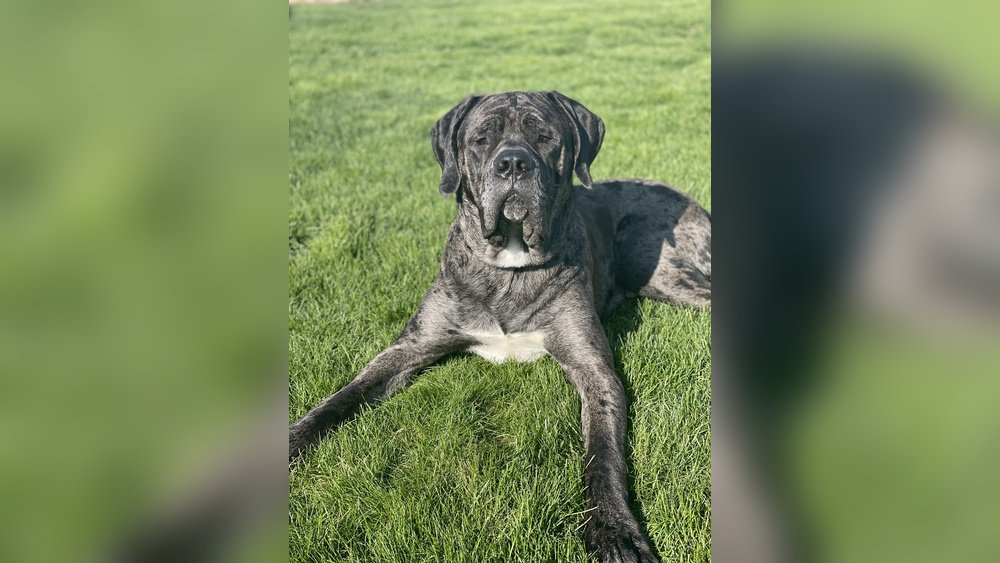
A Daniff’s appearance is nothing short of striking. These dogs are among the largest hybrids, with many features influenced by both parents.
Size And Weight
Most Daniffs stand between 28 and 34 inches tall at the shoulder and can weigh anywhere from 115 to 200 pounds. Some males may even exceed 200 pounds, especially if both parents are large.
Here’s a comparison of average size ranges:
| Breed | Height (inches) | Weight (pounds) |
|---|---|---|
| Great Dane | 28-34 | 110-175 |
| English Mastiff | 27-32 | 120-230 |
| Great Dane Mastiff Mix | 28-34 | 115-200+ |
Coat And Colors
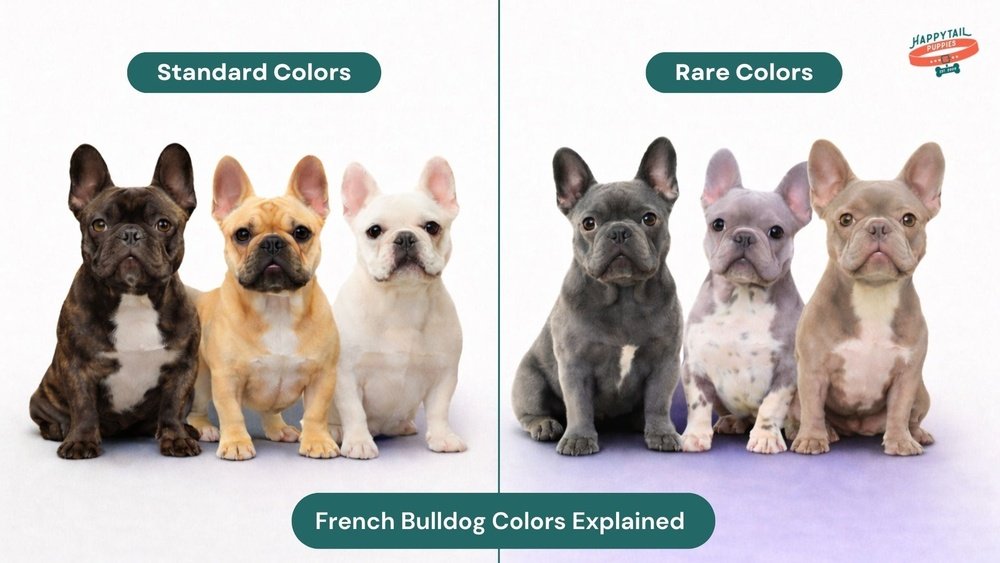
Daniffs usually have a short, dense coat. Shedding is moderate, and their fur is easy to maintain. Coat colors can include fawn, brindle, black, blue, or combinations. Some may have a solid color, while others inherit the unique patterns of their Great Dane parent.
Head And Body Structure
These dogs have a broad, powerful head, deep chest, and a long, muscular body. Ears may be floppy or semi-erect. The tail is usually long and thick.
Non-obvious insight: Daniffs can inherit the droopy jowls of the Mastiff, which means more drooling than a pure Great Dane. Owners should be prepared for this, especially around food and water bowls.
Temperament And Personality
The Great Dane Mastiff Mix is often described as a gentle giant. But there’s more to their personality than just size.
Family Companion
Daniffs are typically loyal, affectionate, and protective. They love being near their people and are known for forming strong bonds with all family members, including children. Their patient nature makes them a favorite for families, but supervision is always necessary with small kids due to their sheer size.
Protective Instincts
While not aggressive by nature, Daniffs can be protective. They may bark at strangers or stand between their family and a perceived threat. Early socialization helps ensure they remain calm and friendly in new situations.
Energy And Playfulness
Despite their size, Daniffs are often playful and enjoy games, especially as young dogs. However, they are not as energetic as some breeds and are generally content with moderate daily exercise.
Living With Other Pets
Most Daniffs get along well with other dogs and pets if raised together. Their gentle temperament usually prevents conflicts, but early introductions and supervision are essential.
Non-obvious insight: Daniffs can be sensitive to harsh voices or negative training methods. Positive reinforcement and gentle correction work best with this mix.
Exercise Needs
A common misconception is that giant dogs need less exercise. While Daniffs are not hyperactive, they do need regular movement to stay healthy.
How Much Exercise?
Aim for 30–60 minutes of moderate activity daily. This can include walks, playtime in a secure yard, or gentle games of fetch. Avoid strenuous exercise, especially when they’re young, as their joints and bones are still developing.
Safe Activities
- Leisurely Walks: Two or three short walks are better than one long, intense session.
- Interactive Play: Tug-of-war (with care), fetch, or scent games.
- Mental Enrichment: Puzzle toys, basic obedience training, or learning new tricks.
Exercise Precautions
Giant breeds are prone to joint problems. Avoid running on hard surfaces, jumping from heights, or intense play that could cause injury.
Non-obvious insight: Daniffs may overheat quickly in hot weather due to their size. Always bring water, and walk during cooler parts of the day.
Training And Socialization
Training a Daniff requires patience and consistency. Their intelligence and eagerness to please make them good learners, but their size means early training is essential.
House Training And Crate Training
Start house training as soon as your puppy comes home. Crate training helps with potty accidents and provides a safe space.
Basic Commands
Focus on:
- Sit
- Stay
- Come
- Down
- Leave it
These commands are not just basic obedience—they’re vital for controlling a large dog in daily life.
Socialization
Expose your Daniff puppy to different people, animals, sounds, and environments. This reduces fearfulness and helps them grow into a confident adult.
Positive Reinforcement
Use treats, praise, and play as rewards. Avoid harsh corrections, as Daniffs may shut down or become anxious.
Common Training Challenges
Due to their size, Daniffs can develop stubbornness if they sense inconsistency. Make training sessions short, fun, and rewarding.
Non-obvious insight: Early leash training is critical. A strong, untrained Daniff can easily overpower most owners.
Health And Lifespan
Large hybrid breeds like the Daniff can inherit health issues from both parent breeds. Knowing what to watch for helps you keep your dog healthy.
Average Lifespan
Daniffs usually live 7 to 10 years. Some may reach 11 or 12 with excellent care, but giant breeds naturally have shorter lifespans than smaller dogs.
Common Health Concerns
- Hip Dysplasia: Malformed hip joints cause pain and mobility issues.
- Elbow Dysplasia: Similar joint problems in the front legs.
- Bloat (Gastric Dilatation-Volvulus): A life-threatening emergency where the stomach twists.
- Heart Disease: Both parent breeds are prone to cardiomyopathy.
- Bone Cancer (Osteosarcoma): More common in large breeds.
- Eye Issues: Such as cherry eye or cataracts.
Preventive Care
- Feed a giant breed puppy formula to slow rapid growth and protect joints.
- Schedule regular vet checkups, especially as your dog ages.
- Maintain a healthy weight to reduce stress on joints and organs.
Genetic Testing
If buying from a breeder, ask for health clearances on both parents. Reputable breeders screen for genetic diseases common to Danes and Mastiffs.
Non-obvious insight: Early detection of bloat symptoms can save your dog’s life. Learn to recognize signs like a swollen belly, unproductive retching, and restlessness.
Nutrition And Feeding
Feeding a Daniff is different from feeding a small or medium breed. Their diet plays a major role in their health and longevity.
How Much Should You Feed?
Adult Daniffs may eat 6 to 10 cups of high-quality dry food daily, split into two or three meals. Puppies need more frequent, smaller meals.
Here’s a basic feeding guideline based on weight:
| Weight (pounds) | Daily Food (cups) |
|---|---|
| 100-130 | 5-7 |
| 130-170 | 7-8 |
| 170+ | 8-10 |
Nutritional Needs
- Protein: Look for foods with real meat as the first ingredient.
- Fat: Moderate fat levels support energy without causing obesity.
- Calcium/Phosphorus: Proper balance is crucial for bone growth, especially in puppies.
- Glucosamine/Chondroitin: Supports joint health.
Feeding Tips
- Use a slow-feed bowl to reduce the risk of bloat.
- Avoid strenuous exercise before and after meals.
- Provide fresh water at all times.
Non-obvious insight: Free-feeding (leaving food out all day) increases the risk of obesity and bloat. Scheduled meals are safer.
Grooming And Maintenance
Daniffs are relatively low-maintenance compared to long-haired breeds, but their size makes even simple grooming tasks a bigger job.
Brushing
Brush your dog once or twice a week to remove loose hair and reduce shedding. Use a rubber curry brush or a bristle brush.
Bathing
Bathe your Daniff every 6–8 weeks or as needed. Use a gentle dog shampoo to avoid skin irritation. Remember, you’ll need a large bathtub or access to a dog wash station.
Nail Care
Trim nails every 2–4 weeks. Long nails can cause discomfort and affect walking.
Ear And Dental Care
- Ears: Check weekly for dirt or signs of infection. Clean with a vet-approved solution.
- Teeth: Brush teeth several times a week to prevent gum disease.
Shedding
Daniffs shed moderately year-round, with heavier shedding in spring and fall.
Non-obvious insight: Large dogs often have more odor due to skin folds and drool. Wipe face and jowls daily to keep your Daniff clean and comfortable.
Living Space And Home Requirements
Owning a Daniff means adapting your home and lifestyle to fit a giant dog.
Indoor Space
Daniffs need room to stretch out. While they can adapt to apartments, a house with a large living area is ideal. Ensure all family members are comfortable with a dog that can accidentally clear a coffee table with a wag of its tail.
Outdoor Space
A fenced yard is best, but not mandatory if you commit to regular walks. Fencing should be at least 6 feet tall—Daniffs are big enough to test weak boundaries.
Furniture And Safety
- Use non-slip rugs on smooth floors to prevent falls.
- Keep breakables out of tail reach.
- Provide a giant-sized dog bed for joint comfort.
Traveling With A Daniff
Their size makes air travel difficult and expensive. Car rides require a large vehicle—many SUVs or vans barely fit an adult Daniff.
Non-obvious insight: Doorways, stairs, and small rooms can be challenging for a giant dog. Measure your home before bringing a Daniff puppy home.
Cost Of Ownership
Giant breeds come with giant expenses. Budgeting is essential before you commit.
Upfront Costs
- Puppy price: $600–$2,000 (from a responsible breeder)
- Initial supplies: $300–$600 (bed, crate, bowls, leash, etc.)
- First year vet care: $400–$1,000 (vaccines, checkups, spay/neuter)
Ongoing Costs
- Food: $60–$120/month
- Routine vet care: $300–$600/year
- Medications and supplements: $100–$300/year
- Grooming supplies: $50–$100/year
- Pet insurance: $60–$100/month (optional but wise)
Emergency Costs
Giant dogs are at higher risk for emergency vet visits. Set aside funds or consider pet insurance.
Non-obvious insight: Boarding and travel costs are higher for Daniffs—many kennels charge by size, and some won’t accept giant breeds at all.

Credit: missionrailpark.com
Finding A Great Dane Mastiff Mix Puppy
If you decide the Daniff is right for you, the next step is finding a healthy puppy from a responsible source.
Choosing A Breeder
Look for breeders who focus on health, temperament, and socialization. Ask to meet both parents, see health clearances, and visit the living conditions.
Adoption And Rescue
Check local shelters and breed-specific rescues. Many giant breed rescues occasionally have Daniffs or similar mixes.
Red Flags
- Puppies sold before 8 weeks old
- No health guarantees or vet records
- Dirty or overcrowded facilities
- Sellers unwilling to answer questions
Non-obvious insight: Because Daniffs are not a recognized breed, there’s more variation in quality and health. Always do your homework before buying or adopting.
Daniff Vs. Other Giant Breeds
How does the Daniff compare to other popular giant breeds? Here’s a look:
| Breed | Temperament | Exercise Needs | Lifespan (years) |
|---|---|---|---|
| Great Dane Mastiff Mix | Gentle, loyal, protective | Moderate | 7–10 |
| Great Dane | Friendly, patient, reliable | Moderate | 7–10 |
| English Mastiff | Calm, affectionate, dignified | Low–Moderate | 6–10 |
| Saint Bernard | Gentle, tolerant, watchful | Moderate | 8–10 |
| Newfoundland | Sweet, patient, strong swimmer | Moderate | 8–10 |

Credit: www.youtube.com
Is The Great Dane Mastiff Mix Right For You?
A Daniff can be a wonderful companion—but only for the right person or family.
Good Fit
You might be a good match if you:
- Have experience with large or giant breeds
- Have enough space at home
- Can afford the higher costs
- Are committed to training and socialization
- Want a loyal, gentle, protective dog
Not A Good Fit
A Daniff may not be for you if you:
- Live in a small apartment with no access to outdoor areas
- Have trouble handling strong, large dogs
- Prefer a low-maintenance lifestyle or travel often
- Can’t afford high food or vet bills
Non-obvious insight: Even the best-trained Daniff will always be a large, strong presence. They need clear rules, strong leadership, and plenty of affection.
Frequently Asked Questions
How Big Does A Great Dane Mastiff Mix Get?
Daniffs typically reach 28 to 34 inches tall at the shoulder and can weigh 115 to 200+ pounds. Some males may exceed 200 pounds, especially with large parents. Their massive frame means they need plenty of space and robust supplies.
Are Daniffs Good With Children And Other Pets?
Yes, Daniffs are generally gentle and patient with children and can get along with other pets if properly socialized. However, due to their size, always supervise interactions with small children to prevent accidental knocks or bumps.
How Much Exercise Does A Daniff Need?
They need 30–60 minutes of moderate exercise daily. This can include walks, play, and mental stimulation. Too little activity may lead to boredom, while too much can stress their joints, especially in puppies.
What Are Common Health Problems In The Great Dane Mastiff Mix?
Common health issues include hip and elbow dysplasia, bloat, heart disease, and bone cancer. Regular vet checkups, a proper diet, and watching for signs of bloat are important for their health.
Where Can I Learn More About Giant Breed Dogs?
You can find more about giant breeds on reputable sites like the Wikipedia Giant Dog Breed page, which offers detailed information on breed traits, care, and history.
A Great Dane Mastiff Mix is a life-changing companion—full of love, loyalty, and gentle power. If you’re ready for the challenges and joys of living with a gentle giant, the Daniff may be the perfect addition to your family. Take your time, prepare your home, and enjoy the journey with one of the most remarkable hybrid dogs around.
Credit: missionrailpark.com
We’re the dedicated team behind MyPawSafe.com, with over a decade of combined experience in veterinary care, pet emergency response, and animal behavior. While we prefer to let our work speak for itself, our mission is clear: to provide science-backed, vet-approved advice that helps pet owners prevent accidents and save lives.