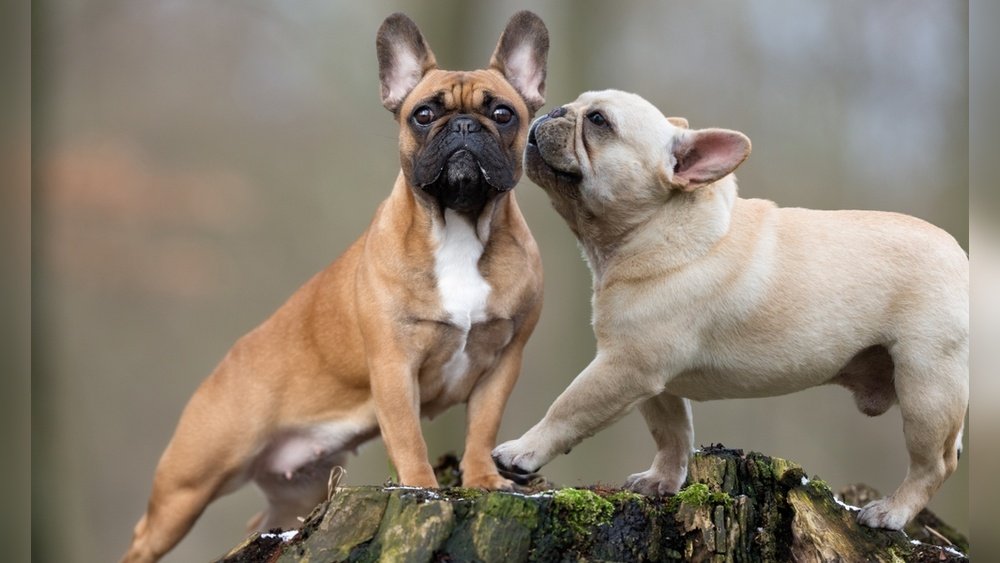

Pugs are one of the most recognizable dog breeds in the world. Their wrinkled faces, big eyes, and curly tails have charmed people for centuries. But a Pug is more than just a cute companion. If you are thinking about bringing a Pug into your life, or just want to understand the breed better, it’s important to look beyond the surface.
This guide covers everything you need to know about Pug temperament, size, and care. You’ll learn the facts, discover what new owners often miss, and get practical advice for living happily with this unique breed.
Pug Breed Overview
Pugs have a long history, originally bred as companions for Chinese emperors over 2,000 years ago. Their friendly nature and compact size quickly made them popular in Europe too, especially among royalty and aristocrats. The American Kennel Club (AKC) officially recognized the Pug in 1885, and today they are consistently among the most popular small breeds.
Pugs belong to the toy group, but their personalities are much bigger than their size. They are often described as “a lot of dog in a small space.” Their looks are instantly recognizable: a short, flat face, deep wrinkles, large expressive eyes, and a tightly curled tail.
Pug Temperament
Understanding the Pug’s temperament is key to knowing if this breed is right for you. Their personality is often a mix of clown and loyal friend.
Friendly And Affectionate
Pugs are known for their affectionate nature. They thrive on human companionship and want to be close to their owners at all times. This makes them ideal for families, singles, and seniors alike. If you’re looking for a dog that wants to cuddle, a Pug is hard to beat.
Sociable But Not Overbearing
A Pug is typically sociable and gets along well with children, other dogs, and even cats if properly introduced. They rarely show aggression and prefer peace. However, their friendliness means they don’t make good guard dogs. Most Pugs will “announce” a visitor with a bark, but quickly switch to greeting mode.
Playful But Not Hyperactive
Pugs enjoy playtime and can be quite silly, but they are not as energetic as some other small breeds like Jack Russells. Their playfulness often comes in short bursts, followed by a nap. This moderate energy level suits urban living and apartments.
Sensitive And In Tune With Owners
One trait many new owners miss is how emotionally sensitive Pugs can be. They often pick up on their owner’s mood and may become anxious if left alone too often. Pugs can be prone to separation anxiety, so they do best with people who can spend a lot of time with them.
Stubborn But Trainable
Pugs are not known for being the easiest breed to train. They can be stubborn and independent-minded, which sometimes leads to slow progress, especially with house training. However, they respond well to positive reinforcement, treats, and praise. Consistency is key.
Notable Quirks
- Snoring and snorting: Their flat faces mean Pugs often make funny noises.
- Food obsession: Pugs love to eat and will try to convince you they are always hungry.
- Lap dogs: They will sit on your lap at any chance, sometimes pushing aside other pets or even laptops.
Physical Characteristics And Size
Pugs are small but sturdy, with a look that is both charming and unmistakable. Understanding their size and build helps you provide the right environment and care.
| Characteristic | Details |
|---|---|
| Height (at shoulder) | 10–13 inches |
| Adult Weight | 14–18 pounds |
| Life Expectancy | 12–15 years |
| Coat | Short, smooth, double coat |
| Colors | Fawn, black, apricot, silver |
| Tail | Tightly curled, often double curl |
Head And Face
The flat, wrinkled face is a Pug’s trademark. Their short muzzle is called “brachycephalic.” This gives them their look but also leads to some health challenges, which we’ll cover later. Their big, round, dark eyes express a lot of emotion.
Body Shape
Pugs are compact but muscular. They are not fragile like some toy breeds. Their chest is broad, and their legs are short but strong.
Coat And Colors
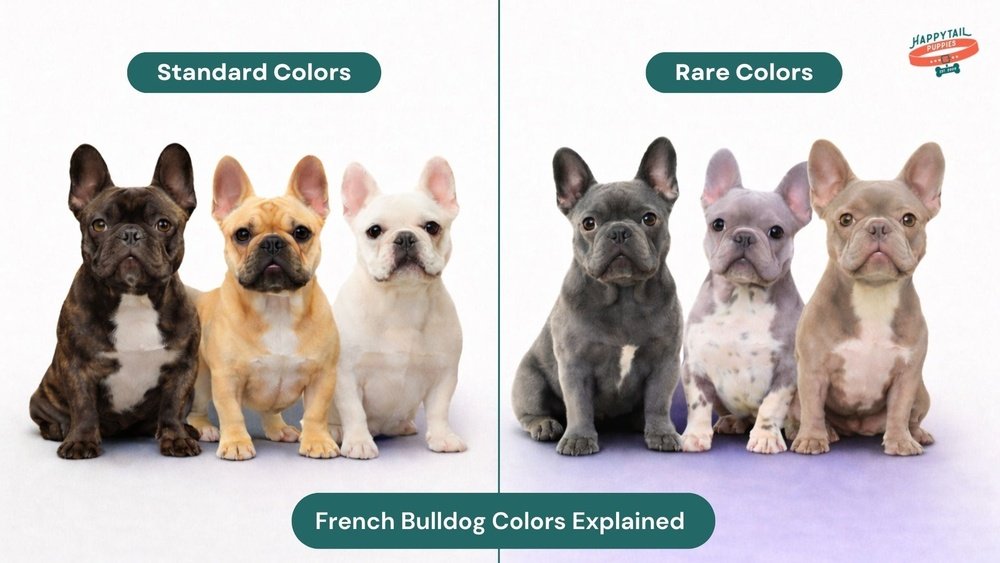
Most Pugs are fawn or black, but you may also see silver or apricot. All have a black mask and ears. The coat is short and lies close to the body, but don’t be fooled—they shed a lot.
Pug Care: Daily Life And Needs
Caring for a Pug is rewarding but requires attention to their unique needs. Here is a breakdown of what it takes to keep your Pug healthy and happy.
Feeding And Diet
Pugs love food, and weight gain is a common issue. Feeding the right amount is essential.
- Adult Pugs: Typically need ½ to 1 cup of high-quality dry food per day, split into two meals.
- Puppies: Require more frequent feeding with puppy-specific formulas.
- Treats: Should be given in moderation due to their tendency to gain weight.
Look for foods with meat as the first ingredient and avoid fillers like corn or soy. Pugs can develop allergies, so watch for signs like itching or digestive upset.
Hidden Insight: Measuring Food With A Kitchen Scale, Not A Scoop, Prevents Accidental Overfeeding—a Common Mistake Among New Pug Owners.
Exercise Needs
Pugs are not high-energy, but they still need daily activity to stay fit.
- Walks: Two short walks (15–20 minutes each) are usually enough.
- Playtime: Indoor games like fetch or tug are good, especially in bad weather.
- Caution: Avoid heavy exercise in hot or humid weather. Pugs overheat easily due to their short nose.
Grooming And Shedding
Pugs shed more than many expect. Their double coat means hair on furniture, clothes, and floors.
- Brushing: Use a rubber grooming mitt or bristle brush 2–3 times a week.
- Bathing: Every 4–6 weeks, or as needed.
- Wrinkle cleaning: Use a damp cloth to clean facial folds to prevent infection.
- Nail trimming: Every 2–3 weeks.
Non-obvious Tip: Cleaning Inside The Tail Curl Is Just As Important As The Face Wrinkles, As Moisture Can Get Trapped And Cause Irritation.
Dental Care
Pugs are prone to dental disease. Small jaws lead to crowded teeth.
- Brush teeth daily with a dog-safe toothpaste.
- Provide dental chews and regular vet checks.
Health And Common Problems
Pugs are generally healthy, but their unique body shape brings some risks. Understanding these helps you spot problems early.
Breathing Problems
Their short muzzle can cause brachycephalic airway syndrome. Symptoms include:
- Noisy breathing
- Snoring
- Exercise intolerance
- Gagging
If your Pug has trouble breathing or collapses, see a vet right away.
Eye Issues
Large eyes are prone to:
- Scratches and ulcers
- Dry eye (keratoconjunctivitis sicca)
- Proptosis (eye popping out after trauma)
Keep an eye (pun intended) on redness, squinting, or discharge.
Skin And Allergies
Wrinkles can trap dirt and moisture, leading to:
- Skin fold dermatitis
- Allergic reactions (itchy skin, chewing paws)
- Demodectic mange (from mites)
Obesity
Because Pugs love to eat but have a slow metabolism, extra weight puts stress on their joints and heart. Obesity is a leading cause of shortened lifespan in Pugs.
Other Health Concerns
- Hip dysplasia: Less common than in large breeds but still possible.
- Luxating patella: Kneecap slips out of place.
- Pug dog encephalitis: A rare but deadly brain disease unique to Pugs.
- Dental problems: Crowded teeth mean more tartar and gum disease.
Vaccinations And Routine Vet Care
Pugs need the same core vaccinations as other breeds (parvo, distemper, rabies, etc.). Regular check-ups are vital for early detection of breathing, dental, and skin issues.
Spaying And Neutering
Unless you plan to breed responsibly, spaying or neutering your Pug helps prevent some cancers and reduces unwanted puppies.
Credit: puppyheaven.com
Training And Socialization
Pugs are clever but can have a stubborn streak. Patience is essential.
House Training
Because Pugs are small and sometimes stubborn, house training can take longer than with other breeds. Use crate training and take your dog out frequently, especially after eating or waking up.
Basic Commands
Teach “sit,” “stay,” “come,” and “leave it” using positive reinforcement. Pugs respond best to treats and praise. Avoid harsh corrections—they can get their feelings hurt easily.
Socialization
Expose your Pug puppy to new people, pets, sounds, and places. Well-socialized Pugs are more relaxed and less likely to develop anxiety or aggression.
Uncommon Insight: Pugs Often Benefit From Group Puppy Classes, Not Just For Obedience, But Because Positive Exposure To Other Dogs Helps Prevent “small Dog Syndrome.”
Crate Training
Crate training helps with housebreaking and provides a safe space. Choose a crate large enough for your Pug to stand, turn, and lie down, but not so big they can use one end as a bathroom.
Living With A Pug: Home And Lifestyle Considerations
Pugs adapt well to most living situations, but their comfort depends on a few key factors.
Apartment Or House?
Pugs thrive in apartments or houses. They do not need a yard, but appreciate a secure space to explore. They are not escape artists, but always supervise outdoor time.
Family, Kids, And Other Pets
Pugs are great with children. Their sturdy build means they can handle gentle play, but always supervise interactions with very young kids. Pugs usually get along with other dogs and cats, especially if raised together.
Time Alone
Pugs are happiest when with their humans. If left alone for long periods, they may develop separation anxiety—which can lead to barking, chewing, or accidents. If you work long hours, consider doggy daycare, a pet sitter, or a second pet for company.
Travel
Pugs can travel, but their breathing makes flying risky. Airlines may restrict brachycephalic breeds in the cargo hold, especially in hot weather. Car travel is usually safe with proper restraints and air conditioning.
Weather Sensitivity
Pugs are very sensitive to extreme temperatures.
- Heat: Pugs can overheat quickly; always provide shade and water, avoid midday walks in summer, and use air conditioning indoors.
- Cold: Pugs can chill easily due to their short coat; consider a dog sweater in winter.
Pug Lifespan And Aging
With proper care, Pugs live 12–15 years, though some reach 16 or more. As they age, their needs change.
Senior Pug Care
Older Pugs often develop arthritis, vision or hearing loss, and may become less active. Watch for:
- Slower movement or reluctance to jump
- Cloudy eyes
- Increased sleeping
Switch to senior dog food, keep walks gentle, and make vet visits more frequent.
Quality Of Life
Pugs are known to stay playful into old age. Providing mental stimulation—like puzzle toys or gentle training—keeps their minds sharp.
Pugs And Children
Many families choose Pugs because they are patient and gentle with children. Their small size means less risk of knocking over a child, but they are sturdy enough for play. Teach children to treat the Pug with respect—no pulling ears or tail, and always supervise.
Pugs And Other Pets
Pugs are generally peaceful with other animals. They may try to play with bigger dogs, not realizing their own size. Cat owners find Pugs adapt well, though they may chase at first out of curiosity, not aggression.
Adoption And Buying Tips
If you’ve decided a Pug is right for you, it’s important to find a healthy, well-bred dog.
Rescue Vs. Breeder
- Rescue: Many Pugs need homes through rescue groups. Adoption can be rewarding and is often less expensive.
- Breeder: If buying a puppy, choose a reputable breeder who screens for genetic health issues. Avoid “puppy mills” and online ads with no background checks.
What To Ask A Breeder
- Health certificates for parents (especially for breathing, eyes, hips)
- Vaccination and deworming records
- Socialization and early training practices
Red Flags
- Puppies always available, many breeds sold
- No proof of health testing
- Dirty conditions or sickly puppies
For a list of responsible breeders and rescue groups, visit the American Kennel Club.
Cost Breakdown
Owning a Pug is a long-term investment.
| Expense | Approximate Cost (USD) | Frequency |
|---|---|---|
| Puppy Purchase | $1,200–$2,500 | One time |
| Adoption Fee | $300–$600 | One time |
| Annual Vet Visits | $200–$400 | Yearly |
| Food | $250–$400 | Yearly |
| Grooming Supplies | $50–$100 | Yearly |
| Pet Insurance | $300–$600 | Yearly |
| Miscellaneous (toys, bed, crate, etc.) | $100–$200 | Yearly |
Pug Myths And Realities
There are many myths about Pugs. Let’s clear up a few:
- Myth: Pugs can’t exercise at all.
Reality: They need daily walks but should avoid heat and long runs.
- Myth: Pugs are always lazy.
Reality: They love to play but also enjoy naps.
- Myth: All Pugs snore loudly.
Reality: Most do, but some are quieter than others.
- Myth: Pugs are good for people with allergies.
Reality: Pugs shed a lot and are not hypoallergenic.
Choosing The Right Pug For You
Not every Pug is the same. Consider these factors when choosing a dog:
Puppy Or Adult?
- Puppy: More work in training, but you shape their behavior.
- Adult: Personality is already developed; easier to assess energy level and temperament.
Male Or Female?
There’s little difference in temperament between male and female Pugs. Some owners report males are more affectionate, females more independent, but every dog is unique.
Health And Background
Ask for health screening results, especially for breathing and eye issues. A reputable source will answer all your questions and let you meet the puppy’s parents.
Preparing Your Home
Before bringing your Pug home, prepare:
- Safe space: Crate, bed, and food/water area
- Baby gates: To block stairs or unsafe rooms
- Chew toys: For teething puppies
- Wrinkle wipes: For daily cleaning
- Food and treats: Appropriate for age and health
Common Mistakes First-time Owners Make
- Overfeeding: Pugs are experts at begging. Stick to measured portions.
- Ignoring wrinkles: Dirty folds lead to infections.
- Not training early: Even small dogs need rules.
- Forgetting dental care: Dental issues can become expensive fast.
- Pushing exercise in heat: Always watch for signs of overheating.
- Leaving alone too long: Pugs need company to be happy.

Credit: www.countryliving.com
Fun Facts About Pugs
- Pugs were the official dog of the House of Orange in the Netherlands.
- Napoleon’s wife, Josephine, had a Pug named Fortune who carried secret messages.
- The collective noun for a group of Pugs is a “grumble.”
Frequently Asked Questions
What Makes Pugs Different From Other Small Breeds?
Pugs are known for their unique looks, playful but calm personality, and strong desire to be with their owners. Unlike some small dogs, they are rarely yappy and are more tolerant of children and other pets.
Are Pugs High Maintenance?
Pugs need regular grooming, daily wrinkle cleaning, and careful attention to their diet and breathing. While not as demanding as some breeds, they require more maintenance than their small size suggests.
Can Pugs Be Left Alone During The Workday?
Pugs can manage being alone for a few hours, but long periods alone can lead to separation anxiety. If you work full-time, consider hiring a dog walker or arranging for a pet sitter.
How Can I Help My Pug Lose Weight?
Feed a measured amount of quality food, limit treats, and provide daily walks and playtime. Consult your vet before changing your Pug’s diet, as fast weight loss can be dangerous.
Are Pugs Good For First-time Dog Owners?
Yes, if you are ready for their unique needs. Pugs are loving and adaptable, but require consistent care, training, and attention to health.
Bringing a Pug into your life means inviting a loyal, funny, and affectionate friend into your home. With the right care and understanding, your Pug will be a beloved member of your family for many years. Whether you live in a city apartment or a country home, the Pug’s adaptable nature, big personality, and loving heart make them a truly special companion.
If you’re ready to commit to their needs, you’ll find there’s nothing quite like life with a Pug.

Credit: www.amazon.com
We’re the dedicated team behind MyPawSafe.com, with over a decade of combined experience in veterinary care, pet emergency response, and animal behavior. While we prefer to let our work speak for itself, our mission is clear: to provide science-backed, vet-approved advice that helps pet owners prevent accidents and save lives.