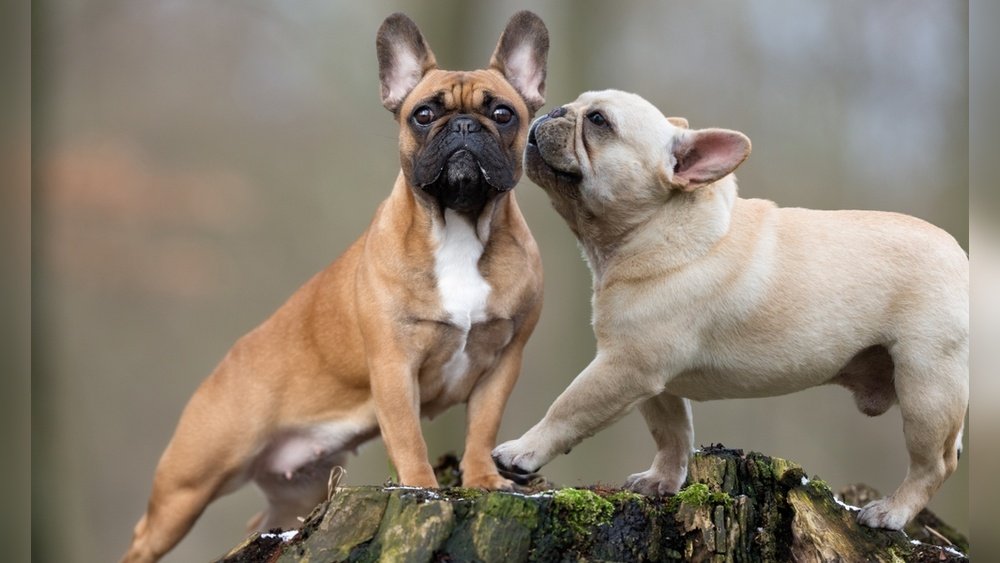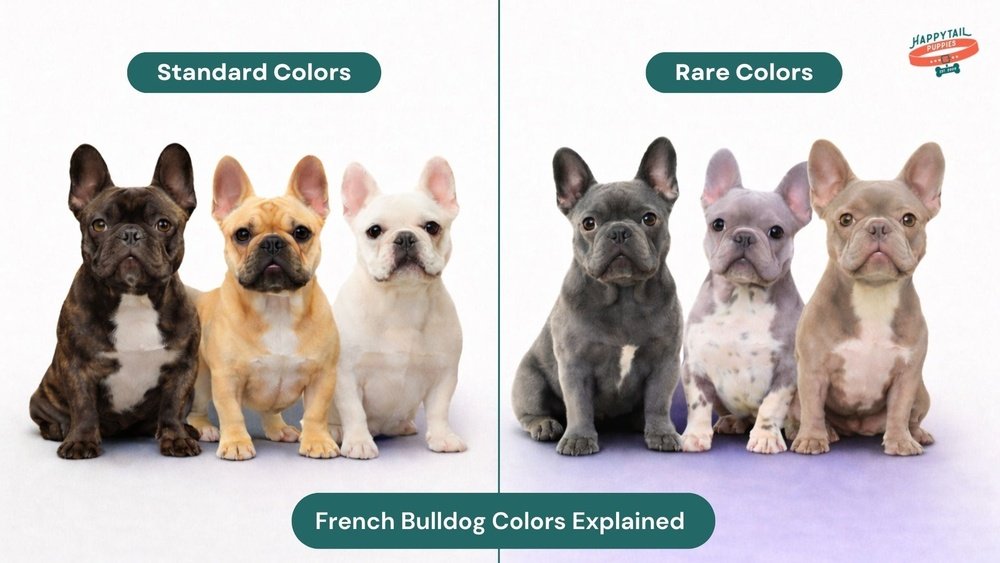
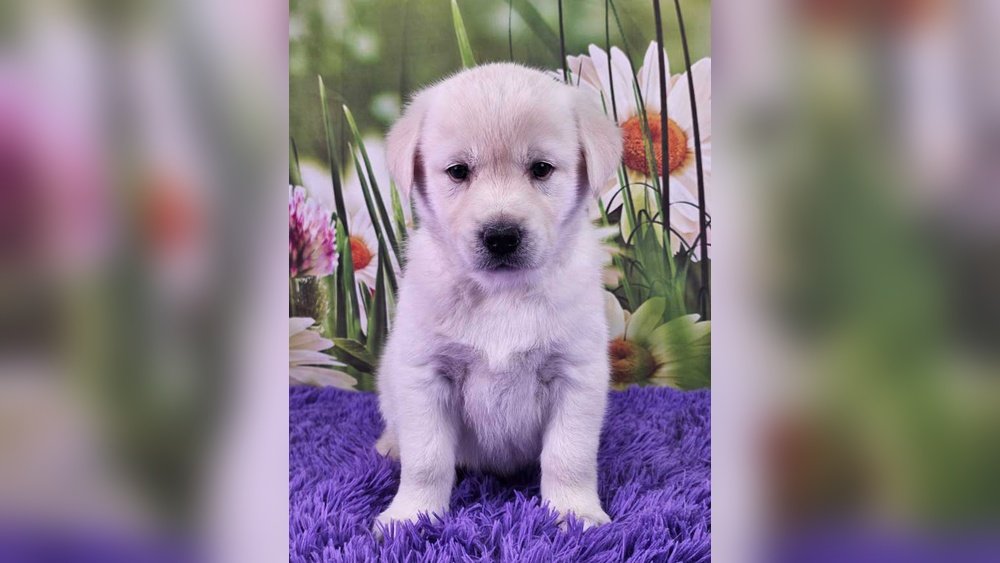
Few mixed breeds are as fascinating as the Labrador Husky Mix, also known as the Huskador. This energetic, intelligent dog blends two famous breeds: the loyal Labrador Retriever and the adventurous Siberian Husky. Huskadors are quickly gaining popularity among families, outdoor lovers, and anyone who wants a smart, friendly companion. But is the Huskador the right dog for you? In this guide, you’ll discover everything you need to know—temperament, care needs, training tips, health risks, and even real-life examples. By the end, you’ll feel confident about what it’s like to live with a Huskador and how to give them a happy, healthy life.
What Is A Huskador?
A Huskador is a crossbreed between a Labrador Retriever and a Siberian Husky. Unlike purebred dogs, Huskadors are designer dogs—bred for their friendly personality, athletic ability, and adaptability. They’re not recognized as a pure breed by major kennel clubs, but their traits are well-known among dog owners.
Origins And History
The Labrador Retriever comes from Newfoundland, Canada, and is famous for its gentle nature and skill as a hunting dog. The breed was used to retrieve fish and nets for fishermen, and their love for water and strong swimming skills still show today.
The Siberian Husky originated in Siberia, Russia, and was bred for pulling sleds over long distances in harsh conditions. Huskies were prized by the Chukchi people for their endurance and ability to survive cold climates.
The combination of these two breeds started in the late 1990s in North America, as breeders wanted a dog with the Labrador’s loyalty and the Husky’s stamina. The goal was to create a companion that could handle outdoor adventures but still fit into a family lifestyle.
While the Huskador is not an old crossbreed, it quickly became popular among those looking for a smart, active dog with a loving nature.
Appearance
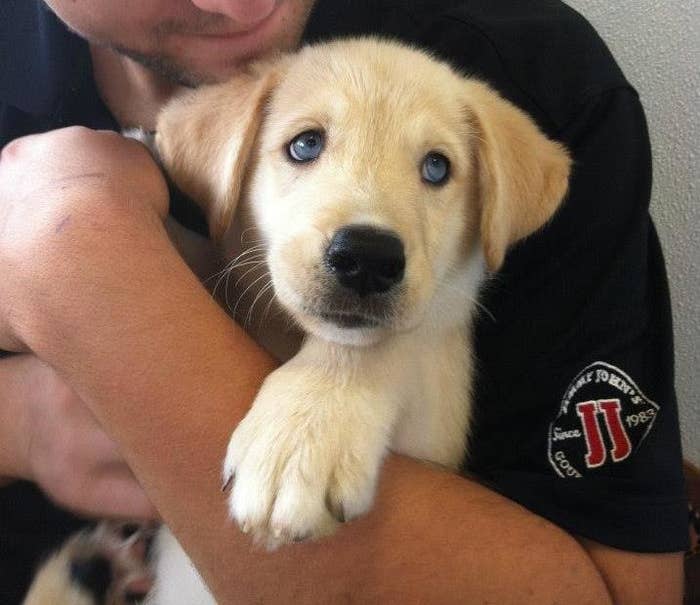
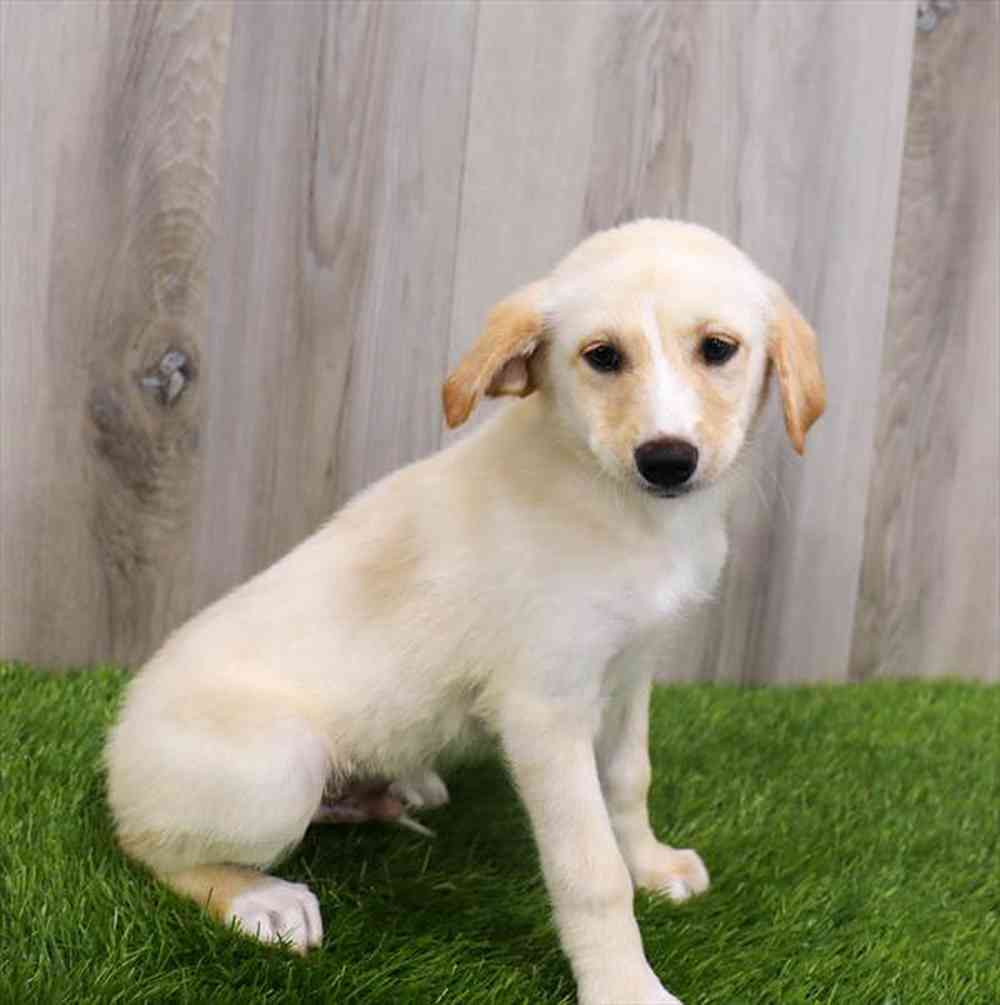
Huskadors can look quite different, even within the same litter. Some have the Husky’s blue eyes and wolf-like face, while others show the Labrador’s softer features. There is often no way to predict exactly how a Huskador puppy will look as an adult, which adds to their appeal for many dog lovers. Common traits include:
- Medium to large size, making them suitable for families who want a sturdy, active pet.
- Athletic, muscular body, which helps with running, jumping, and playing.
- Thick double coat (short or medium length) that protects them in both cold and warm weather. The coat can be straight or slightly wavy.
- Ears that can be floppy, upright, or sometimes one of each, giving them a unique and expressive look.
- Eye color: Brown, blue, or mixed (heterochromia). The striking eye colors are especially common in Huskadors with a strong Husky influence.
Most Huskadors weigh between 45–75 pounds and stand 20–25 inches tall at the shoulder. Females are usually on the lighter and shorter side, while males tend to be larger and heavier. Their size makes them less suitable for very small living spaces but ideal for active owners.
Huskador Temperament And Personality
The Huskador is known for its friendly and intelligent personality. Owners often describe them as playful, loyal, and eager to please. However, their temperament can vary depending on which parent breed is dominant. For example, a Huskador that takes after the Labrador parent may be more laid-back and gentle, while one that is more Husky-like might show higher energy and an independent streak.
Social Behavior
Huskadors usually get along well with children, adults, and other pets. They’re very social and dislike being left alone for long periods. This social nature means they often want to be part of all family activities—whether it’s a walk in the park, a car ride, or simply relaxing in the living room.
If not properly trained, they may develop separation anxiety or destructive behavior. This can show as chewing furniture, barking, or trying to escape when left alone.
Huskadors are also known to greet guests with enthusiasm. While this makes them poor guard dogs (they are more likely to lick an intruder than attack), it’s great for families who want a welcoming pet.
Energy Levels
Both parent breeds are energetic, so Huskadors need lots of exercise. They love running, hiking, swimming, and playing fetch. If you have a small apartment and little time for walks, a Huskador might not be the best choice. These dogs do best when they have a daily routine that includes time outdoors and activities that allow them to use their energy.
A bored Huskador can quickly develop bad habits, such as digging holes in the garden or chewing on shoes. They also benefit from having a job or task, even if it’s as simple as carrying a backpack during walks. This helps them feel useful and keeps their mind engaged.
Intelligence
Huskadors are very smart. They respond well to training and can learn many commands quickly. But their intelligence also means they get bored easily. Without mental stimulation, they may dig, chew, or escape the yard.
Their intelligence means they often pick up new tricks and commands faster than many other breeds. This makes them excellent candidates for dog sports, agility training, or even service work. However, it’s important to challenge their minds with new activities and puzzles, or they may invent their own (often unwanted) games.
Non-obvious Insights
- Huskadors are often escape artists. They can open gates, jump fences, or dig under barriers. Owners need secure yards and constant supervision. Some Huskadors have even been known to figure out how to open doors or unlatch gates, so investing in secure fencing and locks is important.
- Unlike some other breeds, Huskadors may show stubbornness—especially if the Husky side is strong. Positive reinforcement and consistent routines are crucial. If you give in to their demands (such as giving treats to stop barking), they will remember and repeat the behavior. Consistency is key to good manners.
Credit: www.infinibandta.org
Physical Traits And Comparison
Huskadors can inherit a mix of physical features from their parents. Below is a side-by-side comparison of the typical traits:
| Trait | Huskador | Labrador Retriever | Siberian Husky |
|---|---|---|---|
| Size | Medium-Large (45–75 lbs) | Large (55–80 lbs) | Medium (35–60 lbs) |
| Coat | Double, short-medium | Short, dense | Medium, thick |
| Eye Color | Brown, blue, mixed | Brown | Blue, brown, mixed |
| Ears | Floppy or upright | Floppy | Upright |
| Tail | Curved or straight | Straight, thick | Curved, bushy |
Some Huskadors also inherit the Husky’s famous “mask” markings on their face, while others are solid-colored like a Labrador. Their coat colors can range from black, chocolate, yellow, gray, to white and even mixed patterns. Shedding is common, so be prepared for dog hair on clothes and furniture.
Huskador Care: Feeding, Grooming, And Health
Caring for a Huskador takes dedication. They have specific needs because of their mixed heritage.
Feeding
Huskadors need a balanced diet to support their high energy. Adult Huskadors usually eat 2–3 cups of quality dry dog food per day, split into two meals. Look for food with:
- High protein (meat as the first ingredient)
- Moderate fat content
- Omega-3 fatty acids for a healthy coat
Avoid foods with fillers like corn and soy. Puppies may need extra calories and nutrients, so ask your vet for guidance.
Feeding tips:
- Measure their food carefully to prevent overeating. Huskadors love to eat and can easily gain weight.
- Consider their activity level. Very active Huskadors may need more food, while less active ones should have fewer calories.
- Fresh water should always be available.
- Some Huskadors can have food sensitivities, especially if they inherit the Labrador’s tendency for allergies. If you notice itching, ear infections, or stomach upset, ask your vet about trying a limited-ingredient or grain-free diet.
Grooming
Huskadors shed year-round, with heavy shedding twice a year. Regular grooming keeps their coat healthy and reduces loose hair.
- Brush 2–3 times per week with a slicker brush or deshedding tool. During shedding season (spring and fall), daily brushing is best.
- Bathe every 2–3 months (more often if dirty), using a gentle dog shampoo. Over-bathing can dry their skin.
- Check ears weekly for signs of infection (redness, odor, or discharge), since floppy ears can trap moisture.
- Trim nails monthly to keep feet healthy and prevent pain when walking.
- Brush teeth several times per week to prevent dental disease.
Some Huskadors have sensitive skin. Use mild shampoos and avoid harsh chemicals. If you notice dandruff or red spots, talk to your vet about possible allergies.
Health
Huskadors are generally healthy, but they can inherit issues from both parent breeds. Common health problems include:
- Hip dysplasia: Malformation of the hip joint, which can cause pain and arthritis. Keeping your dog at a healthy weight and providing joint supplements may help.
- Eye problems (cataracts, PRA): Regular eye checks are important, especially for older Huskadors.
- Allergies: Can cause itchy skin, ear infections, or upset stomach. Identifying and avoiding triggers is important.
- Obesity: Due to their love of food, Huskadors are at risk for weight gain. Regular exercise and portion control are important.
- Epilepsy: Rare, but some Huskadors may have seizures. Medication can often control symptoms.
Average lifespan: 12–15 years. Regular vet checkups and vaccinations are essential. Early detection of problems leads to better outcomes.
Data Table: Huskador Health Risks
| Health Issue | Risk Level | Prevention/Treatment |
|---|---|---|
| Hip Dysplasia | Medium-High | Healthy diet, exercise, vet checks |
| Eye Disorders | Medium | Regular eye exams, early detection |
| Allergies | Medium | Special diet, medication |
| Obesity | High | Controlled feeding, activity |
| Epilepsy | Low-Medium | Medication, vet monitoring |
One detail many owners overlook: Huskadors can be sensitive to anesthesia. Tell your vet before any surgical procedure, including spay/neuter or teeth cleaning.
Training Your Huskador
Training a Huskador is both rewarding and challenging. Their intelligence helps, but their Husky side can show stubbornness.
Basic Commands
Start with simple commands: sit, stay, come, down, and heel. Use positive reinforcement—treats, praise, and play. Training should be short (5–10 minutes) but frequent. End on a positive note to keep your dog motivated.
Huskadors learn quickly, but sometimes they try to outsmart their owners. If your Huskador ignores a command, stay calm and repeat with the same cue. Don’t give in to whining or barking.
Socialization
Introduce your Huskador to different people, animals, and environments early. This prevents fearfulness and aggression. Visits to parks, busy streets, and pet-friendly shops help build confidence. Puppy classes are a great way to start socialization in a controlled setting.
Expose your Huskador to various sounds and experiences, such as car rides, vacuum cleaners, and friendly strangers. The more positive experiences they have, the better they handle new situations as adults.
Advanced Training
Many Huskadors excel in agility, tracking, and service dog tasks. Mental stimulation is as important as physical exercise. Teach them to find objects, run obstacle courses, or even learn scent games. Training for therapy work or advanced obedience can give them a sense of purpose.
A less obvious tip: Huskadors often love water and may enjoy dock diving or swimming lessons. Activities that mix physical and mental challenge are ideal.
Common Mistakes
- Inconsistent routines: Huskadors need structure. Changing routines can confuse them. Feed, walk, and train at the same times each day.
- Punishment-based training: This can cause fear or aggression. Use rewards instead. Huskadors respond best to positive methods.
- Too little exercise: Huskadors act out if bored or under-exercised. Behavioral issues like barking, chewing, or digging are usually signs they need more activity.
Real-life Example
A Huskador named Luna struggled with leash pulling. Her owner used consistent training and rewards, and Luna learned to walk calmly within three weeks. The owner also added daily runs, which helped burn Luna’s energy.
Another owner, Tom, noticed his Huskador, Jasper, was chewing furniture while alone. By increasing walks, adding puzzle toys, and crate training, Jasper became calmer and more relaxed at home. This shows that behavioral issues are often solved by meeting both mental and physical needs.
Huskador Exercise Needs
These dogs need plenty of physical and mental activity. Not meeting their needs can lead to behavioral problems.
Physical Exercise
Aim for 60–90 minutes of activity daily. Good options:
- Long walks or runs (at least 2–3 miles if possible)
- Hiking on trails, which lets them explore new smells and sights
- Fetch games in a large yard or dog park
- Swimming, especially if your Huskador loves water
Many Huskadors enjoy activities like canicross (running with your dog on a harness) or biking together (using a safe bike leash). These high-energy sports are perfect for this mix.
Mental Stimulation
Puzzle toys, training sessions, and new experiences keep Huskadors sharp. Hide treats, teach new tricks, or let them explore safe areas. Interactive toys or treat-dispensing balls are great for keeping them busy when you’re not home.
Huskadors also enjoy learning names of their toys, playing hide-and-seek, or practicing scent work. Rotating toys every few days can keep things interesting and prevent boredom.
Non-obvious Insight
Some Huskadors prefer cold weather and may struggle in hot climates. Adjust exercise routines based on the season. In summer, walk early in the morning or late evening, provide fresh water, and avoid hot pavement. Watch for signs of heat stress: heavy panting, drooling, or slowing down. Huskadors with thick coats may need to be trimmed or brushed more in hot months.
Living With A Huskador: Home And Family Life
Huskadors are happiest in homes with space to play and owners who spend time with them. But they can adapt to many living situations.
Home Environment
- Best in houses with fenced yards, so they can run and play safely.
- Apartment life is possible with enough exercise, but not ideal. If you live in an apartment, consider hiring a dog walker or taking your Huskador to doggy daycare.
- Secure fencing is a must—many Huskadors try to escape. Fences should be at least 6 feet tall, and check for any digging spots at the bottom.
Huskadors enjoy having their own space, like a comfy bed or crate, where they can relax and feel safe. Set up a quiet corner with toys and a water bowl.
Family Compatibility
Huskadors are great with kids. They rarely show aggression and love playing. Supervise young children, as Huskadors may accidentally knock them over. Teach kids to respect the dog’s space, especially while eating or sleeping.
Huskadors thrive in active families who involve the dog in outings, games, and daily routines. They often become deeply attached to their family members and may follow them from room to room.
Other Pets
Most Huskadors get along well with other dogs. Early socialization helps prevent chasing or dominance issues. Introduce new pets slowly and supervise the first meetings.
Cats and smaller animals may need careful introduction. Huskadors can have a strong prey drive, especially from the Husky side. Use leashes and barriers at first, and never leave them unsupervised until you’re sure everyone is safe.
Huskador Puppies: What To Expect
Getting a Huskador puppy is exciting, but there are unique challenges.
Choosing A Puppy
Look for reputable breeders who screen for health issues. Meet the puppy’s parents if possible. Avoid puppy mills and online sellers with little information. A good breeder will answer your questions, show health certificates, and let you see where the puppies are raised.
Ask if the puppies have been socialized with people, noises, and other dogs. Early experiences shape their future behavior.
Early Care
- Feed high-quality puppy food, suited for large breeds. Puppies have different nutritional needs than adults.
- Schedule vaccinations and vet checks. Follow your vet’s schedule for shots, worming, and flea prevention.
- Begin socialization and basic training. Handle your puppy gently, introduce new things, and start teaching simple commands.
Give your puppy a safe, quiet space to sleep. Puppies need lots of rest to grow healthy and strong.
Growth And Development
Huskador puppies grow quickly. They reach adult size by 12–18 months. Early training sets the stage for good behavior later. Expect teething between 3–6 months, which may lead to chewing.
Be patient—Huskador puppies can be clumsy and excitable. Gentle correction and positive reinforcement work best.
Data Table: Huskador Puppy Milestones
| Age | Milestone | Care Tips |
|---|---|---|
| 8 weeks | First vaccinations | Vet visit, gentle training |
| 12 weeks | Socialization begins | Introduce to new people/places |
| 6 months | Rapid growth | Adjust diet, increase exercise |
| 12 months | Near adult size | Advanced training, regular vet checks |
Expect changes in coat color and texture as your puppy grows. Some Huskadors develop their adult markings or eye color only after several months.

Credit: www.youtube.com
How To Choose A Huskador: Buyer’s Guide
If you’re considering a Huskador, here’s what matters most.
Key Factors
- Lifestyle fit: Huskadors need active owners. If you love the outdoors and want a companion for hikes and runs, this breed is a good match.
- Space: Fenced yard is ideal. Huskadors do best with room to move and play.
- Time: Daily exercise and training are a must. These dogs are not happy if left alone all day.
- Budget: Huskadors need good food, vet care, and grooming. Unexpected costs like emergency vet visits can happen.
- Health: Ask breeders about genetic testing. Responsible breeders screen for common diseases and share health records.
Common Buyer Mistakes
- Choosing based on looks alone: Appearance varies, and personality is more important.
- Ignoring exercise needs: Underestimating their energy can lead to frustration for both dog and owner.
- Buying from untrustworthy sources: Avoid breeders who won’t answer questions or show health papers.
Practical Tips
- Visit breeders or shelters in person. Meeting the puppies and parents gives you a better idea of temperament.
- Ask about the puppy’s parents and health history.
- Prepare your home before bringing the puppy home. Set up a bed, crate, and toys.
A non-obvious tip: Check for local breed-specific rescues. Sometimes young Huskadors need new homes due to owners not understanding their needs.
Huskador Costs: Ownership Expenses
Owning a Huskador costs more than just the purchase price. Here’s what to expect:
Initial Costs
- Purchase/adoption: $300–$1,200 depending on breeder and region.
- Initial vet care: $150–$300 for exams, vaccines, and microchipping.
- Supplies (bed, leash, crate, toys): $200–$400. Don’t forget training treats and grooming tools.
Annual Costs
- Food: $400–$600 (larger dogs eat more, quality food costs more).
- Vet checkups: $250–$500, including annual vaccines and routine care.
- Grooming: $100–$200 for brushes, shampoos, or professional grooming.
- Training classes: $150–$300, especially helpful for first-time owners.
Unexpected costs (emergencies, special diets) can add up. Planning ahead is smart. Pet insurance can help with expensive medical bills, but check what is covered.
A Huskador may also need boarding or dog-walking services if you travel or work long hours.
Huskador Adoption And Rescue
Not every Huskador is bought from breeders. Many end up in shelters or rescue groups.
Why Adopt?
- Lower cost: Adoption fees are usually less than buying from a breeder.
- Often includes vaccinations and spay/neuter.
- Gives a dog a second chance at a loving home.
Adopting an older Huskador can also mean skipping the puppy stage. Many adult dogs are already house-trained and know basic commands.
How To Find Huskadors
Check local shelters, breed-specific rescues, and online adoption platforms. Use search terms like “Huskador,” “Labrador Husky Mix,” or check with Labrador and Husky rescue groups. Ask about temperament, health, and background.
Visit the dog in person if possible. Spend time together to see if your personalities match.
Non-obvious Insight
Some adopted Huskadors may need extra patience. They might have anxiety or behavior issues from past experiences, but with love and training, they can thrive. Rescue dogs often become the most loyal companions, grateful for a second chance.
Huskador Health And Genetic Testing
Good breeders test for genetic health issues. Ask for proof of testing for:
- Hip dysplasia
- Eye diseases
- Exercise-induced collapse
This reduces the risk of expensive health problems later. Don’t be shy about asking breeders for test results and vaccination records.
For more information about genetic health in dogs, you can visit AKC Genetic Testing Guide.
Credit: www.infinibandta.org
Huskador: Pros And Cons
Every breed has strengths and weaknesses. Here’s a quick summary:
Pros
- Friendly and loving: Great for families, kids, and other pets.
- Intelligent and trainable: Quick learners, enjoy new challenges.
- Good with families and other pets: Rarely aggressive, love company.
- Energetic and playful: Perfect for active people.
Huskadors also make excellent adventure partners, whether it’s camping, running, or just exploring new places.
Cons
- Needs lots of exercise: Not ideal for low-energy owners.
- Heavy shedding: Requires regular grooming.
- Can be stubborn: Especially if the Husky side is strong.
- May try to escape fenced areas: Secure fencing is a must.
Understanding these helps you decide if a Huskador fits your life. They thrive with owners who want to include their dog in daily activities.
Huskador In Real Life: Stories And Examples
Many Huskador owners share stories of their dogs’ loyalty, intelligence, and quirks.
- A Huskador named Max saved his owner from a fall by alerting neighbors. Max’s quick thinking came from his alertness and strong bond with his family.
- Bella, a Huskador in Colorado, loves hiking and has climbed several mountains with her family. Her stamina and love for the outdoors make her the perfect companion for active adventures.
- Oreo, a rescue Huskador, overcame anxiety with patience and now volunteers as a therapy dog. His gentle nature and intelligence make him popular at hospitals and schools.
Another Huskador, Daisy, helps her owner with everyday tasks after training as an assistance dog. Her mix of loyalty and smarts makes her a reliable helper.
These examples show Huskadors can be more than pets—they’re companions for life.
Frequently Asked Questions
What Is The Average Lifespan Of A Huskador?
Huskadors usually live 12–15 years, depending on genetics, diet, and exercise. Good care and regular vet visits help them stay healthy.
Are Huskadors Good With Children?
Yes, Huskadors are known for being gentle and playful with kids. Always supervise playtime, especially with young children, to prevent accidents.
How Much Exercise Does A Huskador Need?
Huskadors need 60–90 minutes of activity every day. This can include walks, runs, playtime, and mental games. Without enough exercise, they may become bored and destructive.
Do Huskadors Shed A Lot?
Yes, Huskadors shed heavily, especially during spring and fall. Regular brushing and grooming help manage shedding and keep their coat healthy.
Can Huskadors Live In Apartments?
It’s possible, but not ideal. Huskadors need space and daily activity. If you live in an apartment, make sure you can give them enough walks and playtime.
Caring for a Huskador means embracing their energy, intelligence, and love for adventure. If you’re ready for an active, loyal companion, the Huskador might be your perfect match. With the right care, training, and attention, these dogs will reward you with years of joy, fun, and friendship.
We’re the dedicated team behind MyPawSafe.com, with over a decade of combined experience in veterinary care, pet emergency response, and animal behavior. While we prefer to let our work speak for itself, our mission is clear: to provide science-backed, vet-approved advice that helps pet owners prevent accidents and save lives.