The Afghan Hound: Complete Guide To Temperament, Size, And Care
With a long, silky coat and an elegant, almost regal appearance, the Afghan Hound has fascinated dog lovers for centuries. But there’s much more to this ancient breed than meets the eye. Behind the beauty lies a unique personality, a history that stretches back thousands of years, and care needs that are different from most other breeds. Whether you’re thinking about welcoming an Afghan Hound into your home or simply want to know more about them, this guide covers everything you need to understand their temperament, size, and care requirements.
The Origin And History Of The Afghan Hound
The Afghan Hound has roots that reach deep into history. This breed is believed to have originated in the mountains and deserts of Afghanistan, where their speed and agility made them skilled hunters. Afghan royalty and nomads relied on these dogs to chase and catch game such as deer, hares, and even leopards. Their thick, flowing coats protected them from harsh climates and rugged terrain.
In the early 20th century, British soldiers stationed in Afghanistan brought these dogs to England. The breed quickly gained fame for its striking looks and graceful movement. By the 1920s and 1930s, Afghan Hounds were appearing at dog shows in Europe and North America.
Today, they are admired both as show dogs and as companions, but their independent spirit and unique needs mean they are not for everyone.
Physical Characteristics And Size
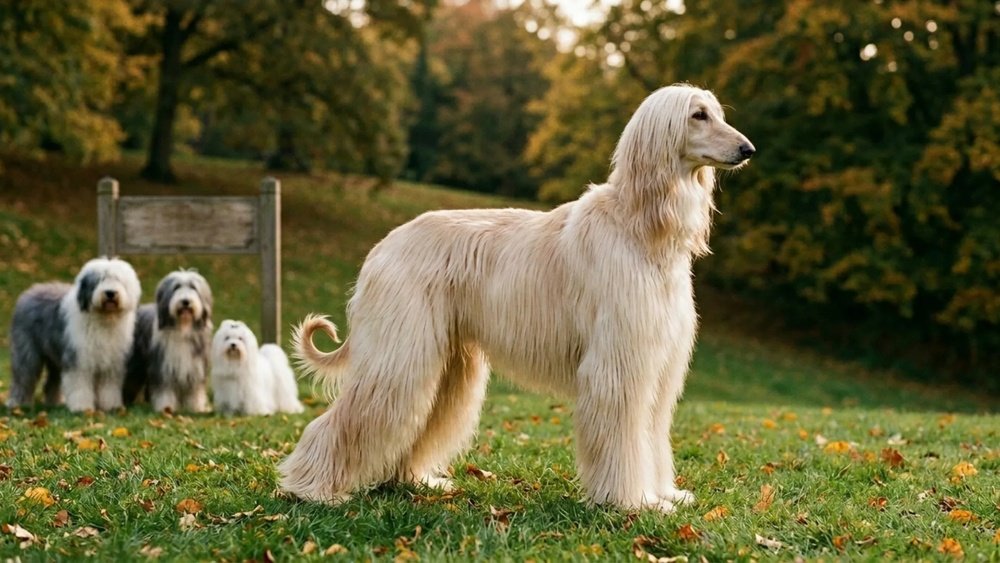
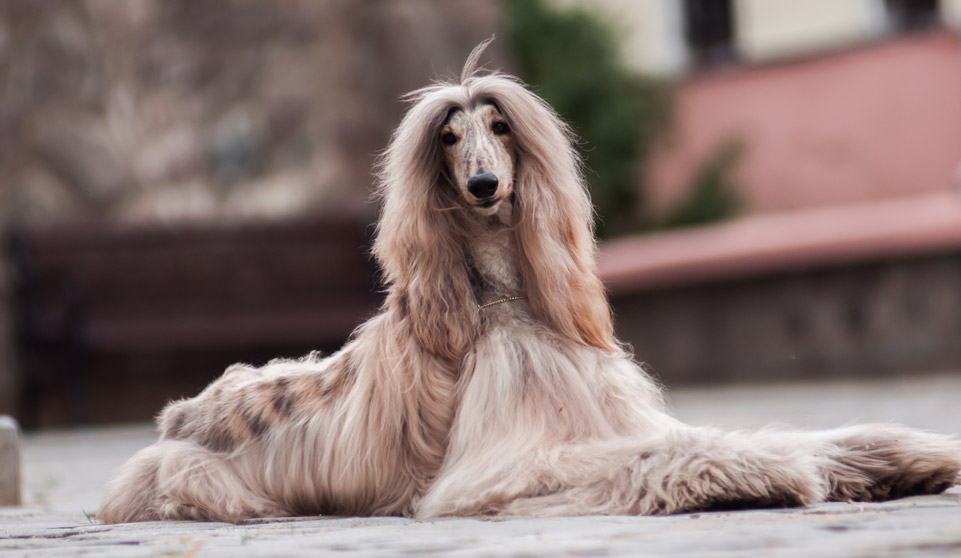
At first glance, the Afghan Hound is impossible to mistake for any other breed. Their luxurious coat and proud carriage make them stand out in any crowd. But they are not just about good looks—their physical build reflects their purpose as a sighthound.
| Characteristic | Male Afghan Hound | Female Afghan Hound |
|---|---|---|
| Height (shoulder) | 27–29 inches (69–74 cm) | 25–27 inches (63–69 cm) |
| Weight | 55–65 lbs (25–29 kg) | 45–55 lbs (20–25 kg) |
| Coat length | Long, fine, silky | |
| Average lifespan | 12–15 years | |
Coat And Colors
The Afghan Hound’s coat is its crowning glory. Long, straight, and silky, it drapes over the body, with shorter hair on the face and back. The breed comes in many colors, including black, cream, red, blue, brindle, and combinations with white markings.
Their coat helped protect them from the cold nights and hot days of Afghanistan’s mountainous terrain.
Body Structure
These dogs are tall and lean, built for speed and stamina. With a deep chest, narrow waist, and long legs, Afghan Hounds can reach high speeds when running, similar to greyhounds. Their large paws act like snowshoes, helping them move easily over rough ground.
Temperament: What Is The Afghan Hound Really Like?
The Afghan Hound’s appearance suggests nobility and grace, but what about its personality? Living with an Afghan Hound is very different from living with a Labrador or a Golden Retriever. Their temperament is a blend of independence, intelligence, and sensitivity.
Independent Thinkers
Afghan Hounds are famous for their independent nature. This comes from their history as hunters who had to make decisions on their own. They often seem aloof or reserved, especially with strangers. But with their family, they can be affectionate and even playful.
Sensitive And Gentle
Despite their independence, Afghan Hounds are very sensitive. They respond best to gentle handling and positive reinforcement. Harsh training methods can make them withdraw or lose trust. With the right approach, they form strong bonds with their owners and enjoy being part of the family.
Playful Side
Many people are surprised by the Afghan Hound’s sense of humor. They can be silly and playful, especially as puppies. They enjoy running, chasing, and even playing games with family members. However, their play style may seem less enthusiastic compared to more energetic breeds.
Aloof With Strangers
Afghan Hounds tend to be reserved around new people. They rarely show aggression, but they may ignore or avoid strangers until they feel comfortable. Socialization from an early age helps them become more confident in different situations.
Not Natural Obedience Champions
Unlike breeds bred for close work with humans, Afghan Hounds are not naturally eager to obey commands. They are intelligent, but can be stubborn and easily bored. This does not mean they are untrainable, but patience and creativity are essential.
Prey Drive
As sighthounds, Afghan Hounds have a strong instinct to chase moving objects. This prey drive is part of their heritage as hunters. It means they may chase cats, squirrels, or even cars if not properly managed. Secure fences and leashes are a must.
Living With An Afghan Hound: What To Expect
Before choosing an Afghan Hound, it’s important to understand what daily life with this breed is like. Their unique needs mean they are not the best choice for every home.
Space And Exercise
Afghan Hounds are large, athletic dogs that need regular exercise. While they can adapt to apartment living if exercised enough, they thrive best in homes with a secure yard. A daily walk is not enough—they need time to run freely in a safe, enclosed area.
- Minimum 1–2 hours of exercise per day
- Access to a large, fenced yard is ideal
- Enjoy playing games like fetch or lure coursing
Grooming Commitment
Caring for the Afghan Hound’s coat is a major responsibility. Without regular grooming, their beautiful hair can quickly become tangled and matted.
- Brush thoroughly at least 2–3 times per week (daily is best)
- Bathe every 2–3 weeks to keep the coat clean
- Use a metal comb and pin brush to reach all layers of hair
- Trim nails, clean ears, and check teeth regularly
Neglecting grooming can lead to painful mats and skin problems. Some owners choose to keep their dogs in a shorter “puppy cut” for easier maintenance.
Diet And Nutrition
Afghan Hounds need a balanced diet to keep their energy up and their coat healthy. Their lean bodies mean they do not store fat easily, so quality nutrition is important.
- Feed high-quality dog food with animal protein as the first ingredient
- Divide daily food into 2 meals to prevent bloat
- Avoid overfeeding—Afghans can gain weight if given too many treats
Some Afghan Hounds have sensitive stomachs, so introduce new foods slowly and watch for signs of allergies or digestive upset.
Training And Socialization
Training an Afghan Hound takes patience and a sense of humor. They are intelligent but easily bored by repetition. Short, positive training sessions work best.
- Start socialization early (expose to people, dogs, places, sounds)
- Use treats and praise as rewards
- Keep sessions fun and varied
- Avoid harsh corrections
It’s important to teach a solid recall (come when called), but remember that sighthounds may ignore commands if something interesting catches their eye.
Living With Other Pets
Afghan Hounds can live peacefully with other dogs, especially if raised together. However, their prey drive means small animals like rabbits, guinea pigs, or birds are not safe around them. They may get along with cats if introduced carefully from puppyhood, but supervision is always recommended.
Family Life
Afghan Hounds are generally gentle with children, but their size and energy can be too much for very young kids. They do best in homes with older children who understand how to treat dogs respectfully. Because they are sensitive, loud or chaotic environments may stress them.
Credit: petinsurance.com.au
Health And Lifespan
Like all breeds, Afghan Hounds have their own set of health concerns. Knowing what to expect can help you keep your dog healthy and happy.
| Common Health Issue | Description | How to Help Prevent/Manage |
|---|---|---|
| Hip Dysplasia | Hip joint does not fit correctly, causing pain and arthritis | Buy from health-tested parents; keep dog at healthy weight |
| Cataracts | Cloudiness in the eye, can lead to blindness | Regular eye checks, treat early if possible |
| Hypothyroidism | Low thyroid hormone; causes weight gain, skin issues | Blood tests, medication if needed |
| Allergies | Skin or digestive reactions to food or environment | Identify and avoid triggers, special diets if needed |
| Bloat (GDV) | Stomach fills with gas and twists, life-threatening | Feed smaller meals, avoid exercise after eating, know emergency signs |
Lifespan And Aging
Afghan Hounds typically live 12–15 years. They often remain playful and active well into their senior years. As they age, regular vet checkups become even more important to catch health issues early.
Two Non-obvious Health Insights
- Sensitivity to Anesthesia: Afghan Hounds have a low percentage of body fat. This makes them more sensitive to anesthesia and some medications. Always inform your vet of their breed before any procedure.
- Ear Health Challenges: Their long, floppy ears can trap moisture, leading to infections. Clean and dry their ears regularly, especially after baths or swimming.
Grooming: Tools, Techniques, And Tips
Keeping the Afghan Hound’s coat in top condition is a big job, but it’s also a rewarding way to bond with your dog. Here’s how to make grooming easier and more enjoyable.
Essential Grooming Tools
- Pin brush: For detangling and smoothing the coat
- Metal comb: To reach deep mats, especially behind ears and in armpits
- Slicker brush: Useful for removing loose hair
- Dog-safe shampoo and conditioner: Keeps hair soft and clean
- Nail clippers or grinder: To keep nails short and comfortable
- Ear cleaning solution: Prevents infections
Step-by-step Grooming Routine
- Brush before bathing: Always detangle the coat before getting it wet. Wet mats become tighter.
- Use conditioner: It makes brushing easier and adds shine.
- Dry thoroughly: Use a blow dryer on a cool setting, or towel dry if your dog is calm.
- Check problem areas: Mats often form behind ears, under front legs, and on the tail.
- Trim as needed: Some owners trim hair around the feet for easier cleaning.
Extra Grooming Tips
- Start grooming your Afghan Hound as a puppy so they get used to the routine.
- Use treats and praise to make grooming a positive experience.
- Consider a professional groomer if you’re unsure or pressed for time.

Credit: en.wikipedia.org
Exercise: Keeping The Afghan Hound Happy And Fit
Afghan Hounds are athletes at heart. They need more than a daily walk to stay physically and mentally healthy.
Types Of Exercise
- Running: Secure, fenced areas are best. Never let them off-leash in open spaces.
- Lure coursing: A sport that lets sighthounds chase a fast-moving lure. Great for burning energy.
- Agility: Some Afghan Hounds enjoy agility training, which also helps with obedience.
Mental Stimulation
Afghan Hounds can become bored and even destructive if left alone for long periods. Puzzle toys, short training sessions, or scent games can help keep their minds busy.
Two Exercise Mistakes Beginners Make
- Underestimating their speed: Afghan Hounds can run up to 40 mph (64 km/h). They can be out of sight in seconds if not in a secure area.
- Ignoring mental needs: These dogs need mental challenges, not just physical exercise. Boredom leads to mischief.
Training: From Puppyhood To Adult
Training an Afghan Hound is different from training many other breeds. Their independent spirit means you’ll need patience, creativity, and consistency.
Puppy Socialization
Start early, between 8–16 weeks, by exposing your puppy to:
- Different people (ages, appearances)
- Other friendly dogs
- Various sounds (vacuum, traffic, storms)
- New places (parks, shops, vet clinic)
This helps prevent shyness and builds confidence.
Basic Commands
Focus on essential commands:
- Come: Critical for safety, but can be challenging with sighthounds.
- Sit, Stay, Down: Useful for daily life and manners.
- Leave it: Prevents chasing after unsafe objects.
Keep sessions short (5–10 minutes) and end on a positive note. Use high-value treats and lots of praise.
Advanced Training
Some Afghan Hounds enjoy advanced obedience, agility, or even therapy work. However, not all will excel in formal competitions due to their independent nature.
Training Tips For Success
- Stay calm and patient—never use force.
- Make learning a game, not a chore.
- Change up routines to keep things interesting.
- Use a soft voice; these dogs are sensitive to tone.
Comparing The Afghan Hound To Other Breeds
It helps to see how Afghan Hounds stack up against other popular breeds, especially if you’re deciding which dog fits your lifestyle.
| Breed | Energy Level | Grooming Needs | Trainability | Friendliness |
|---|---|---|---|---|
| Afghan Hound | High | Very High | Moderate/Low | Reserved |
| Golden Retriever | High | Moderate | Very High | Very Friendly |
| Greyhound | Moderate/High | Low | Moderate | Gentle |
| Poodle | High | High | High | Friendly |
This comparison shows the Afghan Hound is best suited for people who appreciate their unique looks and temperament, and who are willing to invest time in grooming and exercise.
Is The Afghan Hound Right For You?
Choosing an Afghan Hound is a big decision. They are not the easiest breed, but for the right person, they bring elegance, charm, and a touch of mystery to the home.
Best for:
- People who enjoy grooming and can commit the time
- Active individuals or families with older children
- Those who appreciate a dog with personality and independence
- Homes with secure outdoor space
Not ideal for:
- First-time dog owners without breed research
- Busy families with little time for exercise or grooming
- People wanting a constantly obedient, eager-to-please dog
Owning an Afghan Hound is a special experience. Their loyalty and gentle nature, paired with their stunning looks, make them unforgettable companions.

Credit: www.akc.org
Frequently Asked Questions
How Much Exercise Does An Afghan Hound Need Each Day?
Afghan Hounds need at least 1–2 hours of exercise daily. They enjoy running and playing in a safe, enclosed area. Mental stimulation, like training games or puzzle toys, is also important to keep them happy.
Are Afghan Hounds Good With Children And Other Pets?
They can be gentle with older children who respect boundaries. Their size and energy may be too much for young kids. Afghan Hounds can live with other dogs, but their strong prey drive makes them less reliable around small pets like rabbits or birds.
How Often Should I Groom My Afghan Hound?
Daily brushing is ideal to prevent mats and tangles. At minimum, groom your Afghan Hound 2–3 times a week and bathe every 2–3 weeks. Grooming is a big commitment, but it keeps their coat healthy and beautiful.
Are Afghan Hounds Easy To Train?
They are intelligent but independent. Afghan Hounds can learn commands, but training requires patience, positive reinforcement, and creativity. They are not naturally obedient like some other breeds, so consistency is key.
Where Can I Find More Information About Afghan Hounds?
For more details on the breed standard and care, visit the Afghan Hound Wikipedia page. This source covers history, health, and other interesting facts.
Living with an Afghan Hound is a unique journey. Their beauty is matched by a quiet intelligence and a gentle spirit. If you’re ready for the challenge, the reward is a loyal friend unlike any other.
We’re the dedicated team behind MyPawSafe.com, with over a decade of combined experience in veterinary care, pet emergency response, and animal behavior. While we prefer to let our work speak for itself, our mission is clear: to provide science-backed, vet-approved advice that helps pet owners prevent accidents and save lives.