The Australian Cattle Dog, often known as the Blue Heeler, is a breed famous for its intelligence, energy, and loyalty. For many dog lovers, this breed stands out not only for its striking appearance but also for its working abilities and unique personality. If you’re considering owning a Blue Heeler, or simply want to learn more about them, this guide offers everything you need to know. You’ll discover their temperament, size, care needs, health, training tips, and more. Whether you’re a first-time dog owner or looking to add a Blue Heeler to your family, understanding their nature and requirements is essential for a happy, healthy relationship.
The Origins Of The Australian Cattle Dog
The Australian Cattle Dog was developed in Australia during the 19th century. The breed’s purpose was clear: create a dog that could handle the harsh environment and herd cattle across vast distances. Early settlers needed a tough, intelligent, and tireless working dog. The result was a blend of breeds, including the Blue Merle Collie, Dingo, Dalmatian, and Kelpie. The breed’s unique blue or red speckled coat comes from its ancestry and is one of its most recognized features.
Their reputation grew quickly. Australian Cattle Dogs became known for their stamina, intelligence, and loyalty. Today, they are popular not only on farms but also as companions for active families and individuals. The breed is often referred to as the Blue Heeler due to its tendency to nip at cattle’s heels, a behavior inherited from its working roots.
Physical Characteristics And Size
Australian Cattle Dogs are medium-sized, muscular, and agile. Their physical build makes them suitable for demanding tasks, from herding to agility competitions.
Size And Weight
Australian Cattle Dogs are generally:
- Height: 17–20 inches (43–51 cm) at the shoulder
- Weight: 35–50 pounds (16–23 kg)
Males are slightly larger than females. The breed is compact but powerful. Their body is built for endurance, not just speed.
Coat And Color
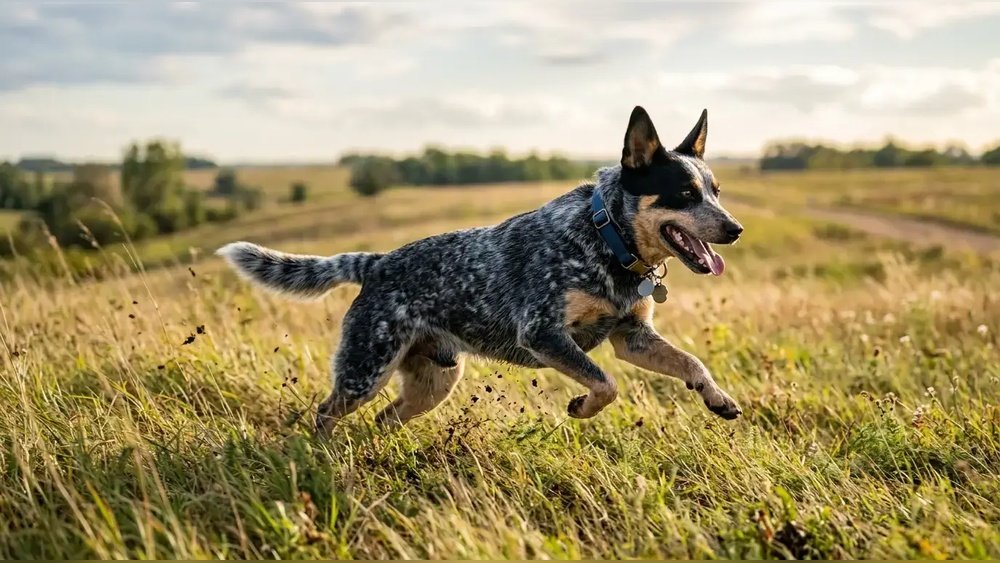
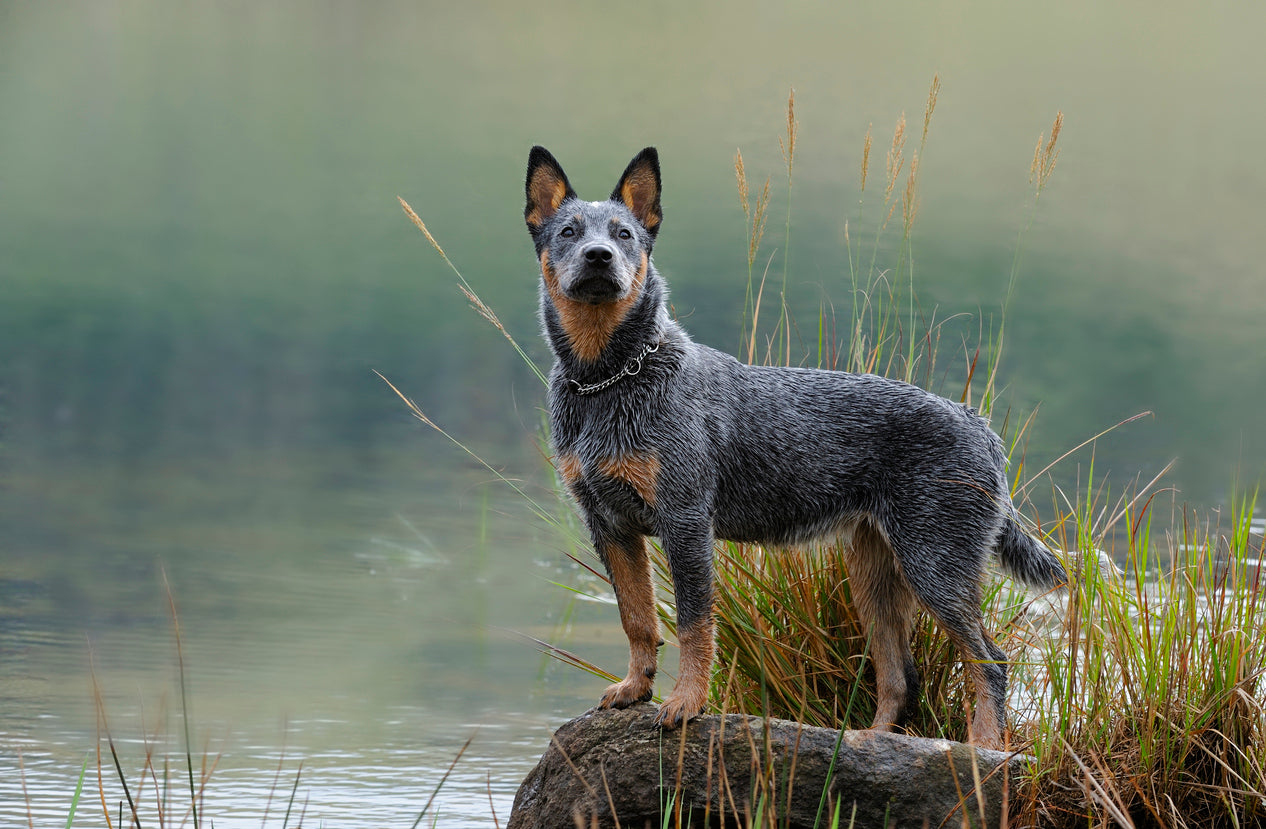
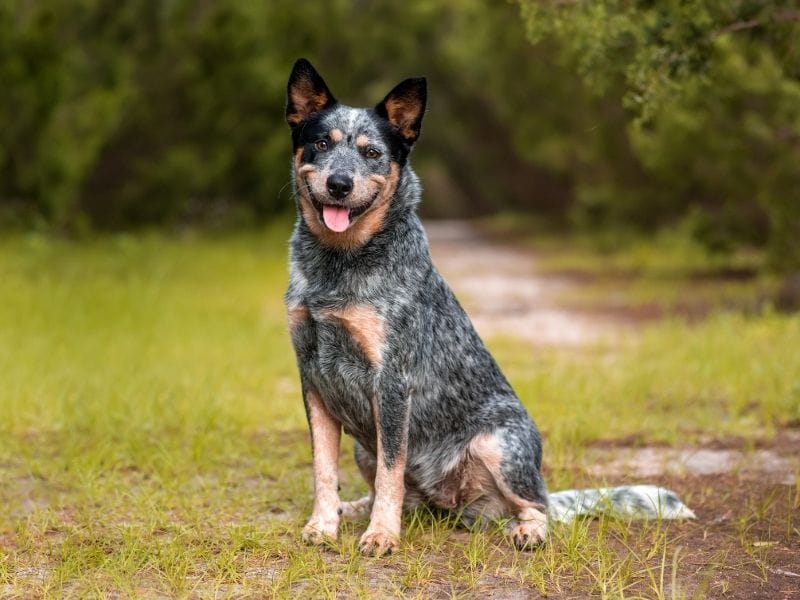
The Blue Heeler’s coat is dense, weather-resistant, and short. It protects them from rain, wind, and sun. There are two main color types:
- Blue: This includes blue, blue mottled, or blue speckled, often with black, tan, or white markings.
- Red: Red speckled or red mottled, sometimes with darker red markings.
The coat requires minimal grooming. A weekly brush is usually enough to remove loose hair and keep their coat shiny.
Unique Features
Australian Cattle Dogs have alert, expressive eyes (usually brown). Their ears are medium-sized, pointed, and stand upright. The tail is moderately long and set low, carried with a slight curve.
Here’s a quick comparison of Australian Cattle Dog physical features:
| Feature | Australian Cattle Dog | Border Collie | Australian Shepherd |
|---|---|---|---|
| Height | 17–20 in | 18–22 in | 18–23 in |
| Weight | 35–50 lbs | 30–45 lbs | 40–65 lbs |
| Coat | Short, dense | Medium, dense | Medium, wavy |
| Color | Blue/red speckled | Black/white, varied | Merle, black, red |
Temperament: What Makes A Blue Heeler Unique
Australian Cattle Dogs have a personality that matches their history. They are bred for hard work, so their temperament is energetic, focused, and protective.
Intelligence And Trainability
Australian Cattle Dogs are among the smartest breeds in the world. They learn new commands quickly and excel in obedience and agility training. This intelligence means they need mental stimulation. If bored, they may find their own entertainment—sometimes destructive, like chewing or digging.
Loyalty And Attachment
Blue Heelers form very strong bonds with their owners. They are known for their devotion and often become “shadow dogs,” following their humans everywhere. This loyalty makes them excellent companions but also means they may become protective or even possessive.
Energy And Activity Level
This breed is highly active. They need daily exercise—more than many other breeds. A simple walk is not enough; they thrive on running, playing, and having a job to do. Without enough activity, they may develop behavioral problems.
Social Behavior
Australian Cattle Dogs can be wary of strangers. Early socialization is important to prevent excessive shyness or aggression. They usually get along well with other dogs, especially if raised together. However, their herding instinct may lead them to chase or nip at children and other pets.
Proper training helps manage this.
Common Behavioral Traits
- Alertness: Always aware of their surroundings, making them excellent watchdogs.
- Herding Instinct: May try to “herd” family members or other animals.
- Independence: Can be stubborn and may challenge inexperienced owners.
- Protectiveness: Loyal to their family, sometimes cautious with outsiders.
One insight many beginners miss: Blue Heelers may “test” their owner’s limits, especially during adolescence. Consistent training and clear boundaries are essential.
Caring For Your Australian Cattle Dog
Owning a Blue Heeler is rewarding, but it requires commitment. Their care needs are shaped by their energy and intelligence.
Exercise Needs
Australian Cattle Dogs need at least 60–90 minutes of exercise daily. This can include walks, runs, fetch, agility courses, or herding games. They enjoy mental challenges like puzzle toys, obedience drills, or scent work.
If you don’t provide enough activity, your Blue Heeler may become restless, bark excessively, or chew furniture. Urban owners must be creative—dog parks, hiking, and interactive toys are helpful.
Diet And Nutrition
A balanced diet is critical for their health and energy. Australian Cattle Dogs are not picky eaters but need high-quality food. Look for dog food with:
- Protein: At least 22% for adults, higher for puppies.
- Fat: Around 8–15% for energy.
- Fiber: Helps digestion, but avoid excess.
Avoid overfeeding. Obesity is rare but possible if they don’t get enough exercise. Feeding schedules depend on age:
- Puppies: 3–4 meals per day
- Adults: 2 meals per day
Monitor weight and adjust portions as needed.
Grooming
Blue Heelers have a low-maintenance coat. Brush once per week to remove loose hair. During shedding seasons (spring and fall), increase brushing to 2–3 times per week. Bathing is only needed every few months unless they get dirty.
Regular grooming also includes:
- Nail trimming every 2–3 weeks
- Ear cleaning once per month
- Dental care (brush teeth 2–3 times per week)
Living Environment
Australian Cattle Dogs adapt well to different environments, but they prefer space to run and play. A fenced yard is ideal. Apartment living is possible if you commit to daily exercise.
They are not suited for being left alone for long periods. Loneliness can lead to anxiety and destructive behaviors.
Health And Lifespan
Australian Cattle Dogs are generally healthy, with a lifespan of 12–16 years. However, they are prone to some genetic conditions:
- Progressive Retinal Atrophy (PRA): Eye disease that can lead to blindness
- Hip Dysplasia: Joint problems, especially in older dogs
- Deafness: Some puppies are born deaf; reputable breeders test for this
- Elbow Dysplasia: Less common, but possible
Routine vet checkups are important. Vaccinations, flea and tick prevention, and dental care help maintain health.
Here’s a comparison of common health issues and lifespan among similar breeds:
| Breed | Average Lifespan | Common Health Issues |
|---|---|---|
| Australian Cattle Dog | 12–16 yrs | PRA, hip dysplasia, deafness |
| Border Collie | 12–15 yrs | Epilepsy, hip dysplasia, eye problems |
| Australian Shepherd | 12–15 yrs | Hip dysplasia, eye disorders |
Vaccination And Preventive Care
Like all dogs, Blue Heelers require regular vaccinations:
- Distemper
- Parvovirus
- Rabies
- Leptospirosis
Your vet will advise on a schedule. Annual checkups and preventive medications for fleas, ticks, and heartworms are essential.
Credit: bark.co
Training Your Blue Heeler
Training is not just recommended—it’s necessary. Australian Cattle Dogs are smart but can be stubborn. Consistent, positive training helps them thrive.
Puppy Training
Start training early, ideally at 8–12 weeks. Basic commands like sit, stay, come, and heel are important. Use rewards—treats, praise, or playtime. Blue Heelers respond well to clear rules and routines.
Socialization is key. Expose your puppy to new people, places, and other animals. This reduces fearfulness and prevents aggressive behavior.
Advanced Training
Once basic commands are mastered, teach advanced skills:
- Agility: Many Blue Heelers excel in agility competitions
- Herding: Even if you don’t have livestock, herding games can satisfy their instincts
- Scent Work: Hide treats or toys for them to find
Mental stimulation is as important as physical exercise. Puzzle toys and training sessions keep them busy.
Common Training Mistakes
- Inconsistency: Changing rules confuses your dog. Stick to clear commands.
- Lack of mental stimulation: Don’t just focus on physical exercise—puzzle games are vital.
- Too harsh discipline: Blue Heelers respond best to positive reinforcement.
- Ignoring socialization: Early exposure to new situations prevents behavioral problems.
Many beginners overlook the importance of daily structure. Blue Heelers thrive on routines; unpredictable schedules can lead to stress.
Socialization And Family Compatibility
Australian Cattle Dogs can make excellent family pets, but their herding instinct and high energy require careful management.
With Children
Blue Heelers are often good with children, but supervision is important. Their herding behavior may lead them to chase or nip, especially during play. Teach children how to interact respectfully and train your dog to avoid rough play.
With Other Pets
If raised with other dogs or cats, Blue Heelers usually get along well. Their strong prey drive means they may chase smaller animals. Early socialization reduces this behavior.
Apartment Living And Urban Environments
Australian Cattle Dogs can adapt to city life if their exercise needs are met. Daily walks, visits to dog parks, and interactive games are essential. Noise and crowds may cause stress; socialization helps them adjust.
Travel And Activities
Blue Heelers enjoy travel, hiking, and outdoor adventures. They are ideal companions for active individuals. If you travel often, consider their need for routine and exercise. Portable toys and familiar blankets can help them feel comfortable.
Credit: www.borrowmydoggy.com
Choosing An Australian Cattle Dog: What To Look For
Selecting a Blue Heeler takes careful planning. Here’s what matters:
Reputable Breeders
Work with breeders who test for genetic health conditions, especially deafness and PRA. Ask about parent health, temperament, and early socialization.
Rescue Or Adoption
Many Australian Cattle Dogs are available through rescue organizations. Adult dogs may already be trained. Ask about their history and behavior.
Puppy Vs. Adult
- Puppies: Require more time for training and socialization.
- Adults: May be easier if you prefer a calmer dog.
Make sure you have time, space, and commitment for their needs.
Common Buyer Mistakes
- Underestimating exercise needs: Blue Heelers need more activity than many breeds.
- Ignoring temperament: Not all Blue Heelers are the same. Meet the dog before adopting.
- Skipping health checks: Ask for health certificates and test results.
Many first-time buyers miss the importance of early training. Blue Heelers need structure from day one.
Daily Life With A Blue Heeler
Living with an Australian Cattle Dog is full of energy and adventure. Here’s what a typical day might look like:
- Morning: Exercise, training, breakfast.
- Daytime: Playtime, puzzle toys, walks.
- Evening: Family time, grooming, dinner.
Your Blue Heeler will want to participate in everything you do. They love jobs—fetch, carrying objects, or learning tricks.
Activities To Keep Them Happy
- Agility courses
- Obedience training
- Herding games
- Hiking and running
- Interactive toys and puzzles
Australian Cattle Dogs are happiest when they’re challenged both physically and mentally.

Credit: bark.co
Australian Cattle Dog Vs Similar Breeds
How does the Blue Heeler compare to other active working breeds? Here’s a direct look:
| Trait | Australian Cattle Dog | Border Collie | Australian Shepherd |
|---|---|---|---|
| Energy Level | High | Very High | High |
| Trainability | Excellent | Exceptional | Excellent |
| Herding Instinct | Strong | Very Strong | Strong |
| Family Compatibility | Good (with training) | Very Good | Very Good |
| Health Issues | PRA, hip dysplasia | Epilepsy, hip dysplasia | Eye disorders, hip dysplasia |
Australian Cattle Dogs are more independent and protective than Border Collies or Australian Shepherds. Their loyalty is unmatched, but they need an owner who appreciates their strong will.
Practical Tips For Owners
- Plan daily exercise: At least one hour, split between walks, play, and training.
- Start training early: Consistency is key.
- Use puzzle toys: Mental challenges prevent boredom.
- Monitor health: Regular vet checkups and vaccinations.
- Socialize: Introduce your Blue Heeler to new places and people.
- Watch for herding behavior: Redirect if they nip or chase.
- Provide structure: Routines help them feel secure.
- Avoid harsh discipline: Positive reinforcement works best.
- Stay patient: Blue Heelers are smart but sometimes stubborn.
Many owners don’t realize how much their Blue Heeler loves having a purpose. Give them tasks—fetch, carrying groceries, or learning new tricks.
Frequently Asked Questions
What Is The Lifespan Of An Australian Cattle Dog?
Australian Cattle Dogs typically live 12–16 years. Good care, proper diet, and regular vet visits can help maximize their lifespan. Some dogs live even longer, especially if they avoid genetic health issues.
Are Blue Heelers Good With Children?
Yes, with proper training and supervision. Their herding instinct means they may try to chase or nip. Teach children how to interact and monitor playtime. Early socialization helps reduce unwanted behavior.
How Much Exercise Does A Blue Heeler Need?
Blue Heelers need 60–90 minutes of exercise each day. This includes walks, runs, and mental activities. Without enough activity, they can become bored and destructive.
What Health Problems Are Common In Australian Cattle Dogs?
Common issues include hip dysplasia, progressive retinal atrophy (PRA), and deafness. Reputable breeders test for these conditions. Regular vet checkups and preventive care are important.
Where Can I Find More Information About The Breed?
For more detailed information, visit the official breed club or trusted sources like Wikipedia.
Owning an Australian Cattle Dog is a rewarding experience for those who understand their needs. With the right training, care, and commitment, your Blue Heeler will be a loyal, intelligent, and energetic companion for years to come. If you’re ready for the adventure, this breed will return your dedication with unmatched loyalty and enthusiasm.
We’re the dedicated team behind MyPawSafe.com, with over a decade of combined experience in veterinary care, pet emergency response, and animal behavior. While we prefer to let our work speak for itself, our mission is clear: to provide science-backed, vet-approved advice that helps pet owners prevent accidents and save lives.