
The Aussiedoodle is a crossbreed that brings together two smart and lively breeds: the Australian Shepherd and the Poodle. Many dog lovers are drawn to their friendly nature and unique look, but there’s much more to know about this mix—especially as they grow into adults. If you’re considering an Aussiedoodle or already have a puppy at home, understanding what to expect as they reach full size is essential. This guide covers everything you need to know about the full-grown Aussiedoodle—from their size and behavior to health, grooming, and daily care.
What Is An Aussiedoodle?
The Aussiedoodle is a designer dog, meaning it’s a planned mix between two purebred parents. They’re sometimes called Aussiepoos or Aussiepoodles. The goal of this mix is to blend the best traits of the Australian Shepherd (loyalty, agility, intelligence) with those of the Poodle (low-shedding coat, cleverness, friendly personality).
This crossbreed isn’t recognized by the American Kennel Club, but the Aussiedoodle has a strong reputation among families and active singles alike. They often inherit the best qualities of both breeds, but, like all mixed breeds, their traits can vary.
Aussiedoodle Size: What To Expect When Full Grown
Aussiedoodles come in a range of sizes, depending mostly on the type of Poodle parent (standard, miniature, or toy). Australian Shepherds are medium-sized, so the mix usually ends up somewhere in the small to medium-large range.
Size Overview
Here’s how Aussiedoodles generally size up as adults:
| Type | Height (inches) | Weight (pounds) |
|---|---|---|
| Toy Aussiedoodle | 10-12 | 10-15 |
| Mini Aussiedoodle | 12-17 | 15-35 |
| Standard Aussiedoodle | 15-24 | 40-70 |
The most common variety is the Mini Aussiedoodle. They’re small enough for apartments but energetic enough for larger homes with yards.
Growth Timeline
Aussiedoodles reach most of their adult size by about 12 months old. Smaller varieties mature a bit faster—sometimes by 10 months. Standard Aussiedoodles may keep filling out until 14-16 months.
Non-obvious insight: Some Aussiedoodles can appear thin and leggy as teenagers, but fill out into strong, athletic adults. Owners sometimes worry about their pup being “too skinny” at 8-10 months, but this is often normal for the breed.
Factors Influencing Size
- Poodle Parent Size: A standard Poodle parent produces a much larger Aussiedoodle.
- Genetics: Even puppies in the same litter can vary in size due to mixed genes.
- Diet and Exercise: Overfeeding or lack of activity can lead to unhealthy weight gain, making it seem like your dog is “bigger” than average.
Credit: www.infinibandta.org
Physical Appearance: Coat, Color, And Build
Every Aussiedoodle looks a bit different, but there are common patterns.
Coat Types
Aussiedoodle coats can be:
- Curly: Like a Poodle; often lowest shedding, but needs the most grooming.
- Wavy: The most common. Low to moderate shedding, easy to maintain.
- Straight: More like the Australian Shepherd. Moderate shedding.
Important tip: Even “hypoallergenic” Aussiedoodles can shed a little, especially if the coat is more straight or wavy.
Color Patterns
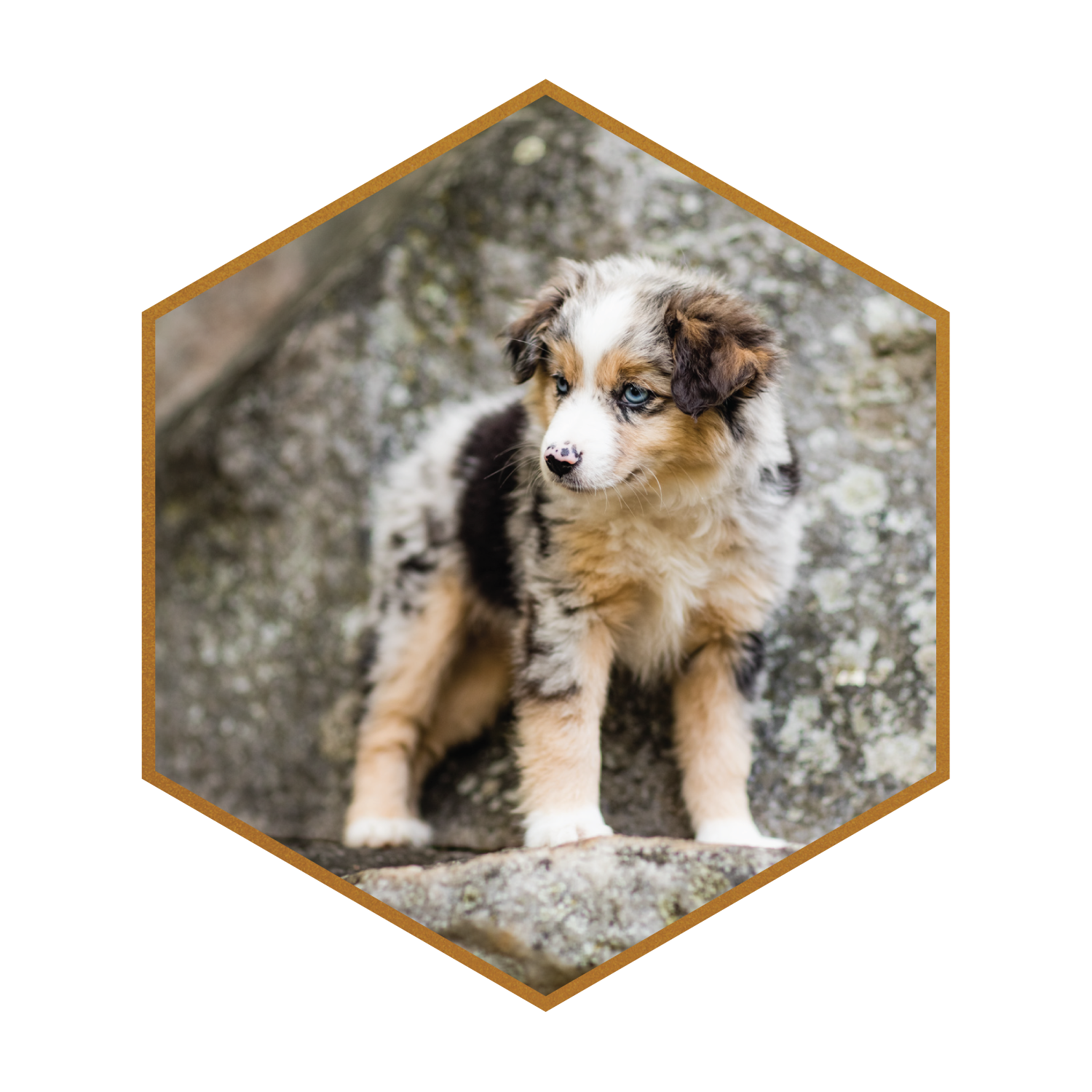
Australian Shepherds are famous for merle (mottled) coats, and Poodles come in many colors. Aussiedoodle colors include:
- Blue merle (gray/black with spots)
- Red merle (light red with darker patches)
- Black
- Brown
- Cream or white
- Tricolor (black, white, tan)
- Phantom (solid with tan markings)
Eye Color
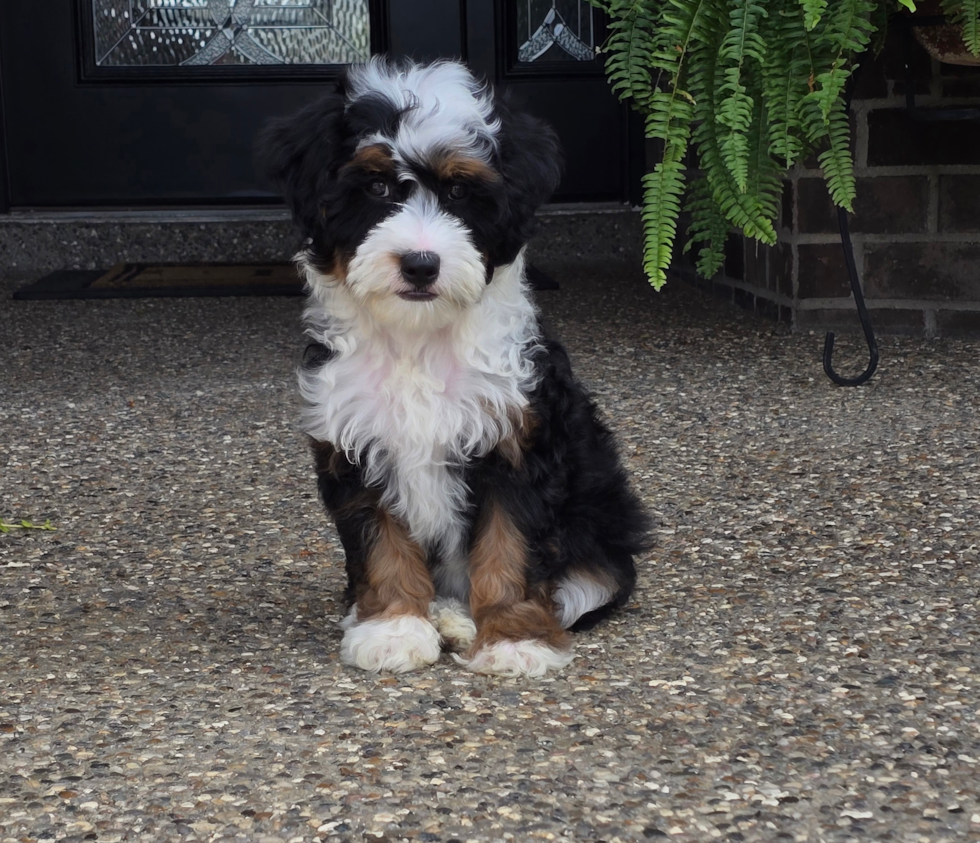
Many Aussiedoodles inherit striking blue or amber eyes from the Aussie side. Some even have heterochromia (two different colored eyes).
Build
Aussiedoodles are usually athletic and well-balanced. Their ears are floppy, and tails may be full or docked. Their overall appearance is friendly, alert, and energetic.
Aussiedoodle Temperament And Personality
One of the biggest reasons people love Aussiedoodles is their outgoing and affectionate nature. But there’s more to their personality, especially as they reach adulthood.
Intelligence
Both parent breeds are among the smartest in the dog world. Aussiedoodles are quick learners, and they love mental challenges. This intelligence means they can pick up tricks easily—but also get bored fast.
Non-obvious insight: Highly intelligent dogs need regular mental stimulation, or they can become destructive (chewing, digging, barking).
Energy Level
Aussiedoodles are usually high-energy, especially as adults. They need:
- At least 60-90 minutes of exercise daily
- Playtime and fetch
- Access to a yard or regular walks
If you’re looking for a “couch potato,” this breed may not be the best fit.
Social Behavior
Most Aussiedoodles are very social. They enjoy people, children, and other dogs. Early socialization is important to prevent shyness or herding behavior (chasing kids, nipping heels).
Emotional Sensitivity
Aussiedoodles are sensitive to their owner’s mood. They thrive in positive, calm environments. Harsh corrections or loud households can make them anxious.
Alone Time
This breed does not like being left alone for long. Aussiedoodles can develop separation anxiety if left for many hours. If you work long hours, consider doggy daycare or a dog walker.
Grooming And Coat Care For Full-grown Aussiedoodles
Aussiedoodles are often chosen for their low-shedding coats, but grooming isn’t “set and forget. ”
Brushing
- Curly coats: Brush every other day to prevent mats.
- Wavy/straight coats: Brush 2-3 times a week.
Pro tip: Use a slicker brush and a metal comb to reach all layers of the coat.
Bathing
Bathe your Aussiedoodle every 4-8 weeks. Overbathing can dry out their skin.
Haircuts
Most adult Aussiedoodles need professional grooming every 6-8 weeks. Common styles include:
- Teddy bear cut: Even length all over
- Puppy cut: Shorter, easier to manage
Ear Care
Floppy ears can trap moisture, leading to infections. Check and gently clean ears weekly.
Nail Trimming
Trim nails every 3-4 weeks. Long nails can cause pain or change your dog’s gait.
Shedding
Most Aussiedoodles shed lightly, but some can shed more during spring and fall. If you have allergies, spend time with an adult Aussiedoodle before committing.
Health And Lifespan
Aussiedoodles are generally healthy, but, like all breeds, they can inherit some health issues. Knowing what to watch for helps you keep your dog healthy and happy.
Expected Lifespan
Aussiedoodles typically live 10-13 years. Smaller varieties may live a bit longer than standards.
Common Health Issues
| Health Issue | Description | Prevention/Tips |
|---|---|---|
| Hip Dysplasia | Loose hip joints; causes pain | Buy from health-tested parents; keep weight healthy |
| Progressive Retinal Atrophy (PRA) | Gradual loss of vision | Genetic testing of parents |
| Epilepsy | Seizures, usually manageable with meds | Watch for symptoms, discuss with vet |
| Allergies | Itchy skin or stomach issues | Adjust diet, regular vet care |
| Ear Infections | Common due to floppy ears | Regular cleaning, keep ears dry |
Genetic Testing And Responsible Breeding
Many problems can be reduced by choosing a breeder who health-tests both parents. Ask for proof of:
- Hip and elbow scores
- Eye exam results
- Genetic tests for common diseases
Vaccinations And Regular Care
Just like any dog, Aussiedoodles need:
- Core vaccines (rabies, distemper, parvo)
- Annual checkups
- Flea, tick, and heartworm prevention
Nutrition And Feeding For A Full-grown Aussiedoodle
Proper nutrition is key to a healthy, active adult Aussiedoodle. Their needs change from puppyhood to adulthood.
Daily Calorie Needs
The average adult Aussiedoodle needs 600–1,400 calories per day, depending on size and activity.
- Toy: 600-800 calories
- Mini: 800-1,000 calories
- Standard: 1,100-1,400 calories
Active dogs may require more, while couch potatoes need less.
Feeding Schedule
Adult Aussiedoodles do best with two meals per day. This helps prevent bloating and keeps energy levels steady.
Food Type
Look for high-quality kibble or fresh food with:
- Protein: At least 22% for adults
- Fat: Around 8-12%
- Carbs: Healthy sources like brown rice, oats, or sweet potato
Avoid foods with fillers, artificial dyes, or low-quality byproducts.
Treats And Table Scraps
Treats should be less than 10% of daily calories. Avoid giving chocolate, grapes, onions, or cooked bones.
Non-obvious insight: Aussiedoodles are prone to weight gain if overfed. Measuring food and limiting treats can help keep your dog lean and healthy.
Training And Exercise Needs
Aussiedoodles are eager to learn and thrive on positive reinforcement. Training is not just about teaching commands—it’s about building a bond and preventing problem behaviors.
Basic Training
Focus on:
- Sit, stay, come
- Loose-leash walking
- Crate training (for safe alone time)
- Housebreaking
Start training early, but it’s never too late for an adult Aussiedoodle to learn.
Advanced Training
Aussiedoodles excel in:
- Agility
- Rally obedience
- Tricks and scent games
Keep sessions short (10–15 minutes) and fun.
Socialization
Expose your dog to different people, dogs, places, and sounds. Socialization helps prevent fear and reactivity.
Common Mistakes
- Using harsh corrections (can make a sensitive dog anxious)
- Skipping daily exercise (leads to bad habits)
- Not rotating toys or activities (leads to boredom)
Mental Stimulation
Try puzzle toys, hide-and-seek games, or “find the treat” activities.

Credit: www.lagaredesramieres.com
Living With An Adult Aussiedoodle
Aussiedoodles adapt well to many living situations, but they do best in homes that meet their needs for exercise, attention, and mental stimulation.
Home Environment
- Yard: Not required, but helpful for play
- Apartment: Possible with daily walks/runs
- Family: Great with kids, but supervise play with small children
- Other pets: Usually get along with other dogs; can chase cats if not socialized
Time Commitment
This breed is not low-maintenance. Plan for:
- Daily exercise (walks, runs, play)
- Training and grooming
- Family time
Alone Time
Aussiedoodles can struggle if left alone for more than 4-6 hours. Consider a pet sitter or doggy daycare if you work long hours.
Travel
Most Aussiedoodles are good travelers if introduced to car rides early. Bring their bed or favorite toy for comfort.
Aussiedoodle Vs Other Doodle Mixes
How Does The Aussiedoodle Compare To Other Popular Doodle Crosses?
| Mix | Main Traits | Best For |
|---|---|---|
| Aussiedoodle | High energy, very smart, herding instincts | Active families, agility lovers |
| Labradoodle | Friendly, playful, less intense | First-time owners, families |
| Goldendoodle | Social, gentle, loves attention | Therapy work, families |
| Bernedoodle | Calm, sturdy, strong-willed | Cooler climates, patient owners |
Notable difference: Aussiedoodles are often more energetic and require more mental stimulation than Labradoodles or Goldendoodles.
Credit: www.infinibandta.org
Costs Of Owning A Full-grown Aussiedoodle
Owning an Aussiedoodle is a long-term commitment. Here’s what to budget for yearly expenses:
- Food: $400-$800
- Grooming: $500-$900 (professional grooming every 6-8 weeks)
- Vet care: $300-$600 (routine checks, vaccines)
- Pet insurance: $350-$700
- Toys/supplies: $100-$300
- Training classes: $150-$400 (if desired)
Unexpected costs—like emergency vet visits—can add up, so an emergency fund is wise.
Finding A Reputable Aussiedoodle Breeder Or Rescue
Choosing where to get your Aussiedoodle matters as much as choosing the breed itself.
Responsible Breeders
Look for breeders who:
- Health test both parents for genetic diseases
- Allow you to meet the parents and see their environment
- Provide health guarantees and references
- Do not sell puppies before 8 weeks old
Red flags: Multiple litters at once, no health records, dirty or crowded facilities.
Rescue And Adoption
Many Aussiedoodles need new homes every year. Check breed-specific rescues or local shelters. Adult Aussiedoodles can make wonderful pets—plus, you’ll know their full-grown size and temperament.
For more guidance on choosing a responsible breeder or rescue, visit the American Kennel Club.
Aussiedoodle Myths And Facts
Let’s clear up some common misunderstandings about Aussiedoodles:
- Myth: All Aussiedoodles are hypoallergenic.
Fact: Many shed less, but no dog is 100% hypoallergenic.
- Myth: Aussiedoodles are easy for first-time dog owners.
Fact: Their energy and intelligence can be overwhelming if you’re not prepared.
- Myth: Aussiedoodles stay the same color as adults.
Fact: Many Aussiedoodle coats fade or change as they age, especially merle and red puppies.
- Myth: Aussiedoodles don’t need much exercise.
Fact: They need daily, vigorous activity to stay happy and healthy.
Is A Full-grown Aussiedoodle Right For You?
Ask yourself these questions:
- Do you have at least 1-2 hours a day for exercise and play?
- Can you afford grooming every 6-8 weeks?
- Are you willing to commit to training and mental stimulation?
- Will someone be home most of the day, or can you provide company?
- Are you ready for a dog that might surprise you with their smarts and energy?
If you answer “yes,” an Aussiedoodle might be a great fit for your life. If not, consider a lower-energy breed.
Practical Tips For Living With A Full-grown Aussiedoodle
- Rotate toys weekly to keep your dog interested.
- Sign up for group training classes—great for socialization and learning.
- Keep a grooming log; it helps you stay on schedule.
- Use food puzzles to stretch out mealtime and provide mental work.
- Always supervise play with small children, especially if your dog has herding instincts.
- Invest in a good vacuum—fur and dander will still show up, even with low shedders.
Frequently Asked Questions
How Big Does A Full-grown Aussiedoodle Get?
Adult Aussiedoodles range from 10 to 70 pounds and 10 to 24 inches tall at the shoulder, depending on whether they’re toy, mini, or standard. Most mini Aussiedoodles are 15-35 pounds and 12-17 inches tall.
Are Aussiedoodles Good For People With Allergies?
Aussiedoodles are often low-shedding and may be better for some allergy sufferers, especially if they inherit a curly coat. However, no dog is completely hypoallergenic. Spend time with an adult Aussiedoodle before deciding.
Do Aussiedoodles Bark A Lot?
Aussiedoodles can be vocal, especially if bored or not exercised enough. Early training and enough daily activity usually keep barking in check.
How Much Exercise Does A Full-grown Aussiedoodle Need?
Adult Aussiedoodles need at least 60-90 minutes of exercise every day. This can be walks, runs, playtime, or agility training. Under-exercised Aussiedoodles may develop bad habits.
Are Aussiedoodles Easy To Train?
Aussiedoodles are highly intelligent and eager to please, so they’re usually easy to train. Consistency, positive reinforcement, and early socialization are key. Without proper training, their smarts can lead to mischief.
If you’re ready for a playful, smart, and loving companion—and you can meet their needs for exercise, training, and grooming—a full-grown Aussiedoodle can bring years of happiness to your home. With the right care, these dogs thrive as loyal family members and active partners in adventure.

We’re the dedicated team behind MyPawSafe.com, with over a decade of combined experience in veterinary care, pet emergency response, and animal behavior. While we prefer to let our work speak for itself, our mission is clear: to provide science-backed, vet-approved advice that helps pet owners prevent accidents and save lives.