The Beagle Basset Hound mix, often called the Bagle Hound, is gaining popularity among dog lovers. This unique breed combines two famous scent hounds—the lively Beagle and the laid-back Basset Hound. The result is a dog with a distinct look, personality, and set of needs. If you’re thinking about bringing a Bagle Hound into your home, or you already have one, it’s important to understand this hybrid’s traits, health, behavior, and care. In this guide, you’ll find detailed information, practical advice, and real-life examples to help you make the best decisions for your dog.
What Is A Beagle Basset Hound Mix?
A Beagle Basset Hound mix is a crossbreed that blends the best traits of both parent breeds. The Beagle is known for its compact size, energetic nature, and keen sense of smell. The Basset Hound is famous for its long ears, droopy eyes, and calm demeanor. When bred together, you get a dog that is usually friendly, curious, and affectionate. Bagle Hounds appeal to families, singles, and seniors because of their adaptable personalities and moderate activity levels.
Why Choose A Bagle Hound?
Many people are drawn to Bagle Hounds because they combine the Beagle’s playfulness with the Basset Hound’s gentle charm. They’re typically good with children and other pets. Their moderate size and temperament make them suitable for apartments or larger homes.
Unlike some purebreds, mixed breeds often have fewer health issues due to greater genetic diversity.
Appearance And Physical Characteristics
Bagle Hounds inherit features from both parent breeds, but no two mixes look exactly alike. Understanding their appearance can help you spot one and appreciate their unique charm.
Size And Weight
Bagle Hounds are medium-sized dogs. Most adults weigh between 30 and 50 pounds and stand 13 to 15 inches tall at the shoulder. Their bodies are usually longer than a Beagle’s but shorter than a Basset Hound’s.
| Breed | Weight Range (lbs) | Height (inches) |
|---|---|---|
| Beagle | 20–30 | 13–15 |
| Basset Hound | 40–65 | 11–15 |
| Bagle Hound | 30–50 | 13–15 |
Coat And Color
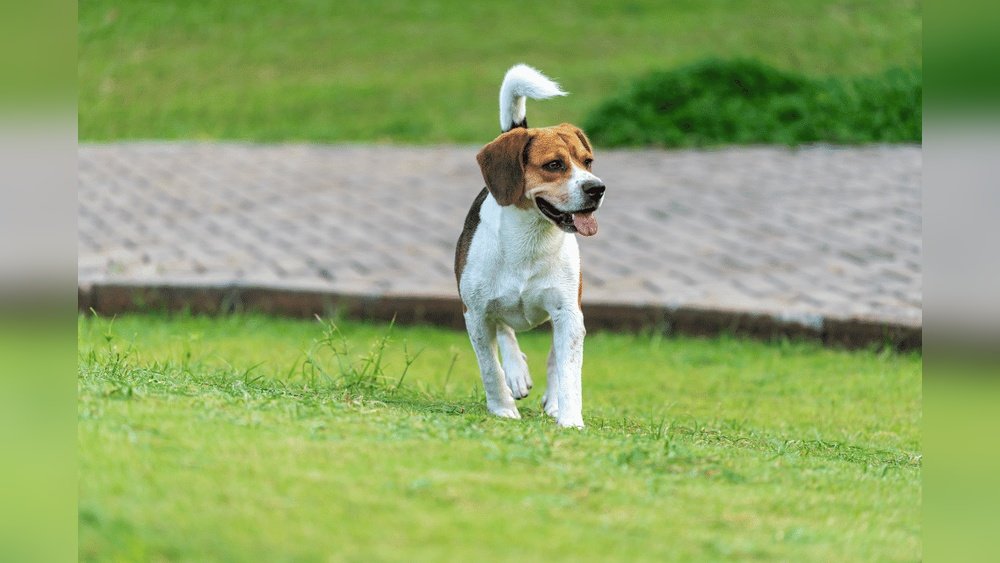
Most Bagle Hounds have a short, dense coat. The colors vary widely, but the most common are tri-color (black, brown, and white) and bi-color patterns. Some may have ticking or spots, and others could display the classic Beagle saddle or Basset Hound’s deep coloring.
Distinctive Features
Bagle Hounds often have long ears, expressive eyes, and a slightly droopy face. Their legs are usually shorter than a Beagle’s but not as stubby as a Basset’s. Their tails are straight and carried high, especially when excited or sniffing.
Personality And Temperament
Bagle Hounds are known for their friendly, curious, and gentle nature. Their behavior is shaped by both parent breeds, making them ideal companions for many households.
Social Nature
These dogs are very social and enjoy being around people and other animals. They rarely show aggression, making them safe for families with children. If left alone for too long, they may become bored or anxious, leading to unwanted behaviors.
Intelligence And Training
Bagle Hounds are smart but sometimes stubborn. They respond well to positive reinforcement and treats. Training can be a challenge because both parent breeds have a strong sense of smell and may get distracted easily. Consistent, short training sessions are most effective.
Energy Levels
Their energy is moderate—more than a Basset Hound but less than a Beagle. Bagle Hounds enjoy walks, playtime, and sniffing around the yard. They don’t require intense exercise, but daily activities keep them healthy and happy.
Non-obvious Insights
- Bagle Hounds often develop strong bonds with their owners and may suffer from separation anxiety if left alone for extended periods. Early training and gradual independence help prevent this issue.
- Their scent-driven behavior can lead to wandering or digging. Secure fences and leash walks are important to keep them safe.
Health And Lifespan
One reason people choose Bagle Hounds is their potential for better health compared to purebreds. Still, owners must be aware of inherited risks and how to prevent problems.
Common Health Issues
Bagle Hounds can inherit health concerns from both parents. The most frequent issues include:
- Ear infections: Long ears trap moisture and dirt.
- Obesity: Both breeds tend to gain weight easily, especially if not exercised.
- Hip dysplasia: Joint problems can develop as they age.
- Eye problems: Bagle Hounds may develop glaucoma or cataracts.
- Intervertebral disc disease: Due to their longer backs, spinal issues are possible.
Lifespan
Bagle Hounds typically live 10 to 14 years. With proper care, some may reach 15 or more. Regular vet checkups, a balanced diet, and exercise are key to longevity.
Preventative Care
Owners should clean their Bagle Hound’s ears weekly, monitor weight, and provide joint supplements if recommended by a vet. Early detection of health problems makes treatment easier and improves quality of life.

Credit: www.neoped.net
Grooming And Maintenance
Bagle Hounds are relatively easy to care for, but regular grooming keeps them comfortable and healthy.
Coat Care
Their short coat requires brushing once or twice a week. This removes loose hair and prevents matting. Shedding is moderate, but more frequent brushing during spring and fall helps manage it.
Bathing
Bathing every 1–2 months is usually enough unless the dog gets particularly dirty or smelly. Use a gentle dog shampoo to avoid skin irritation.
Ear Cleaning
Long ears need special attention. Use a damp cloth or vet-recommended ear cleaner weekly. Always dry ears thoroughly to prevent infections.
Nail Trimming
Trim nails every 3–4 weeks. If you hear clicking on the floor, it’s time for a trim. Overgrown nails can cause pain or affect walking.
Exercise And Activity Needs
Bagle Hounds enjoy activity but don’t require strenuous exercise. Knowing how to meet their needs helps prevent boredom and health issues.
Daily Walks
Aim for 30–45 minutes of walking each day. Split this into two shorter walks if possible. Bagle Hounds love to sniff and explore, so allow time for their nose to lead the way.
Playtime
Interactive games like fetch, hide-and-seek, or puzzle toys stimulate their minds. Bagle Hounds are not natural retrievers but enjoy chasing toys and searching for treats.
Indoor Activities
If the weather is bad, indoor activities like tug-of-war or treat-dispensing toys keep them entertained. Training sessions also provide mental exercise.
Common Mistakes
Many owners underestimate the need for mental stimulation. Bagle Hounds can become destructive if bored. Regular play and new toys prevent this.

Credit: dogbeagle.com
Diet And Nutrition
Proper nutrition is vital for Bagle Hounds. Their tendency to gain weight means owners must be careful with food choices and portion sizes.
Recommended Diet
Feed high-quality dry dog food with protein as the main ingredient. Avoid fillers like corn or soy. Portion sizes depend on weight, age, and activity level.
| Weight (lbs) | Daily Food (cups) | Protein (%) |
|---|---|---|
| 30–40 | 1.5–2 | 22–26 |
| 41–50 | 2–2.5 | 22–26 |
Treats
Use treats sparingly for training. Choose healthy options like carrots, apple slices (no seeds), or commercial low-calorie treats.
Foods To Avoid
Bagle Hounds should never eat chocolate, grapes, onions, or fatty scraps. These foods are toxic or contribute to obesity.
Practical Tip
Measure food with a cup for accuracy. Many owners guess portions, leading to overfeeding. If unsure, ask your vet for guidance.
Training And Behavior
Bagle Hounds are intelligent but sometimes stubborn. Successful training requires patience, consistency, and positive reinforcement.
Basic Commands
Start with “sit,” “stay,” “come,” and “down. ” Use treats and praise to reward good behavior. Short sessions (10–15 minutes) work best.
Leash Training
Bagle Hounds may pull on the leash to follow scents. Use a harness instead of a collar to prevent neck strain. Teach “heel” and reward calm walking.
Socialization
Expose your Bagle Hound to new people, pets, and environments early. This prevents fearfulness and encourages confident behavior.
House Training
Most Bagle Hounds learn quickly with consistency. Take them outside after meals and naps. Praise immediately after they finish.
Common Mistakes
- Punishing mistakes: Bagle Hounds respond poorly to harsh discipline. Positive reinforcement is more effective.
- Inconsistent routines: Changing rules or schedules confuses them. Stick to a routine for best results.
Living With A Bagle Hound
Adopting a Bagle Hound is a long-term commitment. Their needs, habits, and personality shape daily life.
Best Home Environment
Bagle Hounds adapt to most living spaces. Apartments are fine if walks and playtime are regular. A fenced yard is ideal, but not required.
Compatibility With Children
Bagle Hounds are gentle and tolerant. They rarely snap or bite, even when kids are noisy. Teach children to respect the dog’s space.
Compatibility With Other Pets
Bagle Hounds usually get along with other dogs and cats. Their hunting instincts may cause them to chase smaller animals, but early socialization reduces this risk.
Alone Time
They dislike being alone for long periods. Consider doggy daycare, a pet sitter, or a second dog if your schedule is busy.
Travel
Bagle Hounds travel well in cars if trained early. Use a seatbelt harness or crate for safety. Bring familiar toys and bedding to reduce anxiety.
Adoption And Buying Tips
If you’re ready to welcome a Bagle Hound, it’s important to choose a reputable source and prepare your home.
Where To Find Bagle Hounds
- Shelters and rescues: Many Bagle Hounds need homes. Check local shelters or breed-specific rescues.
- Reputable breeders: Look for breeders who test for genetic health issues and provide references.
What To Ask Breeders
- Are parent dogs screened for hip, eye, and heart problems?
- How are puppies socialized?
- Can you meet the parents?
- Are vaccinations and vet checks completed?
Preparation Checklist
- Buy food, bowls, toys, leash, and bedding.
- Puppy-proof your home (remove hazardous items).
- Schedule a vet visit within the first week.
- Set up a routine for feeding, walks, and training.
Common Mistakes
Many buyers choose based on looks alone. Temperament and health history are equally important. Always meet the puppy and parents before deciding.
Cost Of Owning A Bagle Hound
Owning a Bagle Hound involves both initial and ongoing expenses. Planning ahead helps avoid surprises.
Initial Expenses
- Adoption fee or breeder price: $300–$1,200
- Supplies (food, bowls, crate, toys): $150–$300
- Vet check and vaccinations: $100–$250
Annual Costs
- Food: $300–$500
- Vet care: $200–$600
- Grooming: $50–$150
- Toys and treats: $100–$200
- Pet insurance (optional): $200–$400
Unexpected Costs
Emergencies or health issues can add expenses. Having a savings plan or insurance is wise.
Data Insight
Bagle Hounds are less expensive to groom than long-haired breeds. However, medical costs for ear or joint issues may be higher than average.
Bagle Hound Vs Other Popular Mixes
How does the Bagle Hound compare to other medium-sized mixed breeds? Here’s a quick overview:
| Mix | Size | Energy | Common Issues |
|---|---|---|---|
| Bagle Hound | Medium | Moderate | Ears, joints, obesity |
| Labrador Beagle Mix | Medium–Large | High | Hip, allergies |
| Beagle Dachshund Mix | Small–Medium | Moderate–High | Back, obesity |
| Basset Lab Mix | Medium–Large | Low–Moderate | Joints, ears |
Bagle Hounds stand out for their balanced energy and gentle temperament. They are less demanding than high-energy mixes but still playful and engaging.

Credit: www.borrowmydoggy.com
Real-life Stories: Bagle Hounds In Action
Many Bagle Hound owners share inspiring stories about their pets. One family in Texas adopted a Bagle Hound named Daisy, who quickly became the heart of their home. Daisy enjoys daily walks, cuddles with kids, and has learned over ten tricks using treat-based training.
Her friendly nature made her a favorite at the local park, and her curiosity led her to sniff out a lost cat, helping neighbors.
Another owner, Mark in Oregon, rescued a Bagle Hound from a shelter. Mark noticed his dog’s tendency to dig and wander. After installing a secure fence and providing puzzle toys, these behaviors decreased. Mark says, “Bagle Hounds are smart—they just need the right stimulation.
”
These stories show that Bagle Hounds fit into many lifestyles. With proper care, they become loyal, entertaining, and loving companions.
Frequently Asked Questions
What Is The Average Lifespan Of A Bagle Hound?
Bagle Hounds live 10 to 14 years on average. With good care and regular vet visits, some may reach 15 years or more. Genetics, diet, and exercise all influence lifespan.
Are Bagle Hounds Good For Apartment Living?
Yes, Bagle Hounds adapt well to apartments as long as they receive daily walks and playtime. Their moderate size and energy make them suitable for smaller spaces. Regular outdoor activity is important to prevent boredom.
How Much Exercise Does A Bagle Hound Need?
Most Bagle Hounds need 30–45 minutes of exercise each day. This includes walks, playtime, and mental stimulation. They enjoy sniffing and exploring, so allow time for their natural behaviors.
Do Bagle Hounds Shed A Lot?
Bagle Hounds shed moderately. Weekly brushing helps manage loose hair and keeps their coat healthy. Shedding increases during spring and fall, so more frequent grooming may be needed.
Are Bagle Hounds Easy To Train?
Bagle Hounds are intelligent but sometimes stubborn. Positive reinforcement and short, consistent sessions work best. Their scent-driven nature can distract them, so patience and persistence are important.
Final Thoughts
The Beagle Basset Hound mix is a truly special dog. Blending the Beagle’s playfulness with the Basset Hound’s calm nature, Bagle Hounds offer companionship, joy, and plenty of personality. They fit into many homes, from busy families to quiet retirees. With the right care, training, and attention, your Bagle Hound will reward you with loyalty and love.
Remember that every Bagle Hound is unique. Understanding their needs, from health and grooming to exercise and training, ensures a happy relationship. If you’re considering adoption, take your time to find a reputable breeder or shelter and prepare your home.
For more information on dog breeds and hybrid health, visit Wikipedia. Bagle Hounds are proof that mixing breeds can create incredible companions. If you welcome one into your life, you’ll experience a dog with heart, intelligence, and a sense of adventure.

We’re the dedicated team behind MyPawSafe.com, with over a decade of combined experience in veterinary care, pet emergency response, and animal behavior. While we prefer to let our work speak for itself, our mission is clear: to provide science-backed, vet-approved advice that helps pet owners prevent accidents and save lives.