Boxers are one of the most recognizable dog breeds in the world. With their strong, athletic build and playful personality, it’s no surprise they’re a favorite among families, singles, and even working professionals. But there’s much more to a Boxer than meets the eye.
Their temperament, size, and care requirements are unique, and understanding these details is essential before bringing a Boxer into your life. This guide covers everything you need to know about Boxers, from their core characteristics to daily care and common mistakes to avoid.
Whether you’re a first-time dog owner or an experienced pet parent considering a Boxer, this in-depth article will help you make informed decisions.
What Makes The Boxer Breed Unique?
Boxers stand out for their combination of strength, intelligence, and affection. Originally bred in Germany in the late 19th century, they descend from the now-extinct Bullenbeisser and English Bulldogs. Their purpose was to hunt large game and later work as guard and police dogs.
This background gives them a blend of protective instincts and a loyal, people-oriented nature.
Boxers are classified as a medium to large breed. Their square muzzle, expressive face, and muscular frame give them a powerful appearance, but their wiggly bodies and happy grins reveal their playful side. They are high-energy, thrive on human interaction, and are known to be “eternal puppies,” keeping their youthful spirit well into adulthood.
One often-overlooked fact about Boxers is their sensitivity. They are deeply attuned to their owner’s emotions, sometimes even mirroring moods. This makes them fantastic companions but can also lead to anxiety if left alone too long or not properly socialized.
Boxer Temperament: What To Expect
A Boxer’s temperament is a mix of enthusiasm, loyalty, and curiosity. Understanding these traits helps you set realistic expectations and avoid common misunderstandings.
Key Temperamental Traits
- Playful: Boxers love to play. They’re known for their “kid at heart” energy, which can last for years.
- Protective: Their guarding instincts make them natural watchdogs. They are alert and quick to warn their family of anything unusual.
- Affectionate: Boxers are “people dogs.” They crave attention, cuddles, and are happiest when close to their human family.
- Intelligent: They learn quickly but can also be stubborn. Training requires consistency and patience.
- Social: Boxers generally get along well with children and other pets if socialized early.
Common Behavior Challenges
Despite their many positive qualities, Boxers can develop some behavioral issues if not properly managed:
- Separation Anxiety: Boxers dislike being left alone for long periods. They may bark, chew, or dig out of boredom or stress.
- Jumping: Their excitement can lead to jumping up on people. Early training is vital to control this habit.
- Stubbornness: While smart, Boxers sometimes test boundaries. Consistent, positive reinforcement works best.
- High Prey Drive: Some Boxers have a strong urge to chase small animals. Proper recall training is important.
Socialization And Family Life
Early socialization is crucial. Exposing a Boxer puppy to different people, animals, sights, and sounds reduces the risk of fearfulness or aggression. Boxers are generally gentle with children, but their energy can be overwhelming for toddlers if not supervised.
Boxers thrive in homes where they are part of daily life. They do best with active families who enjoy playtime, walks, and outdoor adventures. However, if you prefer a quiet, independent dog, a Boxer may not be the best fit.
Credit: wrapinfur.com
Boxer Size And Physical Characteristics
Boxers are often described as “athletic” and “muscular,” but how big do they actually get? Understanding their size helps you prepare your home, plan for exercise needs, and choose appropriate products.
Average Size And Weight
| Gender | Height (inches) | Weight (pounds) |
|---|---|---|
| Male | 23–25 | 65–80 |
| Female | 21.5–23.5 | 50–65 |
- Height is measured at the withers (shoulder blades).
- Males are usually larger and heavier than females.
Physical Appearance
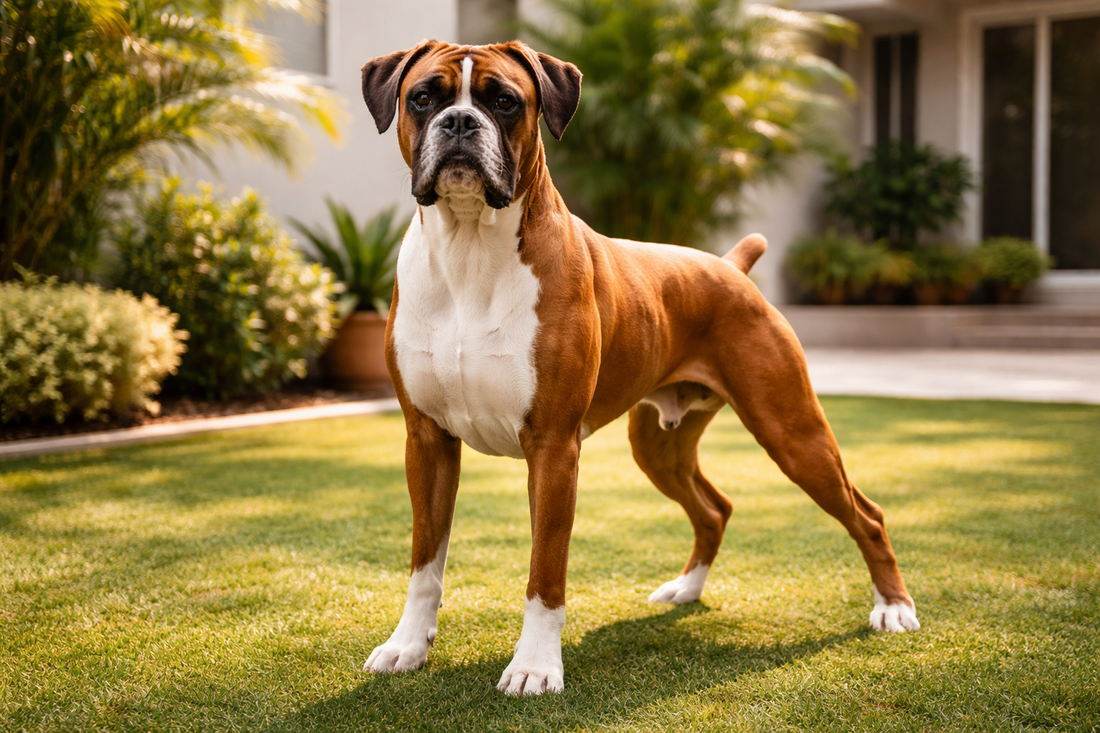
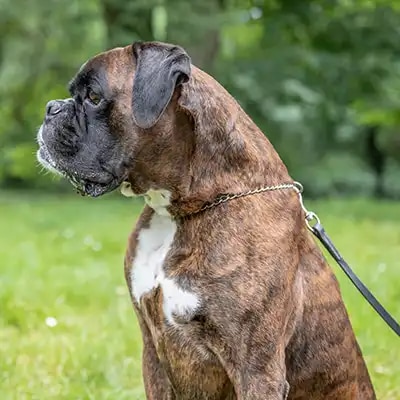
- Coat: Short, smooth, and shiny. Colors include fawn, brindle, and white, sometimes with white markings.
- Head: Broad, with a distinctive square muzzle and strong jaw.
- Body: Compact, deep chest, and a straight, strong back.
- Tail: Traditionally docked in some countries, though many now leave it natural.
Growth Stages
Boxers grow quickly during their first year. They reach most of their adult height by 12 months but fill out and gain muscle until 18-24 months. Rapid growth can sometimes cause joint issues if not monitored, so choose food and exercise routines carefully.
Notable Features
- Expressive Faces: Boxers have a wide range of facial expressions, often “talking” with their eyes and mouth.
- Natural Ears: Some Boxers have cropped ears, but this practice is declining. Natural ears are floppy and soft.
Boxer Health: Common Issues And Life Expectancy
Boxers are generally healthy but have some breed-specific risks. Knowing these can help you prevent problems and seek care early.
Average Life Span
The typical Boxer lifespan is 10–12 years. Some live longer with excellent care, but health issues can sometimes shorten this.
Most Common Health Problems
- Cancer: Boxers have a higher risk of some cancers, especially mast cell tumors and lymphoma.
- Heart Conditions: Problems like aortic stenosis and Boxer cardiomyopathy (ARVC) are more common in this breed.
- Hip Dysplasia: A genetic issue where the hip joint doesn’t fit properly, causing pain and arthritis.
- Bloat (Gastric Dilatation-Volvulus): A life-threatening condition where the stomach twists. Deep-chested breeds like Boxers are at higher risk.
- Allergies: Skin and food allergies can cause itching, ear infections, and other problems.
- Degenerative Myelopathy: A progressive spinal cord disease leading to mobility loss in older dogs.
Health Screening And Prevention
- Regular Vet Checks: Annual exams, bloodwork, and heart screenings can catch problems early.
- Genetic Testing: Breeders should test for hip dysplasia, heart conditions, and degenerative myelopathy.
- Healthy Diet and Weight Management: Obesity increases the risk of many health issues.
- Vaccination and Parasite Control: Keep up with shots and monthly preventives for fleas, ticks, and heartworm.
Boxer Vs. Other Breeds: Health Comparison
Here’s a simple comparison of health risks between Boxers and some other popular breeds:
| Breed | Common Health Risks | Average Lifespan (years) |
|---|---|---|
| Boxer | Cancer, heart disease, hip dysplasia | 10–12 |
| Labrador Retriever | Hip/elbow dysplasia, obesity, cancer | 10–12 |
| German Shepherd | Hip dysplasia, bloat, allergies | 9–13 |
| Bulldog | Brachycephalic syndrome, skin issues, joint problems | 8–10 |
Daily Care: Nutrition, Exercise, And Grooming
Boxers are not “set and forget” dogs. Their care routine needs to be consistent and tailored to their active lifestyle.
Nutrition: Feeding Your Boxer
- High-quality dry food (kibble) is a popular choice. Look for meat as the first ingredient, with balanced protein and fat.
- Portion control is critical. Adult Boxers usually need 2–3 cups of food per day, divided into two meals.
- Puppy diets should include extra protein and calories for growth, but avoid overfeeding to prevent joint problems.
- Avoid foods with fillers, artificial colors, or too much grain.
- Fresh water should always be available.
Some Boxers develop food allergies. Symptoms include itching, ear infections, or digestive problems. In such cases, your vet may recommend an elimination diet or hypoallergenic food.
Supplements
- Fish oil for skin and coat health.
- Glucosamine for joint support, especially in senior Boxers.
Exercise Needs: Keeping A Boxer Happy
Boxers are high-energy dogs. Without enough activity, they may become bored, destructive, or develop anxiety.
- Daily Exercise: Aim for at least 60–90 minutes of activity.
- Types of Exercise: Walks, running, fetch, agility, and play sessions.
- Mental Stimulation: Puzzle toys, obedience training, and scent games keep their minds sharp.
- Safe Play: Boxers love to roughhouse but supervise play with smaller pets or children to avoid accidental knocks.
Lack of exercise is a common mistake. A tired Boxer is a happy Boxer, and regular activity also reduces behavioral problems.
Grooming: Simplicity With A Few Special Needs
Boxers are low-maintenance in the grooming department, but there are some important details:
- Brushing: Weekly brushing with a soft-bristle brush removes loose hair and keeps the coat shiny.
- Bathing: Every 6–8 weeks or when dirty. Use a gentle dog shampoo.
- Nail Trimming: Every 2–3 weeks to prevent overgrowth and discomfort.
- Ear Cleaning: Check ears weekly for dirt, wax, or signs of infection.
- Dental Care: Brush teeth 2–3 times per week. Dental chews help maintain oral health.
Boxers shed moderately year-round. They are sensitive to extreme temperatures, so avoid over-bathing and always dry them well after baths.
Grooming Comparison: Boxers Vs. Other Breeds
| Breed | Coat Type | Grooming Frequency |
|---|---|---|
| Boxer | Short, smooth | Weekly brushing |
| Golden Retriever | Long, double coat | Daily brushing |
| Poodle | Curly, non-shedding | Professional grooming every 4–6 weeks |
| Beagle | Short, dense | Weekly brushing |
Training And Socialization Tips
Boxers are smart but can be stubborn. Training them requires patience and creativity.
Training Basics
- Start Early: Begin training as soon as you bring your Boxer puppy home.
- Positive Reinforcement: Use treats, praise, and play. Avoid harsh corrections.
- Consistency: Set clear rules and stick to them.
- Short Sessions: Boxers get bored easily. Keep training sessions fun and under 10–15 minutes.
- Basic Commands: Sit, stay, come, down, and leave it are essential.
- Leash Training: Boxers are strong. Teach loose-leash walking early to avoid pulling.
Advanced Training
Boxers excel in agility, obedience, and even therapy work. They enjoy learning new tricks and tasks, which also helps burn off energy.
Socialization
Expose your Boxer to:
- Different people (ages, appearances)
- Other dogs and animals
- Various environments (parks, city streets, cars)
- Noisy situations (vacuum cleaners, traffic, storms)
Socialization prevents fear-based aggression and helps your Boxer become a confident, balanced adult.
Two Non-obvious Training Insights
- Hand Signals: Boxers respond well to visual cues. Using hand signals with voice commands can speed up learning and improve obedience in noisy areas.
- Impulse Control Games: Teaching “wait” or “leave it” with food, toys, or doors helps reduce impulsiveness—a common Boxer challenge.
Credit: www.hillspet.com
Living With A Boxer: Home Setup And Family Compatibility
Adopting a Boxer means adjusting your living space and routines.
Ideal Home Environment
- Space: Boxers do best in homes with a yard, but can adapt to apartments if exercised daily.
- Secure Fencing: Their playful nature may lead them to wander. Fences should be at least 6 feet tall.
- Climate: Boxers are sensitive to heat and cold due to their short coat. Provide shade, water, and avoid long walks in extreme temperatures.
Boxer And Children
Boxers are known as excellent family dogs. Their patience and playfulness make them great for children, but always supervise interactions, especially with toddlers. Teach kids how to approach and play with dogs respectfully.
Boxer And Other Pets
Early socialization helps Boxers live peacefully with cats and other dogs. Some may have a high prey drive, so introductions should be gradual and supervised.
Alone Time
Boxers dislike being left alone. If you work long hours, consider doggy daycare, a pet sitter, or another dog for company. Boredom can lead to destructive behaviors like chewing furniture or digging.
Boxer Puppies: Choosing, Raising, And Early Care
Bringing home a Boxer puppy is exciting, but it requires planning and commitment.
Choosing A Boxer Puppy
- Reputable Breeder: Choose breeders who health-test parents, socialize puppies, and offer a clean, loving environment.
- Adoption: Boxer rescues and shelters often have puppies and adults looking for homes.
- Avoid buying from pet stores or “puppy mills.”
What To Look For
- Bright eyes, clean ears, and a shiny coat
- Playful, curious attitude
- No signs of illness (coughing, runny nose, diarrhea)
- Willingness to be handled
First Weeks At Home
- Puppy-proof your home (remove cords, small objects, toxic plants)
- Set up a crate or safe sleeping area
- Start house training right away
- Visit the vet for a wellness check and vaccination schedule
Early Socialization
Invite friends, expose your puppy to new surfaces, sounds, and gentle handling. The first 16 weeks are critical for developing confidence and good behavior.
Common Puppy Mistakes
- Over-exercising: Growing puppies need play, but too much running or jumping can harm developing joints.
- Skipping Socialization: Waiting too long increases the risk of fear or aggression.
- Letting bad habits start: Behaviors like jumping or nipping are cute in puppies but hard to break later.
Boxer Adoption And Buying Guide
Choosing where and how to get a Boxer is just as important as understanding the breed.
Breeder Checklist
- Health tests for hips, heart, and genetic diseases
- Clean, safe, and social environment
- Puppies raised indoors, exposed to daily life
- Willing to answer questions and provide references
- Clear contract and health guarantee
Rescue And Adoption
Many Boxers end up in shelters due to their high energy or changing family circumstances. Adoption is a great option for experienced dog owners.
- Meet several dogs to find the right fit for your family.
- Ask about the dog’s history, temperament, and health.
- Be patient—rescued Boxers may take time to adjust but can make loyal, loving companions.
Red Flags
- Unwillingness to show health certificates
- Puppies available “right now” with no wait
- Poor living conditions or overcrowding
- No questions about your lifestyle or home
For more on responsible dog breeding and adoption, visit the American Kennel Club.
Boxer Ownership Costs
Owning a Boxer involves more than the initial purchase price. Budgeting for their care is essential.
Initial Costs
- Puppy or adoption fee: $300–$2,000
- First-year supplies (crate, leash, toys, bed): $200–$500
- Vaccinations and vet checks: $100–$300
Ongoing Costs
- Food: $40–$80 per month
- Routine vet care: $200–$400 per year
- Grooming supplies: $50–$100 per year
- Training classes: $100–$200 per course
- Pet insurance: $20–$60 per month (optional but recommended)
Unexpected Expenses
- Emergency vet visits
- Surgery for health issues like bloat or tumors
- Professional training for behavioral problems
Planning ahead helps ensure your Boxer receives the best care without financial stress.
Common Boxer Owner Mistakes (and How To Avoid Them)
Many Boxer owners make similar errors, especially during the first year. Here’s what to watch for:
- Not providing enough exercise: Underestimating a Boxer’s energy leads to boredom and destructive behavior.
- Inconsistent training: Letting rules slide confuses your Boxer and encourages stubbornness.
- Ignoring health screenings: Skipping regular vet visits or genetic testing can lead to costly health problems.
- Overfeeding: Obesity puts extra strain on joints and increases disease risk.
- Leaving them alone too long: Boxers need people around. Long hours alone can result in anxiety and mischief.
- Missing early socialization: Waiting too long to expose your puppy to new experiences can result in a fearful or aggressive adult.
Two less obvious mistakes:
- Not protecting from temperature extremes: Boxers’ short coats mean they’re more vulnerable to heatstroke and chills than many owners realize.
- Assuming all Boxers are the same: Individual personalities vary widely. Take time to learn your dog’s unique needs and preferences.
Frequently Asked Questions
What Is The Best Age To Train A Boxer Puppy?
The best time to start training is as soon as your puppy comes home, usually around 8 weeks old. Early training and socialization are key to raising a well-behaved, confident Boxer. Short, fun sessions work best for their attention span.
Are Boxers Good With Small Children And Babies?
Yes, Boxers are known for being gentle and patient with children. However, their energy and size mean supervision is important, especially with babies and toddlers. Teaching both the dog and children proper interaction keeps everyone safe and happy.
How Much Exercise Does A Boxer Need Daily?
A healthy adult Boxer needs at least 60–90 minutes of exercise each day. This can include walks, runs, playtime, and mental stimulation. Without enough activity, Boxers may develop behavioral issues from boredom.
Do Boxers Shed A Lot?
Boxers have a short, smooth coat and shed moderately year-round. Weekly brushing helps manage loose hair and keeps the coat healthy. They’re not considered hypoallergenic.
What Are The Signs Of Boxer Health Problems I Should Watch For?
Watch for lumps or bumps (possible cancer), coughing or fainting (heart disease), limping (joint issues), bloating, or sudden behavior changes. Regular vet visits and prompt attention to unusual symptoms can catch problems early and improve outcomes.
Bringing a Boxer into your life is a joyful, rewarding experience, but it does require thoughtful care and attention. With their loving temperament, athletic build, and playful spirit, Boxers make loyal companions for the right family. By understanding their unique needs and providing the right environment, you’ll enjoy years of fun, affection, and unforgettable memories with your Boxer.

Credit: www.barkbusters.com

We’re the dedicated team behind MyPawSafe.com, with over a decade of combined experience in veterinary care, pet emergency response, and animal behavior. While we prefer to let our work speak for itself, our mission is clear: to provide science-backed, vet-approved advice that helps pet owners prevent accidents and save lives.