Brittany Spaniel Complete Guide: Temperament, Size, And Care
The Brittany Spaniel is a breed that stands out for its energy, intelligence, and versatility. Originally bred for hunting, this dog has become a popular companion for active families and individuals. If you’re considering bringing a Brittany Spaniel into your life, understanding its temperament, size, and care needs is essential.
This guide covers everything you need to know, from personality traits to grooming routines, health concerns, and practical training advice. Whether you’re a first-time dog owner or experienced with breeds, you’ll find clear, useful information to help you make the best decisions for your Brittany Spaniel.
Brittany Spaniel Overview
The Brittany Spaniel is often simply called “Brittany” in the United States. This breed comes from the Brittany region of France and was developed as a skilled hunting dog, especially for birds. Today, Brittanys are known for being friendly, intelligent, and eager to please. They are not only great hunters but also wonderful family pets.
Breed History
Brittany Spaniels have a rich history dating back to the 1800s in France. Hunters needed a dog that was fast, agile, and able to work in dense cover. Brittanys became popular for their ability to point and retrieve game, especially birds like pheasants and quail.
Their keen sense of smell and adaptability made them favorites among hunters who worked in different terrains, from fields to forests.
Over time, their talents were recognized by dog clubs. The American Kennel Club (AKC) officially recognized the breed in 1934. In France, the Brittany remains one of the most popular hunting dogs, and the breed’s reputation for versatility has spread across Europe and North America.
Unlike some other hunting breeds, Brittanys were bred to work closely with humans rather than independently, which helped create their strong bond with owners and friendly nature.
Key Characteristics
- Energetic and playful
- Intelligent and trainable
- Medium size
- Friendly with people and pets
In addition to these traits, Brittanys are often described as alert and curious. Their adaptability means they can excel in many roles: hunting, sports, or being a loving family dog. Their willingness to learn and please makes them a top choice for owners who want a dog that is both fun and manageable with the right guidance.
These traits make Brittany Spaniels suitable for active homes and those willing to invest time in exercise and training.
Temperament: What To Expect
The Brittany Spaniel’s temperament is one of its biggest strengths. Owners often describe these dogs as lively, affectionate, and responsive. They form close bonds with their families and are eager to be involved in all activities.
Main Personality Traits
- Friendly and Social: Brittanys love being around people and other dogs. They are rarely aggressive and often greet strangers warmly. This makes them great for families who have visitors or other pets. However, their enthusiasm can sometimes be too much for people who prefer calm dogs.
- High Energy: This breed needs regular activity. Without enough exercise, they can become bored and develop unwanted behaviors. Their high energy level means they’re always ready for play or a walk, and they thrive in environments where they can run freely.
- Intelligent: Brittanys are quick learners and respond well to positive training methods. They often pick up commands after just a few repetitions and enjoy problem-solving tasks. Their intelligence, however, also means they may become mischievous if not mentally challenged.
- Sensitive: They often pick up on their owner’s moods and dislike harsh discipline. A raised voice or stern correction can upset them more than some other breeds. Gentle guidance and praise work best.
- Affectionate: Brittanys enjoy cuddling and being close to their families. They might follow you from room to room and love to be part of the action, whether it’s a family game or relaxing on the couch.
Suitability For Families And Children
Brittanys are generally very good with children. Their gentle nature and playful energy make them ideal for homes with kids. They usually have the patience for children’s games and can match a child’s energy. However, their excitement can be overwhelming for very young children, especially when the dog is not properly exercised.
Teaching children how to approach and play with a dog helps both the child and Brittany enjoy their time together safely.
Interaction With Other Pets
Most Brittanys get along well with other dogs. They can also coexist with cats if introduced properly and at a young age. Their hunting instinct may cause them to chase smaller pets, so supervision is recommended. With careful introductions and training, Brittanys can adapt to living with a variety of animals.
Early exposure to different pets and animals helps prevent problems later.
Non-obvious Insights
- Emotional Sensitivity: Brittanys can be shy or anxious if not socialized early. Positive experiences as puppies are crucial. For example, gentle handling, meeting new people, and exposure to different places help build a confident adult dog. If a Brittany has a negative experience early on, they may become nervous or wary in similar situations.
- Boredom Risk: Without mental stimulation, Brittanys may dig, chew, or bark excessively. Puzzle toys and regular training sessions help prevent this. It’s not just physical exercise—they crave mental work. Activities like scent games, advanced obedience, or learning tricks can make a big difference in their happiness.
Size And Physical Appearance
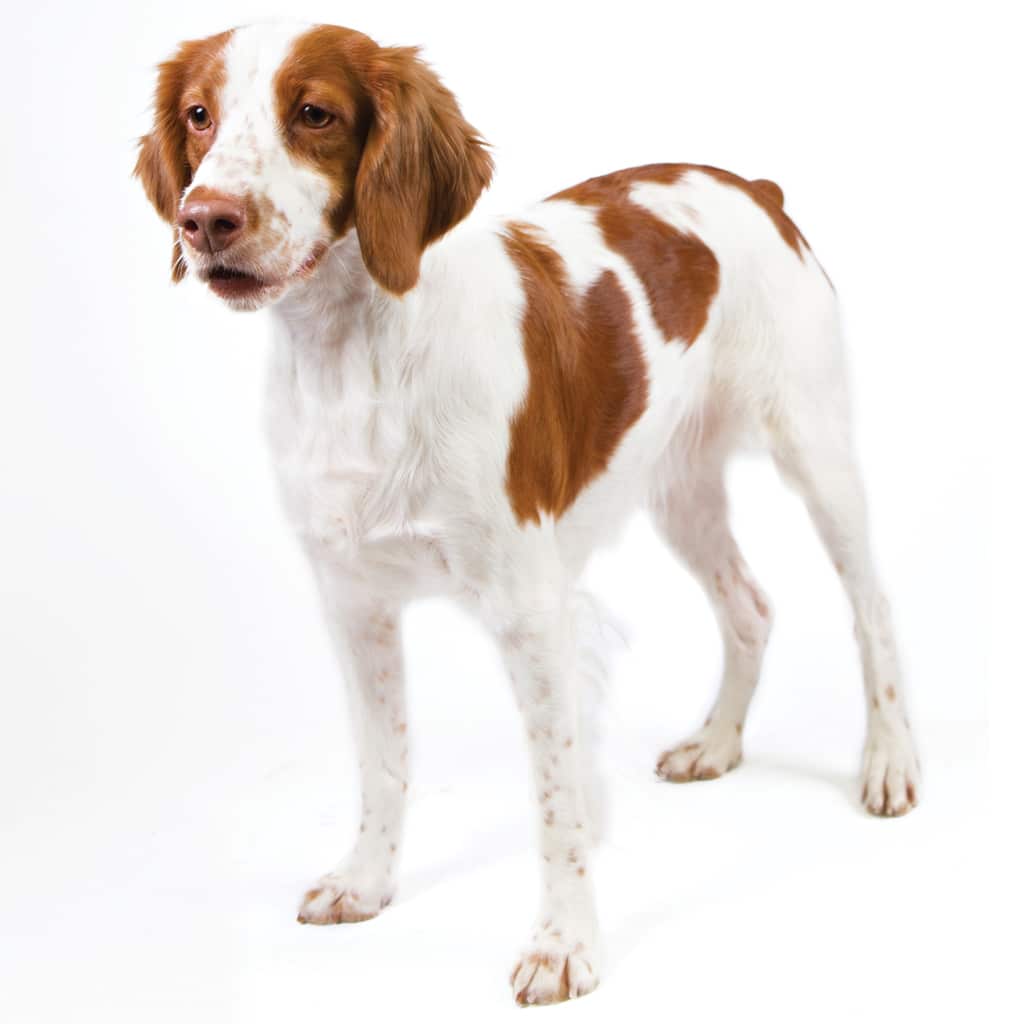
Brittany Spaniels are medium-sized dogs, well-balanced and athletic. Their appearance reflects their hunting roots and energetic lifestyle. They have a natural grace and agility that’s easy to spot, even when they’re just walking around the house or yard.
Height And Weight
| Gender | Height (inches) | Weight (lbs) |
|---|---|---|
| Male | 18–20.5 | 30–40 |
| Female | 17.5–20 | 30–40 |
Brittanys are compact and muscular. They are lighter than many other hunting breeds, which contributes to their agility. Their moderate size makes them easy to handle, even for smaller adults or older children. They’re sturdy without being heavy, and their build is perfect for quick changes in direction while running or playing.
Physical Features
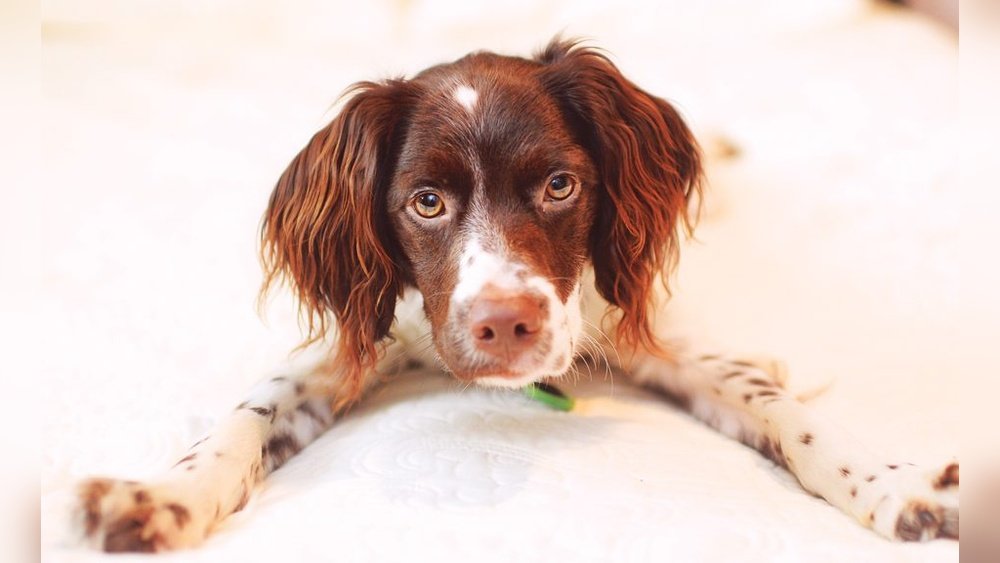
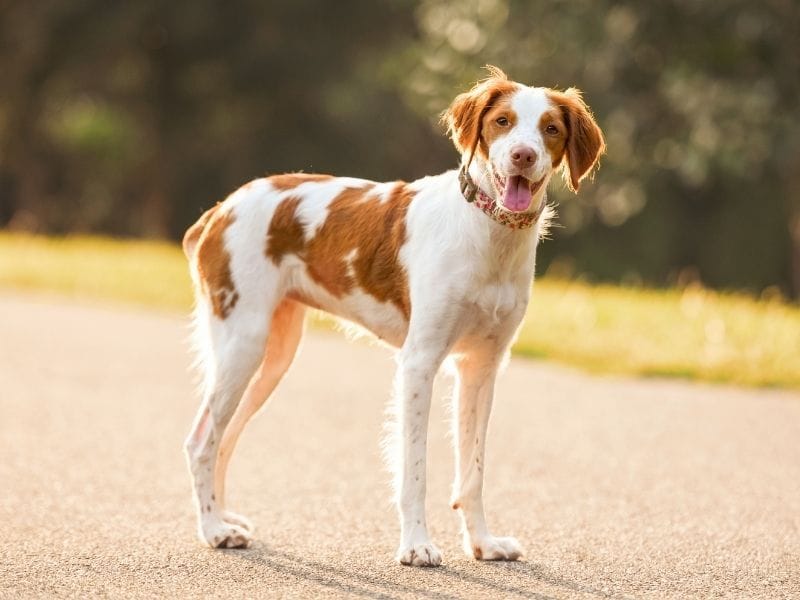
- Coat: Dense, wavy or flat, usually orange and white or liver and white. The coat helps protect them from thorns and brush while hunting.
- Ears: Set high, floppy, and slightly feathered. Their ears give them a soft, friendly expression and can catch dirt, so regular cleaning is necessary.
- Tail: Often docked to 4 inches in the US, but naturally short or undocked in other regions. Some Brittanys are born with naturally short tails.
- Eyes: Expressive, usually amber or hazel. Their eyes are often described as “soft” and are a good indicator of their mood—bright and alert when happy, softer when tired.
Brittanys have a balanced, athletic look. Their chest is deep but not broad, legs are straight and muscular, and their entire body is built for speed and endurance.
Comparison With Other Medium Breeds
| Breed | Average Height | Average Weight | Energy Level |
|---|---|---|---|
| Brittany Spaniel | 18–20.5 in | 30–40 lbs | Very High |
| English Springer Spaniel | 19–20 in | 40–50 lbs | High |
| Cocker Spaniel | 13.5–15.5 in | 20–30 lbs | Moderate |
| Vizsla | 21–24 in | 45–60 lbs | Very High |
Brittanys are lighter and faster than many similar breeds, making them ideal for active owners. Their size is also a plus for those who want a dog that’s easy to lift or travel with but still sturdy enough for outdoor adventures.
Coat Colors And Patterns
The breed standard allows for several color variations:
- Orange and white
- Liver and white
- Tricolor (rare): Liver, orange, and white
Some Brittanys have small spots (called “ticking”) in their white fur, which is also accepted in the breed standard. The coat is easy to maintain but does require regular brushing. The hair is not long enough to tangle easily, but burrs and debris from outdoor play can stick to it.
Care Needs: Daily And Long-term
Brittany Spaniels thrive when their needs are met. Understanding their care requirements is crucial for a happy, healthy dog. Meeting their needs goes beyond simple feeding and walking—Brittanys need both physical and mental activities to avoid frustration.
Exercise Requirements
Brittanys are among the most energetic breeds. They need at least one to two hours of active exercise daily. This can include:
- Running
- Fetch games
- Agility training
- Long walks or hikes
Because of their hunting background, Brittanys love to run off-leash in safe, enclosed areas. If you have a large yard or access to dog parks, this breed will take full advantage. For owners who jog or bike, a Brittany can be a great companion once properly trained to run alongside you.
Without enough activity, Brittanys can develop behavioral issues. Apartment living is possible, but only if you’re committed to daily exercise. For example, a Brittany left alone in a small space without exercise will likely bark, chew, or try to escape out of boredom.
Mental Stimulation
These dogs are intelligent and need mental challenges. Try:
- Puzzle toys
- Obedience training
- Scent games
- Interactive play
Brittanys enjoy learning tricks and solving problems. Teaching new commands or rotating toys keeps their minds sharp. Scent games—like hiding treats for them to find—tap into their natural hunting instincts and provide a satisfying mental workout. Enrolling in obedience or agility classes also helps keep your Brittany engaged, especially if you live in a city with fewer outdoor options.
Regular mental stimulation prevents boredom and destructive behavior. A tired Brittany is a well-behaved Brittany.
Grooming Routine
Brittanys have a coat that’s easy to care for, but some routine is needed.
- Brushing: 2–3 times per week. Removes loose hair and prevents mats. Pay attention to areas behind the ears and legs, where tangles can form.
- Bathing: Every 2–3 months, or when dirty. Too much bathing can dry out their skin, so rinse mud with water between baths if needed.
- Ear Care: Check weekly for dirt and moisture. Clean as needed to avoid infections. Their floppy ears need special attention after swimming or rainy walks.
- Nail Trimming: Every 3–4 weeks. Brittanys who run on hard surfaces may wear their nails down naturally, but always check for overgrowth.
- Teeth Cleaning: Brush teeth several times a week to prevent dental problems. Dental chews can help but don’t replace brushing.
Grooming Comparison Table
| Task | Brittany Spaniel | English Springer Spaniel | Cocker Spaniel |
|---|---|---|---|
| Brushing Frequency | 2–3 times/week | 4–5 times/week | Daily |
| Bathing Frequency | Every 2–3 months | Monthly | Monthly |
| Ear Cleaning | Weekly | Weekly | Weekly |
Brittanys are easier to groom than many spaniel breeds. You’ll spend less time on coat care, but regular attention to ears and teeth is still essential. Their minimal shedding also makes them easier to clean up after compared to some other breeds.
Feeding And Nutrition
A balanced diet supports energy and health. Adult Brittanys need about 1.5–2 cups of high-quality dry food per day, split into two meals. Adjust amounts based on activity level and age. Puppies and highly active adults may need more, while older or less active Brittanys may require less to avoid weight gain.
- Choose food with real meat as the first ingredient. Look for brands that list chicken, turkey, or fish instead of by-products.
- Avoid fillers like corn and soy, which can cause digestive upset or allergies in some dogs.
- For working or very active Brittanys, increase calories as needed. If your Brittany is involved in hunting or dog sports, ask your vet about adjusting their diet during busy seasons.
Water Needs
Always provide fresh water. Brittanys can dehydrate quickly during exercise, especially in hot weather. Carry water and a collapsible bowl on long walks or hikes. Signs of dehydration include heavy panting and lethargy.
Common Feeding Mistakes
- Overfeeding: Brittanys can gain weight if not exercised enough. Stick to recommended portions and adjust if your dog gains or loses weight.
- Poor quality food: Cheap foods may cause allergies or digestive issues. Watch for itchy skin or frequent upset stomachs.
- Table scraps: Avoid feeding human food, especially fatty or salty items. Some foods, like chocolate or onions, are toxic to dogs.
A food puzzle or slow-feeder bowl can add mental stimulation and help prevent your Brittany from eating too quickly.

Credit: www.petplace.com
Health And Lifespan
Brittany Spaniels are generally healthy, but like all breeds, they have specific risks. Knowing these helps you keep your dog safe and happy.
Average Lifespan
Brittanys typically live 12–14 years. With good care, some reach 15 years or more. Regular vet visits and a healthy lifestyle make a difference. A Brittany’s lifespan can be affected by genetics, diet, exercise, and preventive care.
Common Health Issues
- Hip Dysplasia: Genetic condition causing hip joint problems. Symptoms include limping, stiffness, or reluctance to jump.
- Ear Infections: Floppy ears trap moisture, leading to infections. Redness, odor, or scratching are warning signs.
- Epilepsy: Some Brittanys may have seizures. While not common, it’s important to report any unusual behavior to your vet.
- Allergies: Can include skin reactions or food sensitivities. Watch for itching, redness, or ear problems.
- Eye Problems: Cataracts and retinal issues are possible. Regular eye checks during vet visits help catch issues early.
Health Screening And Prevention
- Ask breeders for health certificates, especially for hips and eyes. Responsible breeders screen their dogs to reduce inherited diseases.
- Regular vet visits (at least once per year) for exams and preventive care.
- Keep vaccinations up to date. This protects against serious illnesses.
- Watch for limping, scratching, or changes in appetite, which can signal health problems.
Non-obvious Insights
- Dental Care: Brittanys are prone to dental issues. Early dental routines can prevent costly problems. Red or bleeding gums and bad breath are early warning signs.
- Weight Control: Even active Brittanys can gain weight if neutered/spayed or fed too much. Monitor body condition, not just weight.
Vaccination Schedule
Puppies need several shots:
- 6–8 weeks: Distemper, parvovirus
- 10–12 weeks: DHPP (distemper, hepatitis, parainfluenza, parvovirus)
- 14–16 weeks: Rabies
Annual boosters keep your Brittany protected. Discuss with your vet about other vaccines, such as Lyme or Bordetella, based on your location and activities.
Training And Socialization
Brittany Spaniels are eager learners. Training should start early and be consistent. Positive methods work best, as Brittanys are sensitive and react poorly to harsh correction.
Training Tips
- Use positive reinforcement (treats, praise). Brittanys love to please, and rewards make learning fun.
- Keep sessions short and fun—5 to 10 minutes at a time is enough for young dogs.
- Start with basic commands: Sit, stay, come. Practice in different places to help your dog generalize the commands.
- Gradually add advanced skills like recall and agility. Brittanys often excel in these areas and enjoy the extra challenge.
Socialization
Expose your Brittany to:
- Other dogs and people
- Different environments (parks, streets)
- Noises and sights (traffic, vacuum cleaners, bicycles)
Socialization should begin as early as possible, ideally during puppyhood. If you adopt an adult Brittany, go slowly and use treats to reward calm behavior in new situations.
Early socialization prevents shyness and anxiety. Brittanys who are well-socialized are confident and less likely to develop behavioral issues.
Common Training Mistakes
- Using harsh discipline: Brittanys respond better to encouragement. Yelling or physical correction can make them fearful or stubborn.
- Skipping early socialization: Can lead to nervousness or fear-based behaviors later.
- Inconsistent routines: Causes confusion and slower learning. Make sure all family members use the same commands and reward system.
Experience-based Advice
If your Brittany is stubborn, try changing the reward. Some dogs prefer toys or play instead of food. Also, mix up activities to keep training interesting. For example, use a favorite ball as a reward during obedience practice, or change locations to add excitement.
Living Environment
Where you live affects your Brittany’s happiness. These dogs adapt well but have preferences.
Best Homes For Brittany Spaniels
- Houses with yards for running and playing.
- Active owners who enjoy outdoor activities such as hiking, jogging, or cycling.
- Families with time for daily walks and play. Brittanys do best with owners who include them in daily routines.
Apartment Living
Brittanys can live in apartments, but only if you commit to daily exercise and mental stimulation. Lack of activity can lead to barking or destructive behavior. Using doggy daycare or hiring a dog walker can help if you’re away for long hours.
Outdoor Vs Indoor
Brittanys love the outdoors but need to live inside with their families. Leaving them outside for long periods can cause loneliness and anxiety. They want to be part of family life, not just a yard dog.
Safety Tips
- Secure fences: Brittanys may jump or dig under weak fences. Check your yard regularly for escape routes.
- Avoid off-leash walks unless in a safe, enclosed area. Their strong scent drive can lead them to chase birds or squirrels.
- Provide toys and activities indoors to prevent boredom. Rotate toys to keep things interesting.
Brittany Spaniel As A Working Dog
This breed’s hunting roots are still strong. Brittanys excel in field work and dog sports. Even if you don’t hunt, you can enjoy these activities as a way to bond and burn energy.
Hunting And Field Work
Brittanys are skilled at pointing and retrieving game. They’re used by hunters for:
- Upland bird hunting (pheasants, quail, grouse)
- Waterfowl retrieval (with training, some Brittanys enjoy water)
- Tracking and scent work
Their stamina and agility make them favorites among hunters. They’re also known for their “soft mouth,” which means they carry birds gently without damage.
Dog Sports
Brittanys do well in:
- Agility (running obstacle courses)
- Obedience trials (performing commands in competition)
- Flyball (relay races with balls)
- Rally (following a course with different commands at each station)
Participating in sports is a great way to channel their energy and strengthen your bond. Even casual play in the backyard can satisfy their drive.
Non-obvious Insights
- Even non-working Brittanys benefit from sports or regular outdoor activities. It’s not just about hunting—structured games and challenges keep them happy.
- Training for dog sports can help prevent boredom and behavioral issues. Many Brittanys who compete in sports are calmer at home.
Credit: www.borrowmydoggy.com
Choosing And Adopting A Brittany Spaniel
Finding the right Brittany requires research and preparation.
Breeders Vs Rescue
- Reputable breeders provide health certificates and breed for temperament. Good breeders will answer your questions and allow you to meet the parents.
- Rescue organizations offer adult dogs who need homes. Adoption fees are often lower. Many rescues provide information about the dog’s personality and health.
What To Look For
- Health guarantees for hips, eyes, and epilepsy. Ask to see proof of testing.
- Socialized puppies or adults. Dogs raised in a home environment adjust more easily.
- Clear communication and support from the breeder or rescue. Good sources will help you before and after you bring your dog home.
Common Mistakes
- Buying from puppy mills or pet stores: These dogs may have health or behavior problems. Puppy mills often ignore health and temperament.
- Ignoring temperament: Make sure the dog’s personality fits your lifestyle. A shy dog may not be best for busy homes; a high-energy dog may not suit a quiet family.
- Skipping research: Learn about the breed before committing. Brittanys are not the best choice for inactive owners.
External Resource
For more details on Brittany Spaniel history and breed standards, visit the Brittany Spaniel Wikipedia page.
Brittany Spaniel Care Checklist
Here’s a quick summary of essential care tasks:
- Daily exercise (1–2 hours)
- Weekly brushing and ear checks
- Regular vet visits
- Balanced, high-quality diet
- Early training and socialization
- Mental stimulation (puzzle toys, games)
- Safe, secure home environment
Practical Tips For New Owners
- Start training on day one. Use positive methods and keep sessions short.
- Socialize your Brittany with people and other dogs early.
- Make exercise a routine—morning and evening walks work well.
- Invest in interactive toys to keep your dog’s mind active.
- Watch for signs of boredom or anxiety (chewing, barking).
- Plan for regular vet visits and keep vaccinations up to date.
- Brush your Brittany’s coat and check ears weekly.
- Feed a high-quality diet and avoid overfeeding.
- Learn basic first aid for pets and know emergency contacts in your area.
Frequently Asked Questions
How Much Exercise Does A Brittany Spaniel Need?
Brittany Spaniels need at least one to two hours of active exercise daily. This can include running, hiking, playing fetch, or agility training. Without enough activity, they may develop bad habits like chewing or barking. If your schedule is busy, consider hiring help or using a dog walker.
Are Brittany Spaniels Good With Children?
Yes, Brittanys are usually excellent with children. Their playful and gentle nature makes them ideal family pets. However, always supervise interactions with young kids to ensure safety and prevent accidental knocks. Teaching both the child and dog how to play together safely is important.
What Are The Most Common Health Problems In Brittany Spaniels?
The most frequent health issues are hip dysplasia, ear infections, and epilepsy. Regular vet checkups and early health screenings can help prevent serious problems. Keeping ears clean and feeding a balanced diet are important steps. Also watch for signs of allergies, such as itching or digestive upset.
Can Brittany Spaniels Live In Apartments?
They can, but it’s challenging. Brittanys need lots of exercise and mental stimulation. Apartment owners must commit to daily walks, play, and training. Without this, Brittanys may become bored and destructive. Creating a routine and using puzzle toys can help.
How Often Should I Groom My Brittany Spaniel?
Brush your Brittany 2–3 times per week. Clean ears weekly, trim nails every 3–4 weeks, and bathe every 2–3 months. Their coat is low maintenance compared to other spaniels, but regular grooming helps prevent health issues. Pay extra attention to ears after outdoor play.
Credit: moderndogmagazine.com
Final Thoughts
The Brittany Spaniel is an energetic, intelligent, and affectionate breed. With the right care, training, and environment, these dogs make wonderful companions for active families and individuals. Meeting their needs takes commitment, but the rewards are great—a loyal friend who’s always ready for adventure.
If you’re prepared for daily exercise, mental challenges, and lots of love, the Brittany Spaniel could be your perfect match. With proper socialization, structure, and care, your Brittany will thrive and bring energy and joy to your life for many years.
We’re the dedicated team behind MyPawSafe.com, with over a decade of combined experience in veterinary care, pet emergency response, and animal behavior. While we prefer to let our work speak for itself, our mission is clear: to provide science-backed, vet-approved advice that helps pet owners prevent accidents and save lives.