

The Cane Corso is a striking dog, known for its muscular build, alert eyes, and confident walk. This breed, often called the Italian Mastiff, combines power with intelligence. If you are thinking about bringing a Cane Corso into your life, or just want to learn more about them, this guide will answer your questions. We’ll cover temperament, size, care, training, health, and what daily life with a Cane Corso is really like.
Many people are drawn to Cane Corsos for their noble look and reputation as loyal protectors. But owning such a dog is a big responsibility. These dogs need structure, attention, and a firm but loving hand. They are not for everyone, but for the right owner, a Cane Corso can be the perfect companion.
Let’s explore everything you need to know about this unique breed, from their history to their care needs and what makes them different from other large dogs.
The Origins And History Of Cane Corso
The Cane Corso comes from Italy, where they were bred as guard dogs, hunters, and farm workers. Their name comes from “cane” (dog) and “cohors” (guardian or protector). These dogs have a history that stretches back to Roman times, where their ancestors were used in battles and for protection.
Over the centuries, the Cane Corso worked alongside farmers, guarding livestock, property, and families. They are closely related to the Neapolitan Mastiff, but Cane Corsos were bred to be more agile and versatile. In the 20th century, the breed nearly disappeared, but careful breeding in the 1970s brought them back from the brink.
Today, Cane Corsos are popular across the world, especially in the United States and Europe, as family protectors and working dogs.
Cane Corso Appearance And Size
The Cane Corso is impressive at first sight. Their body is muscular, balanced, and athletic. Unlike some other mastiffs, they are not overly bulky but have clear muscle definition.
| Characteristic | Males | Females |
|---|---|---|
| Height (shoulder) | 24–28 inches | 23.5–26 inches |
| Weight | 99–110 lbs | 88–99 lbs |
| Life expectancy | 9–12 years | 9–12 years |
Their head is large but not exaggerated, with a broad skull and a strong, square muzzle. The ears are often cropped in the United States, but many countries prefer natural, uncropped ears. The tail is usually docked, but again, this depends on local law and personal choice.
The coat is short, stiff, and shiny. Common colors include:
- Black
- Gray (blue)
- Fawn
- Red
- Brindle
White markings may appear on the chest or toes, but too much white is not desirable according to breed standards.
Temperament: What To Expect
A Cane Corso’s temperament is one of the main reasons people are drawn to the breed. They combine loyalty, confidence, and alertness in a way few breeds can match.
Loyalty And Family Bonds
Cane Corsos are deeply loyal to their family. They form strong attachments and want to be close to their people. Many owners describe their Cane Corsos as “shadows” because they follow family members from room to room. They are gentle with children they know and can be very patient.
Protective Instincts
One of the strongest traits of the breed is their protective instinct. They are natural guardians and will act to keep their family safe, sometimes even without training. This means they are often wary of strangers and may not welcome visitors warmly. Early socialization is essential to prevent overprotectiveness or aggression.
Intelligence And Trainability
Cane Corsos are highly intelligent and quick learners. They respond well to training, especially when it is consistent and positive. However, their intelligence means they can get bored easily. They need mental stimulation as much as physical exercise.
Calm But Assertive
When raised well, Cane Corsos are usually calm indoors. They do not bark for no reason. But they are not pushovers. They need an owner who is confident and clear about rules. Without leadership, they may try to take charge.
Common Misunderstandings
Many people think Cane Corsos are naturally aggressive. This is not true if they are raised and trained properly. Their confidence can look intimidating, but with the right owner, they are gentle giants. Problems usually arise from poor training, lack of socialization, or misunderstanding their needs.
Non-obvious insight: Many new owners are surprised by how sensitive Cane Corsos are to their owner’s emotions. They pick up on stress, anger, and tension, and may act out if the household is chaotic. Calm, structured environments help them thrive.
Cane Corso Vs. Other Large Breeds
It’s important to know how Cane Corsos compare to other large dogs, especially if you are deciding between breeds. Here is a comparison with two popular breeds: the Rottweiler and the Neapolitan Mastiff.
| Trait | Cane Corso | Rottweiler | Neapolitan Mastiff |
|---|---|---|---|
| Energy Level | High | Medium-High | Low-Medium |
| Trainability | High | High | Medium |
| Size (lbs) | 88–110 | 80–135 | 110–150 |
| Drooling | Low | Low | High |
| Guarding Instincts | Very strong | Strong | Very strong |
Non-obvious insight: Many people expect Cane Corsos to drool heavily like other mastiffs, but their drooling is usually much less. However, individual dogs can vary, and some do drool more, especially after drinking.

Credit: www.purina.com
Exercise And Activity Needs
A Cane Corso is not a “couch potato” dog. They need regular exercise to stay healthy and happy.
- Daily walks: At least two walks of 30–45 minutes each.
- Playtime: Playing fetch, tug, or running in a safe area is ideal.
- Mental stimulation: Training, puzzle toys, or scent games keep their minds busy.
Without enough activity, Cane Corsos can become bored and destructive. Chewing, digging, or barking may become problems if their energy is not used in positive ways.
Activities They Enjoy
- Obedience training: They love to learn and work with their owner.
- Agility or tracking: Some Cane Corsos excel in sports that challenge their bodies and brains.
- Protection sports: With professional guidance, some participate in sports like Schutzhund or IPO.
Practical tip: Avoid high-impact exercise (like jumping or long runs) with puppies under 18 months. Their bones are still growing and too much stress can cause problems.
Training A Cane Corso
Training is not optional with a Cane Corso—it’s essential. These dogs are smart, strong, and need clear leadership.
Start Early
Begin training and socialization as soon as you bring your puppy home. Introduce them to many people, sounds, places, and other animals. This helps prevent fear or aggression later.
Positive Methods Work Best
Cane Corsos respond well to praise, treats, and play. Harsh methods or punishment can make them fearful or stubborn. Stay calm, be consistent, and reward good behavior.
Key Commands To Teach
- Sit
- Stay
- Come
- Leave it
- Place (go to a specific spot and stay)
These commands are important because of their size and strength. You must be able to control your dog, especially around guests or in public.
Socialization Is Critical
Expose your Cane Corso to new things in a controlled way. Visits to busy parks, walks in town, and meeting other friendly dogs help them learn what is normal and what is not a threat.
Professional Help
If you are new to large breeds, consider working with a professional trainer who has experience with Cane Corsos or similar dogs. Group classes are also a good way to practice around distractions.
Common mistake: Some owners skip socialization because they want their Cane Corso to be a good guard dog. This is risky—the dog may become fearful or aggressive toward everyone. A well-socialized Cane Corso is still protective but knows when to relax.

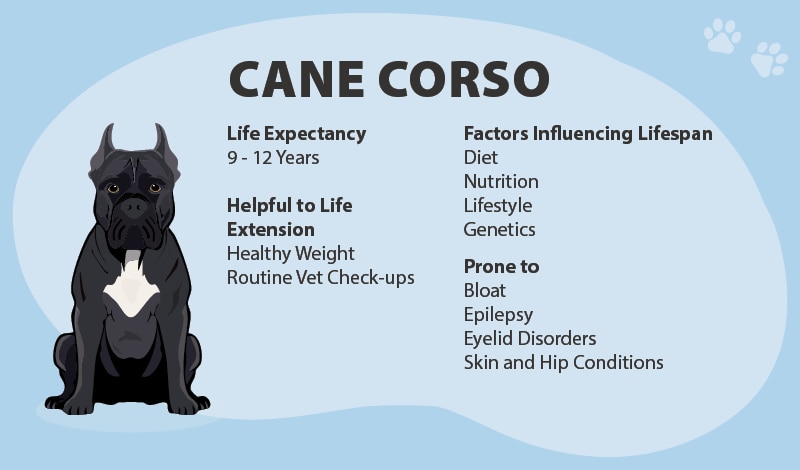
Credit: www.healthextension.com
Health And Lifespan
Cane Corsos are generally healthy, but like all breeds, they have some risks.
Common Health Issues
- Hip Dysplasia: This joint problem is common in large breeds. Responsible breeders test their dogs.
- Elbow Dysplasia: Another joint issue that can cause pain and lameness.
- Cherry Eye: The gland in the third eyelid can pop out. Surgery may be needed.
- Bloat (GDV): A life-threatening stomach twist. Feeding smaller meals and avoiding exercise after eating can help prevent it.
- Heart Problems: Some lines have issues like cardiomyopathy.
Regular vet checkups and preventive care can catch problems early. Most Cane Corsos live 9 to 12 years.
How To Choose A Healthy Puppy
- Ask for health clearances for hips, elbows, and heart.
- Meet the puppy’s parents if possible.
- Avoid breeders who cannot explain their breeding choices or let you see their facilities.
Non-obvious insight: Some Cane Corsos are sensitive to anesthesia. If your dog needs surgery, make sure your vet is aware so they can adjust dosages.
Feeding And Nutrition
Feeding a Cane Corso is not just about quantity—it’s about quality.
How Much To Feed
Adult Cane Corsos need 4 to 6 cups of high-quality kibble per day, split into two meals. The exact amount depends on their weight, age, and activity level.
Key Diet Points
- Protein: Look for foods with at least 24% protein for muscle health.
- Fat: 12–16% fat is ideal for energy.
- Supplements: Large breeds often need added glucosamine and chondroitin for joint support.
Raw Or Home-cooked Diets
Some owners choose to feed raw or home-cooked meals. If you do this, work with a veterinary nutritionist to avoid missing nutrients.
Water
Always provide fresh water. Cane Corsos drink more than smaller breeds, especially after exercise.
Practical tip: Cane Corsos can get “bloat,” so avoid one big meal a day and do not let them run or play hard right after eating.
Grooming And Coat Care
One of the easiest parts of Cane Corso care is grooming.
Coat Care
- Brushing: Once a week with a rubber curry brush or bristle brush removes loose hair and keeps the coat shiny.
- Bathing: Only as needed (every 2–3 months or when dirty).
- Shedding: Cane Corsos shed lightly year-round, but heavily in spring and fall.
Other Grooming Needs
- Nails: Trim every 2–3 weeks. Long nails can cause pain or injury.
- Ears: Clean if dirty, especially if they are not cropped.
- Teeth: Brush 2–3 times a week to prevent tartar and gum disease.
Ear Cropping And Tail Docking
Some owners choose to crop ears or dock tails for traditional reasons. This is controversial and illegal in many places. It does not affect health, but you should be aware of local laws and ethical debates.
Non-obvious insight: Cane Corsos have sensitive skin. Some react to cheap shampoos or strong cleaning chemicals. Use gentle, dog-safe products to avoid irritation.
Living With A Cane Corso
Cane Corsos are not the right choice for every home. They need space, time, and an owner who enjoys training and structure.
Home Environment
- Space: A house with a yard is best. They can live in apartments but only with enough exercise.
- Fencing: Yards must be secure. Cane Corsos can jump surprisingly high and will try to leave if bored.
- Not a “backyard dog”: They want to be near their family. Leaving them alone outside leads to boredom and bad behavior.
With Children
Cane Corsos are usually very good with children they know. They are gentle and protective, but because of their size, supervision is important. Teach children not to tease or climb on the dog.
With Other Pets
Early socialization helps them accept other dogs and even cats. Some Cane Corsos, especially males, may not get along with other large, dominant dogs.
Time Commitment
These dogs do not do well alone for long hours. If you work full-time and are not home much, this breed may not be a good fit.
Travel And Boarding
Cane Corsos are devoted to their families and may get stressed in kennels. If you travel, plan ahead for reliable, experienced care.
Common mistake: Many first-time owners underestimate how much attention Cane Corsos need. They are not independent like some breeds—they want to be involved in daily life.
Credit: www.carecredit.com
Cost Of Ownership
Owning a Cane Corso is a big financial commitment.
Initial Costs
- Puppy Price: $1,500–$4,000 from a reputable breeder
- Supplies: Crate, bed, toys, leash, collar, bowls, etc.
Ongoing Costs
- Food: $60–$100 per month for quality kibble
- Veterinary Care: Annual exams, vaccines, flea/tick prevention, and emergency funds
- Training: Classes or private lessons recommended
- Insurance: Pet insurance is wise due to possible health problems
Unexpected costs can arise, so plan your budget carefully.
Finding A Cane Corso: Breeders, Adoption, And Rescue
Reputable Breeders
Look for breeders who:
- Test for health problems (hips, elbows, heart)
- Let you meet the puppies’ parents
- Limit litter numbers and focus on temperament
Avoid pet stores and online ads selling puppies cheaply. These are often from puppy mills with poor health and socialization.
Adoption And Rescue
Many Cane Corsos end up in shelters or breed rescues because owners were not prepared for their needs. Adopting an adult dog means you may skip the puppy stage but still need to invest in training.
Check breed-specific rescues and reputable shelters. Ask about the dog’s history, temperament, and why it was surrendered.
Practical tip: Some rescues will only place Cane Corsos with experienced owners. Be honest about your background.
For more about the breed’s history and standards, visit the Cane Corso Wikipedia page.
Is A Cane Corso Right For You?
A Cane Corso is a powerful, loyal, and beautiful dog. But they are not for everyone. Ask yourself:
- Do you have time for daily exercise, training, and companionship?
- Are you confident and willing to set rules?
- Can you handle a strong, protective dog in public and at home?
- Do you have the budget for food, care, and vet bills?
If you answer yes, a Cane Corso can be your best friend and a wonderful family member.
But if you want a dog that needs little training, is easy with strangers, or can stay alone all day, another breed may be a better choice.
Frequently Asked Questions
How Much Exercise Does A Cane Corso Need Each Day?
Cane Corsos need at least 60–90 minutes of exercise daily. This can include walks, playtime, and training. Without enough activity, they can become bored and develop bad habits like chewing or digging.
Are Cane Corsos Good With Children?
Yes, they are usually gentle and protective with children they know. However, always supervise play, as their size can accidentally knock down small kids. Early socialization and teaching both dog and children proper behavior is important.
Do Cane Corsos Get Along With Other Dogs And Pets?
With early socialization, many Cane Corsos can live peacefully with other dogs and even cats. However, males may be less tolerant of other large, dominant dogs. Each dog’s personality and training matter.
How Much Does It Cost To Own A Cane Corso?
Expect to spend $2,000–$4,000 for a puppy from a good breeder, plus at least $1,200–$2,000 per year for food, vet care, and supplies. Emergency medical issues or training can add to the cost.
What Is The Average Lifespan Of A Cane Corso?
The average lifespan is 9 to 12 years. Good nutrition, regular vet care, and maintaining a healthy weight help them live longer, healthier lives.
Owning a Cane Corso is a rewarding journey for the right person. They offer protection, loyalty, and affection in a powerful package. If you understand their needs and are ready for the commitment, a Cane Corso can be an incredible addition to your family.

We’re the dedicated team behind MyPawSafe.com, with over a decade of combined experience in veterinary care, pet emergency response, and animal behavior. While we prefer to let our work speak for itself, our mission is clear: to provide science-backed, vet-approved advice that helps pet owners prevent accidents and save lives.