The Dogue de Bordeaux is a breed that commands attention. With its powerful build and expressive face, this French mastiff stands out wherever it goes. But beyond its impressive looks, there’s much more to know about this breed. If you’re considering a Dogue de Bordeaux or just want to learn more, you’ve come to the right place. This guide covers everything you need: temperament, size, care, and plenty of practical advice. Whether you’re new to the breed or planning to welcome one into your family, you’ll find clear, straightforward answers to all your questions.
History And Origins
The Dogue de Bordeaux has a long and fascinating past. This breed is one of the oldest French dog breeds. Its roots stretch back to at least the 14th century. For hundreds of years, the Dogue de Bordeaux worked as a guardian and helper on farms.
These dogs protected livestock, pulled carts, and even guarded the homes of French nobility.
In the 19th century, the breed nearly disappeared. Wars and changing times made life hard for many working dogs. Still, dedicated breeders in southern France kept the Dogue de Bordeaux alive. The breed gained worldwide attention after the 1989 movie “Turner & Hooch,” where a Dogue de Bordeaux starred alongside Tom Hanks.
Today, the breed is valued as a loyal family companion and a watchful protector.
Appearance And Size
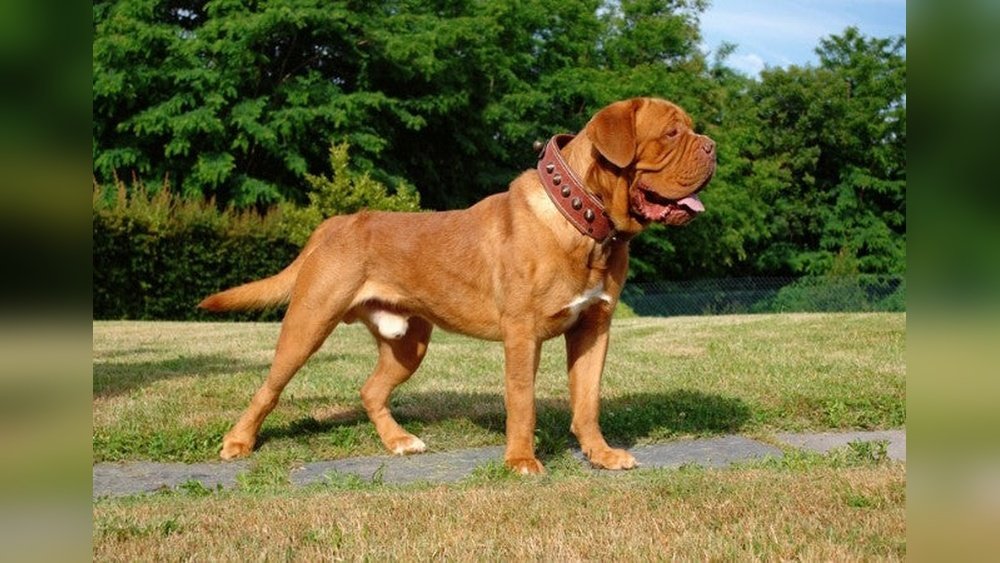
A Dogue de Bordeaux is impossible to miss. Its massive head, muscular neck, and broad chest show its strength. At first glance, some people find the breed intimidating. But for fans of the breed, these features are both beautiful and functional.
Standard Size
Here’s a quick look at the typical size range for an adult Dogue de Bordeaux:
| Sex | Height (at shoulder) | Weight |
|---|---|---|
| Male | 23.5–27 inches (60–69 cm) | 110–140 lbs (50–63 kg) |
| Female | 23–26 inches (58–66 cm) | 99–130 lbs (45–59 kg) |
These dogs are shorter than some mastiff breeds, but much broader and heavier. Their stocky build and large bones give them a distinctive silhouette.
Key Physical Features
- Head: Broad and deeply wrinkled with a short, wide muzzle.
- Eyes: Usually dark hazel, set well apart.
- Ears: Small, set high, and hang down.
- Coat: Short, fine, and soft to the touch.
- Color: Shades of fawn, from light to dark red. A small white patch on the chest is common.
One thing beginners often miss: the breed’s loose skin, especially around the face, isn’t just a “cute” feature. It protected the dog in its working days, helping prevent bites from livestock or intruders from causing serious injury.
Temperament And Personality
The Dogue de Bordeaux is sometimes called a “gentle giant. ” This nickname is often true at home, but there’s more to their personality than just being calm.
At Home
With family, the Dogue de Bordeaux is usually:
- Loyal: Forms strong bonds and wants to be close to its people.
- Affectionate: Enjoys cuddling and being touched, often acting like a big lapdog.
- Protective: Instinctively guards home and family, but rarely aggressive without reason.
These dogs are especially patient with children. They often tolerate noisy play or tail-tugging better than many breeds. Still, supervision is always essential—no dog this size should be left alone with small children.
With Strangers And Other Animals
The Dogue de Bordeaux is naturally wary of strangers. Early socialization is vital. Without it, the dog may become too suspicious or even fearful. With proper training, most are polite but reserved with visitors.
With other animals, results vary. Some Dogues live peacefully with other dogs or cats if raised together. However, males can be dominant with other large dogs, especially of the same sex. Careful introductions and ongoing supervision are important.
Common Misunderstandings
Many people think a big, tough-looking dog like this must be mean or stubborn. In reality, the Dogue de Bordeaux is eager to please its owner. They respond well to positive reinforcement. Harsh training methods often backfire, making them anxious or withdrawn.
A non-obvious insight: While these dogs are calm indoors, they are not lazy. They need mental stimulation and regular activity to prevent boredom.
Exercise And Activity Needs
Despite their size, Dogues de Bordeaux are not marathon runners. Their bodies are built for short bursts of strength, not endurance. Still, they need daily exercise to stay healthy.
How Much Exercise?
- Adults: 30–45 minutes of moderate activity per day.
- Puppies: Short, gentle walks and play (avoid over-exercising to protect growing joints).
- Seniors: Slower, shorter walks, but don’t skip daily movement.
Good Activities
- Leisurely walks: Two to three shorter walks are better than one long one.
- Play sessions: Tug-of-war, fetch (with soft toys), or gentle wrestling.
- Training games: Hide-and-seek, basic obedience, or scent work.
Avoid high-impact activities like jumping or running beside a bike. These can damage the breed’s joints, especially in growing puppies.
Signs Of Overexertion
Dogues de Bordeaux can overheat easily, especially in warm weather. Watch for:
- Heavy panting
- Slowing down or lying down suddenly
- Dark red gums
If you see these signs, stop the activity and offer water. Take extra care during the summer months.
Diet And Nutrition
Feeding a Dogue de Bordeaux is a serious responsibility. Their large size means they need plenty of calories, but those calories must come from quality food to support healthy growth and muscle maintenance.
Typical Diet
Most adults eat 4–6 cups of high-quality dog food daily, split into two meals. This amount varies depending on the dog’s age, sex, activity level, and metabolism.
Key Nutritional Needs
- Protein: Supports muscle and tissue repair. Look for foods with meat as the first ingredient.
- Fat: Provides energy but should not be excessive. Too much fat can lead to obesity.
- Calcium and phosphorus: Critical for puppies; the balance must be right to avoid bone problems.
- Joint supplements: Glucosamine and chondroitin may help support healthy joints, especially in older dogs.
| Life Stage | Calories per Day (approx.) | Feeding Tips |
|---|---|---|
| Puppy | ~1,800–2,500 | 4 meals/day, large breed puppy formula |
| Adult | ~1,500–2,000 | 2 meals/day, control treats |
| Senior | ~1,200–1,600 | 2 meals/day, watch weight |
Feeding Tips
- Use a slow-feed bowl to reduce risk of bloat (a serious and sometimes deadly condition).
- Do not feed right before or after heavy exercise.
- Watch body condition, not just weight. If ribs are hard to feel, reduce food slightly.
A common mistake: switching to adult food too early. Large breed puppies need special nutrition for at least 18–24 months.
Grooming And General Care
The Dogue de Bordeaux’s short coat is easy to care for, but there are other grooming tasks you cannot skip.
Grooming Routine
- Brushing: Once a week with a soft brush removes loose hair and keeps skin healthy.
- Bathing: Once every 6–8 weeks or as needed. Use gentle, dog-safe shampoo.
- Facial folds: Clean wrinkles and skin folds every few days. Use a damp cloth and dry thoroughly to prevent infections.
- Nails: Trim every 2–3 weeks, or as soon as you hear them click on the floor.
- Ears: Check weekly for redness, wax, or odor. Clean with a vet-recommended solution.
- Teeth: Brush teeth 2–3 times a week. Large breeds are prone to tartar and gum disease.
Shedding
The breed sheds moderately all year. Shedding increases in spring and fall. Regular brushing helps keep hair off your furniture and clothes.
Drooling
One thing new owners often miss: Dogues de Bordeaux drool a lot. Drool can fly after drinking, eating, or even shaking their head. Keep towels handy in key areas of your home.

Credit: www.borrowmydoggy.com
Health And Lifespan
Large breeds like the Dogue de Bordeaux often face certain health challenges. Responsible ownership means knowing the risks and working with your vet to keep your dog healthy.
Common Health Issues
- Hip and elbow dysplasia: Abnormal joint development can cause pain and lameness.
- Heart disease: Dilated cardiomyopathy and aortic stenosis are seen in this breed.
- Bloat (gastric torsion): The stomach fills with gas and twists. This is an emergency.
- Skin infections: Wrinkles and folds can trap moisture and bacteria.
- Cancer: Mast cell tumors and lymphosarcoma appear more often in this breed than some others.
Lifespan
The typical lifespan is 5–8 years. This is shorter than many breeds, but not unusual for a giant dog.
| Health Factor | Typical Impact | Prevention/Tips |
|---|---|---|
| Hip Dysplasia | Can cause arthritis, mobility issues | Choose reputable breeder, maintain healthy weight |
| Heart Disease | Fatigue, coughing, fainting | Annual vet checks, heart-healthy diet |
| Bloat | Life-threatening emergency | Feed smaller meals, avoid exercise after eating |
| Skin Problems | Itching, redness, infection | Clean folds, regular vet checks |
Vet Care
Annual checkups are essential. For seniors, twice-yearly visits are better. Discuss any breed-specific tests with your vet, such as heart ultrasounds or hip x-rays. Ask about preventive care for bloat, such as gastropexy surgery for high-risk dogs.
Insurance
Consider pet insurance early. Medical care for giant breeds can be expensive, especially if surgery or hospitalization is needed.
Training And Socialization
A well-trained Dogue de Bordeaux is a joy. An untrained one can quickly become a handful, simply due to its size and strength.
Starting Early
- Begin training at 8–10 weeks of age.
- Use positive reinforcement: Treats, praise, and play.
- Avoid harsh corrections. This breed can be sensitive and may shut down if treated roughly.
Key Commands
Focus on these basics first:
- Sit
- Down
- Stay
- Come
- Leave it
- Heel (walking calmly on a leash)
Socialization
Expose your puppy to:
- Different people: Men, women, children, people with hats or canes.
- Noises: Vacuum, doorbell, cars, thunder.
- Surfaces: Grass, tile, carpet, gravel.
Aim for at least one new experience every day for the first 16 weeks. Positive experiences now lead to a confident adult dog.
Adolescence
Between 8–24 months, many Dogues go through a stubborn phase. Keep training sessions short and upbeat. If you struggle, seek help from a professional trainer who knows large guardian breeds.
Common Owner Mistakes
- Letting a puppy get away with behaviors you won’t want in an adult (like jumping up or nipping).
- Skipping socialization because the puppy seems “calm enough.”
- Not teaching leash manners early—an untrained 120-pound dog is hard to control.
Living With A Dogue De Bordeaux
Welcoming a Dogue de Bordeaux into your life means making some adjustments. Here’s what you need to know about daily life with this breed.
Home Environment
- Space: A large, securely fenced yard is ideal but not required. Apartment living is possible if you commit to regular walks.
- Fencing: At least 6 feet high. These dogs rarely jump fences but may push through weak spots.
- Sleeping area: Provide a large, soft bed. Hard floors are tough on their joints.
- Temperature: Dogues are sensitive to heat. Keep them indoors on hot days and provide shade and water outside.
Family Dynamics
Dogues de Bordeaux thrive in homes where someone is usually present. They do not like being left alone for long periods. Loneliness can lead to destructive behavior.
They are best suited for families with older children. While patient, their size and strength can accidentally knock over small kids.
Travel And Outings
Most Dogues enjoy car rides, but you’ll need a large vehicle. Always use a harness or crate for safety.
Public outings require planning. Not everyone will be comfortable with such a big dog. Leash manners and a calm temperament help you both enjoy trips to parks or family events.
Choosing A Dogue De Bordeaux
If you’re sure this breed is right for you, take your time choosing a healthy, well-bred puppy or adult.
Finding A Reputable Breeder
- Look for breeders who health-test their dogs for hips, heart, and other common issues.
- Meet both parents if possible. Temperament is inherited.
- Ask about early socialization. Puppies raised in the home, with lots of human contact, usually adjust best to family life.
- Be wary of breeders who always have puppies available or cannot answer health questions.
Adoption
Consider adopting from a breed rescue or shelter. Many adults need new homes due to changes in their owners’ lives, not because of bad behavior.
Costs
Expect to pay $1,500–$3,000 for a well-bred puppy. Adoption fees are usually lower ($300–$600).
Remember, the purchase price is only the beginning. Food, vet care, training, and supplies cost much more over the dog’s life.

Credit: www.webmd.com
Common Owner Challenges And Solutions
Owning a Dogue de Bordeaux can be rewarding, but not every challenge is obvious at first.
Challenge 1: Drool Management
Solution: Place absorbent mats under water bowls. Train your dog to wait for a quick face wipe after meals. Keep “drool towels” by the door.
Challenge 2: Heavy Shedding
Solution: Brush weekly, and more often during spring and fall. Use a vacuum designed for pet hair.
Challenge 3: Health Care Costs
Solution: Budget for regular vet visits and unexpected expenses. Consider pet insurance, especially for emergencies.
Challenge 4: Short Lifespan
It’s hard to lose a beloved pet after only 5–8 years. This is an emotional challenge, not a practical one, but it’s worth considering before you choose this breed.
Challenge 5: Strong Guarding Instinct
Dogues need clear leadership and calm, confident handling. They should never be encouraged to be aggressive. If you’re unsure, work with a trainer experienced with mastiffs.
Is The Dogue De Bordeaux Right For You?
Ask yourself these questions:
- Can you handle a giant, powerful dog?
- Do you have time for daily walks, training, and grooming?
- Are you prepared for drool, hair, and a bit of mess?
- Can you afford the costs of food, vet care, and emergencies?
- Are you ready for a dog that may only live 5–8 years?
If you answered “yes,” and you want a devoted, loving companion, the Dogue de Bordeaux could be an excellent match.
If you’re still unsure, visit a dog show or connect with breed clubs. Meeting the breed in person will give you a much clearer idea of what life with a Dogue is really like. For more details about the breed’s standards, visit the Dogue de Bordeaux Wikipedia page.

Credit: www.borrowmydoggy.com
Frequently Asked Questions
How Much Exercise Does A Dogue De Bordeaux Need Each Day?
An adult Dogue de Bordeaux needs 30–45 minutes of moderate exercise daily. This can be split into two or three walks, plus some playtime. Puppies need shorter walks, and seniors require gentle movement to stay healthy. Avoid over-exercising, especially in heat or when the dog is young.
Are Dogues De Bordeaux Good With Children?
Yes, the breed is usually gentle and patient with children. They often tolerate noise and play well. However, always supervise interactions, especially with young kids. Their large size means they can accidentally knock over children, even during friendly play.
How Much Does It Cost To Own A Dogue De Bordeaux?
Owning this breed can be expensive. Expect to spend $1,500–$3,000 for a well-bred puppy. Annual costs for food, vet care, and supplies can easily reach $2,000–$3,000. Emergency medical care or surgery costs much more. Budget carefully before bringing one home.
Do Dogues De Bordeaux Drool A Lot?
Yes, heavy drooling is common. This breed has loose lips and jowls, leading to drool after eating, drinking, or excitement. Keep towels handy, and be prepared to clean their face regularly.
What Is The Average Lifespan Of The Dogue De Bordeaux?
The typical lifespan is 5–8 years. This is shorter than most other breeds due to their large size and genetic health risks. Responsible breeding, good nutrition, and regular vet care can help your dog live as long and healthy a life as possible.
Bringing a Dogue de Bordeaux into your home is a serious commitment, but for the right family, it’s one of the most rewarding experiences. With patience, knowledge, and love, you’ll build a strong bond with this gentle giant that will last a lifetime.

We’re the dedicated team behind MyPawSafe.com, with over a decade of combined experience in veterinary care, pet emergency response, and animal behavior. While we prefer to let our work speak for itself, our mission is clear: to provide science-backed, vet-approved advice that helps pet owners prevent accidents and save lives.