The Giant Schnauzer is a dog that leaves a strong impression. With its powerful build, dense beard, and sharp gaze, this breed is often seen as both a loyal companion and a serious working dog. But the Giant Schnauzer is more than just its bold looks; it is a breed rich in character, intelligence, and energy.
If you’re thinking about adding one to your family, or if you simply want to understand what makes this breed so special, this complete guide covers everything from temperament and size to daily care.
Whether you’re a first-time dog owner or someone with experience, understanding the needs and nature of the Giant Schnauzer will help you form a lasting bond and ensure a happy, balanced life for your pet. Let’s explore the world of the Giant Schnauzer in depth.
The Origin And History Of The Giant Schnauzer
The Giant Schnauzer comes from Germany, where it was first bred in the 17th century. Farmers needed a strong, smart, and tough dog to help herd cattle and guard property. To create the Giant Schnauzer, breeders crossed the Standard Schnauzer with larger working breeds like the Great Dane and Bouvier des Flandres.
This mix resulted in a dog that was not only bigger but also more protective and alert. Over time, the breed took on new roles, including working as police dogs, military dogs, and even in search and rescue. Today, Giant Schnauzers are appreciated worldwide for their versatility and loyalty.
Physical Characteristics: Size, Appearance, And Coat
The Giant Schnauzer stands out in any crowd. Its size alone commands attention, but it is the combination of strength and elegance that really sets this breed apart.
Size And Weight
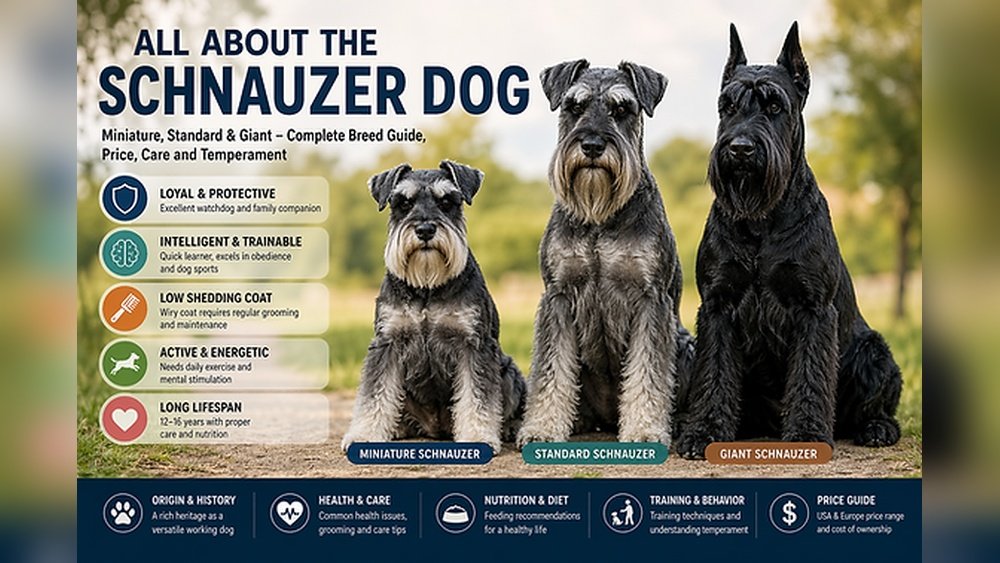
Adult male Giant Schnauzers usually stand 25.5 to 27.5 inches tall at the shoulder, while females are slightly shorter at 23.5 to 25.5 inches. Their weight ranges from 60 to 85 pounds, depending on gender and genetics. This makes them one of the largest among the three Schnauzer breeds.
Here’s a quick look at the size differences among Schnauzer types:
| Breed | Height (inches) | Weight (pounds) |
|---|---|---|
| Miniature Schnauzer | 12-14 | 11-20 |
| Standard Schnauzer | 17.5-19.5 | 30-50 |
| Giant Schnauzer | 23.5-27.5 | 60-85 |
Appearance
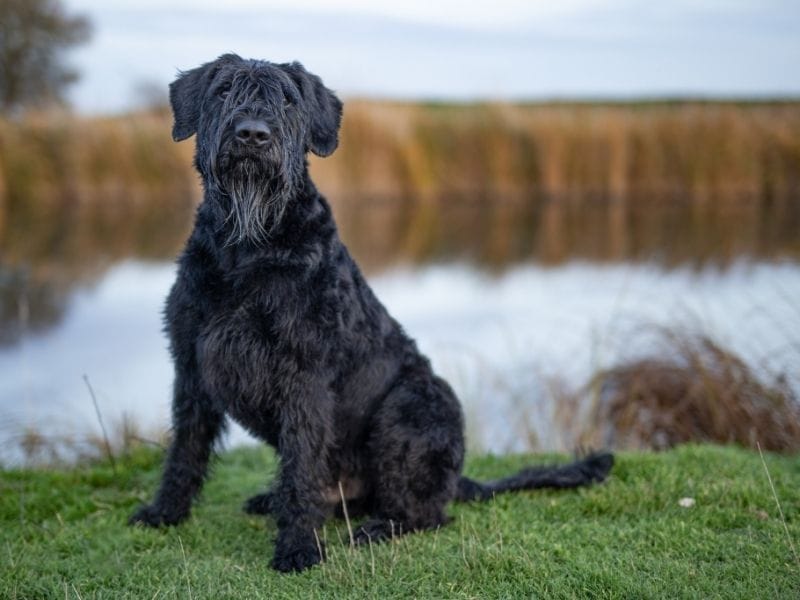
The Giant Schnauzer has a robust, square-shaped body with a deep chest and strong legs. Its most unique features are the bushy eyebrows and thick beard, which give the breed a wise, alert expression.
Coat And Color
This breed’s coat is dense, wiry, and harsh to the touch. The double coat helps protect the dog from cold weather and rough terrain. The most common colors are:
- Solid black
- Salt and pepper (a mix of gray and white hairs)
Some dogs may have a small white patch on the chest, but this is not standard for show dogs.
Grooming Needs
The Giant Schnauzer’s coat requires regular hand-stripping or clipping to keep it in shape. If neglected, the coat can become matted and uncomfortable. Grooming also helps control shedding, which is moderate for this breed.

Credit: patipath.com
Temperament: What It’s Like Living With A Giant Schnauzer
Living with a Giant Schnauzer is a unique experience. These dogs are known for their intelligence, loyalty, and strong protective instincts. However, their personalities are complex and need understanding.
Intelligence And Trainability
Giant Schnauzers are among the smartest working breeds. They learn commands quickly and enjoy mental challenges. This makes them great at obedience, agility, and even advanced tasks like scent work or protection training.
But their intelligence can be a double-edged sword. If not given enough to do, they get bored easily and may develop bad habits. They thrive when given clear rules and regular training sessions.
Loyalty And Family Bonds
This breed forms strong bonds with family members. They are known to be deeply loyal and protective, sometimes even to a fault. A Giant Schnauzer will watch over children and adults alike, often acting as a gentle guardian.
Despite their size, they can be surprisingly affectionate, enjoying time with their people. However, they are not always friendly with strangers. Socialization from a young age is critical to prevent shyness or overprotectiveness.
Energy Level And Exercise Needs
Giant Schnauzers are high-energy dogs. They need at least 1-2 hours of vigorous activity each day. This can include:
- Long walks or jogs
- Playtime in a secure yard
- Structured games like fetch or tug
- Dog sports such as agility or tracking
Without enough exercise, they can become restless and develop unwanted behaviors like barking or chewing.
Social Behavior And Compatibility
Giant Schnauzers are naturally wary of strangers, making them excellent watchdogs. However, they are not naturally aggressive. With proper training, they can learn to greet guests politely.
When it comes to other pets, results can vary. Some Giant Schnauzers get along well with other dogs, especially if raised together. Smaller animals, like cats or rodents, might trigger their prey drive. Careful introduction and supervision are necessary.
Non-obvious Insight: Sensitivity To Owner’s Mood
Many people overlook the fact that Giant Schnauzers are highly sensitive to their owner’s emotions. If you are stressed or upset, your dog will pick up on it and may become anxious. Calm, confident leadership helps them feel secure and balanced.
Non-obvious Insight: Adolescence Phase
Giant Schnauzers go through a challenging adolescence period between 8-18 months. During this time, they may test boundaries and become more stubborn. Staying consistent with training and boundaries is key to guiding them through this phase.
Daily Care: Meeting The Needs Of A Giant Schnauzer
Bringing a Giant Schnauzer into your life means committing to their physical and mental well-being. Here’s what you need to know.
Exercise And Mental Stimulation
A tired Giant Schnauzer is a happy one. Their working background means they crave tasks and challenges. Basic walks are not enough. Mix up their routine with activities like:
- Scent games (hide treats or toys)
- Obedience drills in new locations
- Interactive toys and puzzles
- Dog sports (e.g., agility or rally)
Diet And Nutrition
Feeding your Giant Schnauzer a high-quality diet is essential. They do best on protein-rich food with balanced fats and carbohydrates. Most adults need 3-4 cups of dry food daily, divided into two meals. Active dogs or working Schnauzers may require more calories.
Be cautious with treats, as this breed can gain weight if overfed. Regularly check their weight and adjust portions as needed.
Grooming And Coat Care
Proper grooming goes beyond just looks. Regular care keeps your dog healthy and comfortable.
Key Grooming Steps:
- Brushing: Brush 2-3 times per week to prevent tangles.
- Hand-stripping or clipping: Every 6-8 weeks to maintain the coat’s texture.
- Bathing: Once every 2-3 months, unless very dirty.
- Ears: Clean weekly to prevent infections.
- Teeth: Brush several times a week for dental health.
- Nails: Trim every 3-4 weeks.
Professional grooming is recommended, especially for show dogs. Home grooming is possible, but it takes practice to master the Schnauzer’s unique look.
Health And Wellness
Giant Schnauzers are generally healthy, but like any breed, they are prone to certain conditions. Responsible breeders screen for these issues, but it’s wise to be aware:
- Hip dysplasia: Affects joint health; regular exercise and healthy weight help prevent it.
- Hypothyroidism: Causes weight gain and low energy; treatable with medication.
- Autoimmune diseases: Some lines are prone to immune system issues.
- Cancer: Like many large breeds, the risk increases with age.
- Eye conditions: Such as cataracts or progressive retinal atrophy.
Regular vet check-ups, vaccinations, and parasite control are essential for a long, healthy life.
Living Space And Environment
The Giant Schnauzer is best suited to homes with secure, fenced yards. Apartments are possible, but only if the owner is very active and committed to exercise.
This breed is not ideal for people who are away from home all day. They can develop separation anxiety and destructive behaviors if left alone for long periods.
Training And Socialization
Early and ongoing training is a must. Giant Schnauzers respond well to positive reinforcement methods. Start with basic obedience, and progress to more advanced skills as your dog matures.
Socialization should begin in puppyhood and continue throughout life. Expose your dog to new people, animals, places, and experiences to prevent fearfulness or aggression.
Cost Of Ownership
Owning a Giant Schnauzer is a significant investment. Here’s a breakdown of estimated annual costs:
| Expense | Estimated Cost (USD/year) |
|---|---|
| Food | $600-$900 |
| Grooming | $400-$800 |
| Vet care (routine) | $300-$600 |
| Training & activities | $200-$600 |
| Supplies (toys, beds, etc.) | $100-$300 |
| Total | $1,600-$3,200 |
Unexpected medical issues or emergencies can add to this amount. Pet insurance can help manage costs.
Credit: www.borrowmydoggy.com
Is The Giant Schnauzer Right For You?
Choosing a Giant Schnauzer is a big decision. This breed is not for everyone, but for the right owner, it can be a truly rewarding relationship.
Ideal Owner Profile
You might be a good match if you:
- Enjoy an active lifestyle
- Have previous dog experience (especially with large breeds)
- Can provide daily exercise and mental stimulation
- Are willing to invest time in training and socialization
- Have a secure yard or access to open spaces
Families with older children often do well with this breed. Very young kids may be accidentally knocked over by an enthusiastic Schnauzer.
Common Mistakes New Owners Make
Many first-time owners underestimate:
- Exercise needs: These dogs are not couch potatoes.
- Grooming demands: Their coat needs regular, skilled care.
- Training requirements: A bored Giant Schnauzer will find trouble.
- Size and strength: They are powerful and need to be managed confidently.
Comparison With Similar Breeds
It’s helpful to see how the Giant Schnauzer stacks up against other large working dogs:
| Breed | Temperament | Exercise Needs | Grooming |
|---|---|---|---|
| Giant Schnauzer | Protective, intelligent, loyal | Very high | High (stripping/clipping) |
| German Shepherd | Confident, versatile, obedient | High | Moderate (brushing) |
| Doberman Pinscher | Alert, loyal, energetic | High | Low (short coat) |
| Rottweiler | Calm, confident, strong-willed | Moderate | Low (short coat) |
This table shows that while the Giant Schnauzer shares some traits with other working breeds, its grooming needs and intensity level are higher.
Raising A Giant Schnauzer Puppy
Bringing home a Giant Schnauzer puppy is a joyful but busy time. Early investment in the right habits sets the foundation for a well-behaved adult.
Puppy Socialization
Expose your puppy to new sights, sounds, people, and places during the first few months. Puppy classes are a great way to start. Socialization reduces the risk of fear-based behaviors and makes your dog more adaptable.
Early Training
Start with:
- Name recognition
- Potty training
- Basic commands: Sit, stay, come, leave it
Use short, positive training sessions. Puppies have short attention spans, so keep lessons fun.
Puppy-proofing Your Home
Giant Schnauzer puppies are curious and can get into trouble. Remove hazards like electrical cords, small objects, and toxic plants. Provide plenty of safe toys to chew on.
Teething And Chewing
During teething, your puppy will look for things to chew. Offer sturdy chew toys and redirect them away from furniture or shoes.
Vaccinations And Vet Visits
Keep up with the recommended vaccination schedule. Regular vet visits help catch any health issues early.
Growth And Development Stages
Giant Schnauzers grow quickly, but their joints and bones need time to mature. Avoid strenuous exercise like jumping until your puppy is at least 18 months old to protect their developing body.

Credit: www.vetsaglik.com
Activities And Jobs For The Giant Schnauzer
The Giant Schnauzer is happiest when it has a job. Their working roots mean they excel at many activities beyond just being a family pet.
Popular Activities
- Agility: Fast-paced obstacle courses that test speed and coordination.
- Obedience trials: Compete in events that require precise commands and behaviors.
- Tracking: Follow scent trails for fun or competitions.
- Protection sports: Like Schutzhund, which combines obedience, tracking, and protection work.
- Therapy and service work: With the right temperament and training, some Giant Schnauzers make excellent therapy or service dogs.
At-home Enrichment Ideas
When you can’t join organized activities, try these at home:
- Hide treats or toys for your dog to find
- Teach new tricks regularly
- Use food-dispensing puzzle toys
- Build simple obstacle courses in your backyard
The Importance Of Purpose
Giant Schnauzers don’t just want to be part of the family—they want to contribute. Giving them a sense of purpose leads to a more balanced, happy dog.
Health, Lifespan, And Preventive Care
With proper care, the Giant Schnauzer is a robust and long-lived breed.
Average Lifespan
Most Giant Schnauzers live 12 to 15 years. This is quite good for a large breed.
Preventive Health Steps
- Annual vet exams and regular vaccinations
- Screenings for hip and elbow dysplasia, thyroid issues, and eyes
- Healthy diet and weight management
- Daily exercise to maintain muscle tone and heart health
- Dental care to prevent gum disease
Spaying And Neutering
Discuss the right age for spaying or neutering with your vet. It can reduce the risk of some cancers and health issues, but timing can impact growth and development.
Genetic Testing
If buying from a breeder, ask about genetic testing for common health issues. Reputable breeders will share these results and provide health guarantees.
Adopting Or Buying A Giant Schnauzer
Choosing where to get your Giant Schnauzer is as important as picking the breed itself.
Reputable Breeders
A good breeder focuses on health, temperament, and the well-being of their dogs. They will:
- Provide health clearances for both parents
- Let you meet the puppies and mother
- Offer support after you bring your puppy home
Avoid breeders who cannot answer your questions or who sell puppies without proper papers.
Rescue Organizations
Adopting from a rescue can be very rewarding. Many adult Giant Schnauzers need new homes. Rescues often evaluate the dog’s temperament and can help match you with a suitable companion.
Price Range
Expect to pay $1,500 to $3,500 for a puppy from a reputable breeder. Adoption fees from rescues are usually lower, ranging from $300 to $700.
Travel And Shipping
If you buy a puppy from out of state, consider travel costs and the stress of shipping on the dog. Meeting the puppy in person before purchase is always best.
Red Flags To Watch For
- Puppies available at all times
- No health testing or documentation
- Poor living conditions
- Pressure to buy quickly
Doing your homework now will save heartache later.
Frequently Asked Questions
What Is The Typical Lifespan Of A Giant Schnauzer?
Giant Schnauzers live on average 12 to 15 years. With good care, regular vet visits, and a healthy lifestyle, some can live even longer.
Are Giant Schnauzers Good With Children?
Yes, they are generally good with older children. Their size and energy may be too much for small kids, but with training and supervision, they make loyal family companions.
Do Giant Schnauzers Shed A Lot?
They have moderate shedding. Regular brushing and professional grooming help control loose hair. Their double coat needs special care to avoid matting.
How Much Exercise Does A Giant Schnauzer Need?
They need at least 1-2 hours of vigorous exercise daily. Without enough activity, they can become bored and develop behavioral problems.
Where Can I Learn More About The Giant Schnauzer Breed Standard?
For detailed breed standards, visit the American Kennel Club website.
The Giant Schnauzer is not just a pet—it’s a partner for active, dedicated owners who appreciate intelligence, loyalty, and a dash of spirited independence. With the right care and environment, this breed will reward you with years of companionship and unforgettable moments.
If you’re ready for the challenge and the joy, the Giant Schnauzer may be the perfect addition to your home.

We’re the dedicated team behind MyPawSafe.com, with over a decade of combined experience in veterinary care, pet emergency response, and animal behavior. While we prefer to let our work speak for itself, our mission is clear: to provide science-backed, vet-approved advice that helps pet owners prevent accidents and save lives.