Most dog owners have faced the moment when their furry friend jumps onto the couch or bed, making themselves comfortable. For some, it’s a cute habit; for others, it’s a real problem. Whether your dog leaves muddy paw prints, sheds fur everywhere, or simply ignores your “off” command, you’re not alone.
Stopping a dog from jumping on furniture is a common challenge, but with the right knowledge and some patience, it’s possible for any pet parent. This guide will show you clear steps, practical solutions, and real-life examples to help your dog learn to stay off the furniture.
You’ll also find helpful comparisons and answers to common questions, making it easier to understand what works and what doesn’t.
Why Dogs Jump On Furniture
Dogs jump on furniture for different reasons. The most common reason is that they want to be near their humans. Dogs are social animals. They like to be close to you, and the couch or bed is usually where people spend time relaxing.
Another reason is comfort. Soft surfaces like sofas and beds feel better than the floor. For many dogs, furniture smells like their owners, which is reassuring. Sometimes, dogs jump on furniture because they are bored or want attention.
Puppies often copy their owners. If you invite your pup onto the couch even once, they remember it as a reward. Also, some dogs jump up to mark their territory or simply because they haven’t learned the rules yet.
Is It Really A Problem?
Some families are fine with dogs on the couch. Others want to keep furniture clean and safe. There are practical reasons to stop this habit:
- Allergies: Dog fur and dander can cause allergic reactions.
- Damage: Claws and teeth can damage fabric and wood.
- Hygiene: Dogs can bring dirt, bugs, or bacteria onto furniture.
- Safety: Large dogs jumping can hurt children or elderly people.
According to the American Pet Products Association, over 67% of U. S. households own pets, and many pet owners report issues with furniture damage. If you want to keep your furniture in good shape and set clear boundaries, it’s important to teach your dog where they are allowed.
Common Mistakes Owners Make
Many owners accidentally encourage dogs to jump. Here are mistakes to avoid:
- Inconsistent rules: Letting the dog on the couch sometimes but not always confuses them.
- Yelling or punishing: Dogs don’t understand why they are being scolded unless it’s immediate. Punishment can make them anxious.
- Lack of alternatives: If the dog has no comfy spot, they will seek out the furniture.
- Giving attention: Pushing the dog off or talking to them is still a form of attention, which can reinforce the habit.
It’s important to remember that dogs learn from clear, consistent messages. Mixed signals make training harder.
Getting Started: Setting Clear Boundaries
Training your dog to stay off the furniture starts with clear rules. Every family must decide if the dog is allowed on any furniture or not. Once you decide, stick to it.
Make sure all family members know the rules. If one person allows the dog on the couch, the dog will get mixed signals. Consistency is key.
If your dog already jumps up, you need to retrain them. This takes time and patience, but with steady effort, most dogs learn.
Step-by-step Training Methods
Here are practical steps to teach your dog to stay off furniture. Each method has its own strengths. Choose the one that fits your home and your dog’s personality.
1. Teach The “off” Command
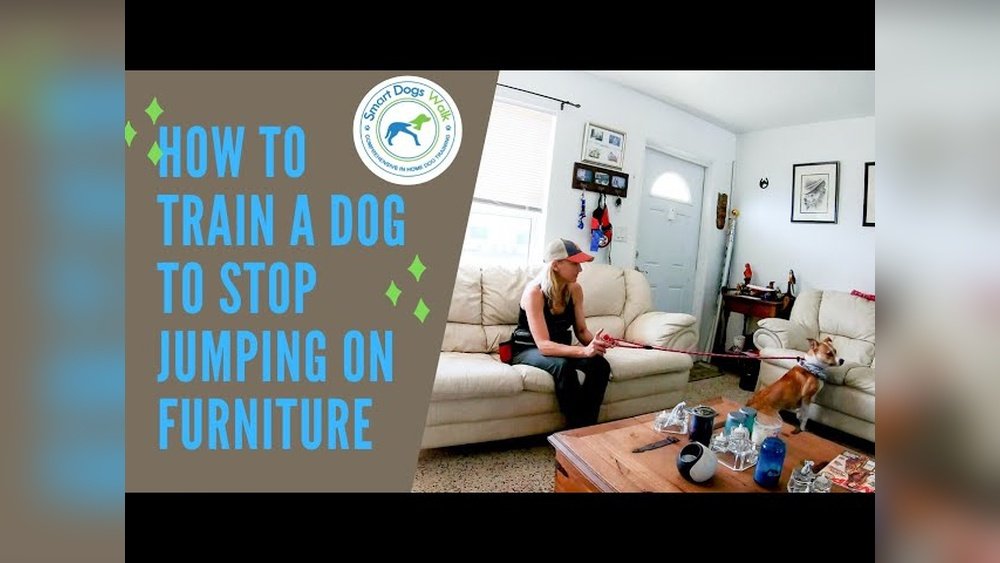
The “off” command is a simple way to ask your dog to move off furniture.
- Wait until your dog jumps up.
- Say “off” in a calm, firm voice.
- Use a treat to lure your dog off the furniture.
- When they jump down, praise them and give the treat.
Repeat this every time. With practice, your dog will learn that “off” means to leave the furniture.
2. Provide Comfortable Alternatives
Dogs want comfort. If you give them a cozy bed or blanket, they are more likely to use it.
- Place the dog bed near the furniture so your dog still feels close to you.
- Use treats or toys to make the bed appealing.
- Praise your dog when they use their bed.
Some owners find success by buying orthopedic beds or mats that are more comfortable than the floor.
3. Use Physical Barriers
Physical barriers stop your dog from accessing furniture when you’re not around.
- Baby gates can block off rooms.
- Couch shields or furniture covers discourage jumping.
- Some people use aluminum foil or double-sided tape on furniture. Dogs dislike the texture.
Barriers are not a permanent solution but can help while you train your dog.
4. Reward Good Behavior
Positive reinforcement is the most effective way to teach dogs. Every time your dog chooses their bed instead of the couch, reward them.
- Use treats, praise, or petting.
- Sometimes, reward with playtime.
Over time, your dog will prefer their own spot because it leads to rewards.
5. Ignore Bad Behavior
Dogs often jump up to get attention. If you ignore the behavior (no eye contact, no speaking), your dog learns that jumping up does not get what they want.
Be patient. This method works best if everyone in your home follows it.
6. Consistency Is Everything
Training only works if you are consistent. Set clear rules, stick to them, and remind every family member.
Dogs learn fastest when they know exactly what is expected every day.
Comparing Training Methods
Different methods work for different dogs. Here’s a quick comparison to help you decide:
| Method | Best For | Ease of Use | Effectiveness |
|---|---|---|---|
| “Off” Command | Dogs who respond to voice | Moderate | High |
| Physical Barriers | Puppies, stubborn dogs | Easy | Medium |
| Alternative Beds | Comfort-seeking dogs | Easy | High |
| Positive Reinforcement | All dogs | Moderate | High |
| Ignoring Behavior | Attention-seeking dogs | Challenging | Medium |
Some dogs need more than one method. For example, a stubborn dog might need both a physical barrier and positive reinforcement.

Credit: www.amazon.com
Real-life Examples
Let’s look at how these methods work in real homes.
Example 1: Sarah’s dog, Max, always jumped on the couch. Sarah put a dog bed next to the sofa and used treats to encourage Max to use it. She also taught the “off” command. Within two weeks, Max started using his bed more often.
Example 2: Mike’s puppy, Bella, was stubborn and ignored voice commands. Mike blocked the living room with a baby gate when he was away. He also ignored Bella when she jumped up. After one month, Bella stopped trying to climb the couch.
Example 3: Lisa had two dogs. She used double-sided tape on the couch, which made it uncomfortable for them. After a few days, they avoided the furniture and used their beds.
These examples show that every dog is different. Sometimes it takes weeks or months to see full results.
How Long Does Training Take?
Training time depends on your dog’s age, personality, and previous habits. Puppies learn faster than older dogs. If your dog has been allowed on furniture for years, it may take longer to change their habit.
On average, most dogs need 2–6 weeks of consistent training. If you skip days or change the rules, it will take longer. According to a study by the Association of Professional Dog Trainers, consistent daily training leads to faster results.
The Importance Of Positive Reinforcement
Positive reinforcement means rewarding your dog for doing the right thing. It’s proven to be more effective than punishment. Dogs respond better to praise, treats, and gentle guidance.
Punishing your dog can cause fear and confusion. Instead, reward them for making good choices. This builds trust and helps your dog learn faster.
Choosing The Right Dog Bed
A comfortable dog bed is a must. But not all beds are equal. Here’s a comparison of popular bed types:
| Bed Type | Comfort Level | Durability | Price Range |
|---|---|---|---|
| Orthopedic Foam | High | High | $50–$150 |
| Bolster Bed | Medium–High | Medium | $30–$80 |
| Mat/Pad | Medium | Low | $15–$40 |
| Heated Bed | High (cold climates) | Medium | $60–$120 |
Choose a bed that fits your dog’s size and sleeping style. Place it where your dog can see you and feel safe.
Alternative Solutions
Some owners prefer to use technology or special products. Here are some alternatives:
- Motion-activated deterrents: Devices that make noise or spray air when your dog jumps up.
- Furniture covers: Special covers that make the couch less appealing.
- Scent deterrents: Sprays with smells dogs dislike.
These solutions can help but should be used along with training. Don’t rely only on gadgets, as your dog needs to learn the rules from you.
When To Seek Help
If your dog keeps jumping on furniture despite your efforts, you may need professional help. Certified trainers or behaviorists can analyze the problem and suggest solutions.
Some dogs jump because of anxiety, fear, or medical issues. If your dog shows signs of stress or unusual behavior, talk to your vet.
According to the American Veterinary Medical Association, behavior problems are a leading cause of pet surrender. Early training and professional advice can prevent this outcome.
The Role Of Exercise And Enrichment
A tired dog is less likely to jump on furniture. Dogs need both physical and mental exercise. If your dog is bored or restless, they may seek comfort on the couch.
- Take your dog for regular walks.
- Play games like fetch or tug.
- Use puzzle toys or treat-dispensing toys.
Enrichment keeps your dog happy and focused. When your dog is engaged, they are less likely to misbehave.
Setting Up Your Home For Success
Make it easy for your dog to follow the rules. Here are practical tips:
- Remove temptation: Keep furniture free of food, toys, or blankets that attract your dog.
- Use barriers: Gates, covers, or tape can help during training.
- Place dog beds in key areas: Near the living room, bedroom, or wherever your family gathers.
- Keep the environment calm: Loud noises or chaos can cause anxiety and lead to rule-breaking.
A well-arranged home supports your training efforts and helps your dog feel secure.
Kids And Dogs: Teaching Respect For Rules
Children often invite dogs onto furniture without realizing the consequences. Teach kids to follow the same rules as adults.
- Explain why the dog needs to stay off furniture.
- Involve kids in training: Let them reward the dog for good behavior.
- Supervise interactions, especially with young children.
When everyone follows the same guidelines, your dog learns faster.
What If You Want To Allow Furniture Sometimes?
Some owners want a “sometimes” rule—dogs are allowed on furniture only when invited. This is possible, but it’s harder for dogs to understand. Dogs need clear signals.
- Teach a “permission” command, like “up.”
- Only invite your dog when you want.
- Make sure your dog knows “off” as well.
Consistency is still important. If your dog struggles with mixed rules, it’s better to keep things simple.

Credit: www.cosmosscholars.com
Special Cases: Senior Dogs And Small Breeds
Older dogs may find it hard to stay off furniture due to joint pain or mobility issues. Consider providing ramps or steps to their bed.
Small breeds often jump up because the floor feels cold or uncomfortable. Offer extra blankets or heated beds.
If your dog is physically struggling, talk to your vet about safe alternatives.
Cleaning And Maintenance Tips
Even with the best training, accidents happen. Keep your furniture clean and protected:
- Use washable covers for couches and chairs.
- Vacuum regularly to remove fur and dander.
- Use pet-safe cleaning sprays.
Clean your dog’s bed often as well. A fresh bed is more inviting and keeps your home healthy.

Credit: www.youtube.com
Understanding Dog Body Language
Dogs communicate through body language. If your dog seems anxious, restless, or excited, they may be more likely to break the rules.
Signs your dog is about to jump:
- Ears forward, tail wagging
- Eyes focused on furniture
- Pawing at the edge
Redirect your dog’s attention with a command or a toy before they jump. Early intervention prevents bad habits.
Common Myths About Dogs And Furniture
There are many myths about dogs and furniture. Let’s clear up a few:
- “Dogs become dominant if allowed on furniture.” This is not true. Dogs seek comfort, not power.
- “Punishment is the only way to stop jumping.” Positive methods work better.
- “Small dogs don’t need training.” All dogs benefit from clear rules.
Research shows that positive, consistent training leads to better behavior and happier dogs.
Tracking Progress: Keeping A Training Log
A training log helps you see what works and what doesn’t. Write down:
- Dates and times when your dog jumps up
- What you did in response
- Your dog’s reaction
After a few weeks, review your log. Adjust your methods if needed. This helps you stay motivated and focused.
Social Proof: What The Data Says
A survey by the Humane Society found that over 60% of owners who used positive reinforcement saw improvement in their dog’s behavior within four weeks. Owners who used punishment reported slower progress and more stress.
Dogs are individuals. What works for one dog may not work for another. But data shows that positive methods are most successful.
The Science Behind Training
Dog training is based on learning theory. Dogs repeat behaviors that lead to rewards. Removing rewards (like attention or comfort) reduces unwanted behaviors.
According to a study published in the Journal of Veterinary Behavior, positive reinforcement leads to lasting behavior changes in dogs. Negative methods (punishment, yelling) can cause anxiety and make training harder.
For more on dog behavior science, see this ASPCA resource.
Table: Signs Your Dog Needs More Training
Here’s a quick guide to spot when your dog needs extra help:
| Behavior | Possible Cause | Suggested Solution |
|---|---|---|
| Jumps only when alone | Boredom | More toys, exercise |
| Jumps when guests visit | Seeking attention | Teach “off” command, reward calm behavior |
| Ignores commands | Lack of training | More consistent practice |
| Jumps after meals | Hunting for crumbs | Keep furniture clean, feed away from living area |
Non-obvious Insights
- Dogs often jump on furniture due to scent. Your couch smells like you, which feels safe to your dog. Washing covers and using neutral scents can reduce attraction.
- Training works better during calm moments. Don’t try to teach “off” when your dog is excited or distracted. Practice when your dog is relaxed.
- Furniture jumping can signal separation anxiety. If your dog jumps up only when you’re gone, they may need help with anxiety, not just training.
Frequently Asked Questions
Why Does My Dog Jump On Furniture When I’m Not Home?
Dogs may jump up for comfort, warmth, or because they miss you. Many dogs jump on furniture to find your scent, which makes them feel safe. If your dog does this only when alone, consider providing a cozy bed and leaving a piece of your clothing there.
Also, use barriers if needed while you’re away.
Can I Train An Older Dog To Stay Off Furniture?
Yes. Older dogs can learn new habits, but it may take longer. Use positive reinforcement and be patient. Provide comfortable alternatives and be consistent with your rules. If your dog has mobility or pain issues, talk to your vet about safe options.
Is It Okay To Let My Dog On Furniture Sometimes?
It’s possible, but dogs need clear signals. Teach a special command for permission, like “up,” and always use the “off” command when you want your dog down. Mixed rules can confuse your dog, so consistency is still important.
What If My Dog Ignores The “off” Command?
If your dog ignores you, check if they understand the command. Practice with treats and praise. Make sure your dog is not distracted or anxious. If your dog still ignores you, try physical barriers, ignore bad behavior, and consider professional help if needed.
How Do I Keep My Furniture Clean If My Dog Jumps Up Sometimes?
Use washable covers, vacuum regularly, and clean with pet-safe sprays. Keep your dog groomed to reduce shedding. If your dog is allowed on furniture occasionally, teach them to wait for permission and wipe their paws before climbing up.
Every dog is unique. By understanding why your dog jumps, using positive training methods, and creating a comfortable environment, you can teach your pet to stay off the furniture. With patience, consistency, and the right tools, your home can be clean, safe, and comfortable for everyone—two-legged and four-legged alike.

We’re the dedicated team behind MyPawSafe.com, with over a decade of combined experience in veterinary care, pet emergency response, and animal behavior. While we prefer to let our work speak for itself, our mission is clear: to provide science-backed, vet-approved advice that helps pet owners prevent accidents and save lives.