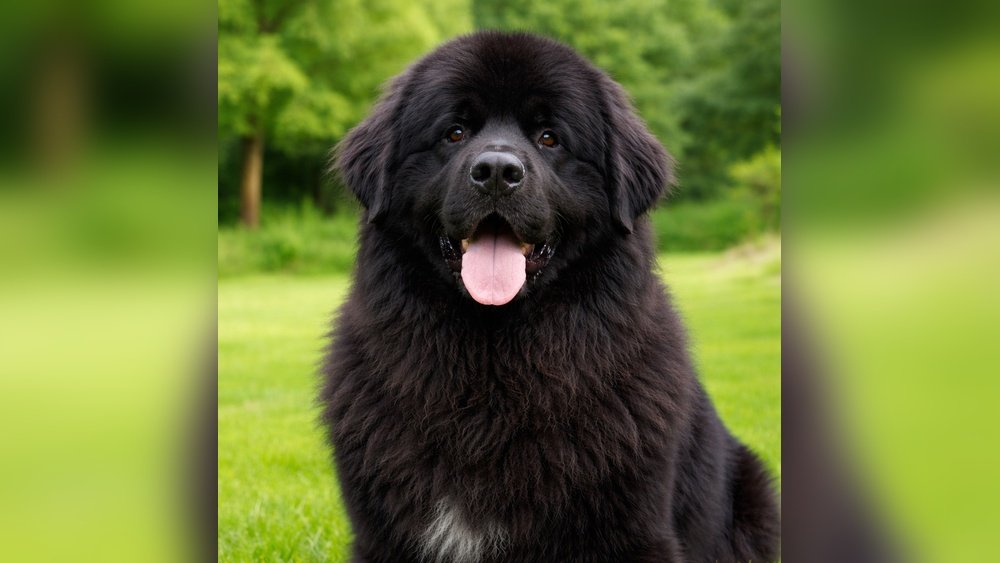
Newfoundlands are gentle giants of the dog world. With their massive size, sweet nature, and thick double coats, these dogs attract admiration everywhere they go. But behind their impressive appearance is a breed with a unique history, specific care needs, and a temperament that surprises many new owners.
Whether you’re considering bringing home a Newfoundland or simply want to learn more about this iconic breed, this complete guide covers everything you need to know about their temperament, size, and care.
The History And Origins Of The Newfoundland
The Newfoundland breed comes from the rugged coast of Newfoundland, Canada. These dogs were developed to help fishermen with heavy tasks. Their webbed feet, water-resistant coats, and strong muscles made them perfect for pulling nets, rescuing people from water, and hauling carts.
Newfoundlands are believed to be a mix of native Canadian dogs and large working breeds brought by European fishermen in the 18th century. Over time, their gentle personality and strength made them popular not only as working dogs but also as loyal family companions.
Queen Victoria even owned several, helping their popularity spread in England and beyond.
Physical Appearance: Size, Coat, And Color
Size And Build
One of the first things people notice about Newfoundlands is their size. These are truly giant dogs, with males standing 28 inches or more at the shoulder and females around 26 inches. Adult males typically weigh between 130 and 150 pounds, while females usually weigh 100 to 120 pounds. Some large males can reach up to 180 pounds. Their bodies are solid and powerful, built for endurance and strength rather than speed.
Coat And Color
Newfoundlands have a dense, water-resistant double coat. The outer layer is coarse and straight or slightly wavy, while the undercoat is soft and thick, giving them insulation in cold water. Shedding is heavy, especially during spring and fall.
Standard colors for Newfoundlands are:
- Black (the most common)
- Brown
- Gray
- Landseer (white with black markings)
Some Newfoundlands may have a slight wave to their fur, but curly coats are not standard. Their large, expressive eyes and floppy ears add to their gentle look.
Head And Expression
The Newfoundland’s head is broad, with a short, square muzzle. Their lips are slightly droopy, which contributes to their well-known drooling habit. Their expression is described as soft, intelligent, and kind—matching their personality.
Physical Comparison With Other Giant Breeds
To understand how Newfoundlands compare with other large breeds, see the table below:
| Breed | Average Height (Male) | Average Weight (Male) | Coat Type |
|---|---|---|---|
| Newfoundland | 28 in+ | 130–150 lbs | Double, water-resistant |
| Saint Bernard | 28–30 in | 140–180 lbs | Dense, rough or smooth |
| Bernese Mountain Dog | 25–27.5 in | 80–115 lbs | Long, silky, double |
| Great Pyrenees | 27–32 in | 100–160 lbs | Thick, weather-resistant |

Credit: www.infinibandta.org
Newfoundland Temperament: What Makes Them Unique
Gentle And Patient Nature
Newfoundlands are known as gentle giants. They are calm, patient, and rarely aggressive. Many owners say their Newfoundland acts like a nanny with children, watching over them and tolerating play with amazing patience.
Affection And Loyalty
This breed forms strong bonds with their families. They are happiest when they’re close to their people and may follow you from room to room. Newfoundlands are sensitive to human emotion—they’ll comfort you when you’re sad and celebrate when you’re happy.
Intelligence And Trainability
Newfoundlands are intelligent and eager to please, but sometimes they have an independent streak. They respond well to positive reinforcement and gentle guidance. Harsh training methods can hurt their spirit.
While they learn basic commands quickly, Newfoundlands mature slowly. Puppies may act silly and clumsy for up to three years. Consistency and patience are key to good behavior.
Natural Instincts
Newfoundlands have strong instincts for water rescue and protection. Even as pets, many try to “save” family members swimming in pools or lakes. Their watchdog ability is moderate—they will bark at strangers, but are more likely to greet guests with curiosity than suspicion.
Interaction With Other Pets
Most Newfoundlands get along well with other dogs and even cats. Early socialization helps, but aggressive or fearful behavior is rare in the breed.
Potential Behavior Challenges
While their temperament is excellent, Newfoundlands can have some challenges:
- Separation anxiety if left alone too long
- Chewing during teething or boredom
- Drooling—they often slobber after eating or drinking
- Stubbornness during adolescence
No dog is perfect, but most behavior issues can be managed with training and routine.
Living With A Newfoundland: Daily Life And Home Requirements
Space Needs
Because of their size, Newfoundlands need plenty of room. A house with a yard is ideal, but some owners manage in apartments if they provide enough exercise. Remember, a full-grown Newfoundland can accidentally knock over furniture or small children just by turning around.
Exercise Requirements
Newfoundlands are not hyperactive, but they need regular exercise to stay healthy. Two 30-minute walks a day and some playtime are usually enough for adults. Puppies need less structured exercise to avoid joint injury.
Swimming is a favorite activity for this breed. If you have access to safe water, let your Newfoundland swim—it’s great for their muscles and joints.
Climate Tolerance
Their thick coat protects them from cold, wet weather. However, Newfoundlands overheat easily in hot or humid climates. In summer, exercise them early or late in the day and provide shade and fresh water at all times.
Home Adaptations
Consider these practical tips:
- Use non-slip rugs to help with traction on slick floors.
- Block off stairs for young puppies to prevent joint injury.
- Invest in a large, sturdy dog bed.
Travel And Transportation
Transporting a Newfoundland is not simple. They need a large vehicle (SUV or van) for comfortable travel. Air travel is challenging due to their size—most Newfoundlands travel best by car.
Newfoundland Vs. Smaller Breeds: Home Impact
Here’s how Newfoundlands compare to a popular medium breed like the Labrador Retriever:
| Feature | Newfoundland | Labrador Retriever |
|---|---|---|
| Space Needed | High | Medium |
| Drool Level | Heavy | Low |
| Food Intake | Very high | Moderate |
| Exercise | Moderate | High |

Credit: www.sepr.es
Diet And Nutrition: Feeding A Giant Breed
Caloric Needs
Newfoundlands eat a lot. Adult males may need 2,500 to 3,000 calories per day, while females need slightly less. Puppies have different requirements—feeding too much can cause rapid growth and joint problems.
Meal Frequency
Feed adult Newfoundlands two meals per day to reduce bloat risk. Puppies may eat three or four smaller meals daily.
Food Quality
Choose a high-quality, large-breed dog food. These formulas support joint health and slow, steady growth in puppies. Look for foods with:
- Real meat as the first ingredient
- Controlled calcium and phosphorus levels
- Added glucosamine and chondroitin for joints
Foods To Avoid
Do not feed Newfoundlands:
- High-fat table scraps (risk of pancreatitis)
- Cooked bones (can splinter and cause injury)
- Chocolate, grapes, raisins, onions, garlic, or xylitol (all toxic to dogs)
Water Needs
Always provide clean, fresh water. Due to their size, Newfoundlands drink a lot, especially after exercise or in hot weather.
Weight Management
Obesity is a common problem in the breed. Monitor your dog’s body condition regularly. Ribs should be felt but not seen, and the waist should be visible from above.
Practical Feeding Tips
- Use a slow-feed bowl to prevent gulping and bloat.
- Elevate food and water bowls to reduce neck strain.
- Regularly clean bowls to prevent bacterial buildup.
Grooming And Maintenance: Keeping Your Newfoundland Healthy
Brushing And Shedding
Newfoundlands shed year-round, with heavier “blowouts” in spring and fall. Brush your dog at least three times a week using a slicker brush and undercoat rake. During heavy shed periods, daily brushing helps prevent mats and tangles.
Bathing
Bathe your Newfoundland every 6–8 weeks, or as needed. Use a gentle, dog-safe shampoo. Drying a Newfoundland takes time—their thick coat holds water, so use a high-velocity dryer or towel dry thoroughly to avoid skin problems.
Ear And Eye Care
Check ears weekly for redness, odor, or wax. Clean with a vet-recommended ear wash. Their eyes can collect debris due to their droopy lids—wipe with a damp cloth as needed.
Nail Trimming
Trim nails every 2–3 weeks. Their large, strong nails can crack if not maintained.
Teeth Cleaning
Dental care is essential. Brush your Newfoundland’s teeth several times a week, and provide dental chews or toys to reduce tartar.
Managing Drool
Keep towels handy—Newfoundlands drool, especially after eating or drinking. Wipe their mouth regularly to keep their face clean and reduce mess around your home.
Grooming Table: Tools Needed
| Grooming Tool | Purpose |
|---|---|
| Slicker Brush | Removes loose hair, prevents mats |
| Undercoat Rake | Removes dead undercoat |
| Dog Shampoo | Cleans coat, prevents skin issues |
| Nail Clippers | Trims nails to safe length |
| Ear Cleaner | Prevents ear infections |
Health Issues And Lifespan
Common Health Problems
Newfoundlands are generally healthy, but their size makes them prone to certain conditions:
- Hip and elbow dysplasia: Abnormal joint development causing pain or lameness
- Heart disease: Especially subvalvular aortic stenosis (SAS)
- Cystinuria: A genetic kidney stone disorder
- Bloat (gastric dilatation-volvulus): Stomach twists, a life-threatening emergency
- Hypothyroidism: Low thyroid hormone levels causing weight gain and lethargy
Lifespan
The average lifespan for a Newfoundland is 8 to 10 years. Some live longer with proper care, good genetics, and regular veterinary visits.
Preventive Health Care
- Schedule regular check-ups with your veterinarian.
- Keep up with vaccinations and parasite prevention.
- Screen for heart and joint issues, especially if breeding.
Signs To Watch For
Contact your vet if you notice:
- Sudden lameness or difficulty rising
- Coughing, fainting, or rapid breathing
- Excessive drooling, bloated abdomen, or attempts to vomit
- Unexplained weight changes
Non-obvious Health Tips
- Monitor water intake: Sudden increases or decreases can signal kidney or metabolic problems.
- Watch for subtle lameness: Newfoundlands hide pain well. Minor limps can be early signs of dysplasia or arthritis.
For more on breed-specific health, you can visit the Newfoundland Wikipedia page.
Training And Socialization
Early Socialization
Expose your Newfoundland puppy to different people, animals, sounds, and experiences early. This helps prevent shyness or anxiety as they grow.
Basic Training
Teach basic commands such as sit, stay, come, and down using positive reinforcement like treats and praise. Newfoundlands are eager to please but can be slow to mature—patience is essential.
Advanced Training And Activities
Newfoundlands excel in:
- Water rescue work
- Cart pulling (draft work)
- Therapy dog programs
- Obedience and rally competitions
They enjoy jobs that use their brains and bodies. Engage them with fun activities to prevent boredom.
Managing Stubbornness
During adolescence, Newfoundlands may test boundaries. Stay calm and consistent. Harsh corrections can damage trust.
Crate Training
Use a crate for short periods to provide a safe space. Never use the crate for punishment.
House Training
Due to their size, early house training is important. Take puppies outside frequently and reward them for going in the right place.
Newfoundland Puppies: What To Expect
Selecting A Breeder
Choose a reputable breeder who health-tests breeding dogs for hips, elbows, heart, and cystinuria. Avoid puppy mills or online ads with no health guarantees.
Puppy Development
Newfoundland puppies are large at birth (often 1–2 pounds each) and grow rapidly. Expect clumsy play and lots of sleep in the first year.
Puppy-proofing Your Home
- Secure electrical cords and chemicals
- Use baby gates to block off unsafe areas
- Remove small objects that could be swallowed
Socialization And Training
Start training and socialization early. Introduce new sounds, people, and environments to build confidence.
Vaccinations And Vet Visits
Follow your vet’s vaccine schedule. Large-breed puppies are prone to joint problems, so avoid hard exercise until at least 18 months old.
Teething And Chewing
Newfoundland puppies chew a lot. Provide strong, safe toys and redirect chewing from furniture or shoes.
Non-obvious Puppy Tip
- Monitor rapid growth: Fast-growing puppies are at higher risk for joint issues. Feed a large-breed puppy formula and keep weight lean.
Newfoundland Rescue And Adoption
Not everyone is ready for a puppy. Many adult Newfoundlands need homes through breed rescue groups. Adopting an adult has benefits:
- Skip the puppy stage and chewing
- Many adults are already trained
- You know the dog’s size and temperament
Check with local Newfoundland clubs or shelters for available dogs.
Activities And Exercise Ideas
Newfoundlands need both physical and mental activity to stay happy.
Walking
Daily walks are essential. Use a strong leash and harness—Newfoundlands are powerful and can pull hard.
Swimming
Most Newfoundlands love water. Swimming is excellent exercise and gentle on their joints.
Draft Work
Some owners teach their Newfoundlands to pull carts or wagons. This taps into their working instincts and provides a fun activity.
Social Play
Arrange playdates with other gentle dogs. Monitor play, as Newfoundlands can accidentally overpower smaller breeds.
Training Games
Teach tricks, scent games, or obedience routines to stimulate their minds.
Safety Tips
- Avoid strenuous activity during hot weather.
- Puppies should not jump from heights or run on hard surfaces.
Newfoundland As A Family Dog
Newfoundlands are famous for being excellent family dogs. They are gentle with children, patient with other pets, and protective of their home.
With Children
These dogs tolerate rough play and noise, but always supervise young kids. Their size means they can knock over toddlers without meaning to.
With Other Pets
Newfoundlands usually get along well with other animals. Proper introductions and socialization make the process smoother.
Alone Time
While they love company, Newfoundlands can be left alone for short periods if trained early. However, long hours alone can lead to boredom and anxiety.
Travel And Vacations
Consider your Newfoundland’s size and needs before planning travel. Many hotels and airlines have restrictions for giant breeds.
Special Considerations
- Their thick coat can trigger allergies in sensitive people.
- They need space to stretch out—consider this when choosing furniture.
Common Mistakes Newfoundland Owners Make
- Underestimating size and cost: Food, grooming, and medical bills add up for a giant breed.
- Not socializing enough: Early exposure prevents fearfulness.
- Ignoring drool: Accept slobber as part of life with a Newfoundland.
- Skipping grooming: Mats and skin issues develop quickly in thick coats.
- Over-exercising puppies: Too much exercise can damage growing joints.
- Not providing enough mental activity: Bored Newfoundlands may chew or dig.
- Leaving them outside in hot weather: Heatstroke is a real risk.
Is The Newfoundland Right For You?
A Newfoundland is not for everyone. Consider these points:
- Do you have enough space, time, and resources for a giant breed?
- Are you comfortable with shedding, drool, and regular grooming?
- Can you commit to daily walks, training, and companionship?
- Are all family members on board with caring for a very large dog?
If you can answer yes, a Newfoundland can be one of the most rewarding companions you’ll ever know.

Credit: www.reddit.com
Frequently Asked Questions
What Is The Average Lifespan Of A Newfoundland?
Most Newfoundlands live 8 to 10 years, though some reach 12 years with excellent care and genetics. Regular vet visits and a healthy lifestyle help maximize their lifespan.
How Much Exercise Does A Newfoundland Need Each Day?
Adult Newfoundlands need about an hour of exercise daily, split into two walks and some playtime. Puppies need less structured activity to protect their joints.
Do Newfoundlands Drool A Lot?
Yes, Newfoundlands are known for heavy drooling, especially after eating, drinking, or when excited. Keep towels handy and wipe their mouths regularly to manage the mess.
Are Newfoundlands Good With Children And Other Pets?
Newfoundlands are excellent with children and usually get along well with other pets. Early socialization and supervision ensure positive relationships.
How Much Does It Cost To Care For A Newfoundland?
Caring for a Newfoundland can cost $2,000–$3,000 per year or more, including food, vet care, grooming, and supplies. Their large size means higher expenses than smaller breeds.
A Newfoundland brings joy, loyalty, and love into any home ready for their special needs. With the right care, training, and commitment, you’ll enjoy years with one of the world’s most beloved gentle giants.
We’re the dedicated team behind MyPawSafe.com, with over a decade of combined experience in veterinary care, pet emergency response, and animal behavior. While we prefer to let our work speak for itself, our mission is clear: to provide science-backed, vet-approved advice that helps pet owners prevent accidents and save lives.