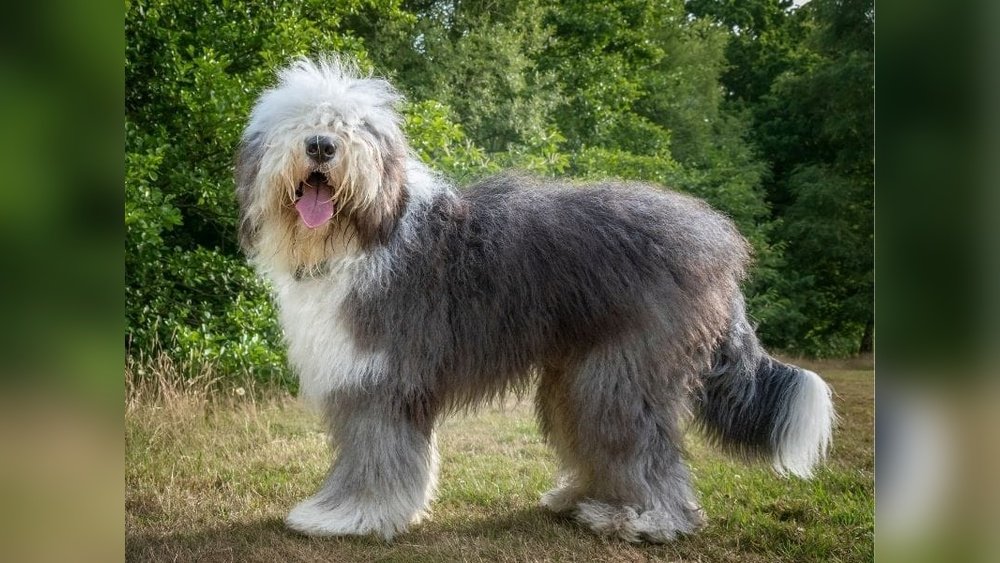
The Old English Sheepdog is one of those breeds that turns heads wherever it goes. With its shaggy double coat, unmistakable bear-like gait, and expressive eyes peeking through a curtain of hair, this dog is both charming and iconic. But there’s much more beneath the fluffy exterior. Known for their loyal, intelligent, and adaptable personalities, Old English Sheepdogs have a rich history as herding dogs and loving companions. If you’re thinking about bringing one into your family, or you simply want to learn more about what makes this breed special, you’re in the right place.
In this guide, we’ll explore the temperament, physical characteristics, and daily needs of the Old English Sheepdog. We’ll also dig into their health, grooming, and training requirements, offering practical advice and data-driven insights. Whether you’re a first-time dog owner or a seasoned enthusiast, understanding the Old English Sheepdog’s unique needs is essential for a happy, healthy life together.
The History And Origin Of The Old English Sheepdog
The Old English Sheepdog (OES) traces its roots back to the rural farmlands of England in the 18th century. Originally bred to herd cattle and sheep, this breed is known for its stamina and intelligence in the field. Unlike many herding breeds, the OES is not actually that old compared to others like the Border Collie or Collie, but it quickly became popular due to its robust build and adaptable nature.
Farmers valued the OES for its ability to drive livestock to market and protect herds from predators. The breed’s thick coat was not just for show—it provided protection from harsh weather and thorny undergrowth. While their exact ancestry is unclear, many believe the OES descends from ancient herding dogs mixed with the Bearded Collie and other English breeds.
One non-obvious insight: the classic “bobtail” (docked tail) was a practical feature. Docking identified the dog as a working animal, which, in 18th-century England, gave farmers a tax exemption. This is why the breed is sometimes nicknamed the “Bobtail.”
Today, Old English Sheepdogs are more likely to be seen at home or in the show ring than in the fields, but their herding instincts and lively personalities are still very much part of the breed.
Physical Characteristics And Size
The Old English Sheepdog is a large, muscular dog with a distinctive look. Their coat, size, and movement all serve a purpose, shaped by centuries of practical breeding.
Size And Build
OES are solidly built, with a square body and strong, arched neck. Males are generally larger than females, but both are substantial dogs.
| Characteristic | Male | Female |
|---|---|---|
| Height (shoulder) | 22-24 inches | 21-22 inches |
| Weight | 80-100 lbs | 60-85 lbs |
| Average lifespan | 10-12 years | 10-12 years |
Their movement is distinctive: a rolling, bear-like gait that comes from their long, muscular legs and deep chest. This was ideal for covering long distances while herding.
Coat And Color
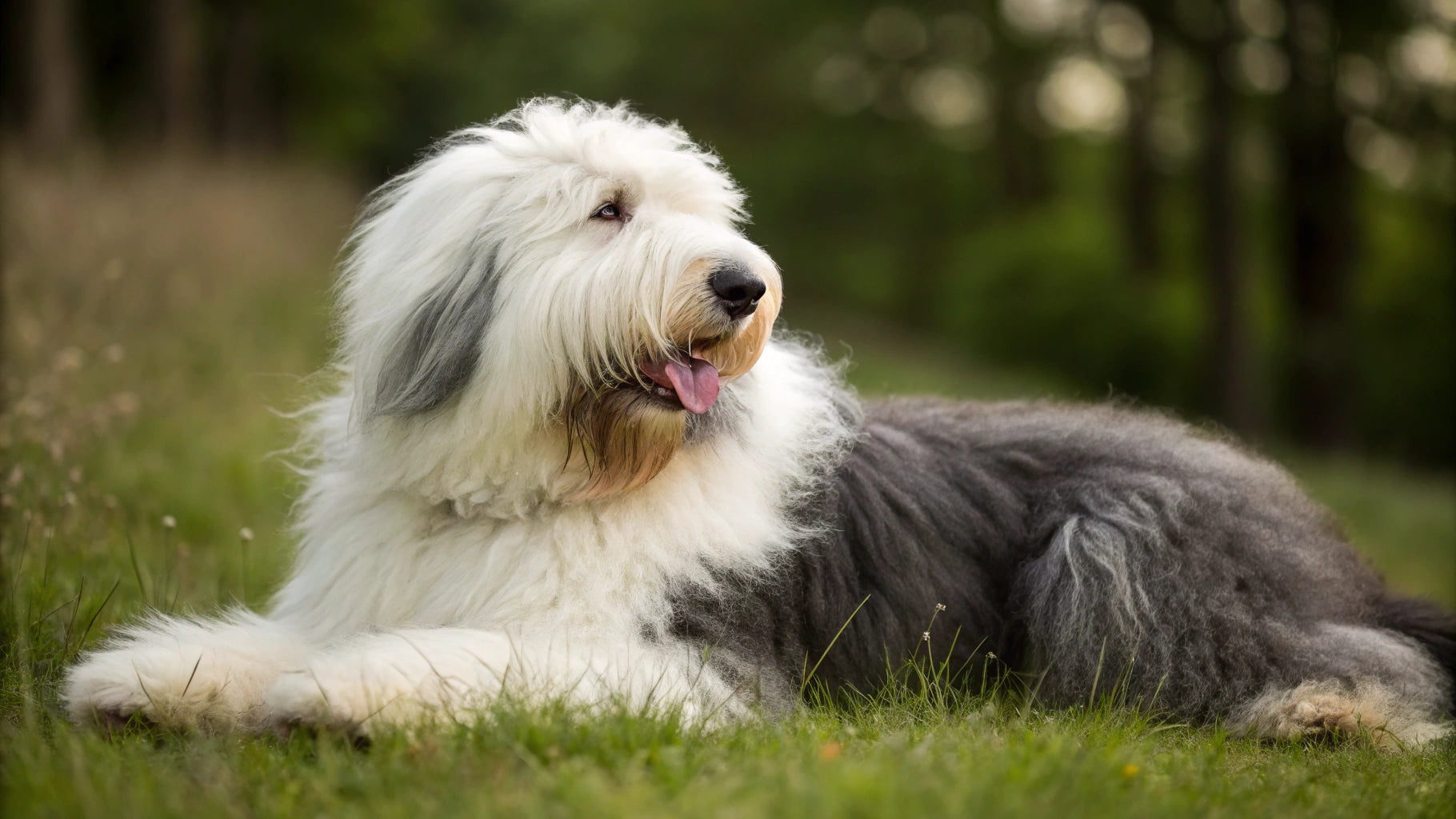
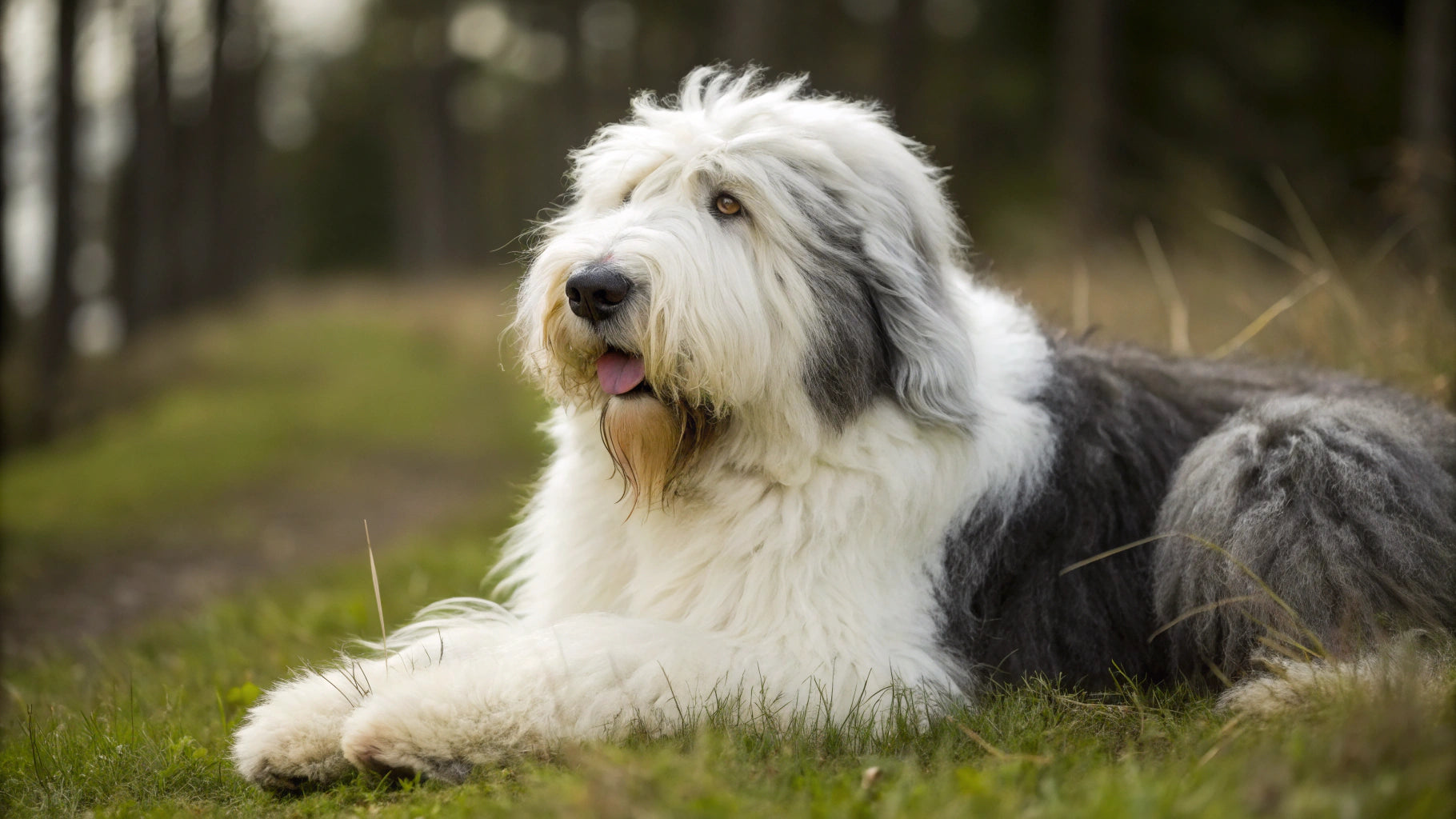
The most noticeable feature is the shaggy double coat. It’s dense, with a soft undercoat and a rougher, waterproof outer layer. The coat provides insulation in winter and some protection in summer, but it does require a lot of care (more on this later).
The breed standard allows for several color patterns, but the most common is gray and white, with the white often covering the head, neck, chest, and forelegs. Puppies are usually born black and white and gradually develop their characteristic colors over the first year.
Eyes And Ears
Old English Sheepdogs have large, expressive eyes, often blue or brown. Some dogs have one of each, a condition called heterochromia, which is accepted and even prized in the breed.
Their ears are medium-sized and lie flat against the head, contributing to their gentle, friendly expression.
Temperament And Personality
Old English Sheepdogs are famous for their gentle, loving nature. They are smart, adaptable, and deeply bonded with their families. However, the breed’s working roots mean these dogs also have a streak of independence and energy that new owners must be ready for.
Main Personality Traits
- Affectionate: OES thrive on human companionship and are happiest when included in daily activities. They are often called “nanny dogs” because of their patience and protectiveness with children.
- Intelligent: Quick learners, they respond well to positive training methods. Their herding instinct can sometimes make them “bossy” or prone to nudge people or animals.
- Playful: Even as adults, OES remain playful and clownish, enjoying games and interaction.
- Alert: While not aggressive, they make good watchdogs and will bark to alert their owners of strangers or unusual sounds.
- Adaptable: They adjust well to different living situations if given enough exercise and companionship.
A non-obvious point: OES can be sensitive to changes in routine or environment. They pick up on their owner’s mood and may become anxious if left alone for long periods.
Interaction With Children And Pets
Old English Sheepdogs are generally excellent with children. They are protective without being overbearing, and their playful energy matches well with active kids. Supervision is always wise, especially with smaller children, simply because of the dog’s size and strength.
With other pets, most OES are friendly if raised together. Early socialization helps prevent herding behavior directed at smaller animals.
Socialization Needs
Because of their intelligence and sensitivity, socialization from a young age is essential. Without proper exposure to different people, pets, and environments, some OES can become shy or overly protective.
Daily Care And Living Requirements
Bringing an Old English Sheepdog into your life means making a commitment to their physical and emotional needs. These are not low-maintenance dogs, and happy OES require time, energy, and resources.
Exercise Needs
Despite their fluffy appearance, OES are active dogs. They were bred for long days in the fields, and that energy remains.
- Daily walks: At least 60-90 minutes of walking or active play is required.
- Mental stimulation: Puzzle toys, obedience training, and interactive games help keep their minds sharp and prevent boredom.
- Safe space to run: A secure, fenced yard is ideal. Apartment living can work if you are very committed to outdoor exercise.
Without enough activity, OES can become bored and develop destructive behaviors.
Diet And Nutrition
Feeding an Old English Sheepdog requires attention to quality and quantity.
- High-quality dog food: Choose food that lists meat as the first ingredient, with a balance of protein, fat, and carbohydrates.
- Portion control: Because they are large but prone to weight gain, measure meals and avoid free-feeding.
- Fresh water: Always provide clean water.
Puppies need more frequent meals (3-4 times daily), while adults do well on two meals per day. Adjust portions based on activity level, age, and health.
A common beginner mistake: overfeeding treats, especially during training. OES are food-motivated and can become overweight easily.
Living Environment
These dogs do best in homes where they are part of the family. They are indoor dogs but appreciate access to a safe outdoor space.
- Not suited for kennel life: OES can become lonely or anxious if separated from their people.
- Climate considerations: Their thick coat means they handle cold better than heat. In summer, provide shade and avoid intense midday exercise.
Alone Time
Old English Sheepdogs are prone to separation anxiety. They need companionship and mental engagement. If you work long hours, consider pet sitters, doggy daycare, or a second pet for company.
Grooming And Coat Maintenance
Ask any owner: grooming is the most challenging part of life with an Old English Sheepdog. The iconic coat is beautiful but requires serious commitment.
Brushing And Bathing
- Brushing: Minimum of 3-4 times per week, ideally daily. Use a pin brush and wide-tooth comb to reach the undercoat and prevent mats.
- Bathing: Every 6-8 weeks. Too frequent bathing can strip natural oils, but too little can lead to odor and skin issues.
- Drying: The double coat takes a long time to dry. Use towels and a blow dryer on low, and always dry thoroughly to avoid skin infections.
A common mistake is underestimating the time required for grooming. Neglected coats can mat to the skin, causing pain and even needing shaving by a professional.
Trimming And Clipping
Some owners keep the coat long for show, while others opt for a “puppy cut” or short trim for easier maintenance. If you plan to show your OES, learn the breed standard for coat presentation.
Regular trimming around the eyes, ears, and paws improves comfort and hygiene.
Ear, Eye, And Dental Care
- Ears: Check weekly for dirt, wax, or signs of infection. The heavy coat can trap moisture.
- Eyes: Clear discharge or irritation should be cleaned gently with a damp cloth.
- Teeth: Brush several times a week with dog toothpaste to prevent tartar buildup.
Shedding And Allergies
OES are considered moderate to heavy shedders. Their long hair drops gradually rather than in big seasonal clumps, but regular grooming keeps this manageable.
They are not hypoallergenic. People with allergies may react to both their hair and dander.
Training And Socialization
The Old English Sheepdog’s intelligence makes training both rewarding and essential. With the right approach, they excel in obedience, agility, and even therapy work.
Training Tips
- Start early: Begin basic commands and house training as soon as your puppy arrives.
- Positive reinforcement: Use treats, praise, and play as rewards. Harsh methods can make OES stubborn or anxious.
- Be consistent: Clear rules and routines help your dog understand expectations.
- Short sessions: OES can be easily bored; keep training short and fun.
A non-obvious insight: OES learn routines quickly, but may “test” boundaries if bored or under-stimulated. Change up your training games and challenge their brains.
Socialization Essentials
Expose your OES puppy to a variety of people, pets, sounds, and places. Puppy kindergarten, walks in busy areas, and gentle introductions to new experiences help build confidence.
Common Behavioral Issues
- Herding people or objects: Redirect gently with toys or training.
- Barking: They bark to alert, but excessive barking can be reduced with training.
- Separation anxiety: Practice short departures and returns, and avoid making a big fuss when leaving or arriving.
Credit: www.houndsy.com
Health And Lifespan
Old English Sheepdogs are generally healthy, but like all breeds, they have some genetic risks. Regular veterinary care and smart breeding practices can help ensure a long, happy life.
Common Health Issues
- Hip Dysplasia: This inherited condition affects the hip joint. Reputable breeders screen for it, but it can still occur. Keep your dog at a healthy weight and provide joint-supportive supplements if needed.
- Hypothyroidism: Low thyroid function can cause weight gain, lethargy, and skin issues. It’s manageable with medication.
- Progressive Retinal Atrophy (PRA): A degenerative eye disorder that can lead to blindness. Ask breeders about eye test results.
- Deafness: Some OES are born deaf in one or both ears. Responsible breeders test puppies.
- Bloat (Gastric Torsion): A potentially life-threatening condition where the stomach twists. Feed multiple small meals and avoid vigorous exercise right after eating.
Routine Veterinary Care
- Annual checkups
- Vaccinations
- Parasite prevention (fleas, ticks, heartworm)
- Dental cleanings
Lifespan And Aging
The average lifespan is 10-12 years. With good care, some OES live longer, but as with many large breeds, they are prone to age-related joint and mobility issues.
Health Testing And Ethical Breeding
If you’re buying a puppy, choose breeders who perform health screenings on both parents. Ask for proof of hip, eye, and thyroid tests. This reduces the risk of inherited problems and supports responsible breeding practices.
Is The Old English Sheepdog Right For You?
Choosing an Old English Sheepdog is a big decision. They are loyal, loving, and fun, but their size, energy, and grooming needs are not for everyone.
Pros
- Wonderful family companions
- Intelligent and trainable
- Good with kids and most other pets
- Unique appearance and gentle nature
Cons
- High grooming and coat care demands
- Can be stubborn or strong-willed
- Needs lots of exercise and mental stimulation
- Not ideal for hot climates or small apartments
Old English Sheepdogs are happiest with people who enjoy an active lifestyle, are committed to daily care, and want a dog who is part of the family in every sense.

Credit: askavet.com
Old English Sheepdog Vs. Similar Breeds
It’s easy to confuse the Old English Sheepdog with other shaggy herding breeds. Here’s a quick comparison with a few lookalikes:
| Breed | Size | Coat | Temperament |
|---|---|---|---|
| Old English Sheepdog | Large (60-100 lbs) | Long, double | Gentle, playful, loyal |
| Bearded Collie | Medium (45-55 lbs) | Long, shaggy | Energetic, bouncy, friendly |
| Polish Lowland Sheepdog | Medium (35-55 lbs) | Long, dense | Alert, independent, lively |
| Komondor | Large (80-100 lbs) | Corded, white | Protective, calm, reserved |
While all these breeds are intelligent and good with families, the OES stands out for its combination of gentleness, playfulness, and strong family focus.
Finding And Choosing An Old English Sheepdog
If you’re ready to add an Old English Sheepdog to your life, take your time to find the right source. The breed’s popularity has led to both responsible breeders and less ethical operations.
Reputable Breeders
A good breeder will:
- Provide health testing records
- Let you meet the puppy’s parents
- Ask you questions about your home and experience
- Offer a contract and health guarantee
- Be involved in breed clubs and activities
Never buy from a pet store or online seller who can’t provide proof of ethical breeding.
Rescue And Adoption
Many wonderful Old English Sheepdogs and OES mixes are looking for homes through breed rescues and shelters. Adoption is a rewarding option, especially for those open to adult dogs.
Look for rescue groups dedicated to the breed, such as the Old English Sheepdog Rescue Network.
Price And Costs
Old English Sheepdog puppies from reputable breeders typically cost between $1,500 and $3,000 in the US. Rescue adoption fees are usually much lower.
But the initial price is just the beginning. Consider ongoing costs for food, grooming, veterinary care, and insurance.
| Expense | Estimated Annual Cost |
|---|---|
| Food | $600 – $1,000 |
| Grooming (pro) | $600 – $1,200 |
| Vet care | $500 – $1,000 |
| Training/Classes | $200 – $400 |
| Misc (toys, insurance, etc.) | $300 – $600 |
Credit: www.houndsy.com
Special Activities For Old English Sheepdogs
OES are versatile and enjoy activities that use their brains and bodies. Here are a few ideas to keep your dog happy and healthy:
- Obedience and Rally: Their intelligence and eagerness to please make them stars in obedience classes.
- Agility: These dogs move surprisingly well for their size and can enjoy navigating tunnels, jumps, and other obstacles.
- Herding Trials: Some OES retain strong herding instincts and excel in herding tests or competitions.
- Therapy Work: Their calm, loving nature makes them excellent therapy dogs for hospitals or schools.
- Canine Good Citizen (CGC): Many OES earn this AKC title, showing their good manners and training.
One beginner oversight: forgetting how much mental exercise matters. OES need more than just walks—they thrive with jobs, games, and training.
Tips For A Happy, Healthy Old English Sheepdog
- Make grooming a bonding experience, not a chore. Start early and use treats and praise.
- Invest in strong, chew-proof toys. OES love to chew, especially when bored.
- Train with patience and consistency. Avoid harsh corrections.
- Watch for overheating in warm weather—provide shade and cool water.
- Schedule regular checkups and keep up with preventive care.
If you’re committed to meeting their needs, Old English Sheepdogs reward you with years of friendship, laughter, and love.
Frequently Asked Questions
What Is The Average Lifespan Of An Old English Sheepdog?
The average lifespan is 10 to 12 years. Some dogs live longer with good care, but large breeds like the OES are more prone to age-related health issues. Regular vet visits, a healthy diet, and joint support can help your dog enjoy a long, happy life.
Are Old English Sheepdogs Hypoallergenic?
No, the Old English Sheepdog is not hypoallergenic. Their thick double coat produces dander and sheds, which can trigger allergies in sensitive people. Regular grooming helps, but those with severe allergies may want to consider a different breed.
How Often Do Old English Sheepdogs Need Grooming?
Old English Sheepdogs require brushing at least 3-4 times per week, and ideally daily, to prevent mats and tangles. Professional grooming every 6-8 weeks is also recommended. Neglecting grooming can lead to painful mats and skin issues.
Are Old English Sheepdogs Good With Children?
Yes, OES are known for being gentle and protective with children. Their playful, patient nature makes them excellent family dogs. However, always supervise play between large dogs and small children to prevent accidental knocks or falls.
Where Can I Find More Information About The Old English Sheepdog?
For detailed breed standards, history, and care advice, visit the Old English Sheepdog Wikipedia page. You’ll find in-depth resources, links, and references to breed clubs and rescue organizations.
The Old English Sheepdog is a unique and wonderful companion for the right family. With their intelligence, loyalty, and unmistakable style, they bring joy and adventure to every home willing to embrace their needs. If you choose to welcome one, you’re not just getting a dog—you’re gaining a true friend for life.
We’re the dedicated team behind MyPawSafe.com, with over a decade of combined experience in veterinary care, pet emergency response, and animal behavior. While we prefer to let our work speak for itself, our mission is clear: to provide science-backed, vet-approved advice that helps pet owners prevent accidents and save lives.