
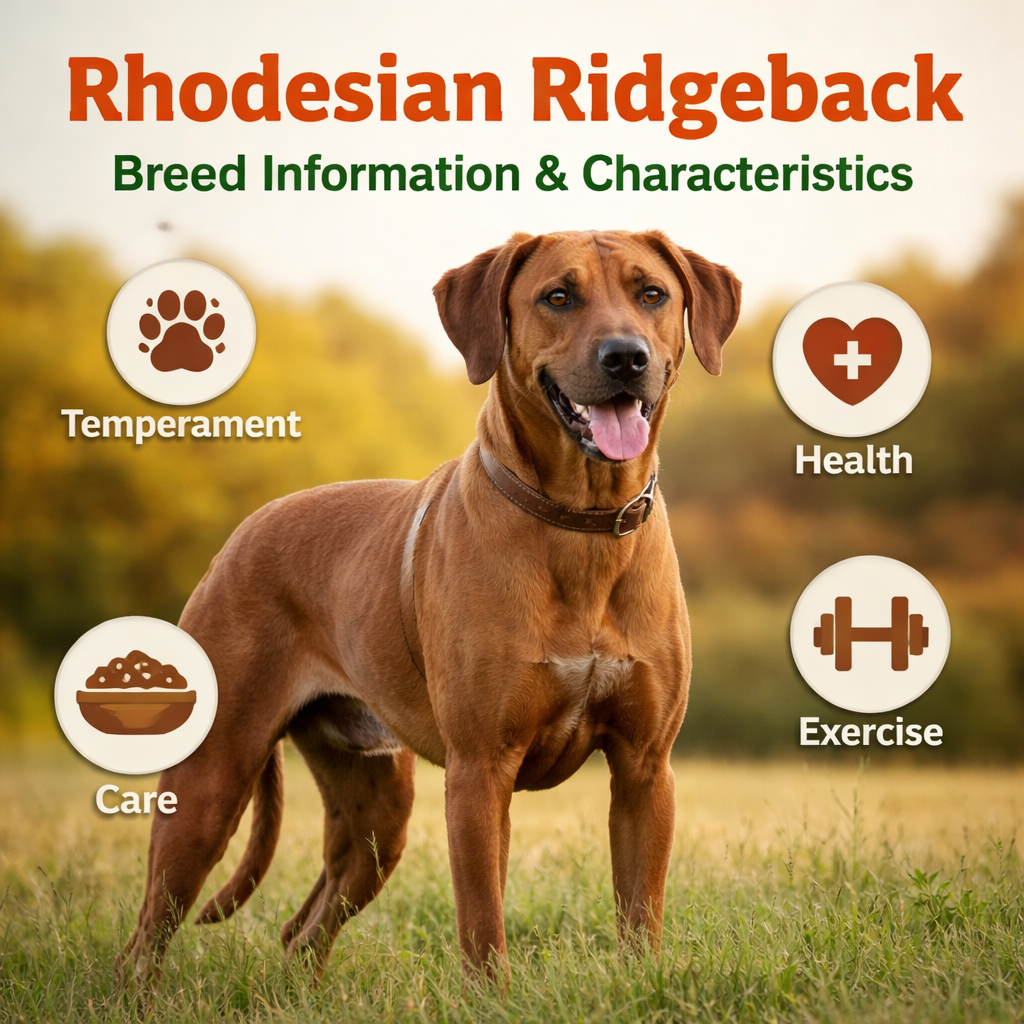
The Rhodesian Ridgeback is a dog breed that often turns heads. With their athletic build, striking “ridge” of hair along the spine, and loyal, even-tempered personality, these dogs have become favorites for families and active individuals alike. But is a Ridgeback right for you? This guide will give you everything you need to know about their temperament, size, and care—plus honest advice on what living with a Ridgeback is really like.
The Origin And History Of The Rhodesian Ridgeback
Understanding the Ridgeback starts with its roots. This breed was developed in southern Africa, mainly Zimbabwe (formerly Rhodesia), in the late 19th century. Early European settlers wanted a dog that could protect their farms, help with hunting, and withstand harsh climates. They crossed imported European breeds like the Greyhound and Great Dane with local African dogs known for the distinctive “ridge” of backward-growing hair.
Ridgebacks became famous for their courage and intelligence, especially as lion hunters. They didn’t fight lions but helped hunters track and corner them, showing endurance and bravery. Their history explains many of the characteristics seen in Ridgebacks today—independence, athleticism, and loyalty.
Physical Characteristics And Size
The Rhodesian Ridgeback is easy to recognize once you know what to look for. Their most famous feature is the ridge—a strip of hair running in the opposite direction to the rest of the coat, right down the spine. But there’s more to this breed than just a unique hairstyle.
Height And Weight
Ridgebacks are considered a large breed. Here’s a quick look at their average size:
| Gender | Height (at shoulder) | Weight |
|---|---|---|
| Male | 25-27 inches | 85 lbs (average 80-90 lbs) |
| Female | 24-26 inches | 70 lbs (average 65-75 lbs) |
Some Ridgebacks are larger or smaller, but these numbers cover most healthy adults.
Coat And Colors
The Ridgeback’s coat is short and dense—ideal for hot climates and easy to care for. The standard color is “wheaten,” which ranges from pale gold to rich reddish brown. Some have a little white on the chest or toes, and a black mask (muzzle) is seen in many dogs.
Build And Appearance
Ridgebacks are muscular and athletic, but not bulky. They move smoothly and can cover a lot of ground with each stride. Ears are medium-sized and hang down, and their eyes are round and alert.
One insight many first-time owners miss: Ridgeback puppies can look lanky and awkward for months before they “grow into” their adult shape. Don’t worry if your young Ridgeback seems all legs and paws—by 18-24 months, they develop a strong, balanced look.
Temperament And Personality
If you’re considering a Ridgeback, it’s crucial to understand their temperament. These dogs are loyal, intelligent, and reserved with strangers. But there’s more beneath the surface.
Loyalty And Family Bonds
Ridgebacks are deeply loyal to their families. They often form a strong attachment to one or two people but are gentle with children if properly socialized. Don’t expect a Ridgeback to be “everyone’s best friend”—they show affection mainly to those they trust.
Independence And Intelligence
This breed is intelligent but independent. Ridgebacks like to make their own decisions. They are not as eager to please as, say, a Labrador. This means training requires patience and consistency. Positive reinforcement works best; harsh discipline can make them stubborn.
Energy Level And Playfulness
Ridgebacks have medium-to-high energy. They love to run and play, but they’re also happy to relax with their family after exercise. If you enjoy hiking, jogging, or outdoor activities, a Ridgeback can be a perfect companion.
Alertness And Protective Instincts
Bred as guard dogs, Ridgebacks are natural watchdogs. They rarely bark without reason. They’ll warn you if someone approaches the house, but they aren’t typically aggressive. This calm alertness is a major reason families choose them.
Socialization And Behavior With Other Pets
Ridgebacks can live with other dogs, especially if raised together. However, their hunting instincts mean they may chase small animals like cats or rabbits. Early socialization helps, but some Ridgebacks will always have a strong prey drive.
Non-obvious Insight: Ridgebacks Can Be Surprisingly Sensitive
Despite their tough reputation, many Ridgebacks are emotionally sensitive. They can get anxious if left alone for long periods or if family tension is present. Understanding this helps prevent behavioral issues.
Living With A Rhodesian Ridgeback
Before bringing a Ridgeback home, it’s wise to know what daily life with this breed involves.
Home Environment
Ridgebacks do best in homes with space to move. A house with a large, securely fenced yard is ideal. Apartment living can work if you’re dedicated to daily exercise, but it’s more challenging.
Exercise Needs
This breed needs at least 1-2 hours of exercise per day. That can include:
- Brisk walks
- Runs or jogs
- Play sessions in a large yard
- Hiking in safe areas
Without enough exercise, Ridgebacks may become bored and develop bad habits like chewing or digging.
Mental Stimulation
Physical activity isn’t enough. Ridgebacks are smart and need mental challenges:
- Training sessions
- Puzzle toys
- Scent games
- Obedience or agility classes
Mixing up activities keeps them engaged and happy.
Alone Time And Separation Anxiety
Unlike some breeds, Ridgebacks can handle being alone for several hours if trained gradually. However, they do best when they feel included in family life. Leaving them outside or in a kennel for long periods can lead to stress and destructive behavior.
Training Your Rhodesian Ridgeback
Training is essential for any large, strong-willed breed. Ridgebacks are not “difficult,” but they do require a thoughtful approach.
Start Early And Be Consistent
Begin basic obedience training as soon as you bring your puppy home. Focus on commands like:
- Sit
- Stay
- Come
- Leave it
Consistency is key. Use short, upbeat sessions—these dogs get bored with repetition.
Positive Reinforcement Works Best
Ridgebacks respond well to praise, treats, and play. Avoid harsh punishments—they’ll lose trust and may become more stubborn.
Socialization Is Essential
Expose your Ridgeback to:
- Different people (including children)
- Other dogs
- New places (parks, city streets)
- Various noises
Early, positive experiences build confidence and prevent fearfulness.
Advanced Training And Activities
Many Ridgebacks excel in sports like lure coursing (chasing a moving object) or agility. These activities provide great physical and mental exercise. Some even enjoy scent work, showing off their hunting roots.
Non-obvious Insight: Training A Ridgeback’s Recall (coming When Called) Takes Extra Work
Due to their hunting heritage, Ridgebacks may ignore calls if they find a scent or spot wildlife. Use long leads in open areas and practice recall often, rewarding them every time.
Health And Lifespan
Rhodesian Ridgebacks are generally healthy, robust dogs, but like all breeds, they have some health risks.
Average Lifespan
Most Ridgebacks live between 10 and 12 years. With good care, some reach 13 or more.
Common Health Issues
Key health concerns include:
- Hip Dysplasia: A genetic condition affecting the hip joints, leading to arthritis. Reputable breeders test for this.
- Elbow Dysplasia: Less common but similar to hip issues.
- Dermoid Sinus: A skin defect present from birth. Responsible breeders check puppies for this problem.
- Hypothyroidism: Low thyroid function, which can cause weight gain and lethargy.
- Bloat (Gastric Dilatation-Volvulus): A life-threatening stomach problem. Know the symptoms—restlessness, swollen belly, unproductive vomiting—and seek emergency care.
Health Screening
Ask breeders for health clearances on parents for hip/elbow dysplasia and dermoid sinus. Regular vet check-ups help catch problems early.
Weight Management
Ridgebacks can easily become overweight if overfed or under-exercised. Track their body condition, not just weight. Ribs should be felt (not seen), and your dog should have a visible waist.
| Age | Average Weight (Male) | Average Weight (Female) |
|---|---|---|
| 6 months | 55 lbs | 45 lbs |
| 12 months | 75 lbs | 60 lbs |
| Adult | 85 lbs | 70 lbs |
Preventive Care
- Vaccinations
- Regular deworming
- Flea/tick protection
- Annual dental checkups
Good preventive care keeps Ridgebacks healthy and comfortable.
Grooming And General Care
One big advantage of the Ridgeback: they are low-maintenance when it comes to grooming.
Coat Care
The short, dense coat only needs weekly brushing to remove loose hair and dirt. During shedding seasons (spring and fall), brush more often.
Bathing
Ridgebacks are naturally clean. Bathe them only when dirty or smelly—about once every 2-3 months unless they get into mud or water.
Nail And Ear Care
Trim nails every 2-4 weeks. Check ears weekly for dirt or redness. Clean gently with a dog-safe solution to avoid infections.
Dental Hygiene
Brush their teeth several times a week. Dental chews help, but they don’t replace brushing.
Living Conditions
Ridgebacks are house dogs. Their short coats don’t protect well against cold. In winter, limit outside time and provide a warm bed indoors.
Feeding And Nutrition
What and how much you feed a Ridgeback makes a big difference to their health and energy.
Choosing The Right Food
Pick a high-quality dog food with animal protein as the first ingredient. Avoid foods with lots of fillers, artificial colors, or by-products.
How Much To Feed
On average, adult Ridgebacks need 2.5–4 cups of dry food per day, split into two meals. Amount depends on age, activity level, and metabolism.
Puppies
Ridgeback puppies grow fast. Feed puppy food formulated for large breeds. Too many calories can cause joint problems, so don’t overfeed.
Water
Always provide fresh, clean water. Ridgebacks are active and can get dehydrated quickly.
Foods To Avoid
Never feed:
- Chocolate
- Grapes/raisins
- Onions/garlic
- Cooked bones
- Fatty or salty foods
These can be toxic or cause health problems.
Treats And Table Scraps
Treats should make up less than 10% of daily calories. Too many can cause weight gain or picky eating.
| Life Stage | Calories per Day (Approx.) | Recommended Meals |
|---|---|---|
| Puppy | 1500-2000 | 3-4 |
| Adult | 1400-1700 | 2 |
| Senior | 1100-1400 | 2 |
Credit: funnyfuzzy.com
Social Life And Activities
Ridgebacks are happiest when they’re involved in family life and get plenty of activity.
Family Dogs
With good training and socialization, Ridgebacks make excellent family companions. They’re gentle with children but, due to their size and energy, supervise play with small kids.
Sports And Hobbies
Ridgebacks excel at:
- Hiking and running
- Lure coursing
- Agility
- Obedience
They’re not natural swimmers, but some learn to enjoy water with patience.
Traveling With A Ridgeback
Travel is easier if your Ridgeback is crate-trained and used to the car. Always use a harness or crate for safety.
Dog Parks And Off-leash
Use caution at dog parks. Ridgebacks can be selective with other dogs, especially those of the same sex. Recall training is vital before letting them off-leash.
Getting A Rhodesian Ridgeback: What To Know
Deciding to bring home a Ridgeback is a big commitment. Here’s what potential owners should consider.
Is A Ridgeback Right For You?
Choose this breed if you:
- Enjoy outdoor activity and can provide daily exercise
- Want a loyal, protective companion
- Can invest time in training and socialization
- Have space (yard or access to parks)
Avoid if you:
- Prefer a dog that’s eager to please and easy to train
- Live in a small apartment and dislike daily walks
- Want a dog that’s always friendly with strangers
Finding A Responsible Breeder
Work with breeders who:
- Test parents for common health problems
- Offer health guarantees
- Let you meet puppies and parents
- Don’t sell puppies before 8 weeks old
A good breeder will ask questions to ensure you’re a fit for the breed.
Adoption And Rescue
Many Ridgebacks need homes through rescue organizations. Adopting an adult dog can be a great option, especially if you want to skip the puppy stage. Research breed-specific rescues and shelters.
Cost Of Ownership
Expect to spend:
- $1,000–$2,500 for a puppy from a responsible breeder
- $300–$600 for adoption
- $800–$1,500 per year on food, vet care, and supplies
Emergency medical bills or training classes can add more.
Common Challenges And Solutions
Strong Prey Drive
Ridgebacks may chase wildlife, so keep them leashed in open areas. Use fenced yards and practice recall training.
Stubbornness
Patience and consistency are key. Use short, engaging training sessions and lots of rewards.
Boredom
Without enough exercise or mental stimulation, Ridgebacks may become destructive. Rotate toys and try new activities to keep their minds busy.
Shedding
Ridgebacks shed lightly year-round and more in spring/fall. Regular brushing keeps hair under control.
Health Issues
Work with your vet for preventive care. Know the signs of bloat and hip problems.
Rhodesian Ridgeback With Children And Other Pets
Ridgebacks are generally good with children, especially if raised with them. Teach children to respect the dog’s space, and never leave young kids unsupervised with any large breed.
With other pets, Ridgebacks can be friendly but may chase smaller animals. Early socialization helps, but never leave them unsupervised with rabbits, guinea pigs, or birds.
Choosing A Rhodesian Ridgeback Puppy
If you’re ready for a puppy, here’s what to look for:
- Bright, alert eyes
- Clean ears and coat
- Confident, curious behavior
- No signs of fear or aggression
Ask the breeder about health screenings and meet the puppy’s parents if possible.
Is A Ridgeback A Good First Dog?
For an experienced dog owner, Ridgebacks can be rewarding. First-time owners can succeed if they’re committed to training, socialization, and exercise. Puppy classes and working with a trainer are highly recommended.

Credit: www.amazon.com
Fun Facts About Rhodesian Ridgebacks
- Ridgebacks are sometimes called African Lion Hounds
- The “ridge” is caused by a simple genetic trait
- Their coat is dirt-repellent and rarely smells “doggy”
- They were recognized by the AKC in 1955
- Some have a distinctive “crow’s foot” pattern in the ridge
Famous Rhodesian Ridgebacks
Several celebrities have owned Ridgebacks, including Patrick Swayze and Errol Flynn. Their elegant look and loyal temperament have made them popular in movies and media.

Credit: www.petindiaonline.com
Frequently Asked Questions
How Much Exercise Does A Rhodesian Ridgeback Need?
Most adult Ridgebacks need at least 1-2 hours of exercise daily. This can be a mix of walks, runs, and play. Without enough activity, they may become bored or destructive.
Are Rhodesian Ridgebacks Good With Children?
Yes, with socialization and supervision. They’re gentle but strong, so teach children not to pull ears or tails. Always supervise interactions with small kids.
Do Rhodesian Ridgebacks Shed A Lot?
Ridgebacks are moderate shedders. They lose some hair year-round and more during shedding season. Weekly brushing helps keep loose hair under control.
What Health Problems Are Common In This Breed?
The main health issues include hip and elbow dysplasia, dermoid sinus, hypothyroidism, and bloat. Responsible breeders screen for these problems.
Where Can I Learn More About The Rhodesian Ridgeback Breed?
A great resource is the Rhodesian Ridgeback Wikipedia page, which covers history, health, and breed standards in detail.
Bringing a Rhodesian Ridgeback into your life is a big decision, but with the right preparation, they make loyal, loving companions. Their unique blend of independence, strength, and affection has won hearts worldwide. If you’re ready for the adventure, a Ridgeback can be the perfect addition to your family.

We’re the dedicated team behind MyPawSafe.com, with over a decade of combined experience in veterinary care, pet emergency response, and animal behavior. While we prefer to let our work speak for itself, our mission is clear: to provide science-backed, vet-approved advice that helps pet owners prevent accidents and save lives.