The Saint Bernard is a breed that often captures hearts at first sight. With their massive size, soulful eyes, and gentle nature, these dogs have become famous around the world. But there’s much more to them than the stories and movies suggest. If you’re considering bringing a Saint Bernard into your life, or you just want to understand this iconic breed better, this in-depth guide will help you discover all you need to know. From their unique temperament and physical characteristics to daily care tips and health facts, this article covers every essential aspect. Whether you’re a new dog owner or an experienced dog lover, you’ll find valuable insights here that go beyond the basics.
The History And Legacy Of The Saint Bernard
The Saint Bernard’s story begins in the Swiss and Italian Alps, where these dogs were bred by monks at the Great St. Bernard Hospice. Their original purpose wasn’t companionship or show—they were working dogs, famous for their rescue missions in harsh, snowy conditions.
For centuries, Saint Bernards have been associated with saving lost travelers. The breed’s remarkable sense of smell, strength, and ability to withstand cold weather made them ideal for mountain rescues. The image of a Saint Bernard with a small barrel around its neck is legendary—though largely a myth, it symbolizes the breed’s history as a lifesaver.
Today, the Saint Bernard is admired for its gentle temperament and loyalty. These dogs are still connected to their working roots, but now they are mostly cherished as family pets and gentle giants.
Physical Characteristics: Size, Appearance, And Growth
Saint Bernards are among the largest dog breeds in the world. Their sheer size is both impressive and demanding. Understanding their physical traits is crucial for anyone considering this breed.
Average Size And Weight
A healthy adult Saint Bernard can reach the following measurements:
| Gender | Height (at shoulder) | Weight |
|---|---|---|
| Male | 28-30 inches (71-76 cm) | 140-180 lbs (64-82 kg) |
| Female | 26-28 inches (66-71 cm) | 120-140 lbs (54-64 kg) |
These numbers are averages—some Saint Bernards can grow even larger. Their rapid growth, especially in the first year, means puppy owners need to pay close attention to diet and exercise.
Coat And Colors
Saint Bernards have two coat types:
- Short-haired (Smooth): Dense, close-lying fur, easy to groom.
- Long-haired (Rough): Medium-length, wavy fur, requires more brushing.
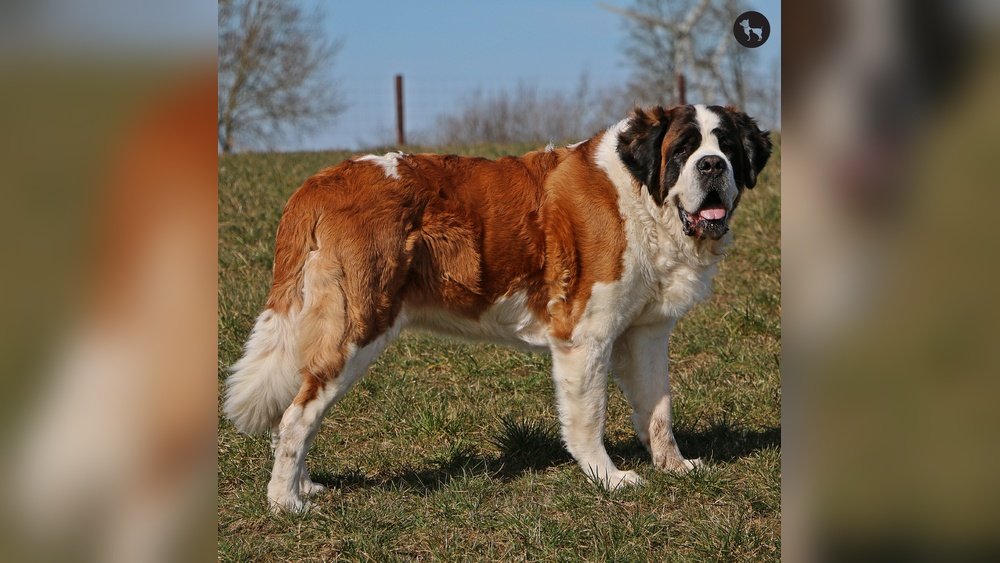
Typical colors include white with red, orange, brindle, or brown markings. A white chest, feet, and tip of the tail are common. The face usually has a mask-like marking around the eyes and ears.
Growth Pattern
Saint Bernards grow quickly during puppyhood. They can weigh 60-80 lbs (27-36 kg) by six months. Full maturity is reached around 2-3 years. Rapid growth means their bones and joints need special care—overfeeding or intense exercise can cause health issues.
Distinctive Features
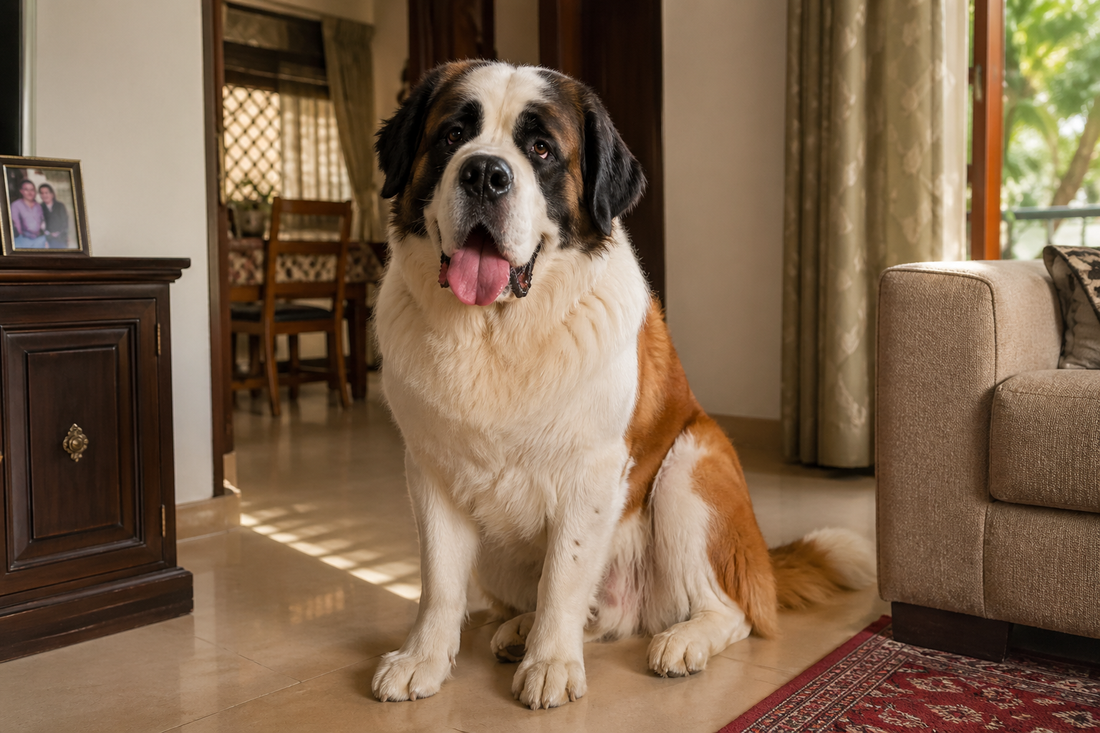
- Large, broad head with a short muzzle
- Deep, expressive eyes (usually dark brown)
- Droopy lips and sometimes a bit of drool
- Strong, muscular build
Despite their size, Saint Bernards move with surprising grace. They’re built for endurance, not speed.
Credit: wrapinfur.com
Temperament: Personality Traits And Behavior
The Saint Bernard is famous for its gentle giant personality. But what’s it really like to live with one? Their temperament is shaped by centuries of working closely with humans.
Key Personality Traits
- Gentle and patient: Saint Bernards are known for their calm and tolerant nature. They’re especially good with children.
- Loyal and devoted: These dogs bond closely with their families and often act as protectors.
- Sociable: They generally get along well with other dogs and pets, though early socialization is important.
- Calm indoors: Despite their size, Saint Bernards are not hyperactive. They’re content to relax with the family.
Intelligence And Trainability
Saint Bernards are intelligent and eager to please, but they have an independent streak. They respond best to positive reinforcement and gentle guidance. Harsh discipline is not effective.
Training a Saint Bernard requires patience. Because of their size, early obedience training is essential. Teaching commands like “sit,” “stay,” and “come” can prevent future problems, especially when your dog weighs over 150 lbs!
Interaction With Children And Other Pets
One reason families love Saint Bernards is their natural gentleness with children. However, their size can accidentally knock over small kids. Always supervise playtime, especially with young children.
With other dogs and pets, Saint Bernards are usually friendly. Early exposure and socialization help prevent any shyness or dominance issues.
Common Behavior Challenges
- Drooling: Saint Bernards are famous droolers, especially after eating or drinking.
- Stubbornness: Sometimes, they may ignore commands if not motivated.
- Separation anxiety: These dogs crave company and can become stressed if left alone for long periods.
Understanding these traits helps owners create a happy, balanced relationship with their Saint Bernard.
Saint Bernard As A Family Dog: Suitability And Lifestyle
Before bringing a Saint Bernard home, it’s important to consider if your lifestyle matches the breed’s needs.
Living Space
Saint Bernards need space to stretch out. While they can adapt to apartment living if exercised properly, a house with a yard is ideal. Remember, their large size means they can accidentally bump into furniture or knock over items.
Activity Level
These dogs are not as energetic as some breeds, but they do need daily walks and playtime. Short walks and gentle play are better than intense exercise, especially during puppyhood. Over-exercising young Saint Bernards can cause joint problems.
Family Structure
Saint Bernards thrive in families where someone is home most of the day. They do well with children and other pets but need supervision during play. Their size means they’re not the best choice for very frail individuals or families with toddlers unless proper precautions are taken.
Travel And Transportation
Transporting a Saint Bernard can be challenging. Their large size makes traveling by car or plane more complicated. If you move often or travel frequently, consider if you can accommodate a giant dog’s needs.
Exercise Needs: Keeping Your Saint Bernard Healthy
Exercise is essential, but it must be balanced to protect the Saint Bernard’s joints and bones.
Puppy Exercise
Saint Bernard puppies grow rapidly. Too much running or jumping can damage developing joints. Stick to gentle walks and avoid stairs or rough play until they’re fully grown.
Adult Exercise Routine
A typical adult Saint Bernard needs:
- 30–60 minutes of moderate exercise per day
- Two short walks, plus playtime in a secure yard
- Mental stimulation, such as puzzle toys or obedience training
They enjoy activities like hiking, but avoid extreme heat or long distances. Saint Bernards are prone to overheating due to their thick coats.
Common Exercise Mistakes
- Over-exercising puppies
- Allowing rough play on slippery floors
- Exercising during hot weather
Pay attention to signs of exhaustion, especially in summer. Always have fresh water available.
Grooming And Coat Care
Saint Bernards shed, and their grooming needs depend on coat type.
Brushing And Bathing
- Short-haired: Brush once or twice a week.
- Long-haired: Brush 3–4 times a week to prevent mats.
Both types shed heavily, especially in spring and fall. Use a slicker brush or undercoat rake.
Bathing is needed every 6–8 weeks, or when your dog gets dirty. Use a gentle, dog-safe shampoo.
Ear, Eye, And Nail Care
- Ears: Check weekly for dirt and moisture. Clean gently to prevent infections.
- Eyes: Wipe away discharge with a damp cloth.
- Nails: Trim every 3–4 weeks. Overgrown nails can cause pain or joint problems.
Managing Drool
Saint Bernards drool—sometimes a lot. Keep towels handy and wipe their mouths after meals. Regular cleaning prevents skin irritation around the lips and chin.
Grooming Supplies Checklist
Some essential tools include:
- Slicker brush or undercoat rake
- Nail clippers or grinder
- Dog-friendly ear cleaner
- Absorbent towels for drool
Routine grooming helps keep your Saint Bernard healthy and comfortable.
Feeding And Nutrition: What Saint Bernards Need
Feeding a giant breed requires special attention. Saint Bernards need a diet that supports their size and avoids common health issues.
Puppy Nutrition
Rapid growth means puppies need large breed puppy food. These formulas have controlled calcium and phosphorus to support healthy bone development and prevent joint issues.
Feed puppies 3–4 small meals a day. Avoid overfeeding—extra weight stresses growing bones.
Adult Diet
Adults do best on high-quality large breed dog food. Look for:
- Protein: 22–26%
- Fat: 8–12%
- Controlled calories to prevent obesity
Feed adults twice a day. Measure portions carefully—Saint Bernards gain weight easily.
Common Feeding Mistakes
- Free-feeding (leaving food out all day)
- Feeding table scraps (can cause digestive upset)
- Sudden changes in diet (may cause diarrhea)
Special Considerations
Saint Bernards are prone to bloat (gastric torsion), a life-threatening condition. To reduce risk:
- Feed smaller, more frequent meals
- Avoid vigorous exercise after eating
- Use a raised feeder if your vet recommends
Sample Feeding Schedule
| Age | Meals per Day | Portion Size (per meal) |
|---|---|---|
| 2–6 months | 3–4 | 1–2 cups |
| 6–18 months | 2–3 | 2–4 cups |
| Adult | 2 | 4–6 cups |
Adjust portions based on your dog’s weight, activity, and veterinarian advice.
Health And Lifespan
Saint Bernards are generally healthy, but their size makes them prone to certain health problems. Responsible owners must understand and plan for these risks.
Common Health Issues
- Hip and elbow dysplasia: Malformed joints that can cause pain or lameness.
- Bloat (gastric dilatation-volvulus): Stomach twists, blocking blood flow; it’s an emergency.
- Heart disease: Especially dilated cardiomyopathy.
- Entropion and ectropion: Eyelid problems that may require surgery.
- Osteosarcoma: Bone cancer, more common in large breeds.
- Ear infections: Due to their large, floppy ears.
Average Lifespan
The typical Saint Bernard lives 8–10 years. Some reach 12 years with excellent care, but shorter lifespans are common in giant breeds.
Preventive Health Care
- Regular vet check-ups: Twice a year is best for early detection.
- Joint supplements: Glucosamine and chondroitin may help support joint health.
- Weight control: Prevents joint stress and metabolic diseases.
Spaying And Neutering
Discuss timing with your vet—early spay/neuter can affect bone development in giant breeds.
Signs Of Good Health
A healthy Saint Bernard will have:
- Bright, clear eyes
- Clean ears
- Shiny coat
- Steady weight (no sudden gain or loss)
- Normal appetite and energy
If you notice limping, swelling, or changes in behavior, consult your veterinarian.

Credit: petcresta.com
Training And Socialization: Essential Steps
Training a Saint Bernard is not difficult if you start early and use the right approach. Their size makes obedience training essential.
Basic Training Goals
- House training: Start from day one. Use crate training for best results.
- Leash manners: Teach your dog to walk calmly on leash. A pulling Saint Bernard can be hard to control.
- Basic commands: Sit, stay, come, down, and leave it.
- No jumping: Discourage jumping on people early—an adult Saint can unintentionally injure someone.
Socialization
Expose your Saint Bernard puppy to:
- Different people (ages, sizes, and appearances)
- Other dogs and pets
- Noises (traffic, vacuum cleaners, etc.)
- Different environments (parks, pet stores, car rides)
Socialization prevents fearfulness and helps develop a confident, relaxed dog.
Advanced Training
Saint Bernards can learn more advanced skills:
- Therapy work (visiting hospitals or nursing homes)
- Search and rescue (some clubs offer training)
- Canine Good Citizen (CGC) testing
Always use positive reinforcement—treats, praise, and play. Avoid harsh corrections, which can damage trust.
Common Training Mistakes
- Delaying training until the dog is older
- Inconsistent rules between family members
- Using punishment instead of rewards
Consistency, patience, and kindness are key to raising a well-behaved Saint Bernard.
Living With A Saint Bernard: Daily Life Insights
Life with a Saint Bernard is a unique experience. Here are some practical insights new owners often miss:
Space And Furniture
Saint Bernards take up a lot of room. Plan for:
- Large dog beds (at least 48 inches long)
- Extra space in hallways and doorways
- Towels or mats near water bowls to control drool
Cleaning And Maintenance
- Expect daily sweeping or vacuuming during shedding season.
- Keep a towel by the door for muddy paws.
- Use washable covers on sofas and beds.
Vet And Pet Care Expenses
Giant breeds cost more to feed, groom, and treat. Veterinary bills, anesthesia, and even flea treatments are often higher for large dogs. Factor this into your budget before adopting.
Travel And Boarding
Not all boarding kennels accept giant breeds. Plan ahead for vacations—find a pet sitter or kennel that can handle a dog this size.
Special Considerations For Renters
Many rental properties have weight or breed restrictions. Always check pet policies before signing a lease.

Credit: wrapinfur.com
Choosing A Saint Bernard: Adoption, Breeders, And Costs
Getting a Saint Bernard is a big commitment. Here’s what to consider:
Adoption Vs. Buying
- Adoption: Many Saint Bernards need homes through breed rescues and shelters. Adoption fees range from $200–$500, often including shots and spay/neuter.
- Buying from a breeder: Expect to pay $1,500–$3,000 for a puppy from health-tested parents.
How To Find A Responsible Breeder
Look for breeders who:
- Health test their breeding dogs (hips, elbows, heart)
- Let you meet the puppies and parents
- Give references from past buyers
- Offer lifetime support
Avoid buying from pet stores or online ads without proof of health testing.
What To Ask A Breeder
- What health tests have been done?
- What support do you offer after purchase?
- Can I meet both parents?
- Can you provide references?
Initial And Ongoing Costs
| Expense | Estimated Cost |
|---|---|
| Puppy price | $1,500–$3,000 |
| Food (monthly) | $70–$120 |
| Vet care (annual) | $300–$800 |
| Grooming tools | $50–$150 (one-time) |
| Training classes | $100–$300 |
| Pet insurance | $60–$120/month |
These are averages—giant breeds always cost more than smaller dogs over their lifetime.
Red Flags To Watch For
- Puppies sold before 8 weeks of age
- No health certificates
- “Rare colors” or other marketing tricks
Responsible breeders and rescues want the best for their dogs and will ask you questions, too.
Unique Insights: What New Owners Often Miss
- Saint Bernards don’t mature until age 2–3: Even large puppies can be clumsy and mischievous. Patience is essential.
- They are sensitive to heat: These dogs overheat easily. Always provide shade, fresh water, and avoid midday walks in summer.
- Insurance and legal requirements: Some places require extra insurance for giant breeds. Check your local laws.
Understanding these less obvious facts can prevent surprises later.
Saint Bernard In Pop Culture
From “Beethoven” in the popular movie series to their legendary rescue work, Saint Bernards are beloved in movies, books, and art. Their friendly, heroic image makes them one of the most recognized breeds in the world.
For more on the breed’s history, visit the Saint Bernard Wikipedia page.
Frequently Asked Questions
How Much Space Does A Saint Bernard Need?
Saint Bernards are large and do best in homes with plenty of space. While they can adapt to smaller homes with enough exercise, a house with a fenced yard is ideal. Apartments are possible if you commit to daily walks and ensure your dog isn’t left alone for long periods.
Are Saint Bernards Good With Children?
Yes, Saint Bernards are known for their gentle, patient nature with kids. However, because of their size, always supervise interactions with small children to prevent accidental knocks or falls.
How Much Do Saint Bernards Eat?
An adult Saint Bernard typically eats 4–6 cups of high-quality dog food daily, split into two meals. The exact amount depends on age, size, and activity level. Always adjust portions based on your dog’s weight and energy needs.
Do Saint Bernards Drool A Lot?
Yes, drooling is common, especially after eating, drinking, or during excitement. Keeping towels handy and wiping their mouth can help manage drool and prevent skin irritation.
What Is The Average Lifespan Of A Saint Bernard?
The average lifespan is 8–10 years. With excellent care and responsible breeding, some may live longer, but giant breeds generally have shorter lifespans than smaller dogs.
Owning a Saint Bernard is a rewarding experience, but it comes with serious responsibilities. If you have the space, time, and commitment, these gentle giants offer companionship like no other. Their loyalty, warmth, and unique charm make them unforgettable members of any family. By understanding their needs and preparing ahead, you can enjoy a long, happy relationship with your Saint Bernard—making every day with this magnificent breed truly special.

We’re the dedicated team behind MyPawSafe.com, with over a decade of combined experience in veterinary care, pet emergency response, and animal behavior. While we prefer to let our work speak for itself, our mission is clear: to provide science-backed, vet-approved advice that helps pet owners prevent accidents and save lives.