Samoyed Complete Guide: Temperament, Size, And Care
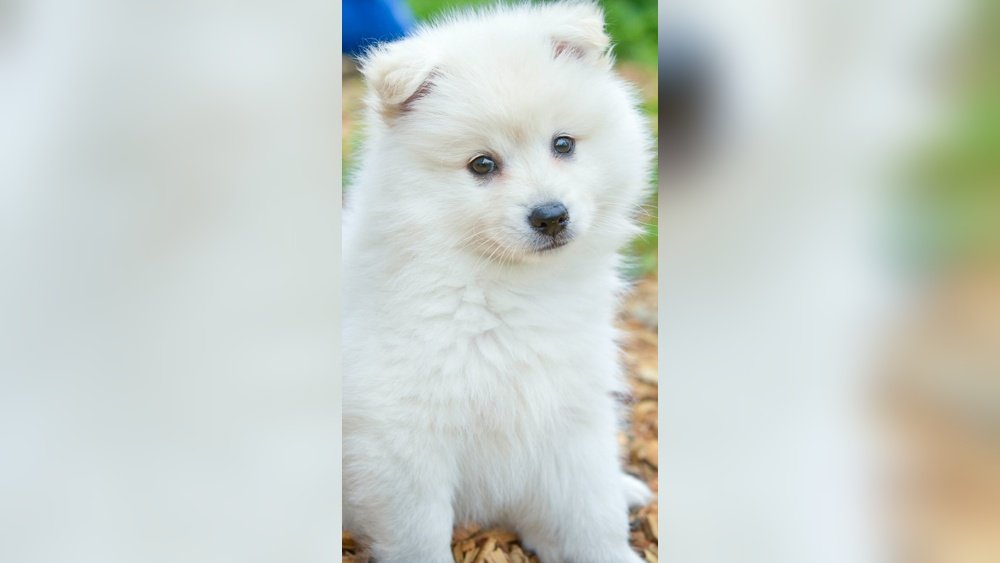
The Samoyed is a breed that instantly catches the eye. Their fluffy white fur, ever-present “Sammy smile,” and gentle expression make them one of the most loved and recognizable dogs in the world. But there’s much more to a Samoyed than a beautiful appearance. Whether you’re considering adopting a Samoyed or simply want to learn about this fascinating breed, understanding their temperament, size, and care needs is essential. This guide explores everything you need to know, from their unique personality to their physical traits and daily requirements.
History And Origins
The story of the Samoyed begins in Siberia, where the Samoyedic people bred these dogs to herd reindeer, pull sleds, and keep their families warm during harsh winters. These dogs were more than just working animals; they were treasured companions, often sleeping with their humans for warmth. The Samoyed’s close connection with people shaped their friendly and gentle temperament.
By the late 19th century, explorers and Arctic expeditions brought Samoyeds to the West. Their impressive endurance and ability to thrive in freezing conditions made them valuable sled dogs. Over time, the breed’s popularity grew, and today, Samoyeds are known worldwide for their beauty and affectionate nature.
Physical Characteristics
Samoyeds have a striking, almost magical appearance. Their thick, white coats and smiling faces make them instantly recognizable, but there’s more to their looks than meets the eye.
Size And Weight
Samoyeds are considered medium to large dogs. There is a noticeable difference between males and females.
| Gender | Height (inches at shoulder) | Weight (pounds) |
|---|---|---|
| Male | 21–23.5 | 45–65 |
| Female | 19–21 | 35–50 |
Samoyeds are powerful, sturdy, and well-proportioned. Their bodies are built for work, with a strong chest and muscular legs.
Coat And Color
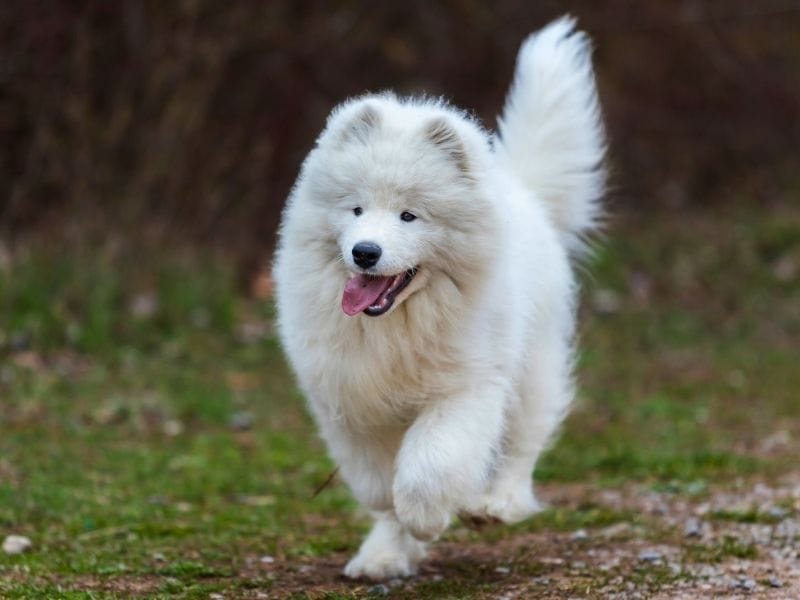
One of the Samoyed’s most famous features is their double coat. The outer coat is long, straight, and coarse, while the undercoat is soft, dense, and woolly. This coat protects them from freezing temperatures and harsh weather.
The most common color is pure white, but some Samoyeds have cream or biscuit markings. Their fur is highly resistant to dirt, which often surprises new owners.
Distinctive Features
- Sammy Smile: The upturned corners of their mouth give Samoyeds a happy, approachable look.
- Dark, Almond-Shaped Eyes: These eyes are expressive and contribute to their gentle expression.
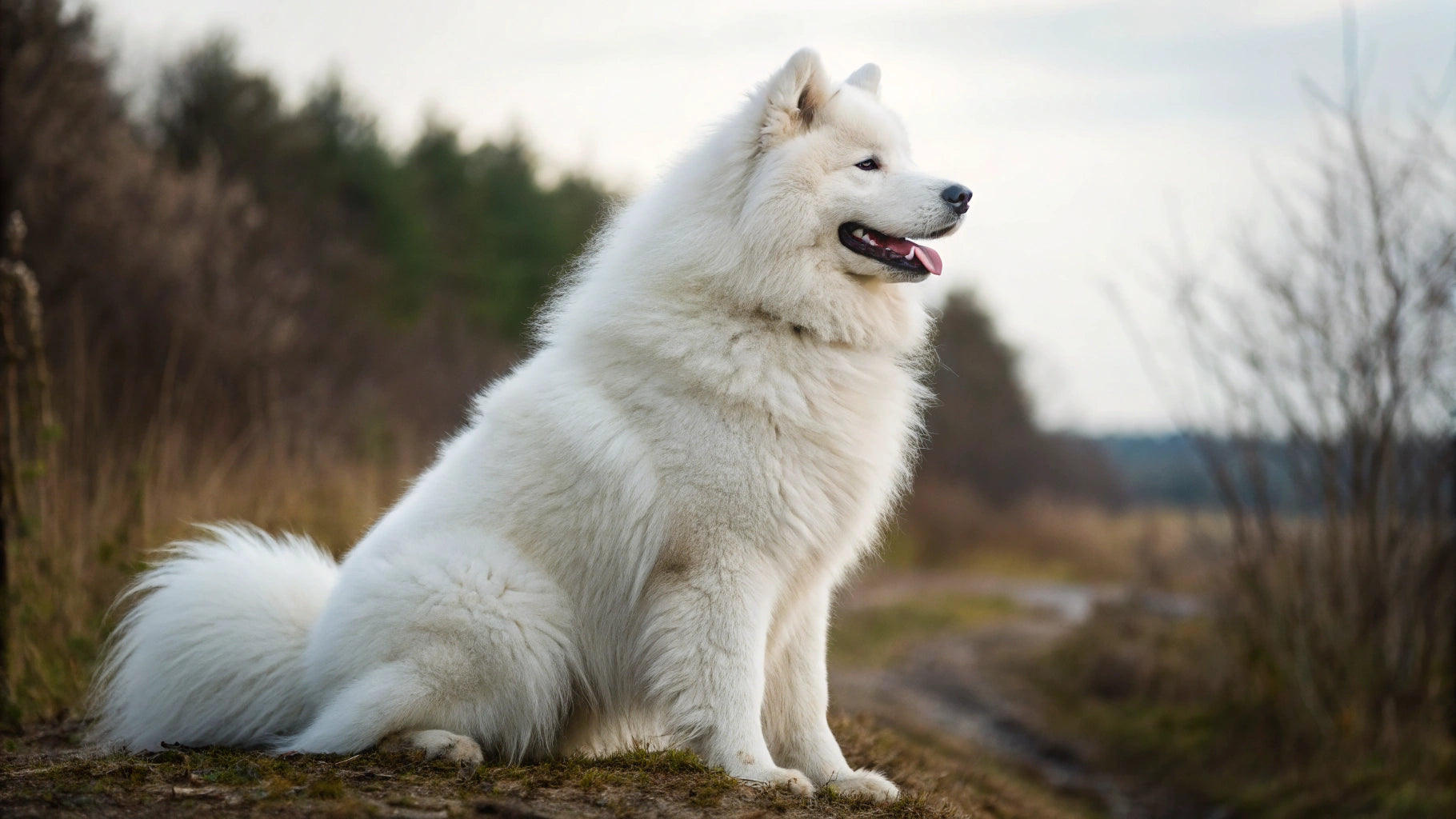
- Plumed Tail: Their tail curls over their back, often resting on one side or the other.
Shedding
Samoyeds are heavy shedders, especially during seasonal changes. They “blow” their undercoat twice a year, resulting in large amounts of fur around the home. Regular grooming is essential to manage this.
Credit: www.borrowmydoggy.com
Temperament And Personality
Samoyeds are known for their gentle, friendly nature. But their temperament is more complex and interesting than many expect.
Family Companionship
Samoyeds are extremely people-oriented. They thrive on human interaction and dislike being left alone for long periods. This makes them excellent family dogs but not the best choice for someone who is rarely home.
They are gentle with children and often very patient, making them suitable for families. However, their size and energy mean they should always be supervised around small kids to avoid accidental knocks.
Intelligence And Trainability
These dogs are intelligent and eager to please. Training can be enjoyable, but Samoyeds also have an independent streak. They may try to outsmart you, so consistency and positive reinforcement are key.
Samoyeds enjoy learning new tricks and tasks, especially if there’s a reward involved. They respond well to treats, praise, and play.
Social Behavior
Samoyeds are rarely aggressive. They are more likely to greet strangers with a wagging tail than a warning bark. While this makes them poor guard dogs, they can be excellent watchdogs, as they will alert you to unusual activity.
They usually get along with other dogs and can live peacefully with cats, especially if raised together. Early socialization is important to encourage good manners.
Energy Level
Don’t be fooled by their calm appearance—Samoyeds are energetic and playful. They need daily exercise and mental stimulation. Without it, they may become bored and find destructive ways to entertain themselves, like digging or chewing.
Non-obvious Insights
- High Prey Drive: Some Samoyeds have a strong instinct to chase small animals due to their herding background. Secure fencing and leash use are important in open areas.
- Vocal Communication: Samoyeds are known for their “talking.” They may yodel, bark, or make other noises to express themselves, especially when excited or seeking attention.
Living With A Samoyed
Bringing a Samoyed into your home is a rewarding experience, but it comes with unique challenges and joys.
Space Requirements
Samoyeds do best in homes with a yard, but they can adapt to apartment living if exercised well. A large, secure yard allows them to run and play, which is important for their happiness.
Exercise Needs
A Samoyed needs at least one hour of active exercise every day. This can include:
- Walks (brisk or leisurely)
- Running or hiking
- Dog sports like agility or obedience
- Play sessions with fetch or tug-of-war
Mental exercise is just as important. Puzzle toys, training games, and learning new commands keep their minds sharp.
Tolerance To Weather
Samoyeds are built for cold. They love snow and can play outside for hours in winter. In hot climates, however, they are prone to overheating. Owners must provide plenty of water, shade, and limit exercise during hot days.
A common mistake is to shave a Samoyed’s coat in summer. This actually makes it harder for them to regulate their temperature, as the double coat insulates against both heat and cold.
Barking And Communication
Samoyeds are not usually nuisance barkers, but they are vocal. They may bark to alert you, “talk” to family members, or express excitement. Teaching a “quiet” command early can help manage excessive noise.
Grooming And Maintenance
Grooming a Samoyed can be a labor of love. Their thick fur requires dedication, but with the right routine, you can keep them looking and feeling their best.
Brushing
Samoyeds need thorough brushing at least two to three times a week. During shedding season (spring and fall), daily brushing may be necessary. A slicker brush and a metal comb help reach the undercoat and remove loose fur.
Bathing
Samoyeds are surprisingly clean dogs. They don’t have a strong odor and only need bathing every few months, or when they get especially dirty. Use a gentle dog shampoo and rinse thoroughly to avoid residue.
Ear, Teeth, And Nail Care
- Ears: Check weekly for dirt, redness, or odor. Clean with a damp cotton ball if needed.
- Teeth: Brush several times a week to prevent tartar and gum disease.
- Nails: Trim every 3–4 weeks. If you hear their nails clicking on the floor, they’re too long.
Grooming Table Comparison
Here’s a quick comparison of grooming needs for Samoyeds versus similar breeds:
| Breed | Brushing Frequency | Shedding Level | Typical Odor |
|---|---|---|---|
| Samoyed | 2–3 times/week | High | Low |
| Siberian Husky | 1–2 times/week | Moderate | Low |
| Great Pyrenees | 2–3 times/week | High | Moderate |
Professional Grooming
Some owners choose professional grooming, especially during shedding season. While not necessary, a groomer can save time and ensure a thorough job.
Non-obvious Insights
- Blow-Drying: Samoyeds dry slowly due to their dense coat. After a bath, use a high-velocity dryer or allow plenty of time for air drying. Damp fur can lead to skin problems.
- Fur Collection: Save the shed undercoat—many people use it to spin into yarn for knitting!
Health And Lifespan
Samoyeds are generally healthy, but like all breeds, they have some predispositions to certain conditions. Responsible breeding and regular vet care make a big difference.
Average Lifespan
Samoyeds typically live 12–14 years. With good care, some reach 15 or more.
Common Health Issues
- Hip Dysplasia: A genetic condition where the hip joint doesn’t fit properly, leading to arthritis.
- Progressive Retinal Atrophy (PRA): Eye disease causing gradual vision loss.
- Diabetes Mellitus: Samoyeds are more prone than some breeds, so watch for increased thirst and urination.
- Hypothyroidism: Low thyroid hormone can cause weight gain and coat changes.
- Cardiac Issues: Less common, but possible.
Preventive Care
- Screened Breeders: Always choose breeders who test for genetic diseases.
- Regular Checkups: Annual vet exams, plus recommended vaccinations and parasite prevention.
- Weight Management: Samoyeds can gain weight easily, which puts stress on their joints.
Health Testing Table
Here’s an overview of recommended health tests for Samoyeds:
| Test | Purpose | When to Do |
|---|---|---|
| Hip Evaluation (OFA/PennHIP) | Detect hip dysplasia | Before breeding; as advised by vet |
| Ophthalmologist Exam | Check for eye diseases | Yearly |
| Thyroid Panel | Screen for hypothyroidism | Every 2–3 years or if symptoms |
| Blood Glucose Test | Monitor for diabetes | Yearly or as needed |
Common Mistakes
Many owners overlook the importance of dental care and weight control. Both are crucial for long-term health.

Credit: www.petsbest.com
Feeding And Nutrition
Feeding a Samoyed isn’t complicated, but there are important considerations for their health, energy, and coat.
Daily Food Needs
An average adult Samoyed needs 1.5 to 2.5 cups of high-quality dry food per day, split into two meals. The exact amount varies depending on age, size, activity level, and metabolism.
Puppy Diet
Samoyed puppies grow quickly. Feed a puppy-formula food with the right balance of protein, fat, and calcium. Avoid overfeeding—rapid growth can stress developing joints.
Special Dietary Considerations
- Protein: Samoyeds thrive on diets with good animal protein sources.
- Omega Fatty Acids: These keep their skin healthy and coat shiny.
- Avoid Overfeeding: Their thick fur can hide weight gain. Feel for ribs and watch their waistline.
Treats And Table Scraps
Use treats for training but keep them small and healthy. Avoid sharing fatty, sugary, or salty human foods. Chocolate, grapes, onions, and xylitol are toxic for dogs.
Fresh Water
Always provide clean, fresh water. Samoyeds are active and may drink more, especially in warm weather.
Non-obvious Insights
- Rotate Proteins: Changing the main protein source every few months can help avoid food sensitivities.
- Slow-Feeder Bowls: Samoyeds can eat quickly, which increases the risk of bloat. Slow-feeder bowls can help them eat at a safer pace.
Training And Socialization
A well-trained Samoyed is a joy to live with. Start training early for the best results.
Key Training Areas
- House Training: Samoyeds are clean and usually pick up house training quickly.
- Basic Commands: Teach sit, stay, come, down, and leave it.
- Leash Training: They can pull due to their sled-dog history. Use positive reinforcement and consider a front-clip harness.
- Crate Training: Useful for housebreaking and providing a safe space.
Socialization
Expose your Samoyed to different people, pets, sounds, and environments as a puppy. This builds confidence and reduces fearfulness.
Handling Independence
Samoyeds are sometimes stubborn. If training gets tough, keep sessions short, positive, and reward-based. Harsh methods do not work and can damage trust.
Common Mistakes
- Inconsistent Rules: Samoyeds will test boundaries. All family members should use the same rules and commands.
- Skipping Socialization: Without it, Samoyeds may become shy or overly excitable.
Activities And Exercise
Keeping a Samoyed physically and mentally busy is key to their happiness.
Daily Exercise
Aim for at least 60 minutes of active time each day. This can be split into walks, runs, and play.
Dog Sports
Samoyeds excel at many activities:
- Agility: Navigating obstacle courses.
- Obedience: Following commands in competition.
- Sledding or Carting: Pulling light loads (even in non-snowy places! ).
- Therapy Work: Their gentle nature makes them great for visiting hospitals or schools.
Playtime
Games like fetch, tug-of-war, and hide-and-seek are favorites. Puzzle toys and scent games can keep their minds active.
Weather Considerations
Limit strenuous activity in hot weather. Early mornings or evenings are best during summer.
Living With Other Pets
Samoyeds are usually friendly with other dogs and can adapt to homes with cats, especially if raised together. Introductions should be slow and supervised.
Small Animals
Due to their prey drive, caution is needed around rabbits, guinea pigs, or birds. Never leave them unsupervised with small pets.
Multi-dog Homes
Samoyeds often do well in multi-dog households. Watch for food or toy guarding and use positive reinforcement to encourage sharing.
Credit: www.houndsy.com
Choosing A Samoyed: What To Know
If you’re thinking about adding a Samoyed to your life, consider these points:
- Time Commitment: Samoyeds need daily attention, exercise, and grooming.
- Shedding: Be ready for lots of hair, especially during shedding season.
- Health Costs: Factor in the cost of regular vet visits, vaccinations, and possible genetic testing.
- Training: Are you ready to train a smart but sometimes stubborn dog?
- Rescue or Breeder: Consider adopting from a rescue. If buying, choose a reputable breeder who tests for health problems.
Visit the American Kennel Club for more details on breed standards and finding responsible breeders.
Cost Of Ownership
Owning a Samoyed is a long-term investment. Here’s a breakdown of common costs:
- Puppy Price: $1,500–$3,000 from a responsible breeder
- Adoption Fee: $200–$500 from a rescue
- Food: $40–$70/month
- Grooming Tools/Supplies: $100–$200 upfront
- Professional Grooming: $50–$100/session (optional)
- Routine Vet Care: $300–$700/year
- Training Classes: $100–$300 for group sessions
- Pet Insurance: $30–$60/month
Unexpected health issues or emergencies can add to these costs.
Is A Samoyed Right For You?
The ideal Samoyed owner is active, enjoys spending time outdoors, and is prepared for regular grooming and training. If you want a loyal, friendly companion who thrives on being part of the family, a Samoyed could be a perfect match.
But if you’re away from home for long periods or dislike fur on your furniture, you may want to consider a less demanding breed.
Frequently Asked Questions
How Much Exercise Does A Samoyed Need Each Day?
A healthy adult Samoyed needs at least one hour of active exercise daily. This can be split into walks, play sessions, and activities like hiking or agility. Puppies need shorter, more frequent playtimes to protect their developing joints.
Do Samoyeds Get Along With Children And Other Pets?
Yes, Samoyeds are generally gentle and patient with children and usually get along well with other dogs. Early socialization is important. Always supervise interactions with young children and small animals, as Samoyeds can be exuberant and have a strong prey drive.
How Often Should I Groom My Samoyed?
Brush your Samoyed 2–3 times per week under normal circumstances. During shedding season (spring and fall), daily brushing is recommended to manage the heavy fur loss and prevent mats.
Are Samoyeds Good For First-time Dog Owners?
Samoyeds can be a good choice for first-time owners who are prepared for their grooming, training, and exercise needs. Their friendly nature makes them easy to love, but their stubbornness and energy require commitment and patience.
What Common Health Issues Should I Watch For In Samoyeds?
Be aware of potential issues like hip dysplasia, PRA (Progressive Retinal Atrophy), diabetes, and hypothyroidism. Choose a breeder who tests for these conditions, and schedule regular checkups to catch problems early.
Bringing a Samoyed into your life means welcoming a loyal, joyful friend who wants nothing more than to be part of the family. Their care requires time, patience, and love, but the rewards—a smiling face, endless companionship, and a heart full of adventure—are worth every effort.
If you’re ready for the commitment, a Samoyed can be one of the most rewarding companions you’ll ever know.

We’re the dedicated team behind MyPawSafe.com, with over a decade of combined experience in veterinary care, pet emergency response, and animal behavior. While we prefer to let our work speak for itself, our mission is clear: to provide science-backed, vet-approved advice that helps pet owners prevent accidents and save lives.