
The Yorkie Chihuahua Mix (chorkie) Guide
Tiny dogs with big personalities have a special place in many homes. The Yorkie Chihuahua mix, often called a Chorkie, is a perfect example. This lively, compact hybrid brings together the best traits of the Yorkshire Terrier and the Chihuahua. For anyone curious about this unique mix—whether you’re considering adoption or just want to know more—this guide covers everything: from what makes the Chorkie unique, to their care, training, and how they fit into family life.
What Is A Yorkie Chihuahua Mix (chorkie)?
A Chorkie is a designer dog breed created by crossing a purebred Yorkshire Terrier with a purebred Chihuahua. This mix is not recognized by the American Kennel Club as a purebred, but they are growing in popularity thanks to their charm, small size, and adaptability.
The Chorkie isn’t just a smaller version of either parent—it’s a blend of both personalities and looks. Their traits can be unpredictable, which makes every Chorkie a bit different. Some inherit more from the Yorkie, others from the Chihuahua, and some are a true mix of both.
Chorkie Appearance: Size, Coat, And Color
Chorkies usually stand out for their petite size and expressive faces. However, their look can vary a lot depending on which parent’s genes are stronger.
Size And Weight
Most Chorkies are small enough to fit comfortably on your lap, making them ideal for apartments or small homes. Here’s a look at typical size ranges:
| Age | Average Weight (lbs) | Average Height (inches) |
|---|---|---|
| 3 months | 2 – 3 | 4 – 5 |
| 6 months | 3 – 5 | 6 – 7 |
| Adult | 5 – 10 | 6 – 9 |
While some Chorkies can be even smaller or larger, most fall within these ranges.
Coat Types
Chorkies can have different coat types, depending on which parent they take after:
- Silky and fine (like the Yorkie)
- Short and smooth (like the Chihuahua)
- Medium-length with some wave (a mix of both)
Their coats can be single-layered (like the Chihuahua) or double-layered (like the Yorkie). This affects how much they shed and how much grooming they need.
Common Colors
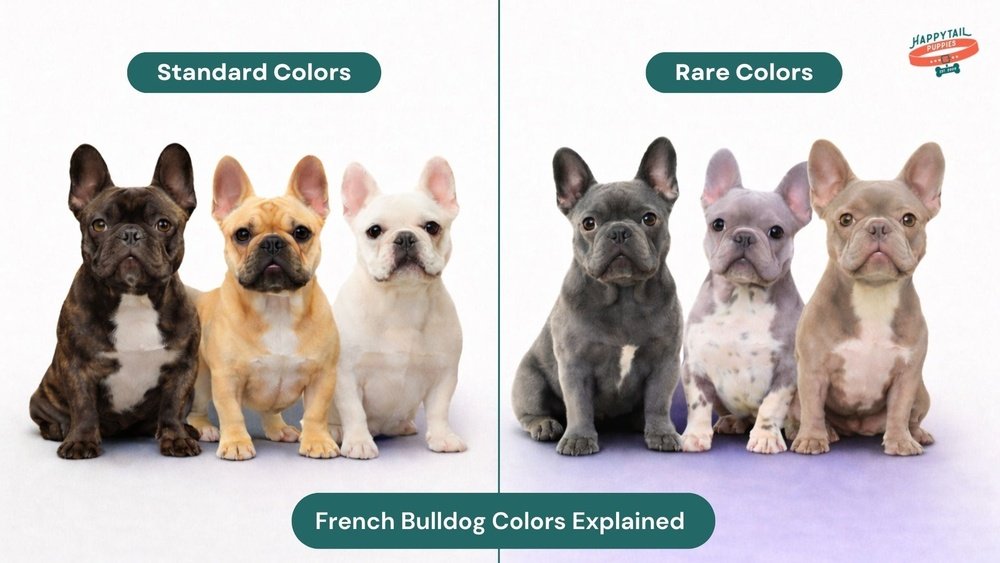
Chorkies come in a range of colors. The most common include:
- Black and tan
- Brown
- Gold
- Blue and tan
- White (less common)
- Mixed or brindle patterns
Some Chorkies change color as they age, especially if they inherit the Yorkie’s tendency to lighten over time.

Credit: www.infinibandta.org
Chorkie Temperament: Personality And Behavior
Chorkies are known for their big personalities packed into small bodies. Understanding their temperament helps you decide if they’re a good fit for your lifestyle.
Key Traits
- Loyalty: Chorkies often form strong bonds with their owners and can be very protective.
- Alertness: Both parent breeds are vigilant, so Chorkies make good watchdogs, despite their size.
- Playfulness: They love playtime and enjoy toys, fetch, and interactive games.
- Confidence: Many Chorkies act much bigger than they are and aren’t afraid to stand up to larger dogs.
- Affectionate Nature: They often want to be close to their humans and can be quite cuddly.
Potential Challenges
Chorkies can also be:
- Vocal: They may bark at noises or strangers.
- Stubborn: Training sometimes requires extra patience.
- Prone to Separation Anxiety: They don’t like being left alone for long periods.
Most Chorkies do well with older children who know how to treat small dogs gently. They can get along with other pets if socialized early, but their terrier side sometimes brings out a bossy streak.
Health And Lifespan Of Chorkies
Like all breeds, Chorkies have specific health needs and risks. Understanding these can help you provide the best care and spot potential issues early.
Average Lifespan
Chorkies are generally healthy and can live long lives. Their average lifespan is 12 to 15 years, with some living even longer with good care.
Common Health Issues
Chorkies may inherit health problems from either parent breed:
- Dental Issues: Small dogs often have crowded teeth and are prone to tartar build-up, gum disease, and early tooth loss.
- Tracheal Collapse: Both Yorkies and Chihuahuas are at risk, making Chorkies prone to coughing and breathing issues.
- Luxating Patella: This is when the kneecap slips out of place, causing limping or discomfort.
- Hypoglycemia: Young or very small Chorkies can experience low blood sugar, especially if they miss meals.
- Eye Problems: Cataracts and dry eye are not uncommon.
- Collapsed Fontanel: Some Chorkies are born with a soft spot on the skull that may not fully close.
Regular veterinary check-ups, a healthy diet, and good dental care help prevent many of these issues. Always look for warning signs like changes in behavior, eating habits, or energy levels.
Health Comparison With Parent Breeds
Here’s how the Chorkie’s health risks compare to its parents:
| Condition | Yorkshire Terrier | Chihuahua | Chorkie (Risk) |
|---|---|---|---|
| Dental Disease | High | High | High |
| Tracheal Collapse | Common | Common | Common |
| Luxating Patella | Common | Common | Common |
| Hypoglycemia | Occasional | Occasional | Possible |
| Eye Problems | Occasional | Occasional | Possible |
Grooming And Care Needs
A Chorkie’s grooming needs depend on its coat type, but all need regular care to stay healthy and comfortable.
Coat Care
- Short Coats: Brush once a week to remove loose hair and keep the skin healthy.
- Long/Silky Coats: Brush every other day to prevent tangles and mats.
- Bathing: Bathe every 3–4 weeks, or as needed if they get dirty.
Because Chorkies are small, their nails grow quickly and need trimming every 2–3 weeks. Cleaning their ears and checking for signs of infection should be part of your routine.
Dental Care
Dental issues are common for Chorkies. Brush their teeth daily with a dog-safe toothpaste. Dental treats and chew toys help, but do not replace brushing.
Shedding
Chorkies are usually low to moderate shedders. Those with Yorkie-like coats shed very little, while those with Chihuahua-like coats may shed more. Regular brushing reduces loose hair around your home.
Bathing And Skin Care
Their skin can be sensitive. Use a gentle, hypoallergenic dog shampoo. Check for dry patches or redness, especially in winter or if your home is dry.
Feeding Your Chorkie: Diet And Nutrition
Feeding a Chorkie well is about more than just giving them food. Their small size means they need nutrient-rich meals in small amounts.
Daily Calorie Needs
Adult Chorkies usually need 150–250 calories per day, depending on their weight and activity.
Puppies need more frequent meals (3–4 times a day), while adults do well on two meals daily.
What To Feed
Choose a high-quality kibble made for small breeds. Look for:
- Meat as the first ingredient
- Healthy fats (like fish oil or chicken fat)
- No fillers (like corn or soy)
- Added vitamins and minerals
Wet food is fine, but make sure it’s balanced and not too rich in fat.
Foods To Avoid
Never feed your Chorkie:
- Chocolate
- Grapes or raisins
- Onions or garlic
- Xylitol (a sweetener found in some peanut butter)
- Cooked bones
These can be toxic, even in small amounts.
Treats And Table Scraps
Treats should be less than 10% of their daily calories. Avoid sharing table scraps, as even a little “people food” can upset their stomach or cause weight gain.
Feeding Schedule And Tips
- Stick to regular meal times to prevent hypoglycemia.
- Use a shallow, non-tip bowl.
- Monitor their weight—Chorkies can gain weight quickly.
- If your dog is a picky eater, try warming the food slightly or adding a small amount of low-sodium chicken broth.
Exercise And Activity Levels
Despite their size, Chorkies are energetic and need daily activity.
How Much Exercise Does A Chorkie Need?
Aim for 30–45 minutes of exercise each day. This can be split into a few short walks and some playtime.
Best Activities
- Short walks around the neighborhood
- Indoor games (fetch, tug-of-war)
- Puzzle toys for mental stimulation
Chorkies love exploring, but their small size means they can tire out quickly. Avoid long hikes or rough play with bigger dogs.
Warning: Overexertion
Watch for signs of fatigue like heavy panting, slowing down, or trying to sit during walks. Small dogs can overheat or tire quickly, especially in hot weather.
Mental Stimulation
Chorkies are smart and can get bored if not mentally challenged. Training sessions, treat puzzles, and teaching new tricks keep their minds active.
Training Your Chorkie
Training a Chorkie is rewarding but sometimes challenging. Their intelligence and stubbornness make consistency essential.
Housetraining
Chorkies can be slow to housetrain, partly because of their small bladders. Start early and be patient:
- Take them out frequently, especially after eating or waking up.
- Use positive reinforcement (treats, praise).
- Avoid punishment, as it can make them anxious and set back progress.
Basic Commands
Teaching basic commands like sit, stay, come, and leave it is important for safety and good manners. Use short, 5–10 minute sessions and lots of rewards.
Socialization
Expose your Chorkie to different people, pets, and environments early on. Well-socialized Chorkies are less fearful and less likely to bark excessively.
Common Training Challenges
- Barking: Curb excessive barking by teaching a “quiet” command and rewarding calm behavior.
- Separation Anxiety: Practice leaving your Chorkie alone for short periods, gradually increasing the time.
- Leash Pulling: Use a harness and reward your dog for walking calmly by your side.
Advanced Tricks And Agility
Chorkies often love learning tricks or agility games. This keeps them happy and provides extra exercise.

Credit: www.infinibandta.org
Chorkie Living Environment: Home, Family, And Compatibility
Chorkies adapt well to many environments, but there are a few important considerations.
Apartment Living
Their size and moderate exercise needs make Chorkies great for apartments. They don’t need a yard, but they do need daily walks and playtime.
Family Compatibility
Chorkies are best for families with older children who know how to handle small dogs gently. Young kids can accidentally hurt them. They can live with other pets, but introductions should be slow and supervised.
Alone Time
Chorkies thrive on companionship. Leaving them alone for long periods can cause anxiety and destructive behavior. If you work long hours, consider doggy daycare or a pet sitter.
Weather Sensitivity
Small dogs like Chorkies get cold easily. In winter, use a dog sweater for walks, and avoid staying out too long. In hot weather, provide water and shade, and walk during cooler parts of the day.
Finding And Choosing A Chorkie
If you’re ready to bring a Chorkie into your home, you have a few options: reputable breeders, rescues, or adoption from shelters.
What To Look For In A Breeder
- Health Testing: Good breeders test parent dogs for common health issues.
- Clean Facility: The environment should be clean, with happy, healthy puppies.
- Transparency: Breeders should answer questions and provide health records.
- Early Socialization: Puppies should be exposed to people and normal household sounds.
Avoid puppy mills and pet stores, which often don’t provide proper care.
Adoption And Rescue
Chorkies sometimes end up in shelters or rescues. Adopting saves a life and is often less expensive than buying from a breeder. Look for local rescues focused on small breeds or search national databases.
Cost Of A Chorkie
The price for a Chorkie puppy can range widely:
| Source | Average Price (USD) | Includes Vaccines? | Health Guarantee? |
|---|---|---|---|
| Reputable Breeder | $500 – $1,500 | Usually | Usually |
| Rescue/Shelter | $100 – $400 | Sometimes | Rarely |
| Puppy Mill/Pet Store | $300 – $1,000 | Sometimes | No |
Remember, the initial cost is just the beginning. Budget for food, vet care, grooming, and supplies.

Credit: magazine.joovy.com
Chorkie Pros And Cons
Knowing the strengths and challenges of the Chorkie helps you decide if this mix is right for your lifestyle.
Pros
- Compact size: Great for apartments or small homes.
- Affectionate: Loyal and loving with their families.
- Alert watchdog: Quick to let you know if something is wrong.
- Low to moderate shedding: Easier on allergies than some breeds.
Cons
- Vocal: Can bark more than some people like.
- Fragile: Small size means they can be injured easily.
- Stubborn streak: May require extra patience during training.
- Prone to separation anxiety: Not ideal if you’re gone most of the day.
Non-obvious Insights
- Chorkies can be picky eaters, especially if you offer too many treats or people food. Keeping to a strict diet helps avoid stomach upsets and weight gain.
- Their confidence can sometimes turn into bossiness. If not trained and socialized early, they may try to “rule” the house, including much larger pets.
Chorkie Myths And Facts
There’s a lot of information—and some myths—about designer dogs like the Chorkie. Let’s set the record straight.
- Myth: Chorkies are hypoallergenic.
Fact: While they shed less than some breeds, no dog is truly hypoallergenic.
- Myth: Small dogs don’t need much exercise.
Fact: Chorkies are active and need daily walks and playtime.
- Myth: Chorkies don’t need training because they’re small.
Fact: Training is important for behavior, safety, and mental stimulation.
- Myth: Mixed breeds are always healthier.
Fact: Chorkies can inherit health issues from either parent, so responsible breeding and regular vet care are still essential.
For more on dog breed health and genetics, see the Wikipedia entry on dog breeds.
Frequently Asked Questions
What Is The Average Lifespan Of A Chorkie?
Chorkies usually live 12 to 15 years. With good care, some reach 16 years or more. Regular vet visits, a healthy diet, and daily exercise help ensure a long, happy life.
Are Chorkies Good With Children And Other Pets?
Chorkies can be great with older children who know how to handle small dogs. They may be nervous around toddlers, who can accidentally hurt them. Early socialization helps them get along with other pets, but always supervise first introductions.
How Often Should I Groom My Chorkie?
Grooming needs depend on coat type. Long-haired Chorkies need brushing every other day. Short-haired Chorkies need brushing once a week. All Chorkies need regular nail trims, ear cleaning, and daily dental care.
How Much Do Chorkies Bark?
Chorkies are often vocal. They may bark at noises, strangers, or even when bored. Training and socialization can reduce excessive barking, but they may never be completely silent.
Do Chorkies Have Any Special Health Concerns?
Yes, Chorkies are prone to dental problems, tracheal collapse, and luxating patella. Regular vet check-ups, proper dental care, and a healthy diet help manage these risks.
Chorkies are small in size, but their hearts and personalities are anything but tiny. They thrive in homes where they get plenty of attention and love. With the right care, training, and environment, a Chorkie can be a loyal, lively, and loving companion for years.
If you’re ready for a dog that will keep you entertained and always want to be by your side, the Yorkie Chihuahua mix could be the perfect fit.
We’re the dedicated team behind MyPawSafe.com, with over a decade of combined experience in veterinary care, pet emergency response, and animal behavior. While we prefer to let our work speak for itself, our mission is clear: to provide science-backed, vet-approved advice that helps pet owners prevent accidents and save lives.