
The Maltese Shih Tzu mix, commonly known as the Malshi, is a small dog with a big heart. This hybrid breed brings together the charm of the Maltese and the playful personality of the Shih Tzu. Over the last two decades, the Malshi has become a favorite among dog lovers looking for a friendly, low-shedding companion. If you want a pet that is both affectionate and easy to care for, the Malshi is worth considering. In this guide, you will learn everything you need to know about the Malshi, from its personality and health to grooming and daily care.
What Is A Malshi?
The Malshi is a designer breed created by crossing a purebred Maltese with a purebred Shih Tzu. Unlike many large breeds, Malshis are bred mainly for their companionship and appearance rather than for work or hunting. Most Malshis are first-generation mixes, but some breeders now offer “multigenerational” Malshis, where both parents are Malshi mixes.
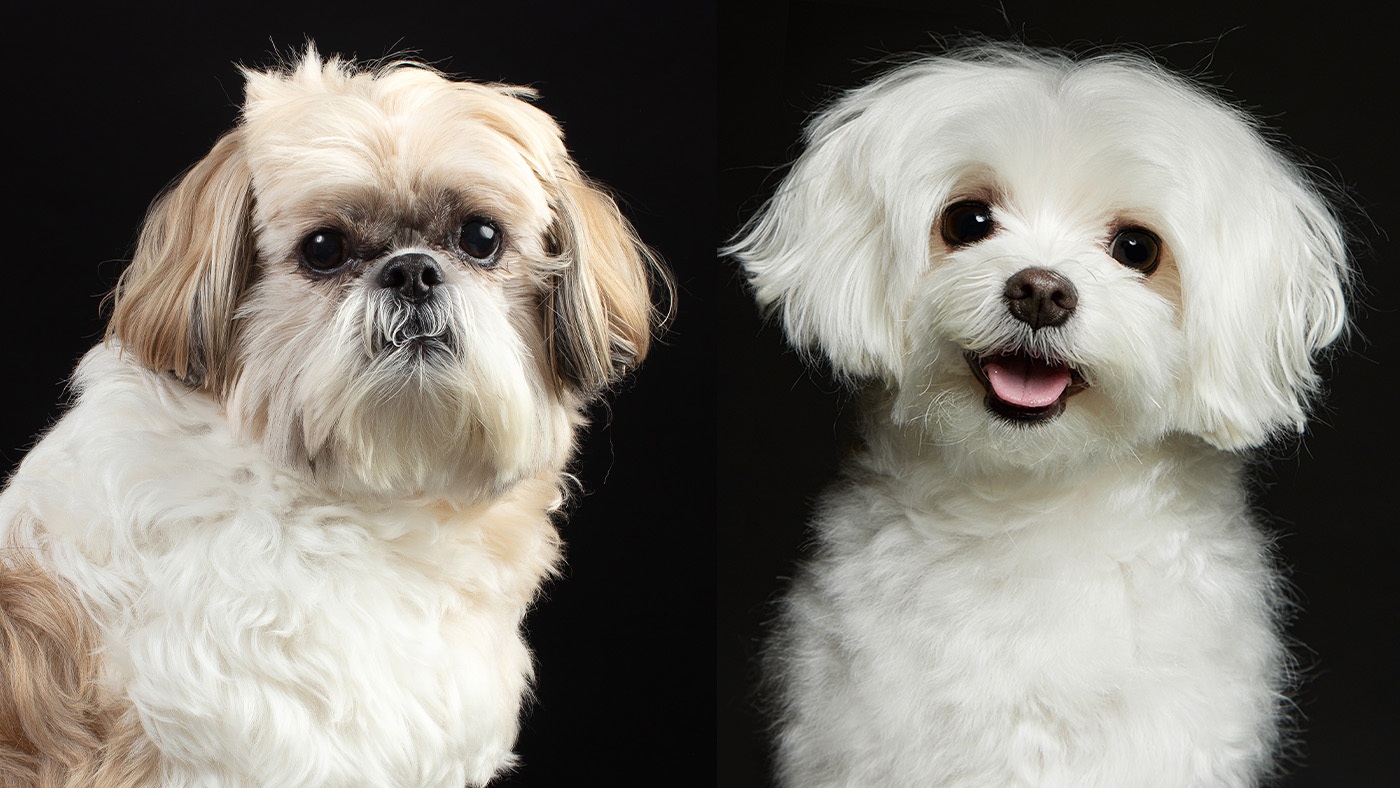
This small dog usually weighs between 6 and 12 pounds and stands about 8 to 10 inches tall at the shoulder. Their size makes them perfect for apartments or small homes. Malshis are known for their silky, soft coats and expressive faces. They are also called Malt-Tzus or Mal-Tzus in some circles.
History And Origin
The Malshi is a relatively new hybrid, with origins tracing back to the late 1990s and early 2000s. Breeders wanted to create a dog that combined the best traits of the Maltese and Shih Tzu—especially their hypoallergenic qualities, gentle nature, and friendly attitude.
- The Maltese has a rich history dating back thousands of years, often seen as a companion to royalty.
- The Shih Tzu is an ancient breed from China, once favored by emperors.
By mixing these two breeds, the goal was to produce a small dog that fit modern lifestyles—loving, smart, and low-shedding. Today, Malshis are not recognized by the American Kennel Club (AKC) because they are a mix, but they are accepted by several hybrid and designer dog registries.
Appearance And Physical Traits
Each Malshi is unique, but most share certain features from their parent breeds. Here’s what you can expect:
Size And Weight
Malshis are small dogs. Here’s a quick comparison:
| Breed | Height (inches) | Weight (pounds) |
|---|---|---|
| Maltese | 7-9 | 4-7 |
| Shih Tzu | 9-10.5 | 9-16 |
| Malshi | 8-10 | 6-12 |
Most Malshis stay small even when fully grown. Their compact size makes them easy to handle, travel with, and care for in small spaces.
Coat And Colors
Malshis have a soft, fluffy coat that may be straight, wavy, or slightly curly. The hair is usually medium to long, similar to both parents. One of the main reasons people choose the Malshi is because they shed very little—making them a popular choice for people with allergies.
Common coat colors include:
- White
- Cream
- Brown
- Black
- Combinations of these
Some Malshis have unique markings or color patterns, especially on the face and ears.
Face And Body
The Malshi’s face is often round, with a short muzzle and large, dark eyes. Their ears are floppy and covered with fur. They have a sturdy body for their size, with a plumed tail that may curl over the back.
Non-obvious Insight
Many people think all Malshis are white because of the Maltese parent, but mixed coloring is common. No two Malshis are exactly alike, so each puppy is truly one-of-a-kind.
Personality And Temperament
If you want a friendly, affectionate dog, the Malshi is an excellent choice. These dogs are known for their loving nature and playful spirit.
General Personality
- Affectionate: Malshis love to be with their people. They are happiest when sitting on your lap or following you around the house.
- Playful: They enjoy games and toys, but are not overly hyper.
- Gentle: Malshis get along well with children and older adults. Their gentle manner makes them suitable for families, singles, and seniors alike.
- Alert: They are curious and alert, often barking to let you know when someone is at the door.
Socialization
Malshis are usually friendly with strangers and other pets, but early socialization is important. Without proper exposure, they can become shy or nervous.
Common Behavioral Traits
- They may bark at new sights or sounds, but are not typically yappy.
- Separation anxiety can be an issue if left alone for long periods.
- Malshis love routine and may become stressed with big changes.
Non-obvious Insight
Some Malshis inherit a stubborn streak from the Shih Tzu side. Consistent, gentle training is key. Avoid harsh discipline, as these sensitive dogs respond best to positive reinforcement.
Living With A Malshi
Owning a Malshi means more than just enjoying their company. You’ll need to consider their daily needs to keep them happy and healthy.
Best Home Environment
Malshis adapt well to:
- Apartments or small homes
- Houses with or without yards
- Families with children (supervise play with small kids)
- Singles and seniors
Because of their size, they are not suited for rough play or outdoor-only living.
Exercise Needs
Malshis need moderate exercise. Daily walks and indoor play keep them fit and happy. Aim for about 20-30 minutes of activity each day.
Some ideas:
- Short walks in the morning and evening
- Play with toys indoors
- Interactive games like fetch
Avoid long runs or rough play, as their small bodies can be easily injured.
Diet And Nutrition
A healthy diet is essential. Feed your Malshi high-quality small-breed dog food. Look for formulas rich in protein and healthy fats. Avoid foods with too many fillers or artificial ingredients.
- Adult Malshi: About 1/2 to 1 cup of kibble per day, split into two meals
- Puppy Malshi: 3-4 small meals per day
Adjust amounts based on your dog’s activity level and age.
Non-obvious Insight
Malshis can be picky eaters. Try mixing dry and wet food, or add a little cooked chicken to encourage eating. Always provide fresh water.
Grooming And Maintenance
One of the most important aspects of Malshi care is grooming. Their beautiful coats need regular attention to stay clean and tangle-free.
Brushing
- Brush your Malshi at least 3-4 times a week.
- Use a slicker brush or a comb designed for long-haired dogs.
- Regular brushing prevents mats and tangles.
Bathing
- Bathe your Malshi every 3-4 weeks or as needed.
- Use a gentle dog shampoo to avoid skin irritation.
Trimming
- Hair grows continuously, so professional grooming every 6-8 weeks is recommended.
- Trim hair around the eyes, ears, and paws for comfort and cleanliness.
Ear And Eye Care
Malshis are prone to tear staining and ear infections:
- Wipe around the eyes daily with a damp cloth.
- Clean the ears weekly using a vet-approved solution.
Dental Care
Small breeds like the Malshi often have dental issues. Brush their teeth 2-3 times a week with dog toothpaste.
Nail Care
Trim nails every 2-3 weeks, or as needed. If you hear clicking on the floor, it’s time for a trim.
Non-obvious Insight
Malshi coats can change as they age. Puppies often have softer, fluffier fur that becomes silkier as adults. Some color fading is also common, so expect your Malshi’s look to evolve over time.

Credit: www.youtube.com
Training And Intelligence
Malshis are smart and eager to please, but training can be a mix of easy and challenging.
House Training
Start housebreaking your Malshi as soon as possible. Crate training is effective with this breed. Be patient—some Malshis take a bit longer to learn, especially if left alone too long.
Basic Commands
Teach commands like “sit,” “stay,” “come,” and “leave it. ” Malshis respond well to positive reinforcement—treats, praise, and toys.
Socialization
Expose your puppy to different people, pets, and places. This helps prevent fearfulness later.
Common Training Challenges
- Short attention span: Keep sessions short and fun.
- Stubbornness: If your Malshi ignores commands, avoid repeating them loudly. Instead, use treats and encouragement.
Crate Training Example
Crate training helps with housebreaking and gives your dog a safe space. Place a soft bed and a favorite toy inside. Start with short periods, gradually increasing time as your dog becomes comfortable.
Health And Lifespan
Malshis are generally healthy, but all breeds have some risks. Understanding common health concerns helps you keep your dog well.
Average Lifespan
A well-cared-for Malshi lives 12-15 years, and some reach 16 years or more. Good nutrition, exercise, and vet care are key to a long life.
Common Health Issues
Malshis may inherit problems from both parent breeds. Here’s a summary:
| Health Issue | Description | Prevention/Treatment |
|---|---|---|
| Dental Disease | Plaque and tartar build up, leading to tooth loss | Regular brushing, dental checkups |
| Patellar Luxation | Kneecap slips out of place, causing limping | Monitor activity, surgery in severe cases |
| Eye Problems | Tear staining, dry eye, or infection | Daily cleaning, vet checks |
| Respiratory Issues | Short muzzle can cause snoring or breathing problems | Avoid overexertion, monitor during hot weather |
| Allergies | Itchy skin or digestive upset | Special diet, vet advice |
Vet Visits
Schedule annual checkups, vaccinations, and regular dental cleanings. Early detection of health issues means better outcomes.
Non-obvious Insight
Malshis are sensitive to heat. In hot weather, keep walks short and provide plenty of water. Never leave your dog in a parked car, even for a few minutes.
Malshi Vs Other Small Breeds
You might wonder how the Malshi compares to other popular small dogs. Here’s a look at key differences.
| Breed | Shedding | Energy Level | Best For |
|---|---|---|---|
| Malshi | Very Low | Medium | Allergies, families, seniors |
| Maltipoo (Maltese x Poodle) | Low | High | Active owners |
| Shih Tzu | Low | Low/Medium | Families, apartments |
| Yorkie (Yorkshire Terrier) | Very Low | Medium/High | Experienced owners |
The Malshi stands out for its gentle nature and low-maintenance coat compared to similar mixes. It’s less demanding than a Maltipoo but friendlier than some terriers.
Is The Malshi Hypoallergenic?
Many people look for hypoallergenic dogs because of allergies. While no breed is 100% allergen-free, Malshis are a good choice for people with mild dog allergies. Their hair grows continuously and falls out less, which means less dander in your home.
Tips to reduce allergies:
- Brush and bathe your dog regularly
- Use an air purifier
- Wash bedding and toys weekly
If you have severe allergies, spend time with a Malshi before adopting to see how you react.
Choosing A Malshi Puppy
Finding a healthy, happy Malshi requires a little research. Not all breeders are the same, and it’s important to avoid puppy mills.
How To Choose A Good Breeder
- Look for breeders who test parents for health problems.
- Visit the home or kennel to see conditions.
- Ask for references from previous buyers.
- Review contracts and health guarantees.
A good breeder will answer questions and let you meet the puppy’s parents.
Adoption And Rescue
You can also find Malshis through rescue groups and shelters. Adopting a dog gives a second chance to a pet in need.
What To Ask Breeders Or Shelters
- Health records and vaccination history
- Puppy’s age and socialization experiences
- Any known health concerns in the family line
Puppy Costs
Malshi puppies usually cost $800 to $2,000 from reputable breeders. Rescue fees are often lower, around $150 to $500.
Non-obvious Insight
Meet the puppy more than once if possible. A calm, curious puppy often grows into a well-adjusted adult. Avoid puppies that seem overly shy or aggressive.
Living Costs And Daily Care
Owning a dog is a long-term commitment. Here’s what you can expect to spend:
- Food: $20–$40/month
- Grooming: $50–$80 every 2 months
- Vet visits: $100–$300/year (more for emergencies or dental work)
- Toys and supplies: $50–$100/year
Unexpected costs, like illness or accidents, can happen. Pet insurance can help with major expenses.
Daily Routine Example
A typical day with a Malshi might look like this:
- Morning walk (10-15 minutes)
- Breakfast
- Playtime or nap
- Short midday walk or potty break
- Grooming (quick brush)
- Evening walk (10-15 minutes)
- Dinner
- Family time or quiet rest
Consistency is key. Malshis love routine and knowing what to expect each day.

Credit: www.revive-global.com
Traveling With Your Malshi
Because of their size and temperament, Malshis are excellent travel companions.
- Most airlines allow small dogs in the cabin if they fit under the seat
- Car travel is easy with a secure crate or seat belt harness
- Always bring your dog’s favorite toy or blanket for comfort
Check hotel pet policies before booking, and make sure your Malshi is up to date on vaccines before traveling.
Activities And Enrichment
Malshis need mental stimulation as well as physical exercise. Here are some ideas:
- Puzzle toys and treat-dispensing balls
- Basic obedience or trick training
- Social outings to pet-friendly shops or parks
- Short hikes or nature walks (on leash)
Boredom can lead to unwanted behaviors like chewing or barking. Keep your Malshi engaged with new experiences and toys.
Pros And Cons Of Owning A Malshi
Every breed has advantages and drawbacks. Here’s a balanced view:
Pros
- Low shedding—good for mild allergies
- Adaptable to apartments or small homes
- Friendly and loving with most people and pets
- Moderate exercise needs—easy to fit into busy lives
- Long lifespan with proper care
Cons
- Needs regular grooming and professional trims
- Can develop separation anxiety if left alone too much
- Prone to dental and some breed-specific health issues
- Some are picky eaters or stubborn in training
- Not ideal for families wanting a very active or large dog
Consider your lifestyle and needs before bringing a Malshi home.
Where To Learn More
If you want to dive deeper into dog breeds and care, the American Kennel Club offers resources about parent breeds and mixed-breed dogs. Visit American Kennel Club for more information.
Credit: magazine.joovy.com
Frequently Asked Questions
How Much Do Malshi Puppies Cost?
Malshi puppies from reputable breeders usually cost $800 to $2,000. Prices depend on the breeder’s reputation, location, and whether the puppy’s parents have health clearances. Adoption fees from shelters or rescues are lower, often between $150 and $500.
Are Malshis Good With Children And Other Pets?
Yes, Malshis are generally excellent with children and get along well with other pets. Their gentle nature makes them ideal for families, but always supervise play with very young children to prevent accidental injuries.
Do Malshis Bark A Lot?
Malshis are alert and will bark to announce visitors or strange noises. However, they are not excessive barkers. With proper training and socialization, most Malshis can be taught to bark only when necessary.
How Much Exercise Does A Malshi Need?
A Malshi needs about 20-30 minutes of exercise each day. This can be split into two or three short walks and some playtime. They enjoy interactive games but do not require intense physical activity like some larger breeds.
What Are Common Health Problems In Malshis?
Common health concerns include dental disease, patellar luxation, tear staining, and mild respiratory issues. Regular grooming, dental care, and vet checkups help prevent or manage most problems.
The Malshi brings together the best of two beloved breeds. With the right care, training, and attention, this affectionate companion will bring years of joy to your home. If you want a small, loving dog that fits nearly any lifestyle, the Malshi is a breed worth considering.

We’re the dedicated team behind MyPawSafe.com, with over a decade of combined experience in veterinary care, pet emergency response, and animal behavior. While we prefer to let our work speak for itself, our mission is clear: to provide science-backed, vet-approved advice that helps pet owners prevent accidents and save lives.