The Bernese Golden Retriever Mix: Size, Coat, And Temperament
If you’re searching for a loyal family dog with striking looks and a gentle spirit, the Bernese Golden Retriever mix—sometimes called the Golden Mountain Dog—might be your ideal companion. This hybrid combines the best traits of the Bernese Mountain Dog and the Golden Retriever, two breeds famous for their friendliness, intelligence, and beauty. But what is it really like to own one? This article explores everything you need to know about their size, coat, temperament, and more. Whether you’re a first-time dog owner or looking for your next furry friend, you’ll find clear, practical advice and honest insights about this popular crossbreed.
Origins Of The Bernese Golden Retriever Mix
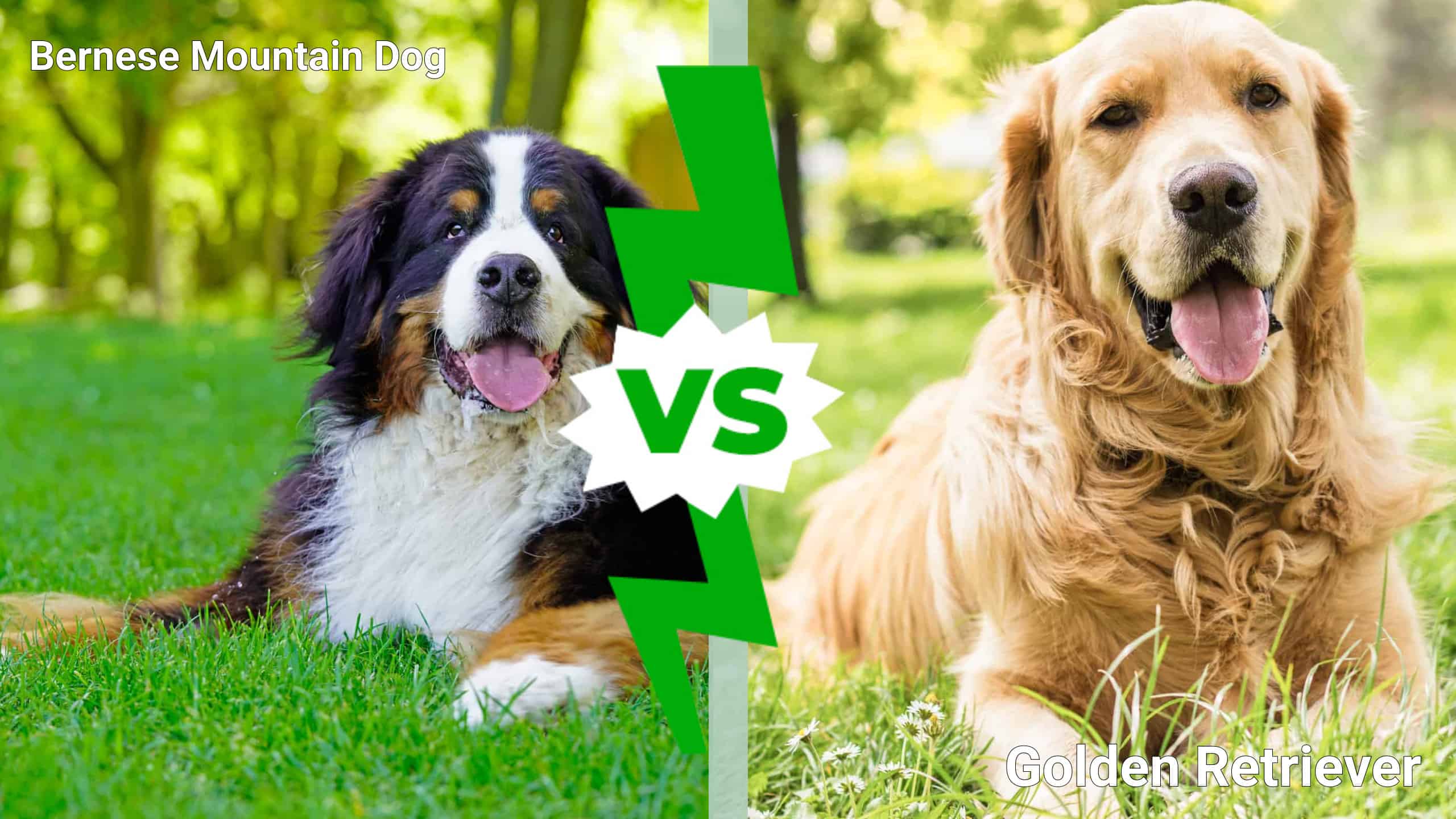
To understand the Bernese Golden Retriever mix, it helps to look at its parents. The Bernese Mountain Dog comes from Switzerland, originally bred to work on farms and pull carts. They are strong, big, and known for their calm nature. The Golden Retriever started in Scotland as a hunting dog, prized for its friendly personality and intelligence.
When you combine these two breeds, you get a dog that often inherits the best qualities from both. The mix is not officially recognized as a breed by major kennel clubs, but it’s gaining popularity among families and dog lovers. The hybrid is sometimes called the Golden Mountain Dog because of its mix of mountain and retriever bloodlines.
Typical Size And Growth Patterns
One of the first questions people ask is, “How big will my Bernese Golden Retriever mix get? ” This is important for planning your home, yard, and lifestyle.
Adult Size Range
The size depends on genetics, diet, and exercise, but most Bernese Golden Retriever mixes grow into large dogs. Here’s a simple comparison:
| Breed | Height (inches) | Weight (pounds) |
|---|---|---|
| Bernese Mountain Dog | 23–27 | 70–115 |
| Golden Retriever | 20–24 | 55–75 |
| Bernese Golden Retriever Mix | 22–27 | 65–100 |
Most mixes stand between 22 and 27 inches at the shoulder and weigh 65 to 100 pounds as adults. Males are usually larger than females, but there’s overlap.
Puppy Growth Stages
These mixes grow quickly in their first year. Puppies usually weigh about 10–15 pounds at 8 weeks and can reach 50–60 pounds by six months. Full adult size is usually reached between 18–24 months.
Factors Affecting Size
- Genetics: If the mix has more Bernese genes, it may be bigger.
- Diet: Poor nutrition can slow growth; overfeeding can lead to unhealthy weight.
- Exercise: Regular activity keeps muscles strong and supports healthy growth.
Practical Advice
If you live in a small apartment, think carefully before choosing this mix. They need space to move and play. A fenced yard is ideal, but daily walks are a must even in urban homes. Large breed dogs also need sturdy beds, bigger food bowls, and strong leashes.
Coat Characteristics And Grooming Needs
The Bernese Golden Retriever mix is famous for its beautiful coat, but it comes with special care needs.
Coat Types And Colors
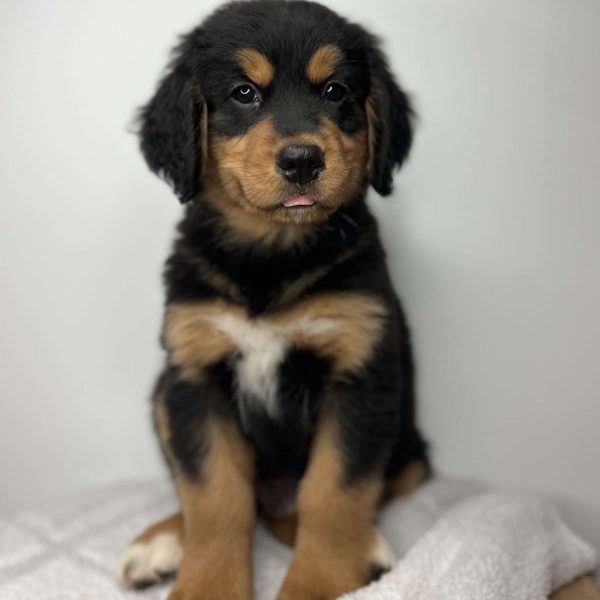
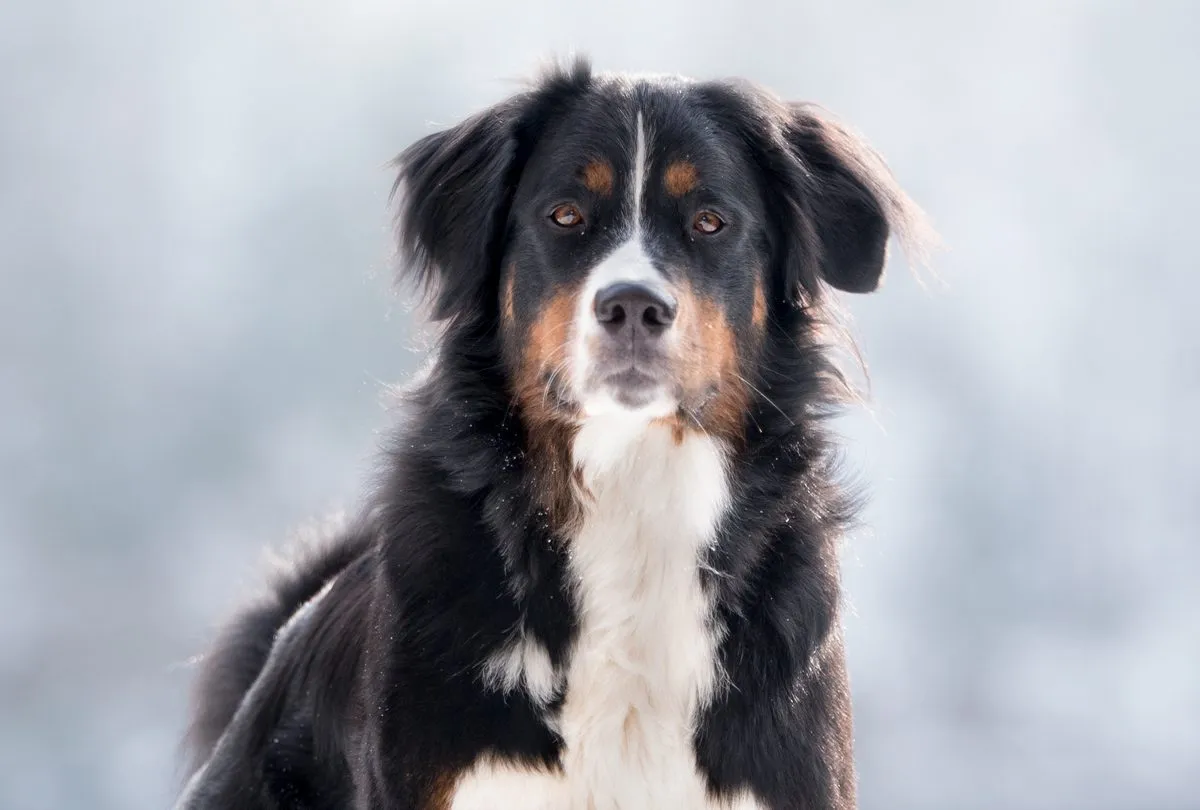
Most mixes have a medium to long coat that is soft, thick, and often wavy. The coat can be straight like a Golden Retriever’s or slightly curly like some Bernese Mountain Dogs. Common colors include:
- Black, brown, and white: Like the Bernese
- Golden, cream, or yellow: Like the Golden Retriever
- Tricolor: Sometimes you see a mix of black, white, and tan
Some dogs have a “mask” of color on their face, while others are more evenly colored.
Shedding Patterns
This hybrid sheds moderately to heavily, especially during spring and fall. Both parent breeds are known for shedding, so you should expect loose hair around your home.
Grooming Routine
Regular grooming is essential. Here’s a simple weekly routine:
- Brush 3–4 times a week with a slicker brush or pin brush to remove dead hair and prevent mats.
- Check ears for dirt and moisture—both breeds can get ear infections.
- Trim nails every 2–4 weeks.
- Bathe only when dirty or every few months. Too much bathing can dry out their skin.
- Check teeth weekly. Dental care is often overlooked but important.
Coat Maintenance Table
| Task | Frequency | Tools Needed |
|---|---|---|
| Brushing | 3–4 times/week | Slicker brush, pin brush |
| Bathing | Every 2–3 months | Dog shampoo |
| Nail trimming | 2–4 weeks | Nail clippers, file |
| Ear cleaning | Weekly | Ear wipes or solution |
| Dental care | Weekly | Dog toothbrush, toothpaste |
Practical Grooming Tips
- Never skip brushing during heavy shedding seasons. It prevents mats and keeps your home cleaner.
- Use a de-shedding tool if your dog’s coat is especially thick.
- Check for ticks and fleas, especially after walks in tall grass.
Non-obvious Insight
Some owners don’t realize that coat health is linked to diet. High-quality food with omega-3 and omega-6 fatty acids makes the coat shinier and reduces shedding.
Temperament And Personality Traits
The real magic of the Bernese Golden Retriever mix is in its temperament. These dogs are known for being gentle, friendly, and smart.
Core Temperament Features
- Affectionate: Loves to be around family, often follows you from room to room.
- Loyal: Forms strong bonds with owners and children.
- Intelligent: Easy to train, often eager to please.
- Gentle: Good with small children and elderly people.
- Playful: Enjoys games, fetch, and outdoor activities.
- Alert but not aggressive: Makes a decent watchdog, but rarely barks without reason.
Social Behavior
These mixes are usually good with other pets, especially if socialized early. They get along with other dogs and can live peacefully with cats. However, their size means play can get rough, so supervision is wise.
Adaptability
The Bernese Golden Retriever mix adapts well to new environments but prefers routine. Sudden changes—like moving house or a new family member—can cause stress. They do best in homes with predictable schedules.
Common Behavior Challenges
- Separation anxiety: They dislike being alone for long periods.
- Chewing: Puppies, especially, may chew furniture or shoes if bored.
- Jumping: Their size means jumping can knock over children or guests.
Practical Temperament Advice
If you work long hours, consider doggy daycare or a dog walker. These dogs need regular human contact to stay happy.
Non-obvious Insight
Many people miss that mental stimulation is as important as physical exercise. Puzzle toys, scent games, and training sessions keep them sharp and prevent boredom.
Credit: a-z-animals.com
Exercise And Activity Needs
A Bernese Golden Retriever mix is not a couch potato. They need regular exercise to stay healthy and happy.
Daily Exercise Requirements
- 60–90 minutes per day is ideal. This can include walks, playtime, and training.
- Mix activities: Try fetch, hiking, swimming, and agility games.
Activity Examples
- Morning walk: 30 minutes around the neighborhood.
- Fetch or tug: 15–20 minutes in the yard.
- Evening stroll or training: 20–30 minutes.
Exercise Table
| Activity | Duration | Benefits |
|---|---|---|
| Walks | 30–60 min/day | Physical fitness, bonding |
| Fetch/play | 15–20 min/day | Energy release, mental stimulation |
| Training | 10–15 min/day | Obedience, brain exercise |
Practical Exercise Tips
- Avoid intense running or jumping until after 18 months; joints are still developing.
- Swimming is excellent—many mixes love water, and it’s easy on their joints.
- Vary the routine to prevent boredom.
Common Mistakes
- Skipping walks: Leads to obesity and behavioral issues.
- Only physical exercise: Mental games are important too.
- Over-exercising puppies: Can damage growing bones.
Health And Lifespan
Understanding health risks and lifespan helps you plan for your dog’s future.
Typical Lifespan
The Bernese Golden Retriever mix lives 10–13 years on average. This is slightly longer than pure Bernese Mountain Dogs, which often live 7–10 years, but similar to Golden Retrievers.
Common Health Issues
Some health problems are inherited from the parent breeds. Watch out for:
- Hip and elbow dysplasia: Joint problems leading to pain and mobility issues.
- Cancer: Bernese Mountain Dogs are prone to certain cancers.
- Heart disease: Golden Retrievers sometimes develop heart issues.
- Ear infections: Due to floppy ears and thick fur.
- Obesity: Large breeds can gain weight quickly.
Health Screening And Prevention
Before buying or adopting, ask breeders about health tests. Good breeders screen for hip, elbow, and heart issues. Regular vet checkups are essential.
Practical Health Tips
- Feed high-quality food designed for large breeds.
- Don’t overfeed—use a measuring cup and monitor weight.
- Keep up with vaccinations and flea/tick prevention.
- Clean ears regularly to prevent infections.
Non-obvious Insight
Some owners overlook joint supplements for large breeds. Early use of glucosamine and chondroitin can help protect your dog’s joints.
Feeding And Nutrition
Large dogs need special nutrition to stay healthy and active.
Daily Calorie Needs
An adult Bernese Golden Retriever mix needs 1,400–2,000 calories per day depending on size, age, and activity level.
Nutritional Requirements
- Protein: 22–28% for muscle health.
- Fat: 12–18% for energy and coat health.
- Calcium and phosphorus: Important for bone strength.
- Omega-3 and Omega-6: For skin and coat.
Feeding Routine
- Feed twice per day for adults. Puppies may need three meals.
- Use large breed formulas with balanced nutrients.
Food Comparison Table
| Food Type | Pros | Cons |
|---|---|---|
| Dry kibble | Easy to store, good for teeth | Some low-quality brands use fillers |
| Wet food | Palatable, high moisture | Expensive, may cause loose stool |
| Raw/home-cooked | Customizable, fresh ingredients | Needs careful balance, risk of bacteria |
Practical Feeding Tips
- Always provide fresh water.
- Rotate protein sources to prevent allergies.
- Avoid table scraps; they can upset digestion and cause weight gain.
- Monitor for signs of food allergies—itching, ear infections, and loose stool.
Training And Intelligence
These mixes are smart and eager to learn, but training needs patience and consistency.
Training Approach
- Use positive reinforcement—treats, praise, and toys.
- Start basic commands early: Sit, stay, come, down.
- Socialize puppies with people, other dogs, and new environments.
Advanced Training
Many Bernese Golden Retriever mixes excel in:
- Obedience competitions
- Therapy dog work
- Agility courses
Practical Training Tips
- Train for 10–15 minutes a day—short, regular sessions are best.
- Avoid harsh corrections; these dogs are sensitive.
- Use puzzle toys and scent games for mental exercise.
Non-obvious Insight
Some owners miss that consistency is more important than intensity. Daily small sessions work better than rare, long training blocks.
Living With A Bernese Golden Retriever Mix
Owning this mix is rewarding but requires commitment. Here’s what day-to-day life looks like.
Home Environment
- Space: Large dogs need room to move—ideally a yard, but regular walks are a must.
- Family: These dogs love children and other pets, but their size means supervision is needed.
- Time: They dislike being left alone, so consider your work schedule.
Common Owner Mistakes
- Underestimating size: Puppies grow fast and need strong equipment.
- Ignoring grooming: Regular brushing prevents mats and keeps the coat healthy.
- Skipping training: Untrained large dogs can be difficult to manage.
Adaptability
These mixes handle cold weather well, thanks to their thick coats. However, hot weather can be dangerous. Always provide shade and fresh water, and avoid walks during peak heat.
Travel And Activities
Travel is possible with this mix, but plan ahead. They fit best in SUVs or vans. Bring water, a portable bowl, and a sturdy leash. Many mixes enjoy hiking and camping—just check for ticks after outdoor trips.
Choosing A Bernese Golden Retriever Mix
Finding the right dog is crucial. Here’s how to make a smart choice.
Breeder Vs. Rescue
- Breeders: Look for reputable breeders who test for health issues and socialize puppies.
- Rescue: Many mixes are available in shelters. Ask about the dog’s history and temperament.
What To Ask Breeders
- Are parents health tested for hips, elbows, and heart?
- How are puppies socialized?
- What vaccines and deworming have been done?
- Can I meet the parents?
Adoption Tips
- Spend time with the dog before deciding.
- Ask about previous health issues or behavioral challenges.
- Consider adult dogs; they are often calmer and may be already trained.
Common Mistakes
- Choosing based on looks alone.
- Not researching breeder reputation.
- Ignoring the dog’s activity needs.
Cost And Ownership Considerations
Large breed mixes require investment, both upfront and long term.
Initial Costs
- Puppy price: $800–$2,500 from a breeder. Adoption fees are usually $200–$500.
- Supplies: Bed, crate, leash, bowls ($200–$400).
Annual Costs
- Food: $400–$800 per year.
- Vet care: $300–$700 per year.
- Grooming: $200–$500 (if professional).
Hidden Costs
- Emergency vet visits can cost thousands.
- Training classes range from $100–$500.
- Pet insurance ($30–$70/month) can help with unexpected costs.
Practical Cost Tips
- Budget for food and vet care before buying.
- Consider pet insurance for peace of mind.
Bernese Golden Retriever Mix Vs Other Large Breeds
How Does This Hybrid Compare With Other Popular Large Breeds?
Key Comparisons
- Bernese Mountain Dog: The mix is usually friendlier and lives longer.
- Golden Retriever: The mix is bigger and sheds more.
- Labrador Retriever: Labradors are more energetic but less prone to joint issues.
- German Shepherd: Shepherds are more protective but may be harder to train.
Comparison Table
| Breed | Size | Shedding | Temperament | Lifespan |
|---|---|---|---|---|
| Bernese Golden Mix | Large | Heavy | Gentle, loyal | 10–13 years |
| Golden Retriever | Medium/Large | Moderate | Friendly, smart | 10–12 years |
| Labrador Retriever | Large | Moderate | Energetic, loving | 10–12 years |
| German Shepherd | Large | Moderate/Heavy | Protective, intelligent | 9–13 years |
Credit: www.greenfieldpuppies.com
Frequently Asked Questions
What Is The Best Age To Start Training A Bernese Golden Retriever Mix?
Begin training as soon as you bring your puppy home, usually 8–10 weeks old. Early training helps prevent bad habits and builds confidence.
How Much Should I Feed My Bernese Golden Retriever Mix?
Feed 2–3 cups of high-quality dry food per day, split into two meals. Adjust based on your dog’s weight, age, and activity level.
Are Bernese Golden Retriever Mixes Good With Children?
Yes, they are gentle and patient with kids. Always supervise play, especially with small children, to prevent accidental knocks.
Do They Need Professional Grooming?
Professional grooming every 3–6 months is helpful, especially during shedding season. Regular home brushing is still essential.
Can They Live In Apartments?
It’s possible, but challenging. They need daily exercise and space to move. A small apartment isn’t ideal unless you commit to frequent walks and playtime.
Final Thoughts
The Bernese Golden Retriever mix is a loving, beautiful, and intelligent dog, perfect for families who have space, time, and commitment. Their size and coat require regular care, but their gentle temperament and loyalty are worth the effort. If you want a companion that fits into an active, caring home, and you’re ready for a large dog’s needs, this mix will reward you with years of affection and fun. For more information about dog breeds and care, visit Wikipedia.
Choosing a Bernese Golden Retriever mix is a big decision. Make sure you’re prepared for their size, grooming, and activity needs. When raised with love and proper care, they become wonderful, lifelong family members.
Credit: dogtime.com

We’re the dedicated team behind MyPawSafe.com, with over a decade of combined experience in veterinary care, pet emergency response, and animal behavior. While we prefer to let our work speak for itself, our mission is clear: to provide science-backed, vet-approved advice that helps pet owners prevent accidents and save lives.