A full grown blue American Bulldog is one of the most striking dogs you can own. With its powerful build, unique blue coat, and loyal personality, this breed captures attention everywhere it goes. But what makes a blue American Bulldog different from others?
How big do they really get, and what is their coat like? If you’re considering this breed or already own one, understanding their size, coat, and essential facts will help you provide the best care and enjoy a rewarding relationship.
The American Bulldog is a breed with deep roots in American history. Originally developed as a working dog, it has adapted to life as a family companion, protector, and even athlete. The blue American Bulldog stands out due to its rare coat color, but there’s much more to learn about these dogs.
In this article, you’ll discover detailed information about their physical traits, temperament, health, and care needs. Whether you’re a beginner or already familiar with bulldogs, you’ll find practical advice and useful insights to help you make informed decisions.
Size Of The Full Grown Blue American Bulldog
Understanding the size of a full grown blue American Bulldog is important for housing, feeding, and exercise planning. Bulldogs are known for their muscular bodies, but their size can vary based on genetics and gender.
Average Height And Weight
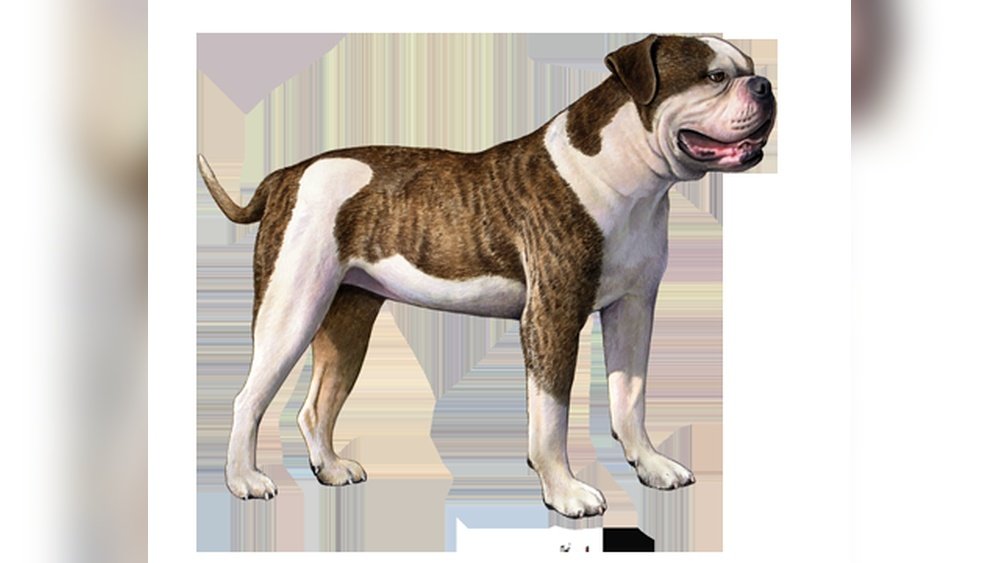
Most full grown blue American Bulldogs stand between 20–28 inches tall at the shoulder. Males are usually larger, with heights closer to the upper range. Females tend to be slightly smaller.
Their weight ranges from 70–120 pounds. Here’s a breakdown:
| Gender | Height (inches) | Weight (pounds) |
|---|---|---|
| Male | 22–28 | 85–120 |
| Female | 20–25 | 70–100 |
Compared to other bulldog breeds, the American Bulldog is larger and more athletic. For example, the English Bulldog averages only 40–50 pounds.
Growth Timeline
American Bulldogs grow rapidly in their first year. Puppies can gain 3–5 pounds per week in the early months. By 12 months, most reach about 80% of their adult size. Full maturity, including muscle development, is typically reached around 2–3 years.
Non-obvious insight: Some owners mistake early rapid growth for early maturity, but muscle and bone density continue to develop after the first year. This means exercise routines should adapt as the dog matures.
Factors Affecting Size
- Genetics: The biggest factor. Larger parents often produce larger puppies.
- Nutrition: High-quality diets support optimal growth.
- Exercise: Regular activity promotes muscle development.
- Health: Illness or poor care can stunt growth.
Space And Lifestyle Considerations
Because of their size, blue American Bulldogs are best suited for homes with enough space. Apartments can work if you commit to daily exercise. These dogs need room to stretch and play—lack of activity can lead to obesity and behavioral problems.
Coat Of The Blue American Bulldog
The coat is what makes the blue American Bulldog especially unique. Their color and texture set them apart from other bulldogs, but understanding coat care is vital for their health and appearance.
What Does “blue” Mean?
In dog terminology, blue refers to a grayish-blue shade, not a true blue. This color comes from a dilution gene affecting black pigment. Blue American Bulldogs may have coats ranging from slate gray to steel blue.
Coat Characteristics
- Type: Short, smooth, and dense. It feels firm to the touch but not rough.
- Color: Pure blue, blue with white markings, or blue brindle. The blue color can sometimes appear silvery in sunlight.
- Skin: Often pink or gray under the coat, which can be sensitive to sun.
Common Coat Patterns
Most blue American Bulldogs have one of these patterns:
- Solid blue: Entire body is blue, sometimes with a lighter underbelly.
- Blue and white: Blue body with white chest, face, or paws.
- Blue brindle: Blue background with lighter stripes.
Shedding And Maintenance
Blue American Bulldogs shed moderately year-round, with heavier shedding in spring and fall. Their short coat requires:
- Weekly brushing (more during shedding seasons)
- Occasional baths (every 4–6 weeks)
- Wipe downs after play or walks
Non-obvious insight: Owners often underestimate skin sensitivity in blue bulldogs. Their lighter pigment means they can sunburn more easily. Using a vet-approved dog sunscreen on exposed skin is important.
Grooming Tips
- Use a bristle brush for daily grooming.
- Check for skin irritation, especially on light-colored patches.
- Avoid frequent baths, as over-washing can dry out their skin.
- Clean ears and trim nails regularly.
Coat Comparison Table
To see how the blue American Bulldog’s coat compares to other bulldogs:
| Breed | Coat Type | Color Range | Shedding Level |
|---|---|---|---|
| Blue American Bulldog | Short, smooth | Blue, blue/white, blue brindle | Moderate |
| English Bulldog | Short, fine | Brindle, white, fawn, piebald | Low–moderate |
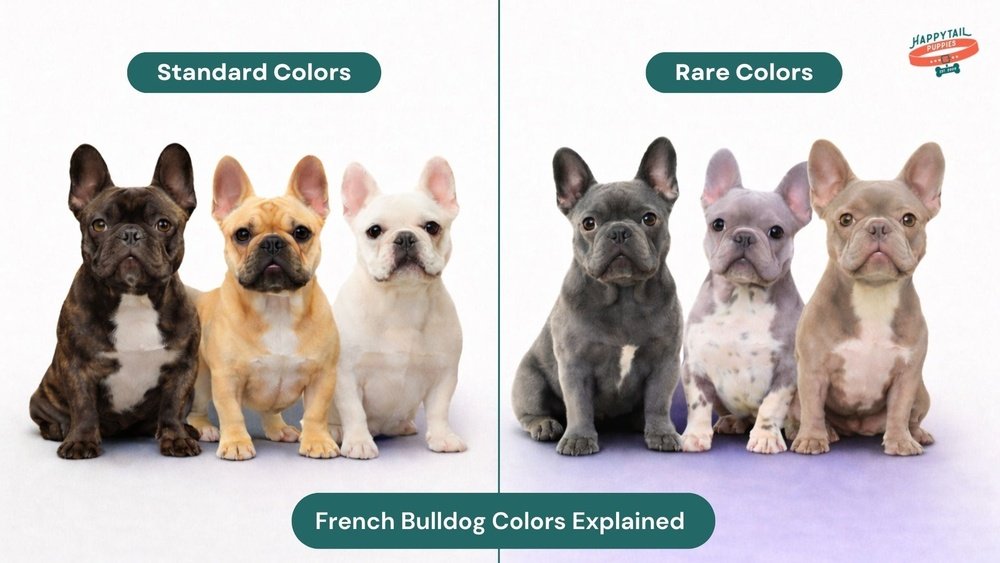
| French Bulldog | Short, soft | Blue, cream, pied, black | Low |

Credit: www.wisdompanel.com
Key Facts About Blue American Bulldogs
Blue American Bulldogs are more than just their color. Understanding their temperament, health, and lifestyle is essential for responsible ownership.
Temperament
These dogs are known for their loyalty and protective instincts. They bond strongly with their families and are often wary of strangers. Despite their intimidating look, they are gentle with children when properly trained.
- Confident and brave: Not easily frightened.
- Playful: Loves games and outdoor activities.
- Alert: Makes excellent watchdogs.
- Affectionate: Enjoys cuddling and spending time with owners.
Practical tip: Early socialization is crucial. Without exposure to new people and experiences, some blue American Bulldogs can become overly protective or shy.
Intelligence And Trainability
American Bulldogs are smart but sometimes stubborn. They respond best to positive reinforcement and clear boundaries.
- Start training early (8–10 weeks old)
- Use short, consistent sessions
- Reward with treats and praise
Example: Teaching basic commands like “sit,” “stay,” and “come” helps manage their energy and keeps them safe.
Exercise Needs
A full grown blue American Bulldog needs at least 60–90 minutes of exercise daily. This can be split between walks, runs, and playtime. Without enough exercise, they can develop destructive behaviors.
- Running, hiking, fetch, agility courses
- Mental stimulation: Puzzle toys, obedience training
Diet And Nutrition
Because of their size, blue American Bulldogs need a balanced diet. Adult dogs should eat 2–3 cups of high-protein dog food daily, split into two meals.
- Protein: Essential for muscle maintenance.
- Fat: Provides energy.
- Vitamins and minerals: For overall health.
Common mistake: Overfeeding. Bulldogs can gain weight quickly, so measure portions and avoid excessive treats.
Health And Lifespan
Blue American Bulldogs are generally robust, but the blue coat gene sometimes links to skin issues.
- Average lifespan: 10–14 years
- Common health concerns:
- Hip dysplasia
- Allergies (especially skin)
- Heart conditions
- Elbow dysplasia
Regular vet check-ups help catch problems early. Some blue bulldogs may be prone to “color dilution alopecia,” a condition causing hair thinning.
Insight: Even healthy-looking dogs can carry genetic risks. Ask breeders for health certificates before purchase.
Socialization And Family Compatibility
Blue American Bulldogs thrive in homes where they are included in daily activities. They do well with children and other pets if introduced early.
- Supervise play with young kids: Their size can accidentally knock over small children.
- Gradual introductions: For other pets, especially cats.
Living Environment
These dogs adapt to both urban and rural settings, but need enough space to move. A fenced yard is ideal. Apartments are possible if you commit to regular walks.
- Avoid leaving them alone for long periods—can develop separation anxiety.
Cost Of Ownership
Owning a blue American Bulldog involves several expenses:
- Purchase price: $1,500–$3,500 (rare color)
- Food: $50–$80/month
- Vet care: $300–$700/year
- Grooming supplies: $50–$100/year
- Training: $200–$500 (classes)
Unexpected costs: Emergency vet visits, insurance, replacing chewed items.
Breeding And Genetics
Blue is a recessive color and not common in American Bulldogs. Responsible breeders test for health issues and avoid breeding only for color. Dogs bred just for blue coats may have higher risk of skin and coat problems.
Tip: Choose breeders who focus on temperament and health, not just appearance.
Blue American Bulldog Vs Other Bulldogs
How does the blue American Bulldog compare to other bulldog breeds? Let’s look at size, temperament, and coat.
| Trait | Blue American Bulldog | English Bulldog | French Bulldog |
|---|---|---|---|
| Height | 20–28 in | 14–15 in | 11–12 in |
| Weight | 70–120 lbs | 40–50 lbs | 16–28 lbs |
| Coat Color | Blue, blue/white, blue brindle | Brindle, white, fawn | Blue, cream, pied |
| Temperament | Loyal, protective, energetic | Calm, stubborn, friendly | Playful, alert, affectionate |
| Exercise | High | Low | Moderate |
Observation: The blue American Bulldog is much larger and more active. It needs more exercise and space compared to English or French Bulldogs.

Credit: www.dogbreedinfo.com
Caring For A Full Grown Blue American Bulldog
Proper care is key to your dog’s health and happiness. Here are practical steps for daily and long-term care.
Daily Routine
- Morning walk (20–30 minutes)
- Feeding (split between morning and evening)
- Playtime or training
- Grooming: Quick brush, check skin
- Evening walk
Pro tip: Consistency helps blue American Bulldogs feel secure and reduces anxiety.
Health Maintenance
- Annual vet check-ups
- Vaccinations and parasite control
- Dental care: Brush teeth 2–3 times/week
- Watch for signs of hip or elbow discomfort
Grooming And Skin Care
- Brush weekly to remove loose hair
- Bath every 4–6 weeks
- Check for dry patches or redness
- Use gentle, hypoallergenic shampoos
Non-obvious insight: Blue bulldogs may need extra protection from sunlight. Limit outdoor time during peak sun hours and use dog-safe sunscreen.
Nutrition And Weight Management
- Feed high-quality, grain-free foods if possible
- Adjust portions based on activity level
- Avoid table scraps and fatty foods
Training And Behavior
Training should be firm but kind. American Bulldogs respect confident leaders.
- Use positive reinforcement
- Avoid harsh corrections
- Socialize with other dogs and people
Tip: Mental stimulation is as important as physical activity. Try puzzle toys or scent games.
Common Myths About Blue American Bulldogs
Many people believe myths about this breed, especially regarding color and temperament. Let’s clear up some confusion.
- Myth: Blue American Bulldogs are aggressive.
- Reality: With proper training, they are gentle and friendly.
- Myth: The blue color is unhealthy.
- Reality: Blue coat itself is not a health issue, but poor breeding practices can lead to skin problems.
- Myth: They don’t get along with other pets.
- Reality: Early socialization makes them excellent with other animals.
- Myth: They require little exercise.
- Reality: They need lots of activity to stay healthy and happy.
- Myth: All blue bulldogs are purebred.
- Reality: Some “blue” bulldogs may come from mixed breeding. Always ask for pedigree papers.
Choosing A Blue American Bulldog: What Matters
If you want to add a blue American Bulldog to your family, consider these key points:
- Breeder reputation: Choose breeders who prioritize health and temperament.
- Health screening: Ask for hip, elbow, and heart certificates.
- Meet the parents: Observe their behavior and health.
- Ask about diet and care routines: Good breeders share their practices.
- Avoid impulse buying: Take your time to research and visit breeders.
Common buyer mistake: Focusing only on color. The blue coat is beautiful, but health, temperament, and compatibility matter more for long-term happiness.
Real-life Examples: Living With A Blue American Bulldog
Many owners share positive stories about their blue American Bulldogs.
- Family dog: “Our blue American Bulldog is gentle with our kids and always watches over them. He loves playing in the yard and cuddling at night.”
- Active lifestyle: “We hike every weekend, and our bulldog keeps up easily. His energy motivates us to stay active too.”
- Watchdog: “He alerts us to any strange noises, but never acts aggressive. He’s protective but calm.”
Insight: Owners who invest time in training and socialization report the best outcomes. Bulldogs with clear routines and affection thrive.
Frequently Asked Questions
What Is The Average Lifespan Of A Blue American Bulldog?
Most blue American Bulldogs live 10–14 years. Their lifespan depends on genetics, diet, exercise, and regular vet care. Some may live longer if kept healthy and active.
Are Blue American Bulldogs Rare?
Yes, the blue coat is relatively rare. It comes from a recessive gene and is less common than traditional white or brindle colors. This rarity can increase purchase price and demand.
Do Blue American Bulldogs Have Special Health Concerns?
Blue American Bulldogs may have skin sensitivity and a risk of color dilution alopecia. Otherwise, they share common bulldog issues like hip dysplasia, allergies, and heart conditions. Regular vet visits help prevent problems.
Are Blue American Bulldogs Good With Kids?
With proper training and socialization, blue American Bulldogs are excellent with children. Their protective nature makes them gentle and watchful. Supervise play to prevent accidental knocks due to their size.
How Much Exercise Does A Full Grown Blue American Bulldog Need?
They need 60–90 minutes of exercise daily. This includes walks, runs, and playtime. Without enough activity, they can become bored and destructive.
Closing Thoughts
A full grown blue American Bulldog is a powerful, beautiful, and loyal companion. Their unique size and coat make them stand out, but their temperament and energy are what truly define the breed. If you’re ready to provide space, exercise, and consistent care, these dogs reward you with devotion and protection.
Remember to focus on health and temperament when choosing a puppy, not just color. With the right approach, your blue American Bulldog will become a valued member of your family for years.
For more detailed breed information, health tips, and care guides, visit the American Bulldog Wikipedia page.

Credit: siliena.com

We’re the dedicated team behind MyPawSafe.com, with over a decade of combined experience in veterinary care, pet emergency response, and animal behavior. While we prefer to let our work speak for itself, our mission is clear: to provide science-backed, vet-approved advice that helps pet owners prevent accidents and save lives.